


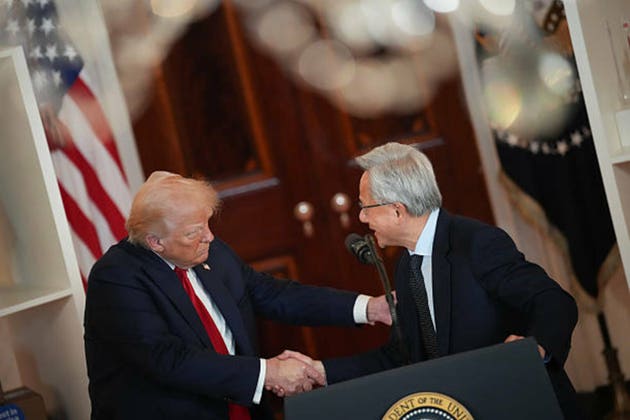
Nvidia's Diplomatic Dance: Navigating US-China Chip Export Tensions
- Strategic lobbying reshapes semiconductor geopolitical landscape for advanced AI technologies

/NVIDIA%20Corp%20logo%20on%20phone%20and%20AI%20chip-by%20Below%20the%20Sky%20via%20Shutterstock.jpg)






Overview
The semiconductor industry is witnessing a critical inflection point where technological diplomacy meets geopolitical strategy, with Nvidia emerging as a pivotal player in the complex US-China technology trade dynamics. By successfully preventing Congressional restrictions on advanced AI chip exports to China, Nvidia has demonstrated remarkable strategic maneuvering that goes beyond traditional corporate lobbying.
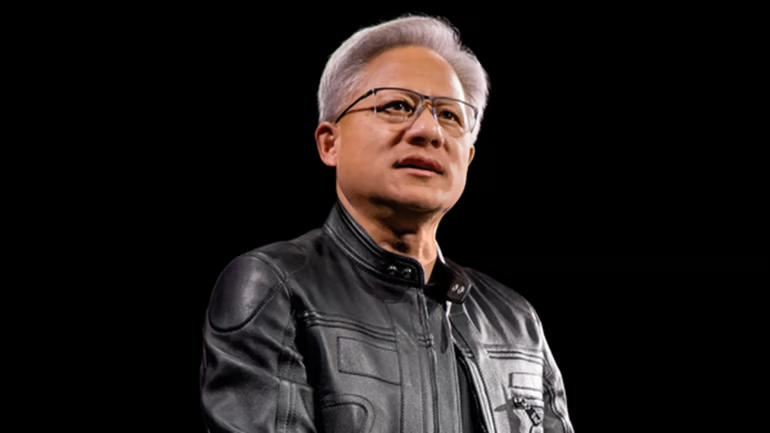
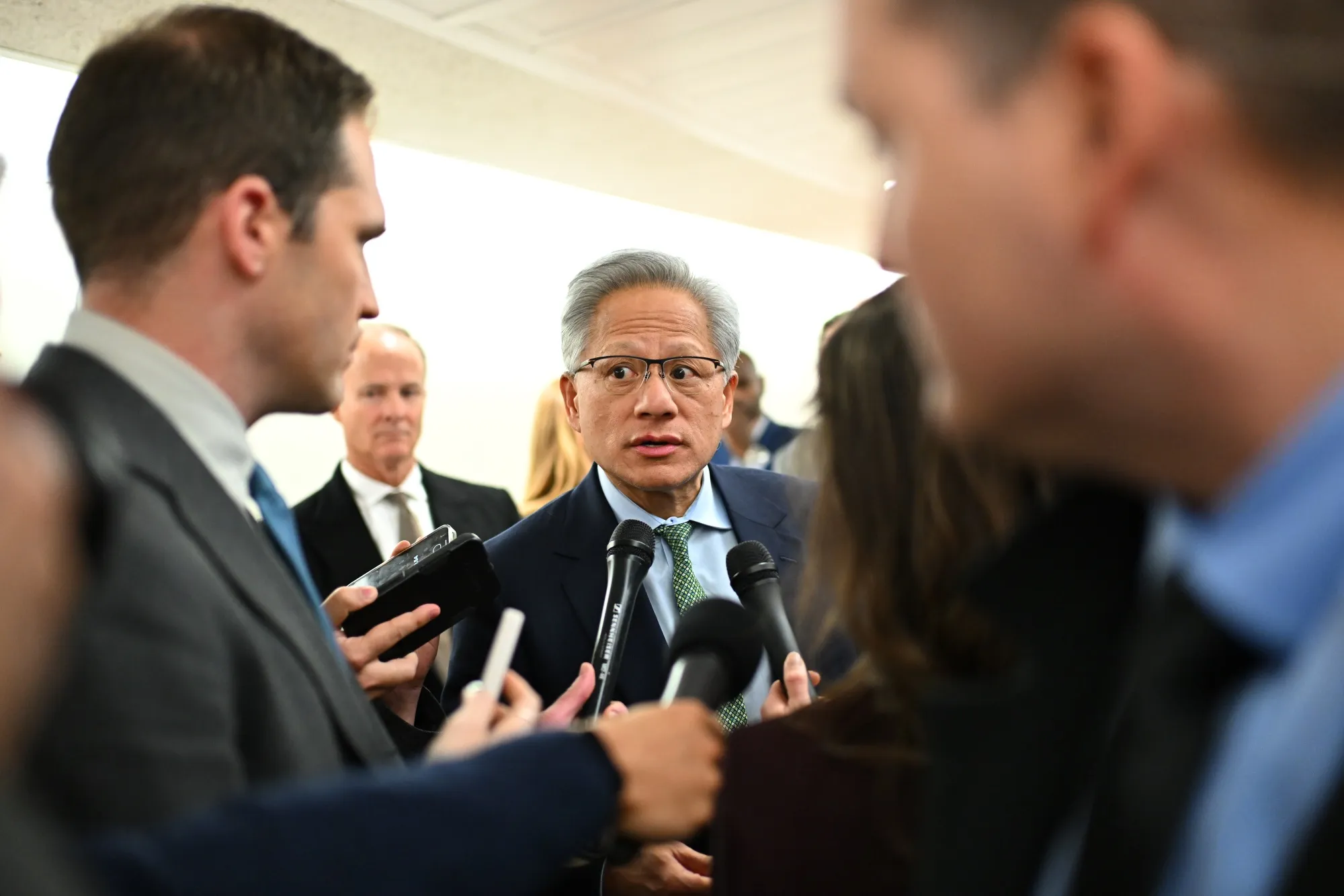
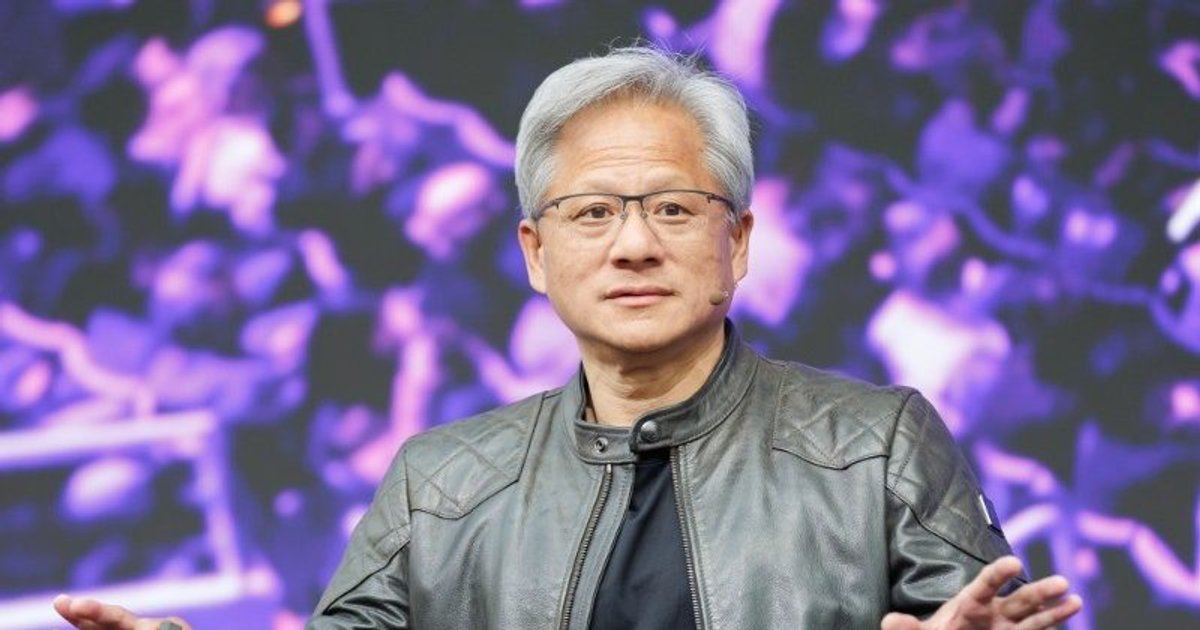
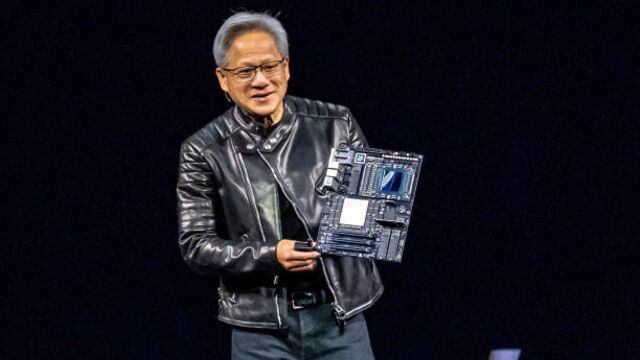
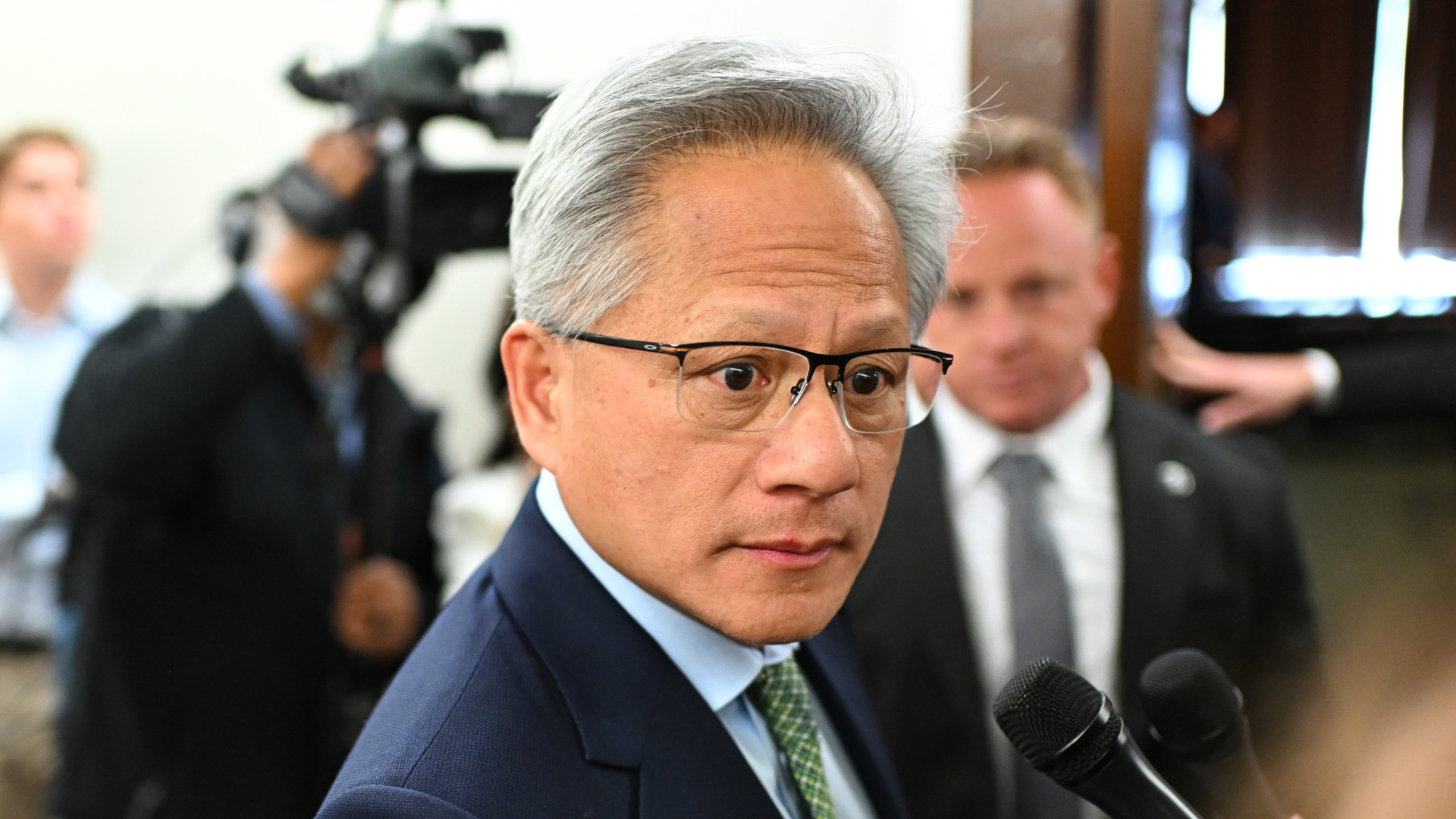
Geopolitical Chess in Semiconductor Exports: Nvidia's recent congressional victory represents more than a corporate win—it's a nuanced navigation of escalating technological tensions between the United States and China. The company's ability to block export curbs signals a sophisticated understanding of both political and technological landscapes. CEO Jensen Huang's subsequent discussions about potentially exporting H200 chips to China reveal a delicate balancing act between compliance, market access, and geopolitical constraints.
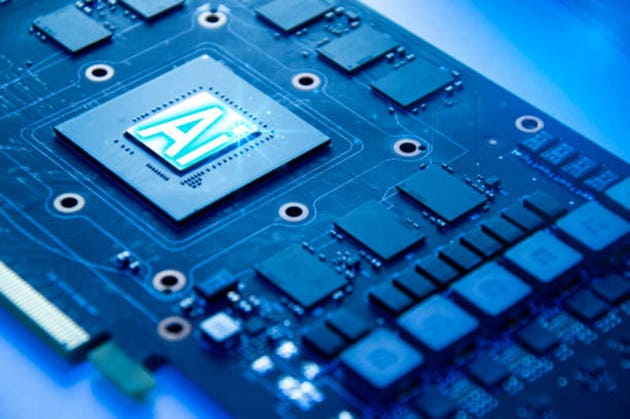
Strategic Market Positioning: The developments highlight a critical trend in high-performance computing and AI chip markets. By preventing export restrictions, Nvidia maintains its strategic flexibility in one of the world's most competitive technology corridors. The uncertainty surrounding China's potential acceptance of H200 chips underscores the complex negotiation environment where technological capabilities intersect with national security considerations.
The implications extend far beyond a single company's export strategy. This represents a broader narrative of how technology leaders can influence international trade policies through strategic engagement, technical expertise, and diplomatic finesse. For technology companies operating in sensitive geopolitical domains, Nvidia's approach offers a masterclass in navigating complex regulatory environments while preserving market opportunities.
Ultimately, these developments signal a critical moment in technological sovereignty, where advanced semiconductor technologies are no longer just commercial products but strategic national assets. Companies like Nvidia are increasingly acting as quasi-diplomatic entities, bridging technological capabilities with geopolitical realities.
Questions 3
Why is the H200 chip export to China uncertain?
The uncertainty stems from ongoing geopolitical tensions, evolving export control policies, and the strategic sensitivity of advanced AI semiconductor technologies. China's potential acceptance depends on complex factors including national security considerations, technological capabilities, and the broader US-China technology trade landscape.
What are the potential implications of Nvidia's chip export strategy for US-China technology relations?
Nvidia's approach represents a nuanced diplomatic strategy that maintains technological leadership while navigating complex geopolitical tensions. By preventing export restrictions, the company preserves market flexibility and signals that technological collaboration can coexist with strategic national interests.