



.jpg)


Colombian Regional Aviation Crisis Signals Supply Chain Risk | Sellers Must Reassess Andean Logistics Routes
- January 2026 Satena crash in Norte de Santander highlights critical infrastructure vulnerabilities affecting cross-border sellers routing through Cúcuta-Ocaña corridor; 15 fatalities including congressman underscore political instability in key Colombian trade hub
)





























Overview
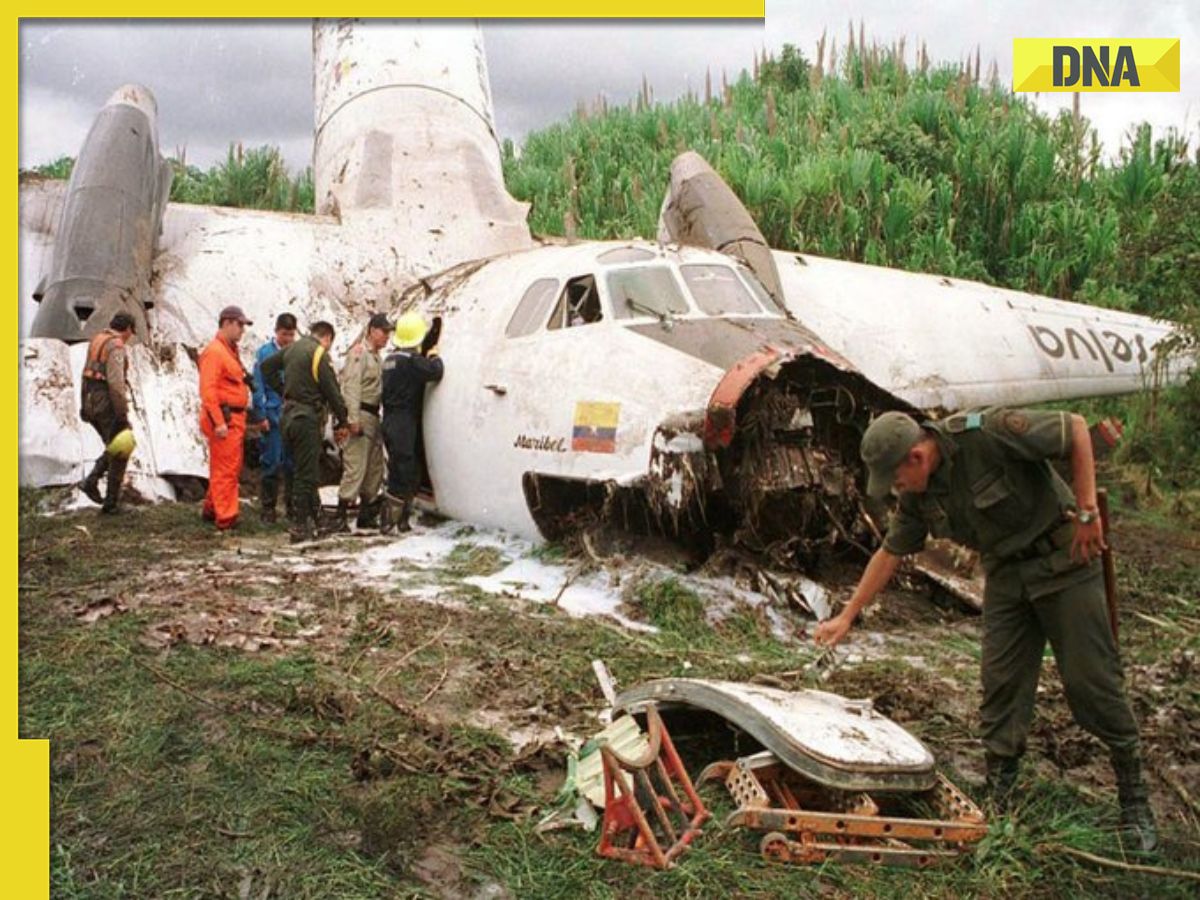
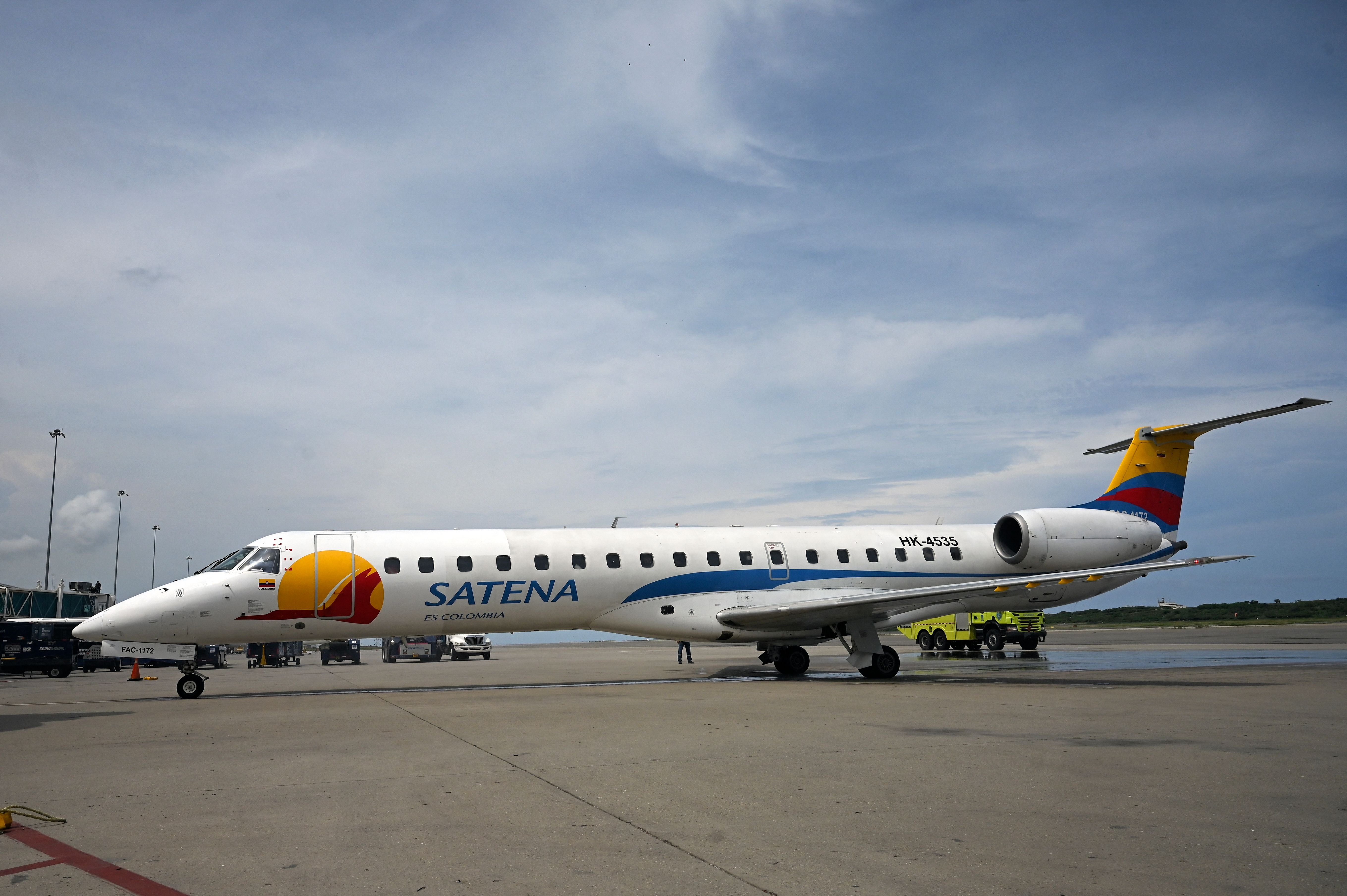
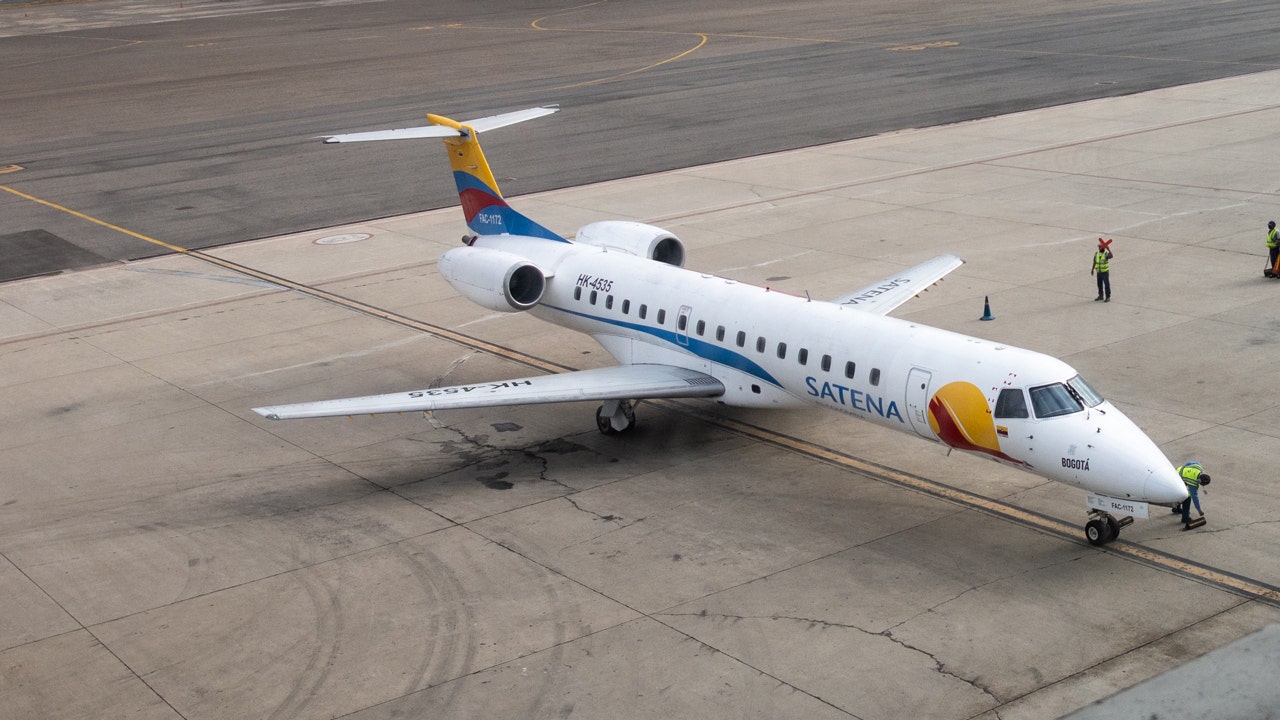
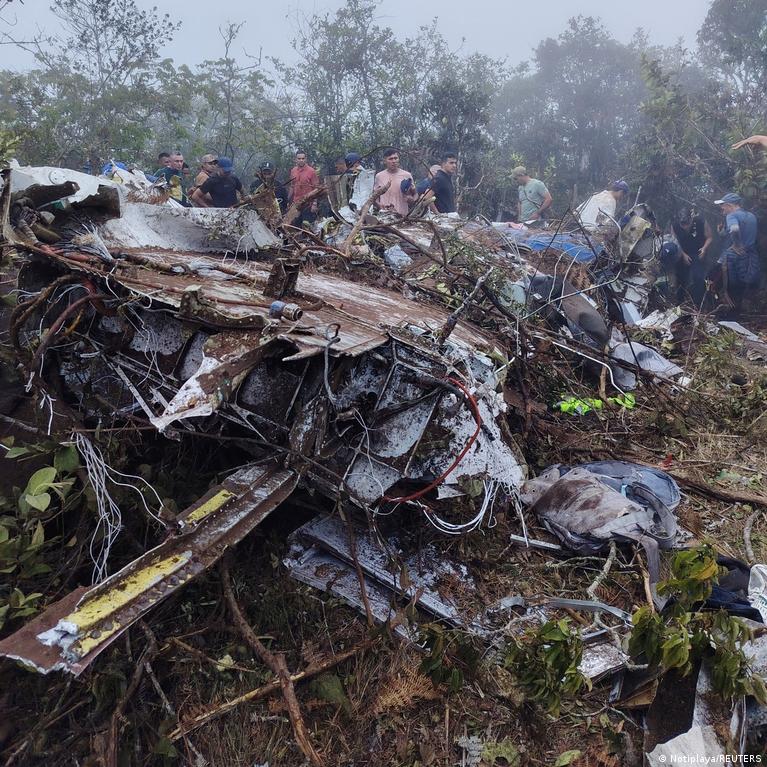
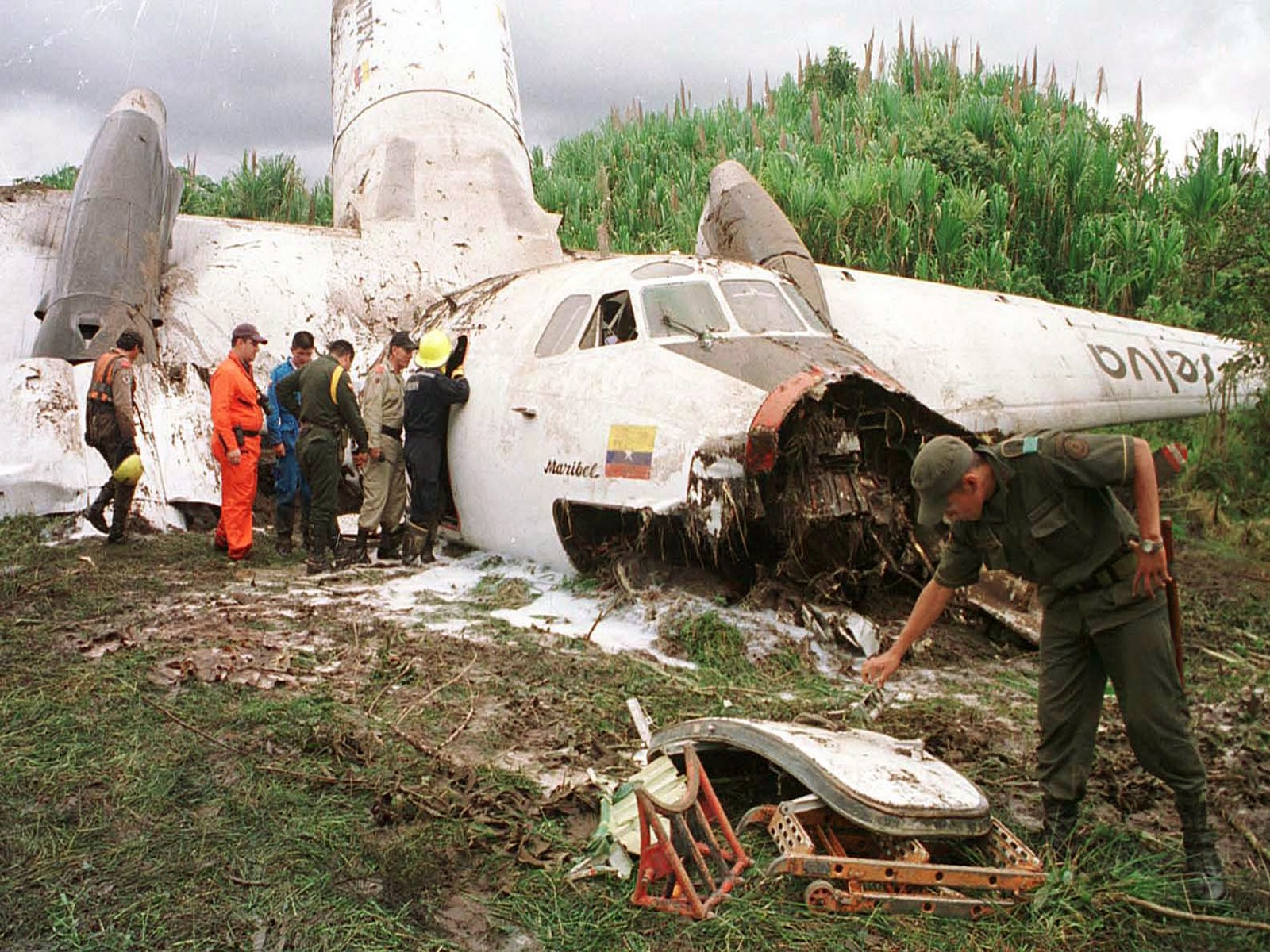
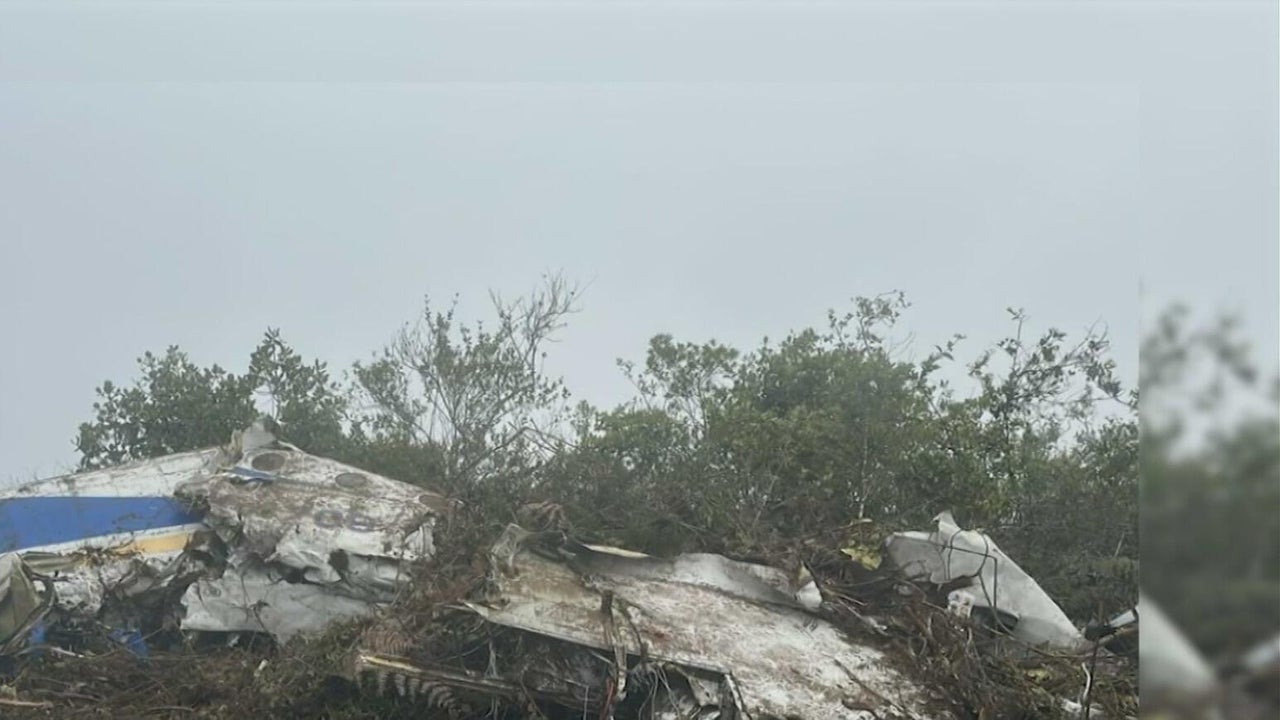
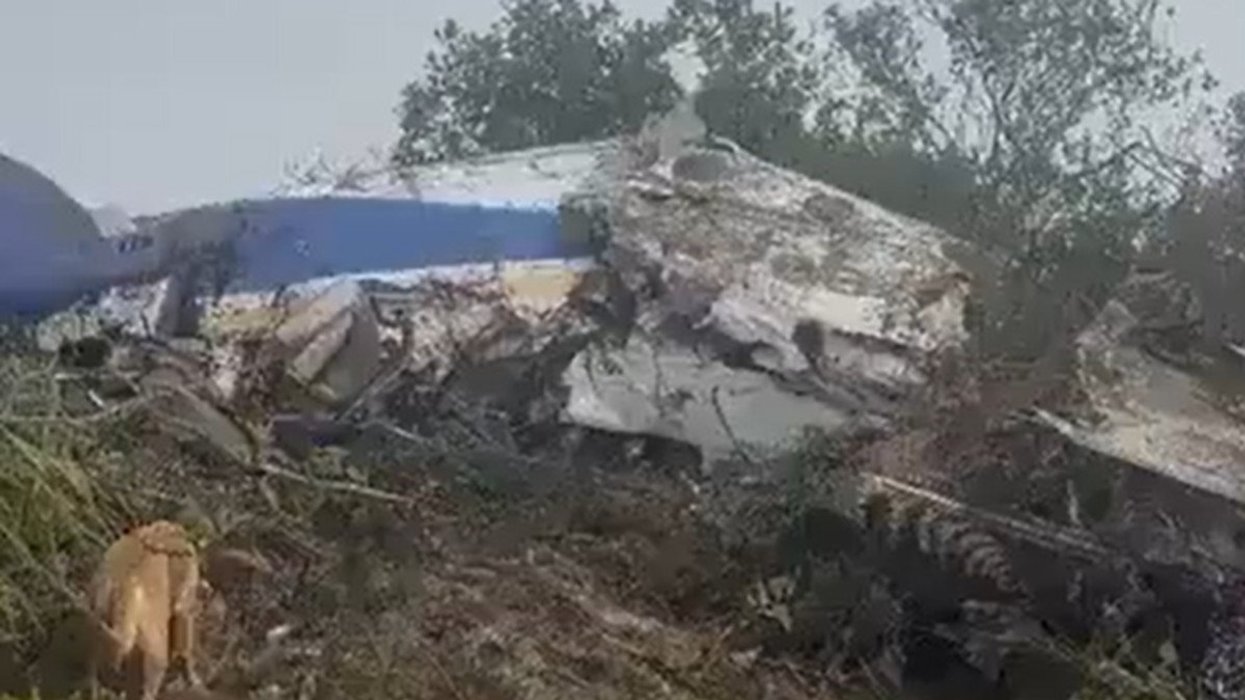
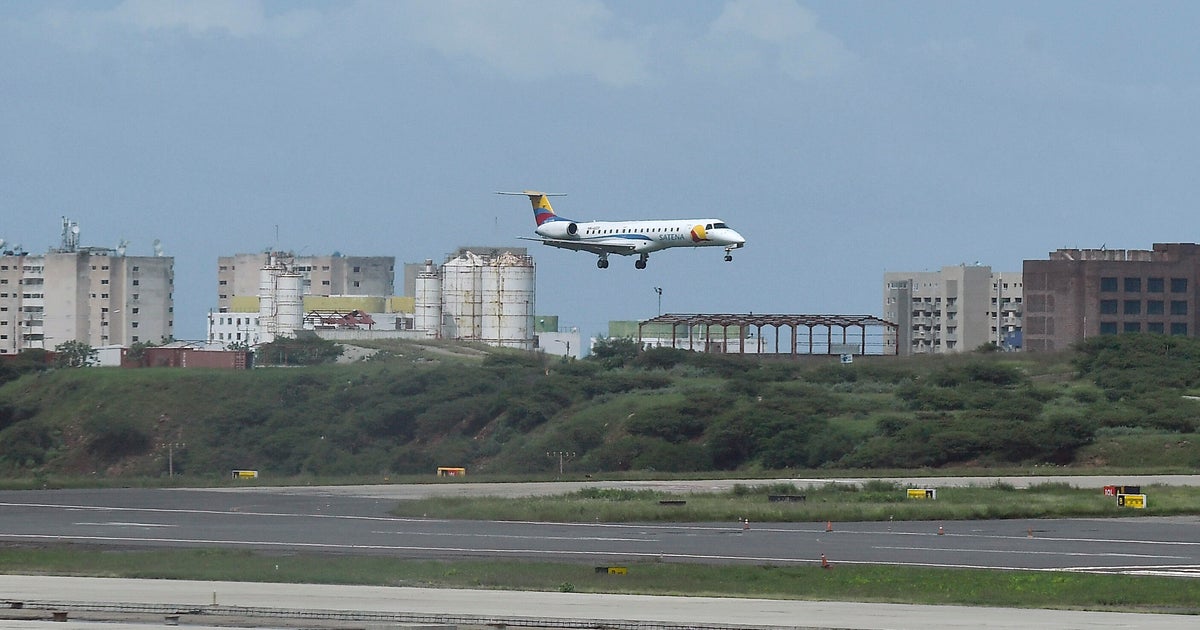
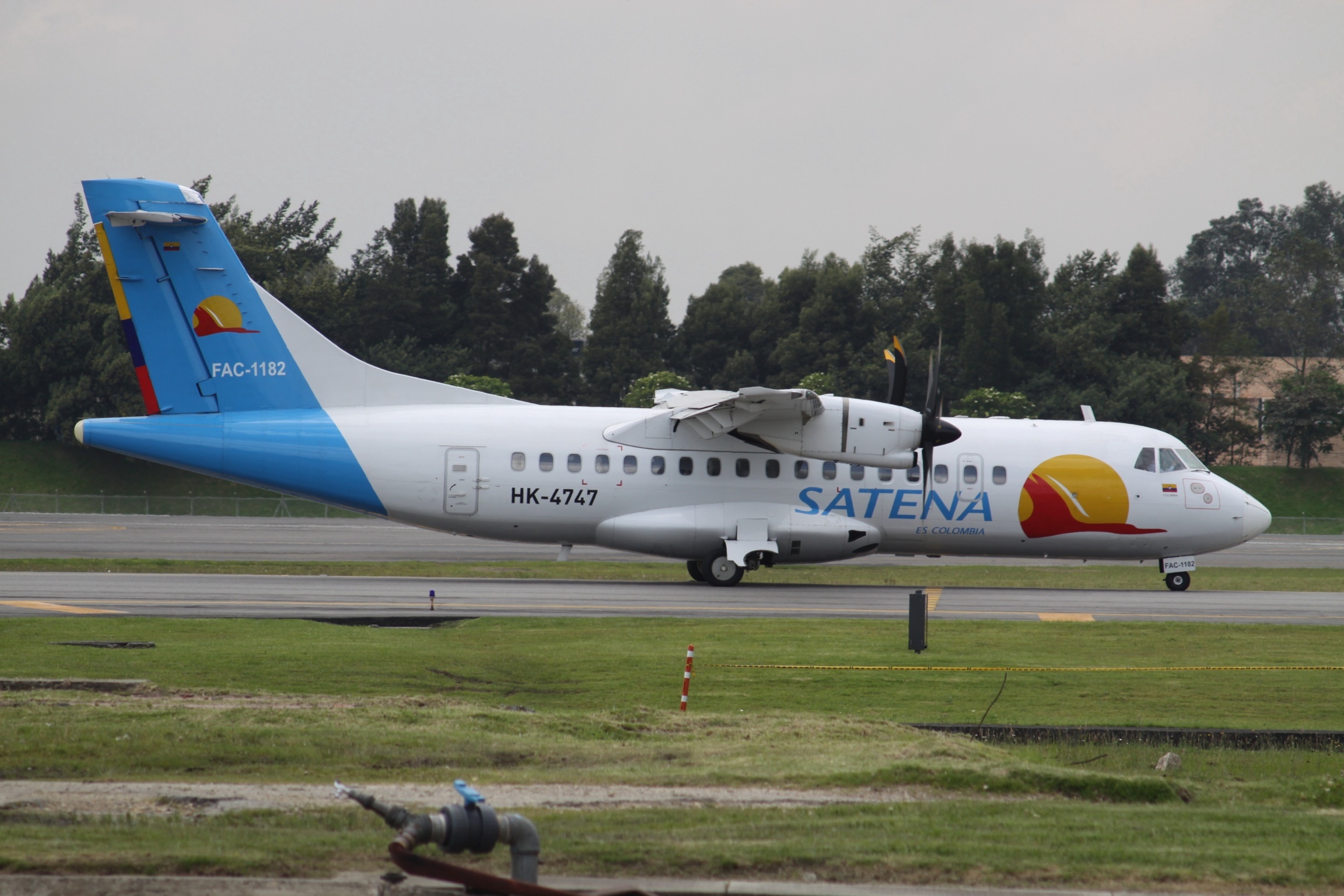
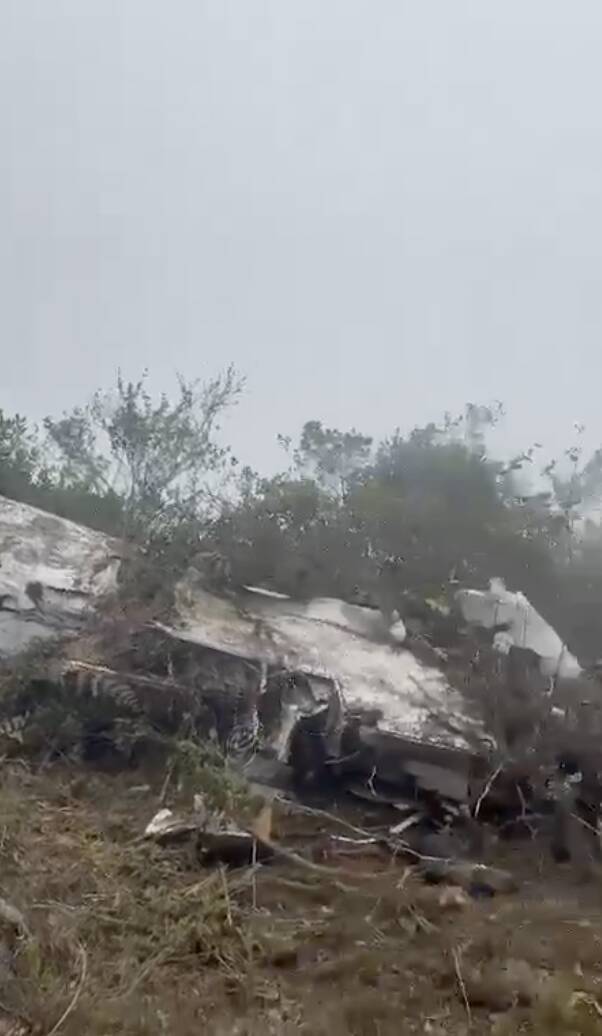
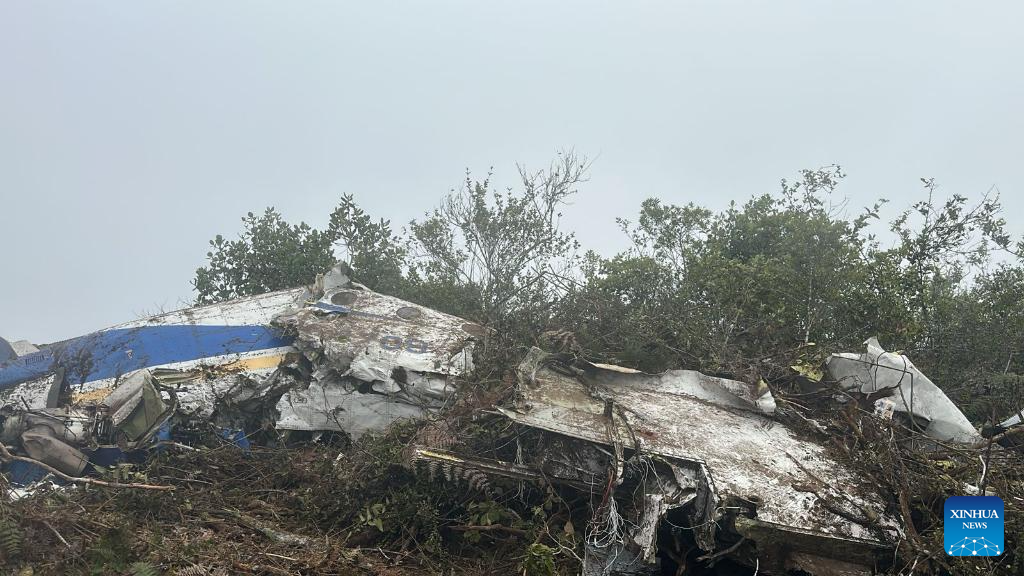
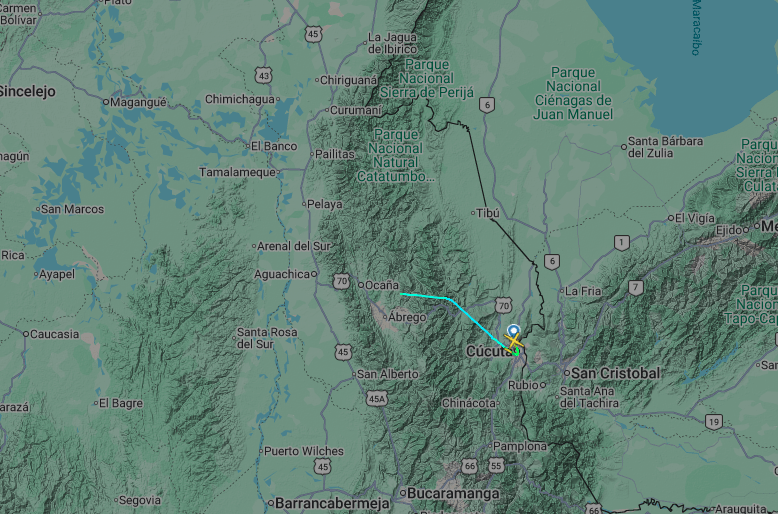
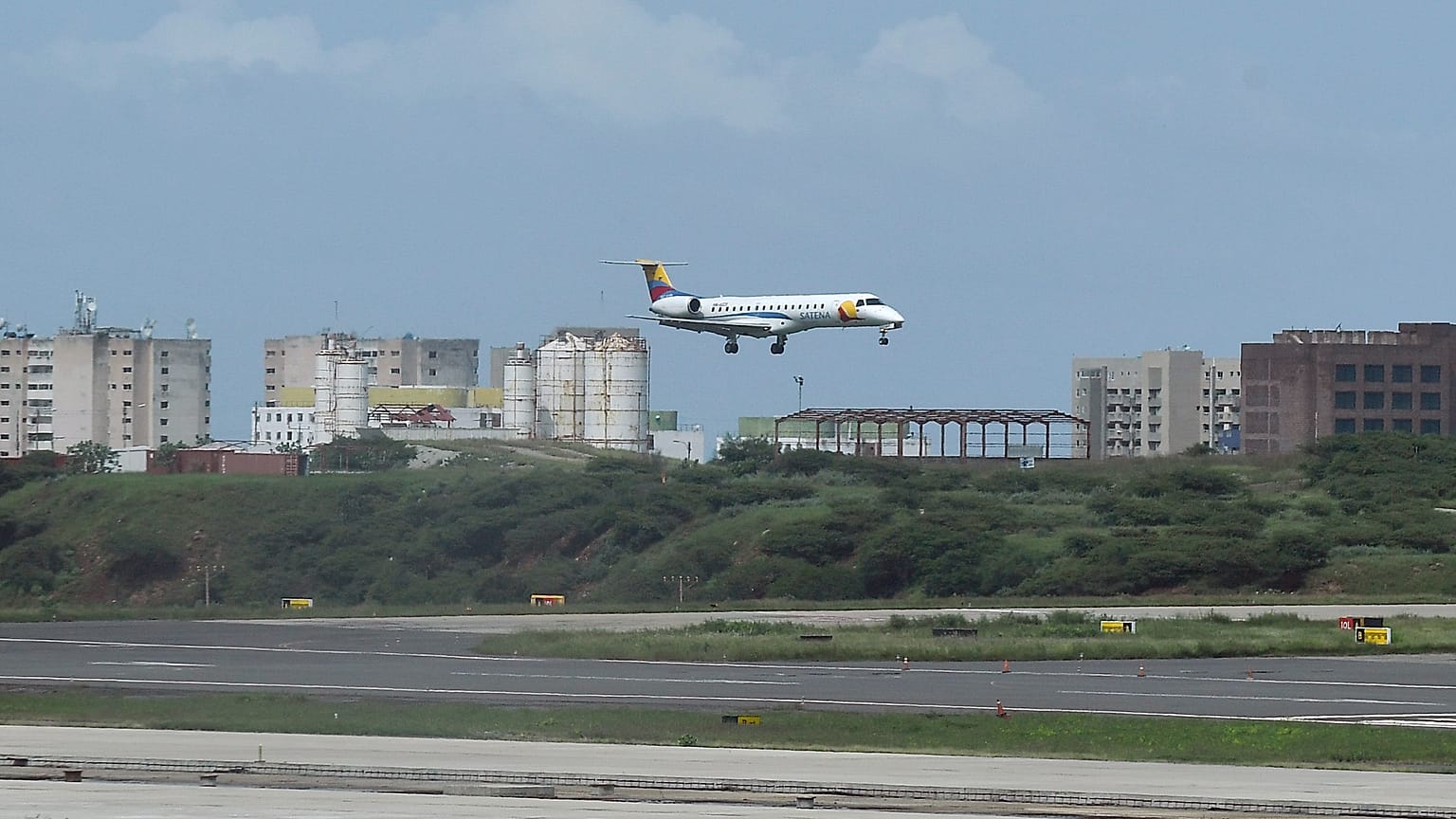
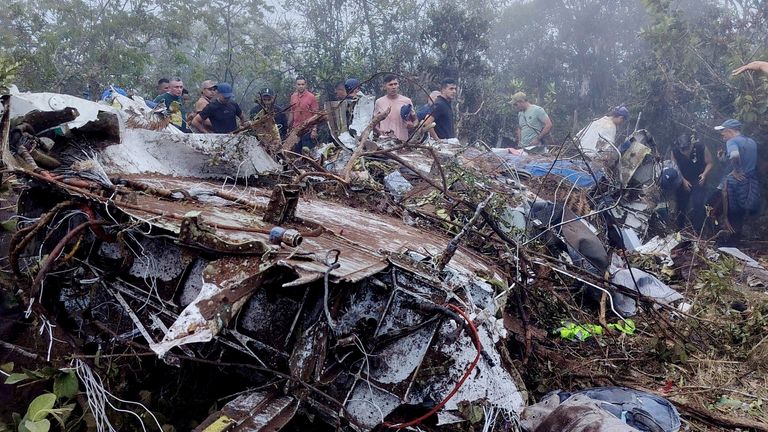
The January 28, 2026 Satena airline crash near Cúcuta, Colombia—killing 15 people including congressman Diógenes Quintero—represents a critical infrastructure failure in a region increasingly important to cross-border e-commerce logistics networks. Flight HK4709 lost radar contact just 9-11 minutes after departure from Camilo Daza airport, suggesting systemic air traffic control or weather monitoring deficiencies in Colombia's remote border regions. For e-commerce sellers, this incident directly impacts supply chain planning through the Cúcuta-Ocaña corridor, which only launched commercial operations in June 2025 as part of Colombia's infrastructure modernization initiative.
The crash exposes three critical vulnerabilities affecting seller logistics: First, the Catatumbo region's infrastructure remains underdeveloped despite recent route expansion, with dense jungle terrain complicating emergency response and recovery operations. Second, the area experiences active armed conflict—January 2025 clashes between ELN and Frente 33 rebel groups displaced 50,000+ residents—creating unpredictable security conditions for ground transportation and warehousing. Third, the loss of a peace-constituency congressman signals potential political instability that could affect regional governance and trade policy enforcement.
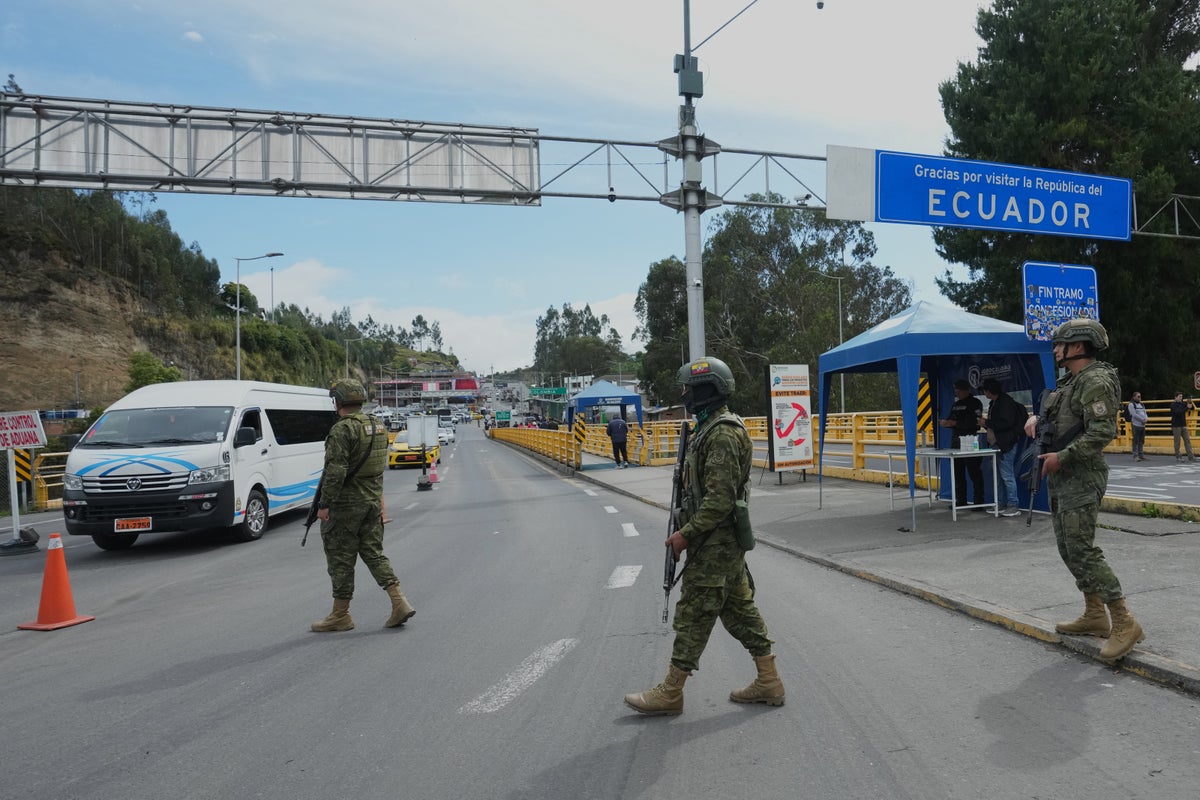
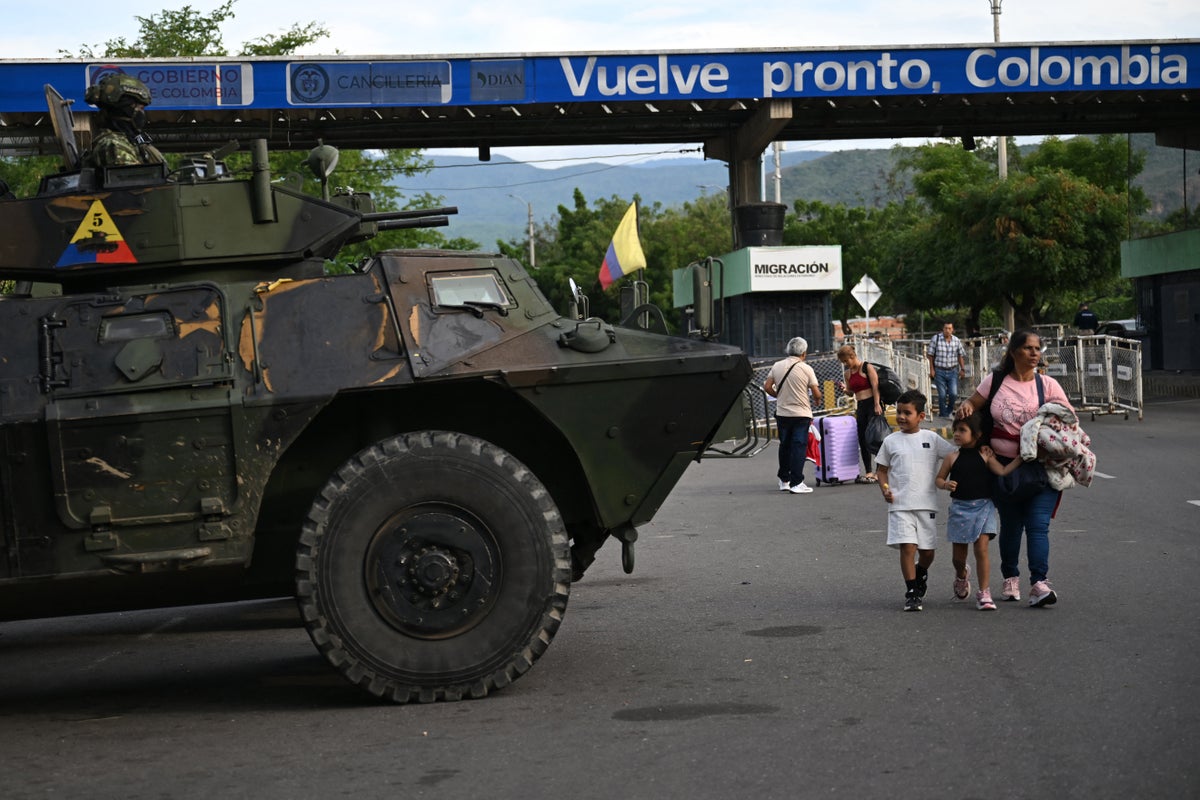
For sellers using Colombian supply chains, this incident necessitates immediate logistics reassessment. The Cúcuta region serves as a critical gateway for cross-border trade with Venezuela and Ecuador, handling approximately 30-40% of Colombia's northern border commerce. Sellers relying on Satena or regional carriers for inventory movement should diversify transportation providers and consider rerouting through more established corridors (Bogotá-Medellín-Cartagena) despite longer transit times. The crash demonstrates that newer infrastructure routes, while offering cost advantages (15-20% lower shipping rates), carry elevated operational risk. Sellers should implement 2-3 week buffer inventory for products sourced through northern Colombian suppliers and evaluate 3PL providers with redundant routing capabilities. The political dimension—loss of a victim-representation congressman—may trigger legislative scrutiny of regional aviation safety standards, potentially increasing compliance costs for carriers and shipping rates by 8-12% within 6-12 months as new safety protocols are implemented.
Questions 8
How does the Catatumbo region's armed conflict affect cross-border seller operations?
The Catatumbo region, where the crash occurred, experiences active armed conflict between ELN and Frente 33 rebel groups, with January 2025 clashes displacing 50,000+ residents. This creates unpredictable security conditions affecting ground transportation, warehouse operations, and personnel safety. Sellers with suppliers or warehouses in Norte de Santander department should implement enhanced security protocols, including armed escort requirements (adding 5-8% to logistics costs) and real-time GPS tracking. Consider consolidating inventory in more stable regions (Bogotá, Medellín) and using local 3PL providers with established security relationships. Monitor regional conflict developments through news sources and adjust routes accordingly.
What are the cost implications of shifting away from northern Colombian logistics routes?
Rerouting from Cúcuta-Ocaña (cost advantage: 15-20% savings) to established Bogotá-Medellín-Cartagena corridors will increase shipping costs by $200-400 per 1,000-unit shipment, depending on product weight and destination. However, this cost increase is offset by reduced supply chain disruption risk and lower insurance premiums (typically 5-8% cheaper for established routes). Additionally, expect 8-12% rate increases across all Colombian carriers within 6-12 months as new aviation safety compliance standards are implemented following the crash investigation. The net effect: short-term cost increase of 10-15%, but long-term stability and reduced operational risk.