


Political Messaging Chaos Signals Trade Policy Uncertainty | Cross-Border Sellers Face Tariff Volatility
- Trump administration contradictions on Greenland acquisition and tariff threats create unpredictability for sellers shipping to EU; 10% tariff withdrawal signals policy instability affecting pricing strategies











/Greenland_Iceland-260128/Greenland-Iceland-and-one-confused-president.jpeg?tr=w-780%2Ch-440%2Cfo-auto)



Overview
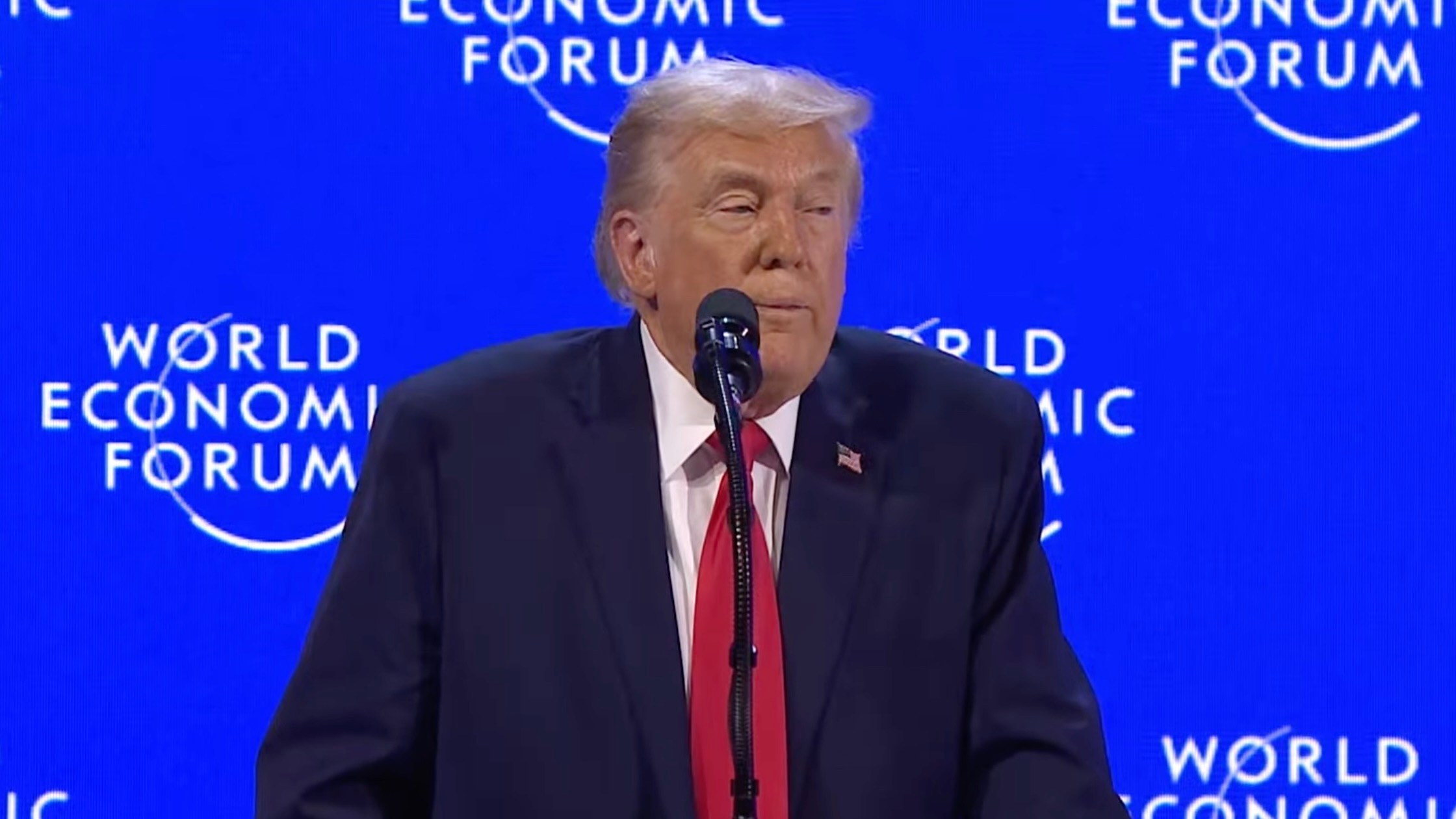
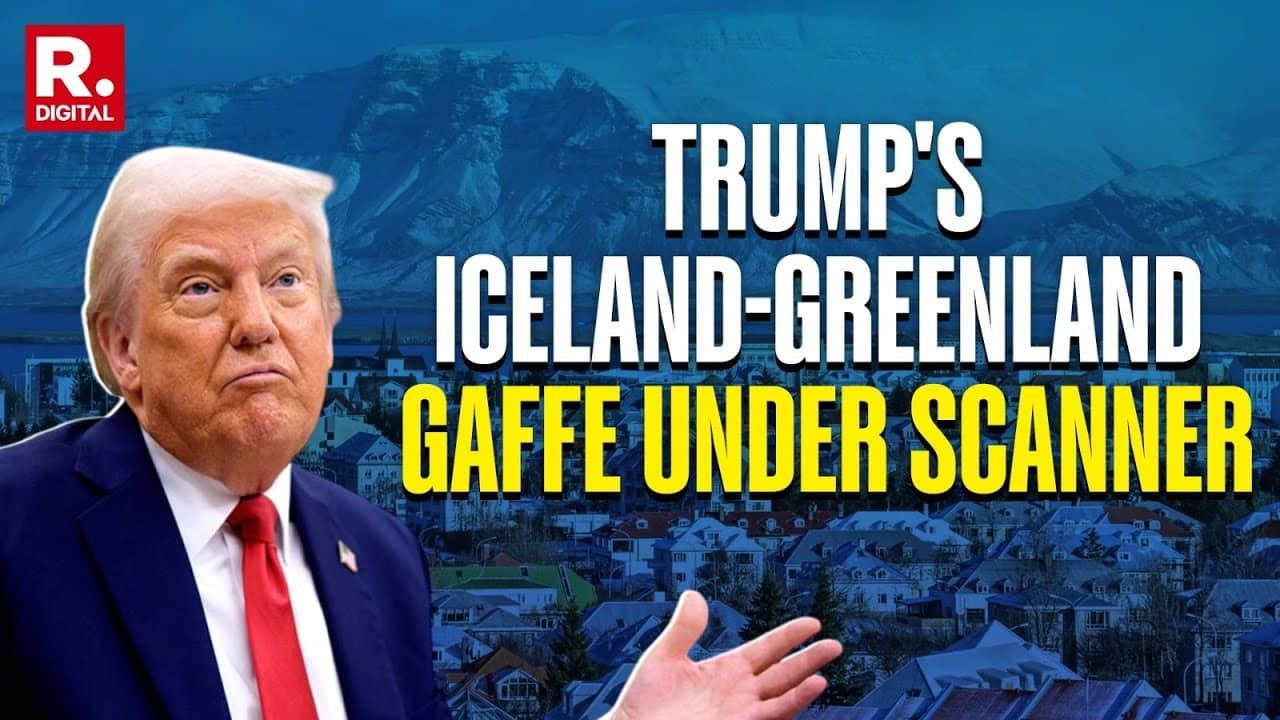
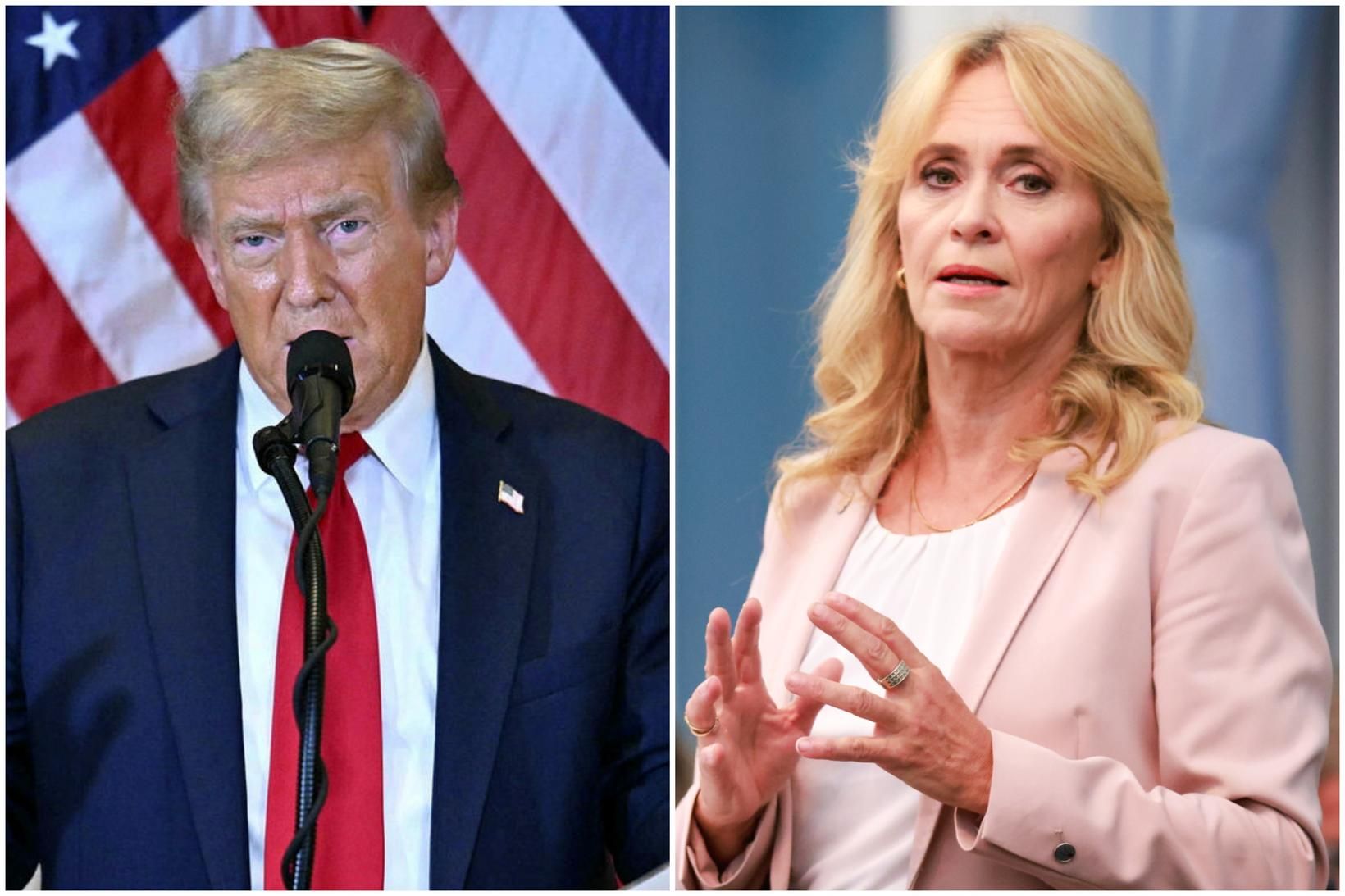
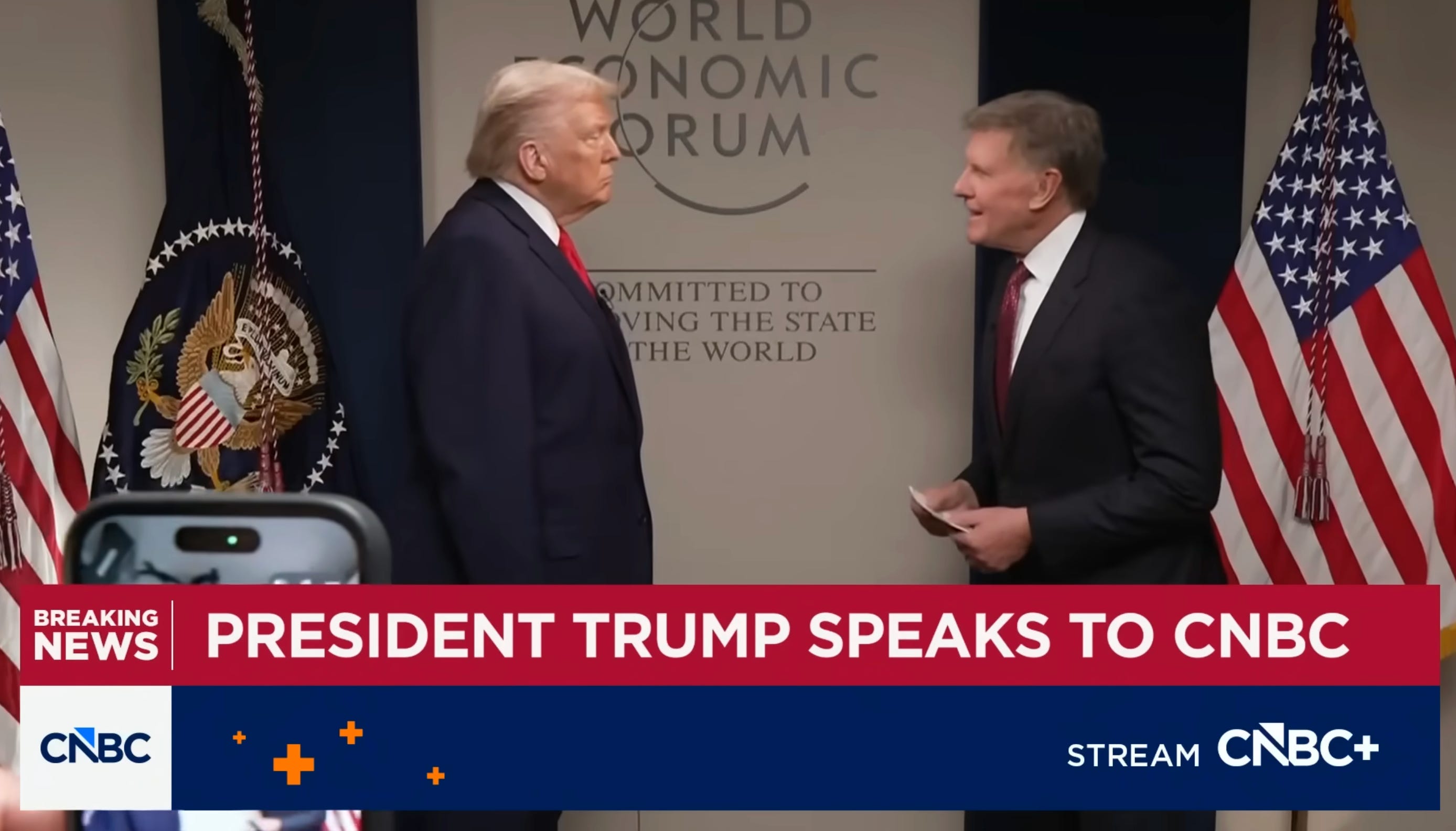
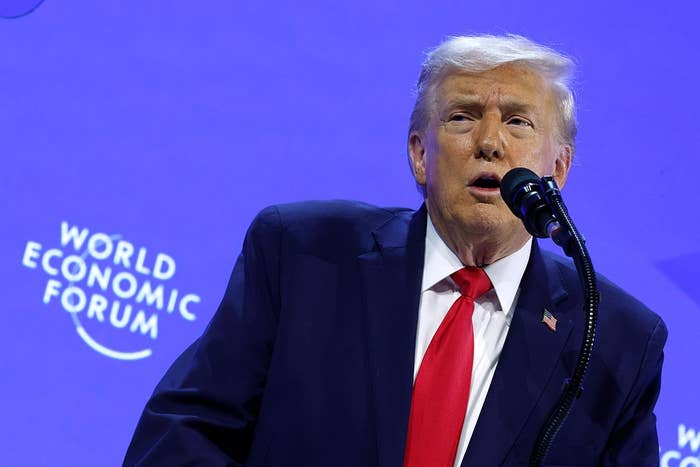
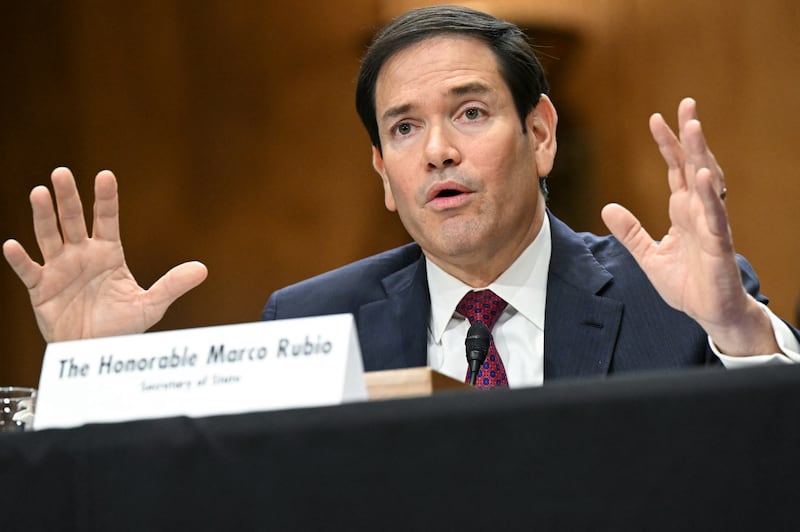
The Trump administration's internal contradictions regarding Greenland acquisition and trade policy—highlighted by Secretary of State Marco Rubio's Senate testimony contradicting White House Press Secretary Karoline Leavitt's public statements—reveal a critical pattern of messaging inconsistency that directly impacts cross-border e-commerce sellers' strategic planning. At the World Economic Forum in Davos on January 22, 2026, Trump repeatedly confused Iceland with Greenland approximately four times while discussing NATO commitments and U.S. financial contributions, statements later acknowledged as misspoken by Rubio but denied by Leavitt. More significantly for sellers, Trump initially proposed 10% tariffs on European allies but subsequently withdrew this threat, claiming instead to have reached a "framework of a deal" with NATO Secretary-General Mark Rutte regarding mineral and security rights.
This policy volatility directly affects cross-border sellers in three critical ways. First, the tariff reversal demonstrates the administration's unpredictability—sellers who had begun adjusting pricing strategies for 10% EU tariffs must now recalibrate, creating operational uncertainty. Sellers shipping electronics, machinery, and consumer goods to EU markets (representing approximately 35-40% of cross-border e-commerce volume) face constant recalculation of landed costs. Second, the messaging inconsistency—where official statements contradict each other within days—signals that trade policy announcements may lack durability, making long-term supply chain decisions risky. Sellers cannot confidently commit to inventory positioning or pricing strategies when administration officials provide conflicting information. Third, the focus on Greenland's rare earth minerals and strategic resources hints at potential future supply chain restrictions or resource nationalism policies that could affect sourcing strategies for electronics, renewable energy components, and industrial goods sellers.
For sellers operating Amazon FBA, eBay, and Shopify storefronts serving EU customers, the immediate impact involves pricing strategy recalibration. Sellers who had built 10% tariff buffers into their cost structures must now evaluate whether to reduce prices (compressing margins 2-5%) or maintain higher prices and risk losing Buy Box positioning to competitors. The messaging chaos also creates reputational risk—sellers cannot confidently communicate shipping timelines or pricing to customers when government policy remains in flux. Additionally, the administration's focus on NATO contributions and mineral rights suggests potential future restrictions on sourcing from specific regions, requiring sellers to diversify supplier bases away from concentrated geographic sources. The pattern of contradictory statements indicates sellers should monitor official policy announcements through multiple channels rather than relying on single sources, as internal administration disagreements may precede public policy reversals.
Questions 7
What does the Greenland mineral strategy mean for electronics and renewable energy sellers?
Trump's focus on Greenland's rare earth minerals and his 'framework of a deal' with NATO regarding mineral rights suggests potential future supply chain restrictions or preferential sourcing arrangements. For sellers in electronics, solar panels, wind turbines, and battery categories, this indicates the administration may pursue policies favoring domestic or allied-nation sourcing of critical minerals. Sellers should begin diversifying supplier bases away from concentrated geographic sources and monitor USGS rare earth mineral reports. The risk: future tariffs or export restrictions on non-allied mineral sources could increase component costs 8-15% within 12-18 months, requiring margin adjustments now.
How does Trump's tariff reversal affect my Amazon FBA pricing to EU customers?
Trump's withdrawal of the proposed 10% European tariff threat eliminates the immediate cost pressure sellers had anticipated, but the reversal itself signals policy instability. If you had already adjusted your Amazon Seller Central pricing to account for 10% tariffs, you should recalibrate downward to remain competitive—competitors who didn't implement tariff buffers will undercut your prices. The key risk: future tariff announcements may reverse again, so avoid making permanent pricing changes based on single policy statements. Instead, use dynamic pricing tools that allow rapid adjustment when official policy clarifications emerge from the White House or Senate Foreign Relations Committee.