




South Korea Political Corruption Case | Institutional Stability Signals for Cross-Border Sellers
- Former first lady Kim Keon Hee sentenced to 20 months; demonstrates robust legal frameworks affecting business confidence and market stability in South Korea's $1.8T e-commerce sector


























Overview
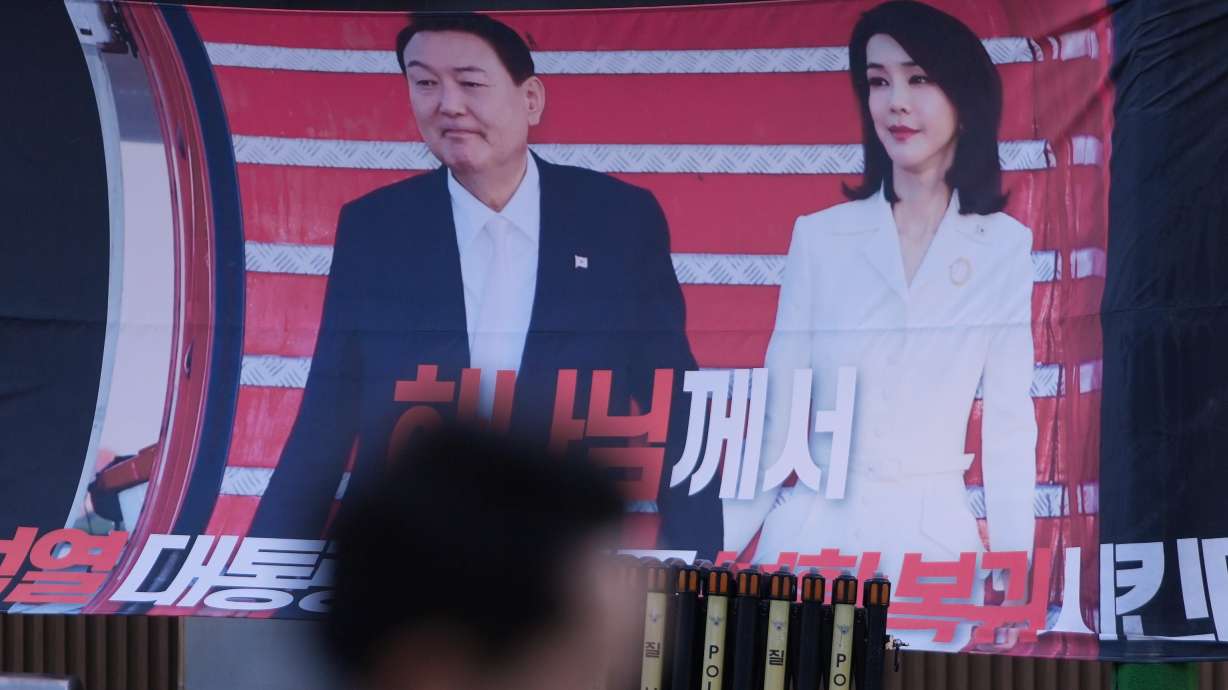
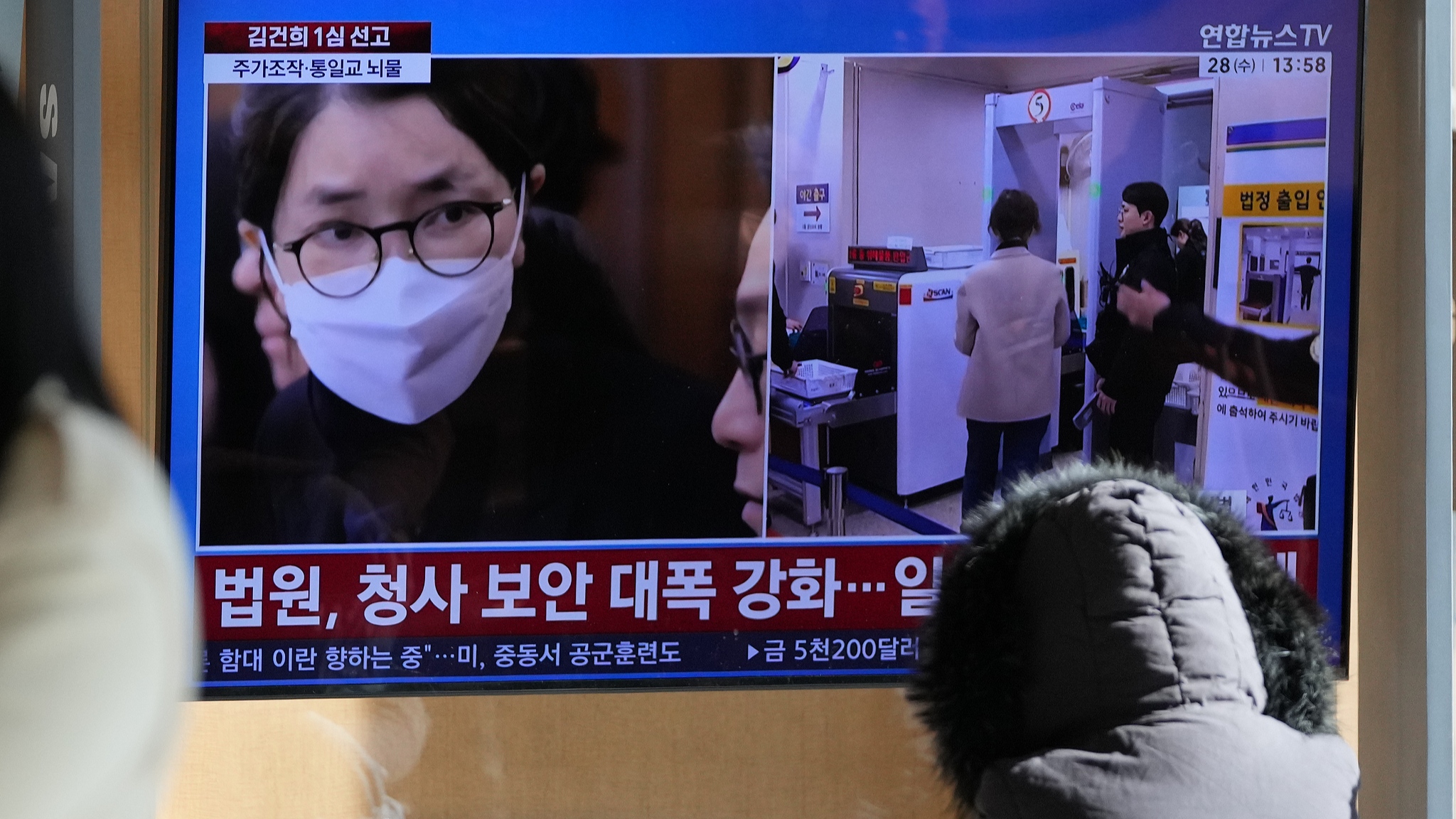
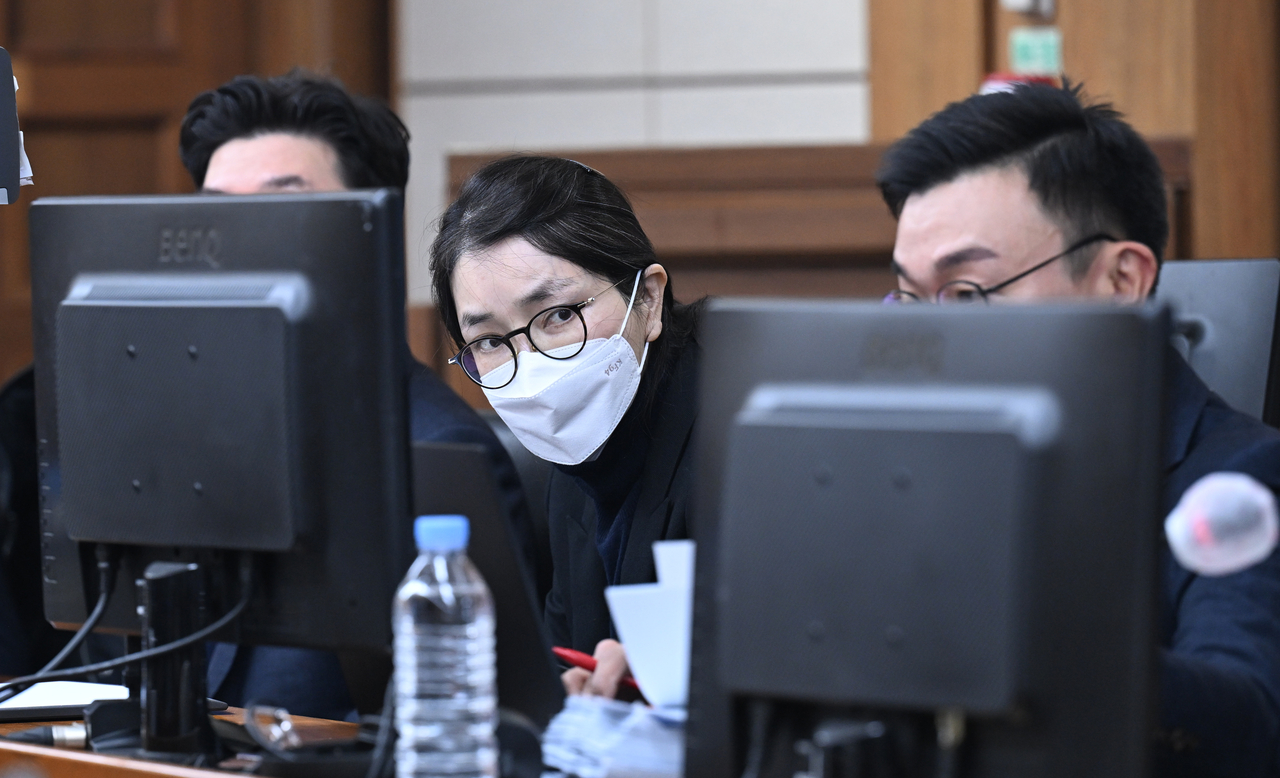
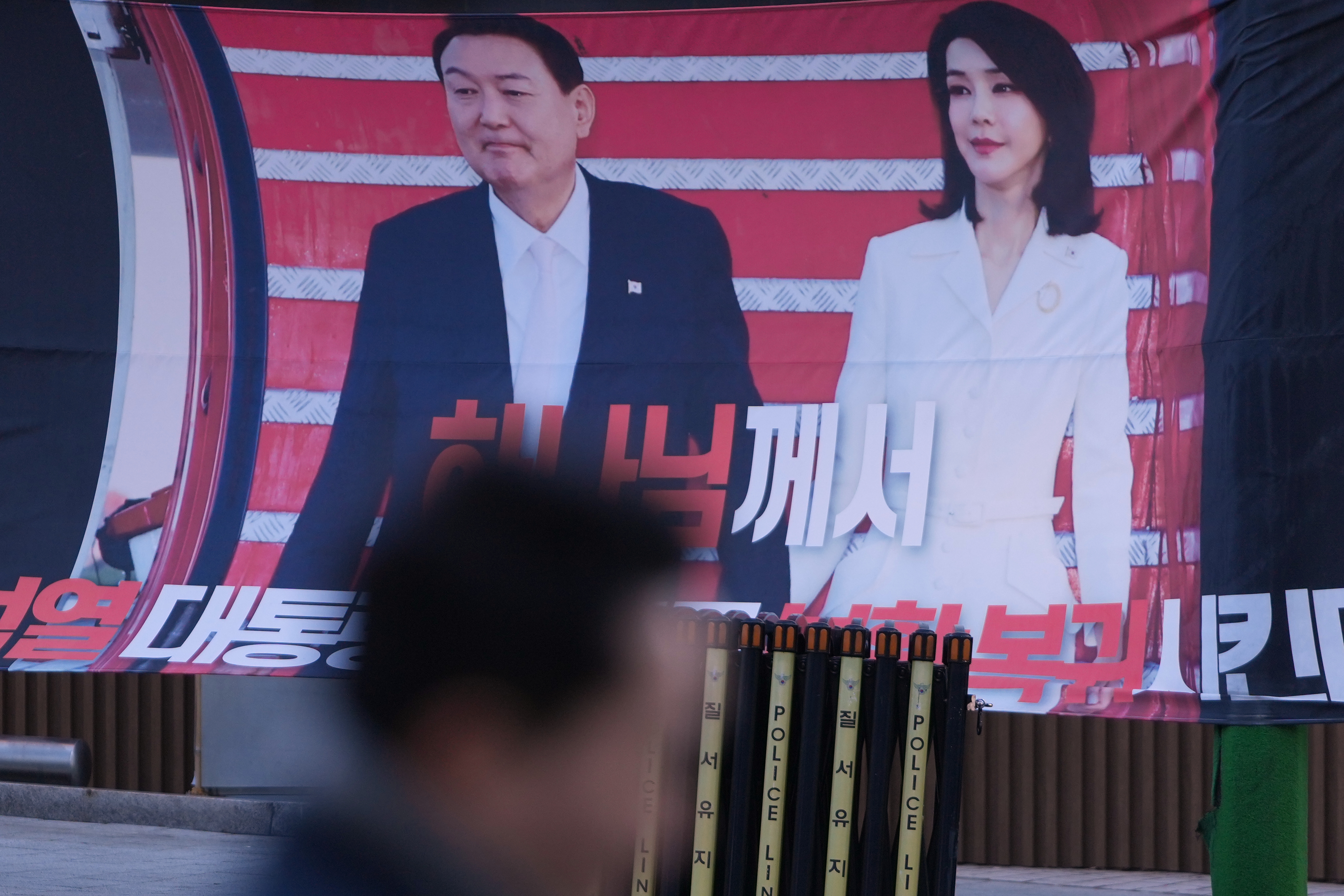
South Korea's conviction of former first lady Kim Keon Hee on bribery charges (January 28, 2026) represents a critical institutional signal for cross-border sellers operating in or sourcing from South Korea. The 20-month prison sentence, coupled with her husband former president Yoon Suk Yeol's pending verdict, exemplifies South Korea's normalized pattern of high-level political accountability—a practice established over less than 40 years of democratic governance. For e-commerce sellers, this institutional strength directly impacts business risk assessment, supply chain reliability, and market confidence.
Market Stability & Seller Confidence: South Korea's demonstrated judicial independence and anti-corruption enforcement mechanisms reduce political risk for sellers sourcing from Korean manufacturers and suppliers. The country's $1.8 trillion e-commerce market (2024) depends on predictable governance. Unlike nations where former leaders escape prosecution, South Korea's pattern of accountability signals transparent institutional frameworks that protect contract enforcement, intellectual property rights, and regulatory consistency—critical factors for cross-border sellers managing Korean suppliers, logistics partners, and payment processors. Sellers sourcing Korean beauty products, electronics, fashion, and home goods benefit from reduced political uncertainty affecting supply chain continuity.
Supply Chain & Sourcing Implications: Korean manufacturers and exporters operate within a governance environment where corruption risks are actively prosecuted at the highest levels. This institutional credibility extends to lower-level business operations, reducing fraud risk in supplier relationships. Sellers working with Korean 3PL providers, manufacturers, and payment processors can rely on stronger legal recourse mechanisms compared to markets with weaker institutional accountability. The normalization of political prosecution also signals South Korea's commitment to rule-of-law principles that protect foreign business interests and contract enforcement.
Consumer Confidence & Market Dynamics: Political stability strengthens consumer confidence in South Korea's domestic market, supporting demand for Korean-branded products on global e-commerce platforms. Korean beauty (K-beauty), electronics, and fashion categories generate significant cross-border sales volume. Institutional stability demonstrated through high-level prosecutions reinforces brand trust and purchasing behavior, benefiting sellers offering authentic Korean products on Amazon, eBay, Shopify, and regional marketplaces. The case also signals that South Korea maintains governance standards comparable to developed Western markets, supporting premium positioning of Korean brands in international markets.
Questions 8
How does South Korea's political corruption prosecution affect cross-border sellers sourcing from Korean suppliers?
South Korea's demonstrated pattern of prosecuting high-level officials—including the former first lady's 20-month sentence (January 2026)—signals strong institutional accountability and rule-of-law enforcement. For sellers sourcing Korean electronics, beauty products, and fashion items, this institutional strength reduces political risk and increases confidence in supplier reliability, contract enforcement, and regulatory consistency. Unlike markets with weaker governance, South Korea's normalized prosecution of corruption at the highest levels extends credibility to lower-level business operations, reducing fraud risk in supplier relationships and payment processing. Sellers can rely on stronger legal recourse mechanisms when disputes arise with Korean manufacturers or logistics partners.
How does South Korea's judicial independence impact supply chain risk for sellers using Korean 3PL providers and logistics partners?
South Korea's pattern of prosecuting corruption at the highest governmental levels (demonstrated by the former first lady's conviction) extends institutional credibility throughout the business ecosystem, including 3PL providers and logistics companies. Sellers using Korean fulfillment centers and shipping partners benefit from stronger legal frameworks protecting contract enforcement, liability claims, and dispute resolution. The normalized prosecution of political corruption signals that South Korea maintains rule-of-law principles that protect foreign business interests and reduce operational risk. Unlike markets with weaker institutional accountability, Korean logistics providers operate within governance environments where fraud, contract violations, and regulatory non-compliance face serious legal consequences, reducing seller exposure to supply chain disruptions.