


South Korea Political Corruption Case | Institutional Stability Signals for Cross-Border Sellers
- Former First Lady Kim Keon Hee sentenced to 20 months; demonstrates robust judicial independence affecting South Korea's business environment and seller confidence in the region
)











Overview
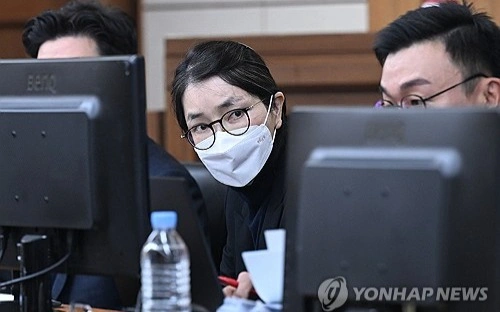
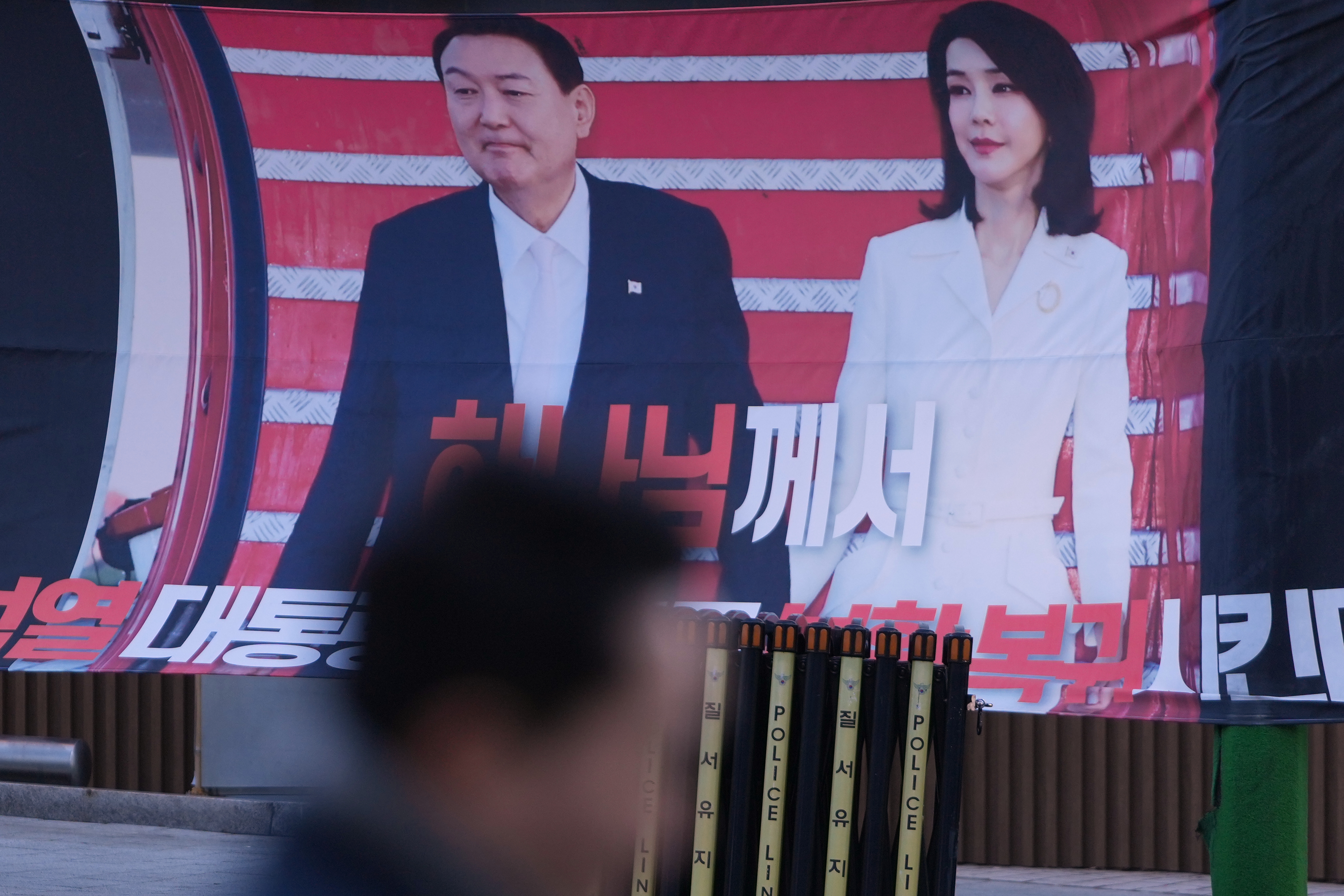
South Korea's conviction of former First Lady Kim Keon Hee on bribery charges (January 28, 2026) represents a critical institutional signal for cross-border sellers operating in or sourcing from South Korea. The 20-month prison sentence, combined with her husband former President Yoon Suk Yeol's pending verdict, exemplifies South Korea's normalized pattern of high-level political accountability—a practice established over the past 40 years since the country's democratic transition. This institutional maturity directly impacts seller operations through multiple channels.
Institutional Stability & Business Confidence: South Korea's demonstrated judicial independence and anti-corruption enforcement mechanisms signal a stable, rule-of-law environment for e-commerce operations. Unlike nations where political prosecutions remain rare or inconsistent, South Korea's precedent of holding senior officials accountable creates predictable regulatory frameworks. For sellers sourcing manufacturing from South Korean suppliers or operating through Korean e-commerce platforms (Coupang, Naver, Gmarket), this institutional strength reduces political risk and supply chain disruption. The normalization of accountability mechanisms suggests consistent enforcement of business regulations, contract law, and intellectual property protections—critical for cross-border sellers managing inventory and partnerships.
Supply Chain & Manufacturing Implications: South Korea ranks as the world's 6th largest exporter and a major source for electronics, cosmetics, fashion, and home goods categories. Political stability directly affects manufacturing reliability and export logistics. The judicial system's demonstrated strength in addressing corruption at governmental levels extends to commercial enforcement, reducing counterparty risk for sellers sourcing Korean-manufactured products. Sellers importing Korean beauty products, electronics components, or fashion items benefit from a business environment where regulatory capture and arbitrary enforcement are less likely. The case reinforces South Korea's reputation as a reliable sourcing destination compared to regions with weaker institutional checks.
Market Confidence & Consumer Spending: Political stability correlates with consumer confidence and spending patterns. South Korea's robust democratic institutions and transparent accountability mechanisms support domestic consumer purchasing power—critical for sellers targeting the Korean market through platforms like Coupang (which processes $40B+ annually) or Naver Shopping. When political uncertainty decreases, Korean consumers increase discretionary spending on imported goods, fashion, and lifestyle products. The normalization of political accountability reduces economic volatility that typically suppresses e-commerce spending during political crises.
Regulatory Predictability for Platform Operations: The case demonstrates South Korea's commitment to rule-of-law governance, which extends to e-commerce regulation. Sellers operating on Korean platforms or exporting to Korean consumers benefit from predictable tax enforcement, consumer protection standards, and intellectual property frameworks. The judicial system's independence suggests regulations will be applied consistently rather than arbitrarily, reducing compliance uncertainty and operational costs.
Questions 8
What is the connection between South Korea's political stability and e-commerce platform performance?
Political stability directly correlates with consumer confidence and discretionary spending. South Korea's robust democratic institutions and transparent accountability mechanisms support domestic purchasing power on platforms like Coupang (which processes $40B+ annually) and Naver Shopping. When political uncertainty decreases—as demonstrated by the normalization of judicial accountability—Korean consumers increase spending on imported goods, fashion, and lifestyle products. Sellers targeting the Korean market benefit from reduced economic volatility that typically suppresses e-commerce spending during political crises. The case reinforces investor and consumer confidence in South Korea's institutional stability.
How does South Korea's political corruption case affect cross-border sellers sourcing from the country?
South Korea's demonstrated judicial independence and normalized prosecution of high-level officials (exemplified by the January 28, 2026 conviction of former First Lady Kim Keon Hee) signals a stable, rule-of-law business environment. For sellers sourcing Korean-manufactured products—particularly electronics, cosmetics, and fashion—this institutional strength reduces political risk and supply chain disruption. The consistent enforcement of accountability mechanisms extends to commercial law and contract enforcement, lowering counterparty risk. Sellers can expect more predictable regulatory treatment and intellectual property protection compared to regions with weaker institutional checks, making South Korea a reliable sourcing destination.