




China's Military Leadership Crisis Creates Supply Chain Risk Window for Cross-Border Sellers
- 60+ senior officers purged since mid-2023; governance uncertainty threatens logistics, customs enforcement, and export policy stability through 2026





Overview
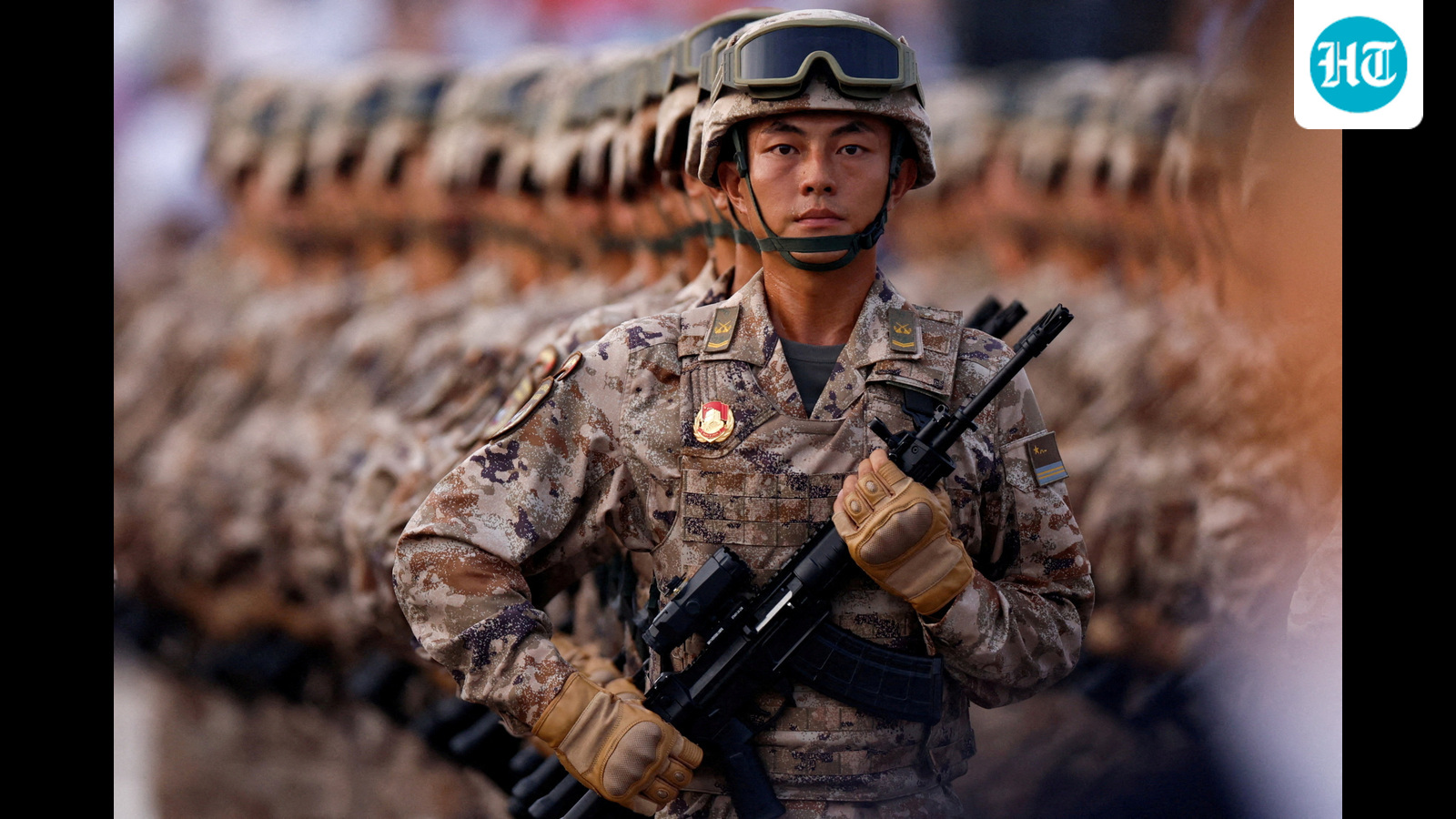
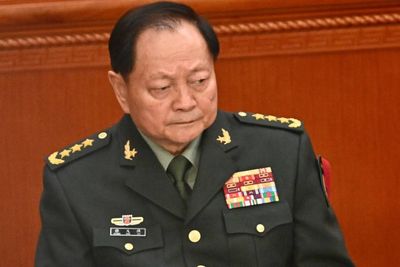
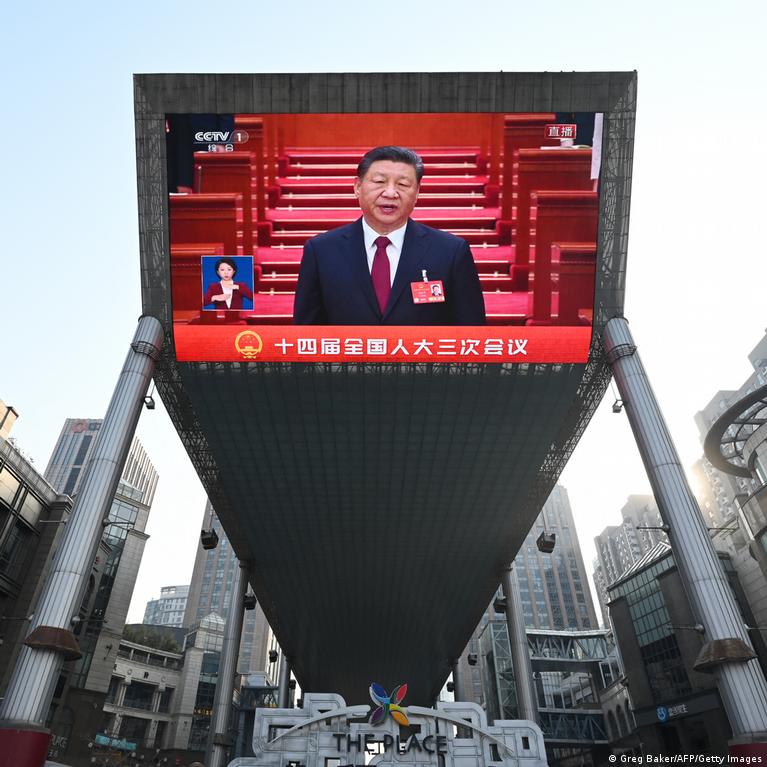
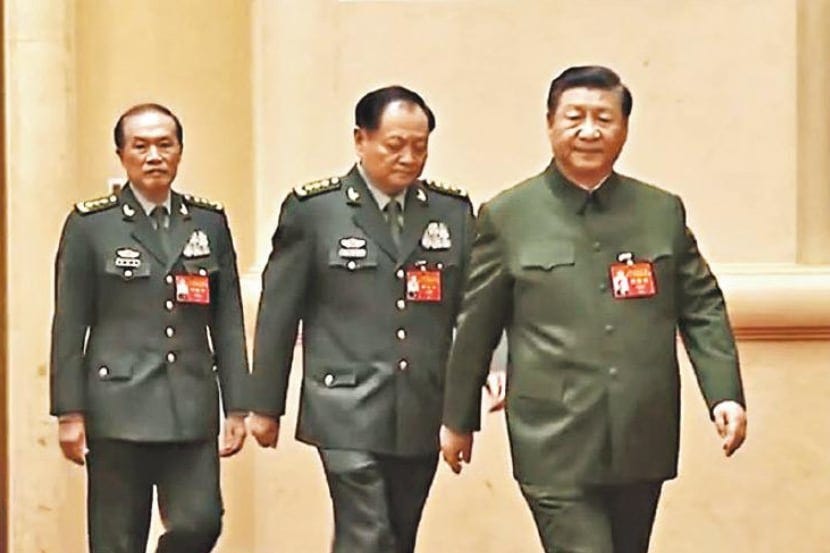
China's unprecedented military purge—affecting 60+ senior officers and defense-industry executives since mid-2023, with Vice Chairman Zhang Youxia's January 2026 investigation marking the highest-profile removal—creates a critical 12-18 month window of governance uncertainty that directly impacts cross-border e-commerce supply chains, customs operations, and export policy enforcement. This represents the largest military restructuring since Mao's death, with at least one in five three-star generals dismissed or investigated, leaving China's Central Military Commission with minimal experienced leadership and only one active general (Zhang Shengmin) advising Xi Jinping.
For cross-border sellers, this governance instability translates into three concrete operational risks and opportunities: First, customs enforcement inconsistency—with military-linked anti-corruption investigations consuming administrative resources and creating leadership vacancies across China's defense-industrial complex, customs agencies may experience delayed policy implementation, reduced inspection rigor, and slower tariff classification decisions. Sellers shipping electronics, machinery, and defense-adjacent categories (HS codes 8471-8544, 8701-8716) should expect 2-4 week processing delays at Chinese ports through Q2 2026, creating arbitrage opportunities for sellers using alternative sourcing routes (Vietnam, India, Taiwan) that bypass congested Chinese export channels. Second, logistics infrastructure vulnerability—the purge's focus on defense-industry executives signals potential disruptions to state-owned logistics providers (China State Shipping, China Ocean Shipping) that coordinate military supply chains. Sellers relying on these providers for bulk shipments should diversify to private 3PLs (DHL, Maersk, CMA CGM) immediately, as military-linked logistics may face operational constraints during the 18-month restructuring period. Third, export policy uncertainty—with Xi consolidating power through loyalty purges rather than institutional reform, export regulations may shift unpredictably. The Economist's analysis notes that Xi's anti-corruption campaign reflects "institutional factors, bureaucratic resistance, and entrenched interests" that complicate policy implementation, suggesting sellers should expect 30-60 day delays in new export licensing decisions and potential retroactive tariff adjustments on categories under investigation.
Strategic opportunity window: January 2026 through June 2027. Sellers can exploit this period by (1) shifting 20-30% of inventory sourcing from China to Vietnam and India, where governance is more stable and tariff rates are lower (Vietnam: 5-8% average vs. China's 12-15% on electronics); (2) pre-positioning inventory in Singapore and Hong Kong free trade zones to avoid Chinese port congestion; (3) accelerating customs clearance for high-margin categories before potential policy tightening in Q3 2026. The 17-month U.S.-China military communication freeze following Nancy Pelosi's Taiwan visit indicates elevated geopolitical risk, making supply chain diversification a compliance necessity rather than optional optimization.
Questions 7
How should sellers adjust their 3PL and logistics provider strategy during this governance uncertainty?
Shift 40-50% of shipments from state-owned Chinese logistics providers (China State Shipping, China Ocean Shipping) to private international carriers (DHL, Maersk, CMA CGM, FedEx) by March 2026. State-owned providers may face operational constraints due to military-linked supply chain disruptions and leadership vacancies. Private carriers offer more stable service levels and faster customs clearance through established compliance procedures. Cost increase: $500-1,200 per 40-foot container, but offset by 10-14 day reduction in port processing time and reduced risk of unexpected delays. Negotiate 12-month contracts with private 3PLs to lock in rates before other sellers increase demand. Maintain 20% of shipments through state-owned providers to preserve relationships and monitor service recovery as governance stabilizes in Q4 2026.
Which alternative sourcing countries offer the best tariff rates and governance stability?
Vietnam and India offer the strongest combination of low tariffs and governance stability. Vietnam's average tariff rates are 5-8% on electronics versus China's 12-15%, with more predictable customs enforcement and no military-linked supply chain disruptions. India offers similar tariff advantages (6-9%) plus access to skilled manufacturing in textiles, pharmaceuticals, and electronics. Taiwan provides 4-7% tariff rates and excellent governance but faces geopolitical risk due to China tensions. For immediate diversification (January-March 2026), prioritize Vietnam for electronics and machinery; India for textiles and consumer goods; Taiwan for high-tech components. This three-country strategy reduces China exposure by 30-40% while improving margins by 8-12% through tariff arbitrage.