




Tesla TeraFab & xAI Investment | Supply Chain Reshoring Impact for E-Commerce Sellers
- $2B+ capital deployment signals semiconductor supply tightening; sellers sourcing IoT/smart devices face 8-15% component cost increases by 2027-2028











Overview
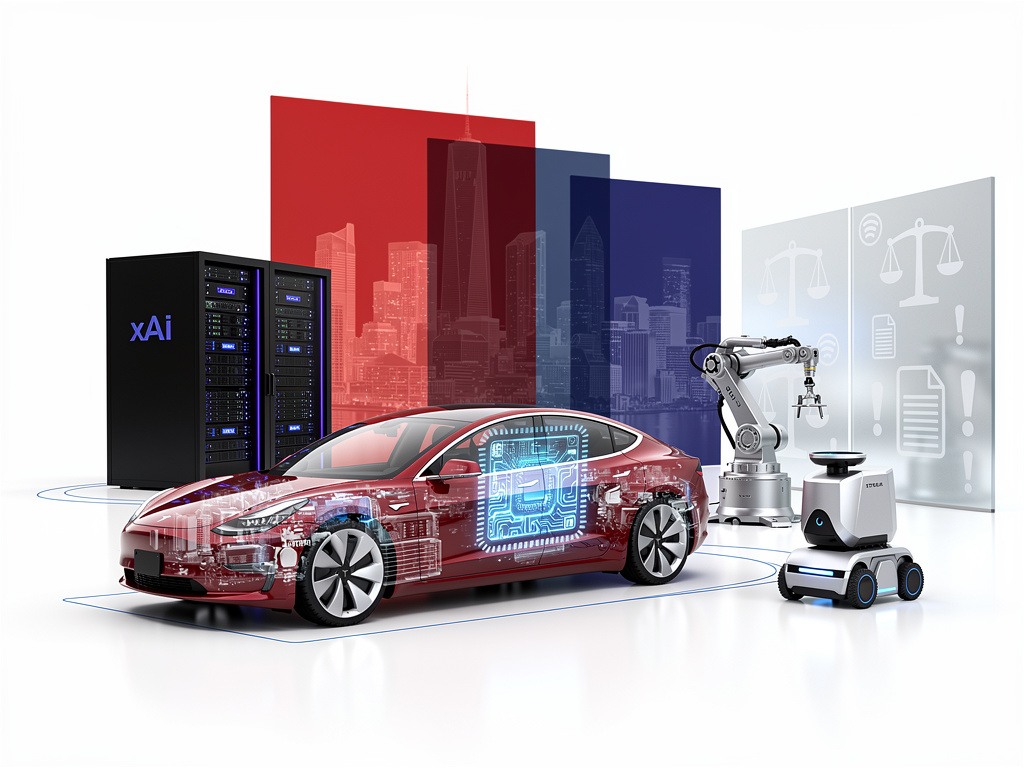
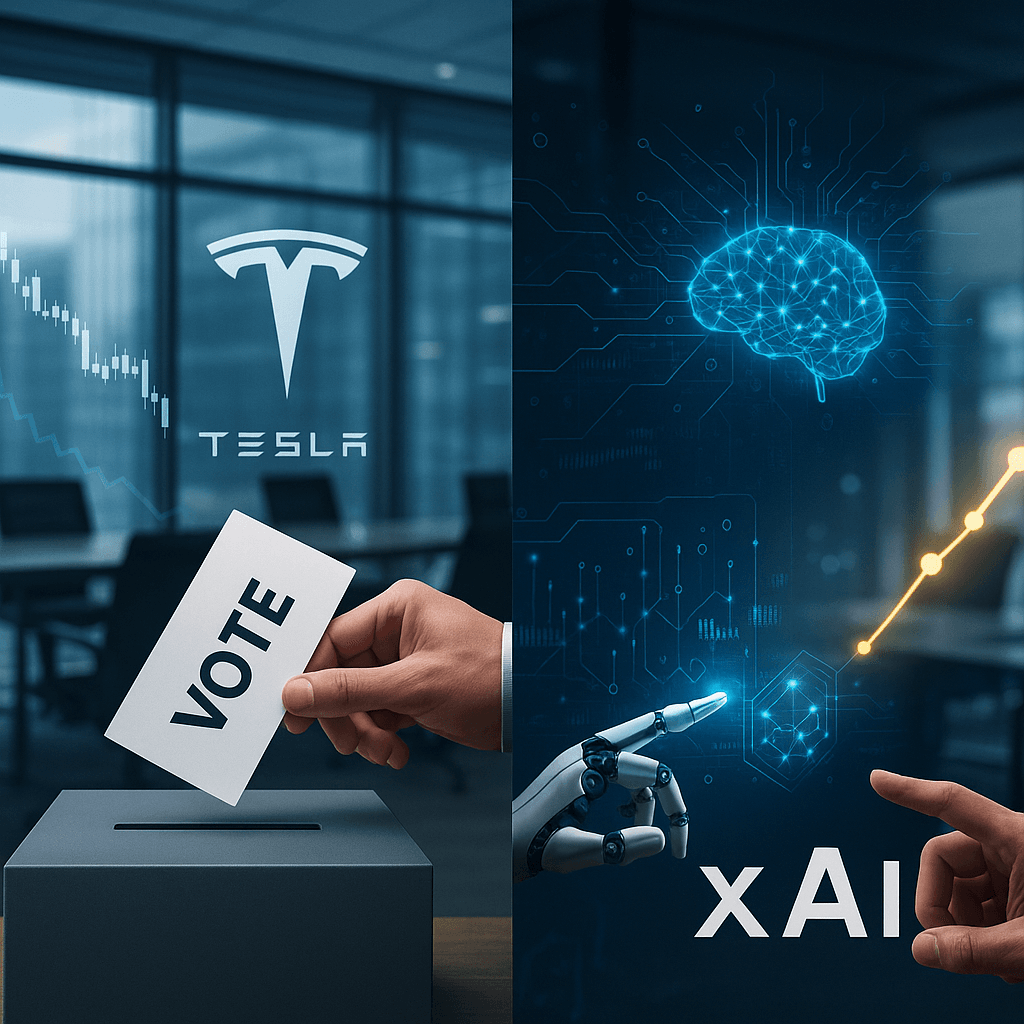
Tesla's January 28, 2026 announcements reveal a critical supply chain inflection point for cross-border e-commerce sellers. The company's dual commitment—building TeraFab semiconductor manufacturing facility and investing $2B in xAI—signals accelerating vertical integration among major tech corporations, fundamentally reshaping component availability and pricing for sellers dependent on semiconductor-based products.
The TeraFab facility represents a multi-billion dollar domestic manufacturing operation covering logic chips, memory production, and packaging—addressing anticipated supply constraints in 3-4 years (2029-2030). This move reflects broader industry reshoring trends where Apple, Intel, Samsung, and TSMC are all expanding US/allied manufacturing capacity. For e-commerce sellers, this creates a critical sourcing window: component availability will tighten significantly as major OEMs secure captive supply. Sellers currently sourcing IoT devices, smart home products, automotive electronics, and AI-enabled gadgets should expect 8-15% component cost increases by 2027-2028 as competition for remaining third-party semiconductor capacity intensifies. The announcement explicitly signals Tesla's confidence in long-term demand, validating aggressive inventory positioning in these categories NOW.
Tesla's $2B xAI investment (part of $20B Series E funding round) accelerates AI infrastructure buildout, with direct implications for seller technology costs. The framework agreement between Tesla and xAI, combined with Grok integration into vehicle infotainment systems, demonstrates how AI capabilities are becoming embedded in consumer products. However, regulatory scrutiny—European Commission investigations, California DOJ action, Malaysia/Indonesia suspensions of Grok—creates compliance risks for sellers using AI-generated content. Sellers leveraging AI for product descriptions, images, or customer service must audit compliance with emerging deepfake/synthetic media regulations across EU, California, Australia, India, and France. The $20B capital flowing into AI infrastructure suggests technology costs will initially rise (2026-2027) before declining as competition increases, creating a 12-18 month window where AI tool pricing remains elevated.
Logistics implications are substantial: semiconductor supply concentration among vertically integrated players (Tesla, Apple, Samsung) will reduce availability for mid-market sellers. Sellers should immediately audit component dependencies and shift sourcing strategies toward: (1) alternative suppliers in Japan, South Korea, Taiwan not yet captured by major OEMs; (2) product categories with longer component lifecycles (industrial IoT, commercial electronics) where supply remains more stable; (3) inventory pre-positioning in US/EU warehouses before 2027 supply tightening. The reshoring trend also creates opportunity: sellers can source from emerging US semiconductor assembly/packaging operations (Arizona, Texas facilities) to reduce tariff exposure and improve landed costs for US-destined inventory.
Questions 8
How will Tesla's TeraFab semiconductor facility impact component costs for e-commerce sellers?
Tesla's TeraFab facility, announced for production in 3-4 years (2029-2030), will reduce third-party semiconductor availability as major OEMs secure captive supply. Industry analysis suggests sellers sourcing IoT devices, smart home products, and automotive electronics should expect 8-15% component cost increases by 2027-2028 as competition for remaining semiconductor capacity intensifies. The facility signals Tesla's confidence in long-term demand, validating aggressive inventory positioning in these categories immediately. Sellers should begin diversifying suppliers toward Japanese, South Korean, and Taiwanese manufacturers not yet captured by major OEMs to mitigate cost exposure.
Which product categories face the highest component cost risk from semiconductor supply constraints?
Four categories face 10-15% cost increases by 2027-2028: (1) IoT/smart home devices (smart speakers, thermostats, security systems) requiring logic chips and memory; (2) Automotive electronics and dash cams dependent on specialized automotive-grade semiconductors; (3) AI-enabled gadgets (smart displays, voice assistants) requiring advanced processors; (4) Wearable devices and fitness trackers using low-power chips. Industrial IoT and commercial electronics face lower risk due to longer component lifecycles and less competition from major OEMs. Sellers should prioritize inventory pre-positioning in these four high-risk categories while considering product mix shifts toward lower-component-dependency items (apparel, home goods, accessories).