






Microsoft Azure Growth Slows | Cloud Pricing Pressure Ahead for E-Commerce Sellers
- Microsoft's $37.5B capex surge (66% YoY) creates cloud cost uncertainty for 50K+ cross-border sellers relying on Azure infrastructure

























Overview
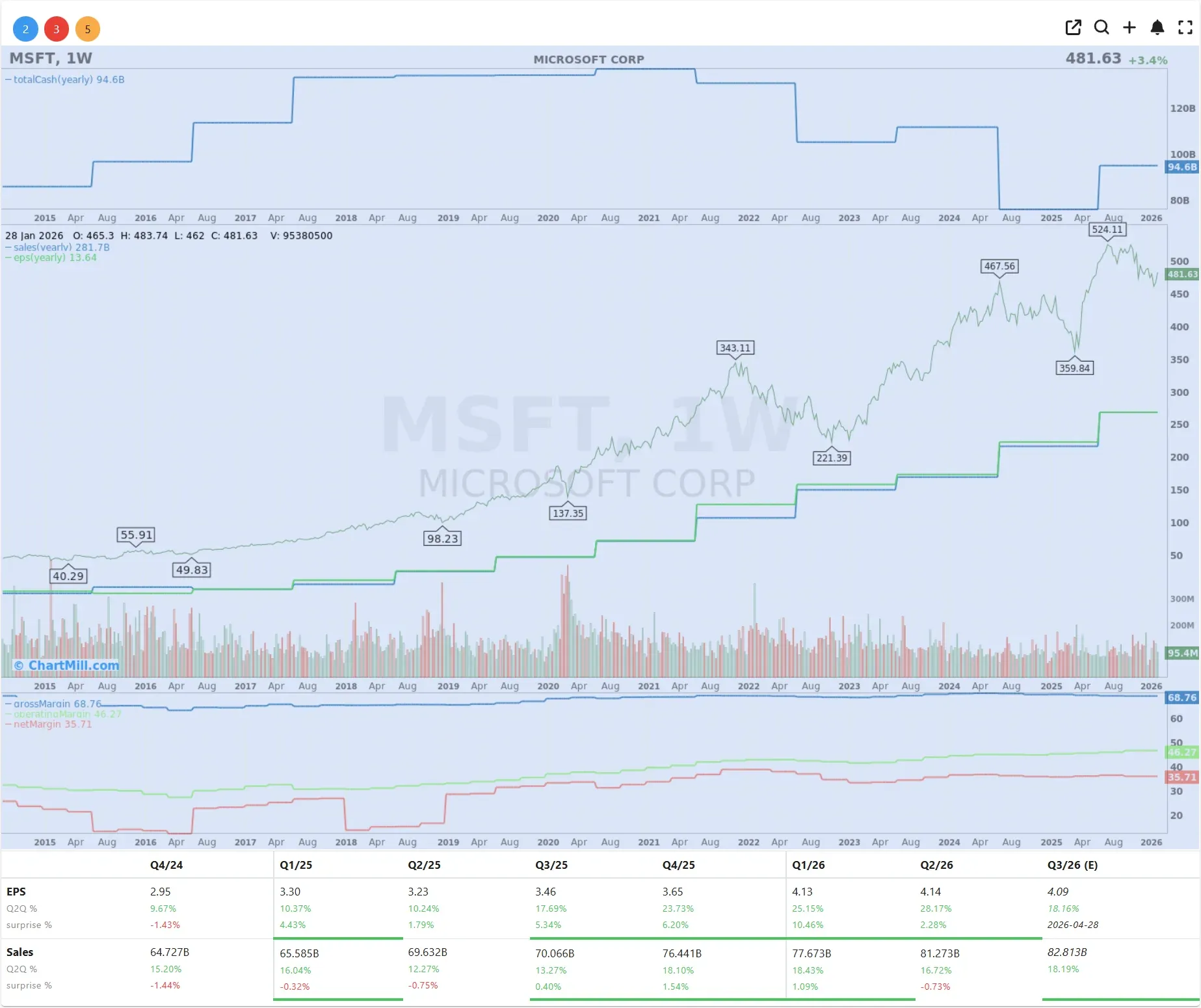
Microsoft's January 28, 2026 earnings reveal a critical infrastructure investment paradox affecting cloud-dependent e-commerce sellers globally. Despite beating headline expectations with $81.3B in Q2 revenue, Microsoft's stock plummeted 6-11% as investors questioned the return on investment from aggressive AI infrastructure spending. The core tension: Microsoft's capital expenditure surged 66% year-over-year to $37.5B (including finance leases), while Azure cloud growth decelerated to 38-39% year-over-year—below the 40%+ growth rates investors expected given the massive spending increase.
For cross-border e-commerce sellers, this earnings miss signals potential pricing pressure and service availability constraints ahead. Azure powers critical e-commerce infrastructure including payment processing systems, logistics optimization tools, and marketplace platforms globally. The slower growth trajectory combined with elevated capex suggests Microsoft may face margin compression, potentially leading to price increases for cloud services that sellers depend on for operations.
The GPU capacity constraint is the hidden driver of this slowdown. Microsoft faces severe supply limitations from Nvidia and other chip manufacturers, forcing difficult resource allocation decisions. CFO Amy Hood explicitly stated that prioritizing graphics processing units for external cloud customers would reduce capacity for internal product development teams. This means Microsoft is deliberately constraining Azure growth to preserve GPU resources for internal AI initiatives (Copilot, OpenAI partnership), creating artificial scarcity in cloud capacity. Microsoft guided for 37-38% Azure growth in Q1 2026, characterizing this as "allocated capacity rather than maximum potential growth"—a clear signal that supply constraints, not demand weakness, are limiting expansion.
Competitive dynamics are shifting in sellers' favor short-term, but creating long-term uncertainty. Amazon's stock remained flat while Alphabet gained 1.5% in extended trading, suggesting investors perceive better cloud performance prospects from Google Cloud and AWS. This competitive pressure may force Microsoft to maintain pricing discipline in the near term to defend market share. However, the market's negative reaction to earnings despite operational strength indicates investor skepticism about cloud infrastructure profitability, which could eventually translate to aggressive pricing strategies once capacity constraints ease.
The broader industry pattern is concerning for sellers relying on cloud infrastructure. All hyperscalers (Microsoft, Amazon, Google) are engaged in "substantial capital expenditure battles" to secure computational resources for AI dominance. This arms race means cloud pricing power remains uncertain—vendors may absorb costs short-term to maintain market share, but long-term profitability pressures could force price increases. Sellers using Azure for critical operations should monitor quarterly guidance closely and evaluate alternative cloud providers (AWS, Google Cloud) as contingency options.
Questions 7
What does Microsoft's capex surge mean for e-commerce platform reliability and service availability?
Microsoft's 66% year-over-year capex increase to $37.5B reflects aggressive data center expansion to support AI workloads. This investment should eventually translate to enhanced service capabilities, improved reliability, and new AI-powered tools for business optimization. However, the market's negative reception suggests investor skepticism about near-term profitability, which could delay service improvements. Sellers relying on Azure for critical operations (payment processing, logistics optimization) should monitor quarterly earnings reports for updates on service expansion timelines and capacity availability in their regions.
How will Microsoft's slower Azure growth affect cloud pricing for e-commerce sellers?
Microsoft's 38-39% Azure growth—below investor expectations despite $37.5B capex spending—signals potential pricing pressure ahead. The company faces GPU capacity constraints that are deliberately limiting growth to preserve resources for internal AI initiatives. Short-term, competitive pressure from AWS and Google Cloud may keep prices stable as Microsoft defends market share. However, long-term profitability concerns could force price increases once capacity constraints ease. Sellers should expect 5-15% pricing adjustments within 12-18 months and should evaluate alternative cloud providers (AWS, Google Cloud) as contingency options to negotiate better rates.