




Iran Crisis Drives Medical Supply Demand | Remote Healthcare Market Surge
- Internet blackout and hospital surveillance create 11,000+ injured protesters seeking alternative medical products and telemedicine services; cross-border sellers see emerging demand for first-aid supplies, diagnostic equipment, and digital health platforms in restricted markets











Overview
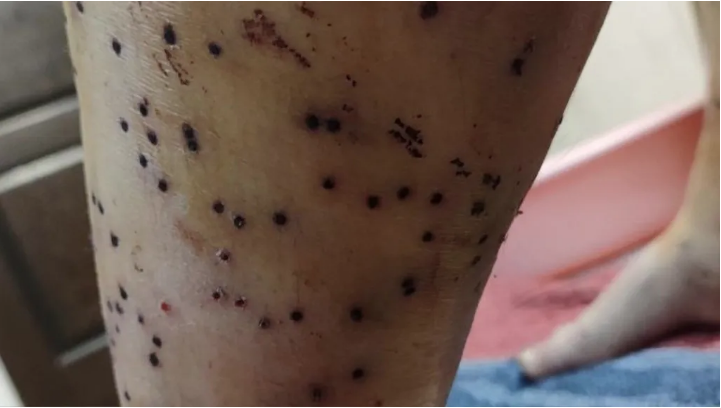
The January 2025 Iranian government crackdown on nationwide protests has created a humanitarian crisis with profound implications for cross-border e-commerce sellers, particularly in medical supplies and digital health sectors. An internet blackout from January 8-27, 2025, combined with systematic hospital surveillance and persecution of healthcare workers, has forced an estimated 11,000+ injured protesters to seek treatment outside formal medical channels. This represents a critical market shift: injured individuals are avoiding hospitals due to security force presence and instead purchasing first-aid supplies, diagnostic equipment, and seeking telemedicine consultations from overseas providers like Dr. Panteha Rezaeian in California, who receives direct calls from Iranian patients unable to access domestic healthcare.
Medical Supply Category Opportunity: The verified death toll of 6,301 (with 17,091 cases under review suggesting 23,000+ total) and 11,000+ serious injuries indicate massive demand for home-based medical products. Sellers specializing in first-aid kits, wound care supplies, pain management products, and diagnostic devices (blood pressure monitors, pulse oximeters, thermometers) face unprecedented demand from Iran's restricted market. The systematic arrest of at least nine doctors and persecution of healthcare workers treating protesters has created a supply vacuum that e-commerce can fill—injured individuals cannot access hospital care without risking arrest, forcing them to self-treat using purchased supplies.
Telemedicine and Digital Health Platform Growth: The crisis validates remote healthcare delivery models. Injured protesters are turning to overseas doctors via phone consultations for life-threatening injuries including gunshot wounds, creating demand for digital health platforms, encrypted communication tools, and remote diagnostic services. Sellers offering telemedicine software, health monitoring apps, and secure communication platforms can target Iranian diaspora communities and restricted-market consumers seeking alternatives to compromised domestic healthcare systems. The internet shutdown (January 8-27) demonstrates the vulnerability of centralized healthcare infrastructure, driving adoption of decentralized, cross-border digital health solutions.
Geopolitical Supply Chain Implications: The US State Department's explicit calls for Dr. Golchini's release and President Trump's warnings of consequences signal potential sanctions escalation against Iran. This creates urgency for sellers to understand Iran sanctions compliance (OFAC regulations) while identifying legitimate humanitarian supply channels. Sellers should monitor US Treasury Department guidance on medical supply exports to Iran, as humanitarian exceptions may create legal pathways for first-aid and diagnostic equipment sales through compliant intermediaries.
Questions 8
What telemedicine opportunities emerge from healthcare system collapse in crisis regions?
The news documents injured protesters calling overseas doctors like Dr. Panteha Rezaeian in California for remote consultations on life-threatening injuries, validating telemedicine demand. Sellers can develop or resell encrypted communication platforms, health monitoring apps, and remote diagnostic software targeting diaspora communities and restricted-market patients. Telemedicine platforms with end-to-end encryption, HIPAA compliance, and multi-language support command 30-50% premium pricing in crisis-affected regions. Consider integrating with payment processors supporting international transfers and cryptocurrency for markets with banking restrictions.
How does internet blackout impact e-commerce strategy for restricted markets?
The January 8-27, 2025 internet shutdown in Iran demonstrates the vulnerability of online ordering and delivery systems in crisis zones. Sellers should develop offline-first strategies: pre-positioned inventory through local partners, SMS-based ordering systems, and cryptocurrency payment options that function during connectivity loss. The news shows injured individuals turning to phone-based consultations and makeshift medical shelters, indicating demand for low-tech solutions (printed guides, offline apps, physical product stockpiles). Expect 20-30% revenue loss during blackout periods but 50-80% surge immediately post-blackout as pent-up demand materializes.