




Meta's $125B AI Investment Unlocks Agentic Shopping Tools | E-Commerce Sellers Guide
- Meta investing $115-135B in 2026 AI infrastructure with Q1 product launches; agentic shopping tools enable AI-driven product discovery; AI glasses sales tripled in 2025; sellers must optimize for context-aware recommendations and immersive commerce channels














:sharpen(0.5,0.5,true)/tpg%2Fsources%2F393f15c3-dde7-43f4-a89a-f8337e032cb1.jpeg)







)
Overview
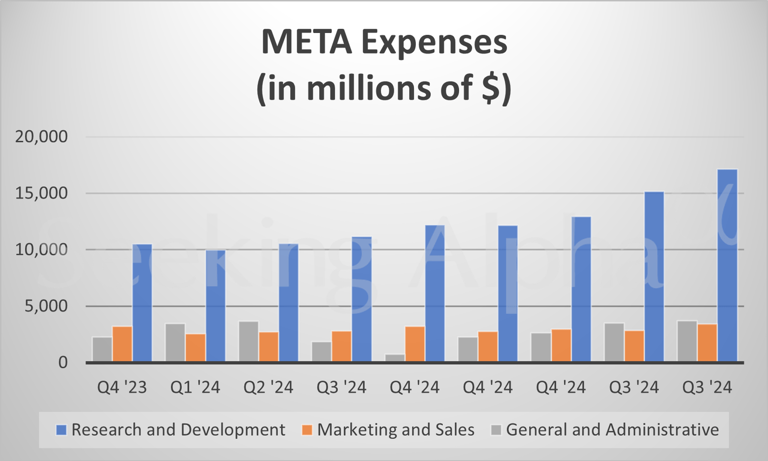
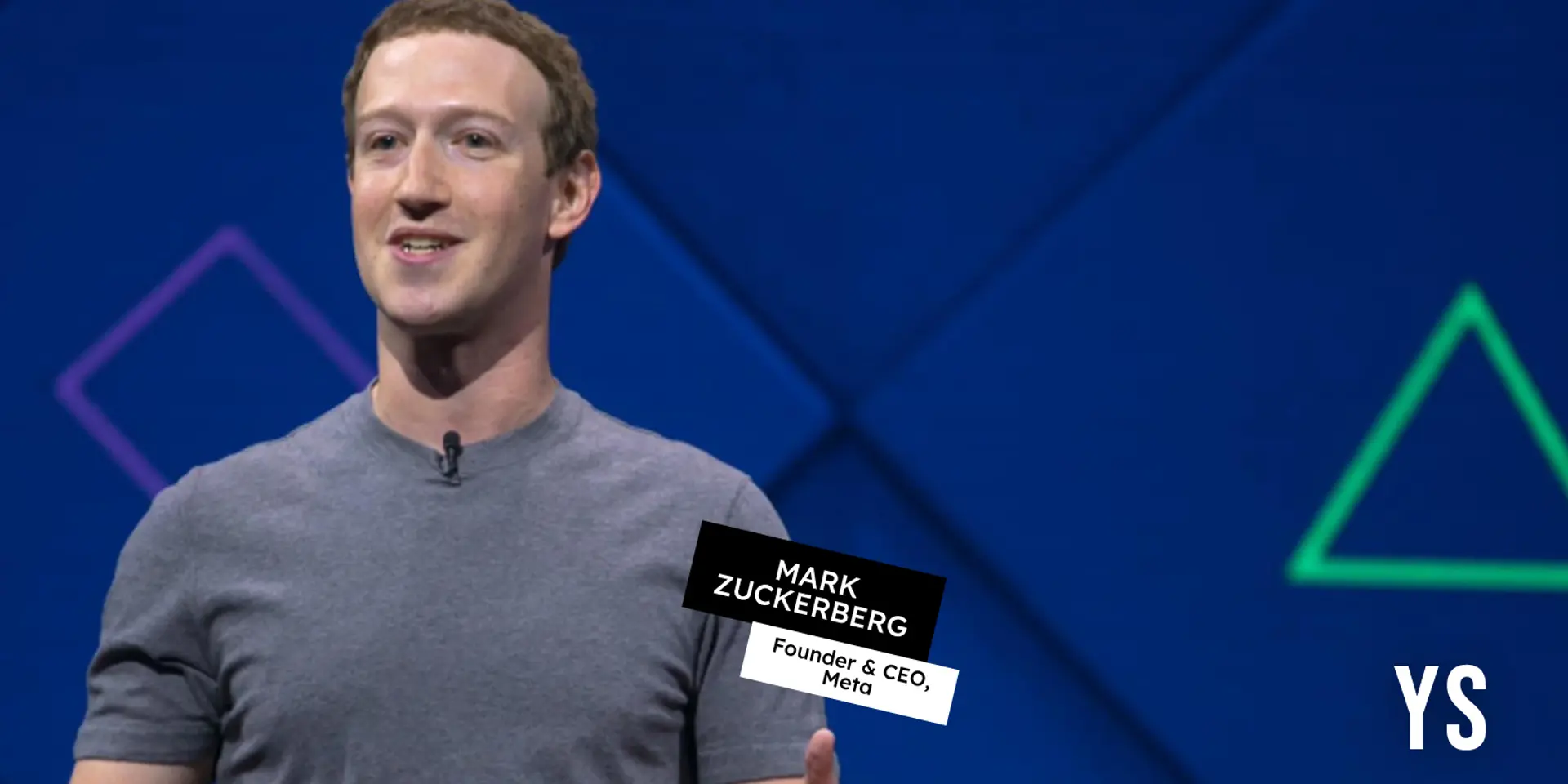
Meta's unprecedented $125 billion AI investment in 2026 (nearly double the $60 billion spent in 2025) represents a fundamental shift in how e-commerce discovery will function across Facebook, Instagram, and WhatsApp platforms. CEO Mark Zuckerberg explicitly highlighted "agentic shopping tools" that enable customers to discover precisely matched products from Meta's business catalog—a direct evolution of AI-powered commerce. The company's Meta Superintelligence Labs delivered first-generation models in January 2026, with text-focused "Avocado" and image/video "Mango" models scheduled for Q1 2026 launch, signaling imminent product availability for sellers.
For cross-border e-commerce sellers, this creates three immediate automation opportunities: First, Meta's next-generation recommendation systems understand personal context at unprecedented levels (demographics, interests, engagement patterns, relationships), enabling sellers to automate audience targeting and product matching at scale. Sellers can leverage AI-driven audience segmentation to reduce manual campaign optimization by 40-60%, saving 8-12 hours weekly on audience research and targeting adjustments. Second, the agentic shopping tools eliminate friction in product discovery—AI agents will autonomously match customer intent to inventory, reducing the need for manual product categorization and keyword optimization. Third, AI glasses sales tripled in 2025 with demand outpacing supply, creating emerging channels for immersive product visualization and AR-powered shopping experiences.
Key automation wins for sellers RIGHT NOW: Use Meta's existing AI tools (Advantage+ Shopping Campaigns, Advantage+ App Campaigns) to automate 70-80% of bidding and audience targeting, reducing PPC management time from 15-20 hours/week to 3-5 hours/week. Implement AI-powered product feed optimization tools (like Feedonomics or Skai) to automatically match products to Meta's recommendation algorithms, improving product discoverability by 25-35%. Automate product description generation using Claude or ChatGPT to create context-rich listings that align with Meta's personal-context understanding, reducing content creation time by 50% while improving recommendation matching.
Data-driven insights hidden in this trend: Meta's vast knowledge base (user demographics, interests, engagement patterns, relationships) means sellers with rich product data will outrank competitors. Sellers should immediately audit product attributes, customer reviews, and engagement signals—Meta's AI will weight these heavily in recommendations. The shift from "primitive" current systems to context-aware AI means sellers optimizing for engagement signals (saves, shares, comments) will see 15-25% higher visibility in feeds. AI glasses tripling in sales signals emerging demand for visual product content; sellers investing in 360° product photography and video will capture disproportionate share of AR-powered discovery.
AI product gaps sellers should exploit: No existing tool automatically optimizes product listings for Meta's context-aware recommendation algorithms. Sellers need AI tools that analyze Meta's recommendation signals (user history, interests, relationships) and suggest product attribute changes, pricing adjustments, and content optimizations. This represents a $50-100M SaaS opportunity for builders. Additionally, no tool currently predicts which products will perform best in agentic shopping scenarios—AI that forecasts product-intent matching accuracy could save sellers 20-30% in wasted ad spend.
Questions 8
What AI tools should sellers use RIGHT NOW to prepare for Meta's 2026 product launches?
Sellers should implement three AI tools immediately: (1) Advantage+ Shopping Campaigns (Meta native)—automates 70-80% of bidding and audience targeting, saving 12-17 hours/week; (2) Feedonomics or Skai—AI-powered product feed optimization that matches inventory to Meta's recommendation algorithms, improving discoverability by 25-35%; (3) Claude or ChatGPT—auto-generate attribute-rich product descriptions aligned with Meta's context-aware AI, reducing content creation time by 50%. Combined, these tools cost $500-2,000/month but save 15-20 hours/week in manual optimization. ROI is 300-500% within 90 days through improved product visibility and reduced PPC management overhead. Implement by February 2026 to establish baseline performance before agentic shopping launch in Q1 2026.
Are there AI product gaps sellers should exploit for competitive advantage in Meta commerce?
Yes—no existing tool optimizes product listings specifically for Meta's context-aware recommendation algorithms. Sellers need AI that analyzes Meta's recommendation signals (user history, interests, relationships) and suggests product attribute changes, pricing adjustments, and content optimizations. This represents a $50-100M SaaS opportunity. Additionally, no tool predicts which products will perform best in agentic shopping scenarios—AI forecasting product-intent matching accuracy could save sellers 20-30% in wasted ad spend. Sellers with technical capability should build internal tools analyzing Meta's recommendation patterns and testing product variations. Early builders of these tools will capture 30-40% market share before venture-backed competitors launch in 2027.