




Valve's Tech Revolution: Breaking Hardware Barriers with Open-Source Emulation
- Transforming Gaming Compatibility Through Innovative Software Layers for Developers and Hardware Manufacturers












Overview
Valve is pioneering a radical transformation in software compatibility, leveraging open-source technologies to demolish traditional hardware architecture barriers. By developing tools like FEX and Lepton, the company is creating a new paradigm of cross-platform interoperability that could fundamentally reshape how software runs across different computing environments.
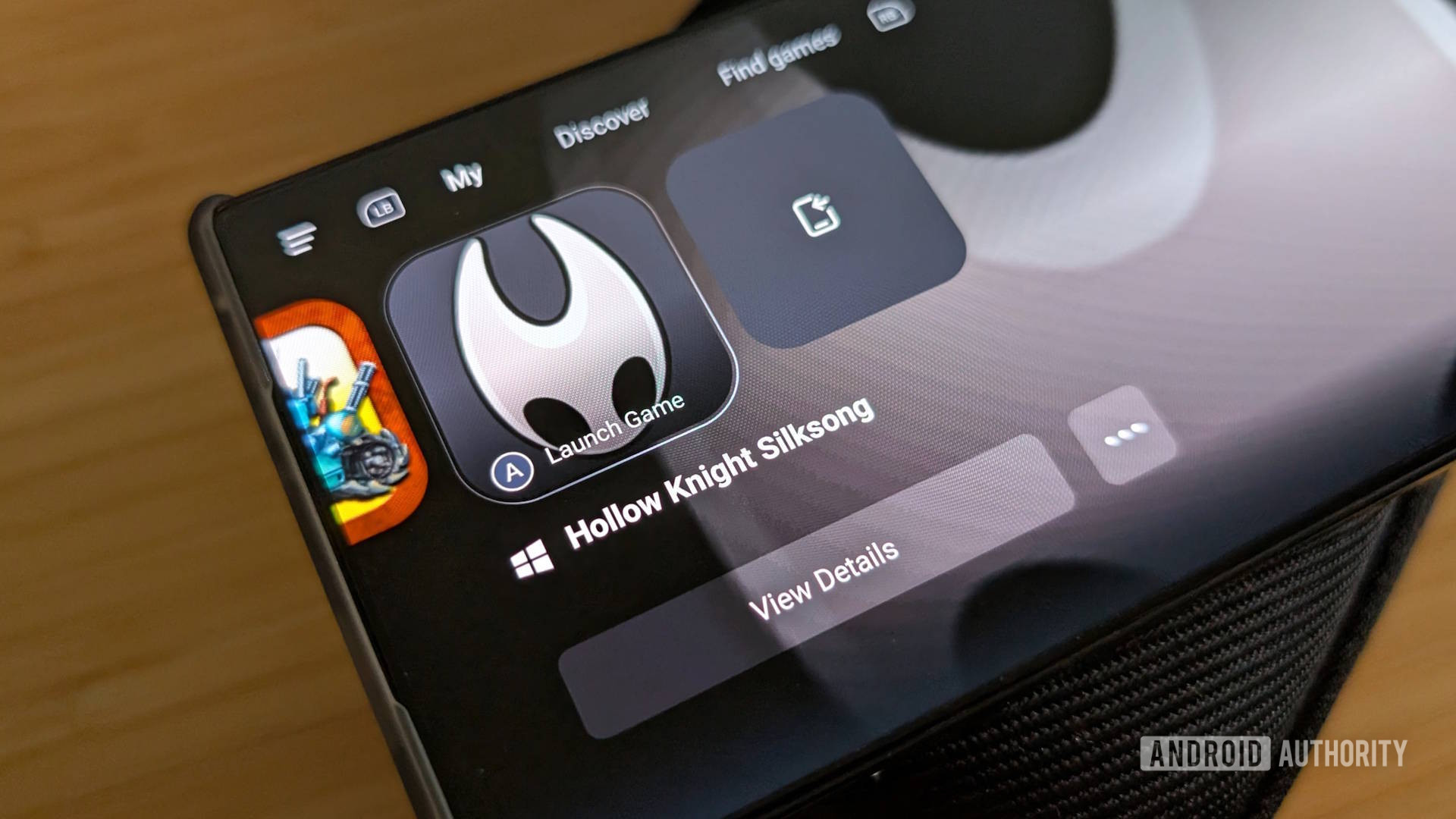
The strategic core of Valve's approach lies in platform-agnostic compatibility, enabling developers to create applications that can seamlessly run across ARM, x86, and Linux platforms without extensive reengineering. Projects like Proton and the newly developed Lepton Android compatibility layer demonstrate a systematic approach to breaking down technological silos. This isn't just about gaming—it's about creating a more flexible, adaptable software ecosystem.
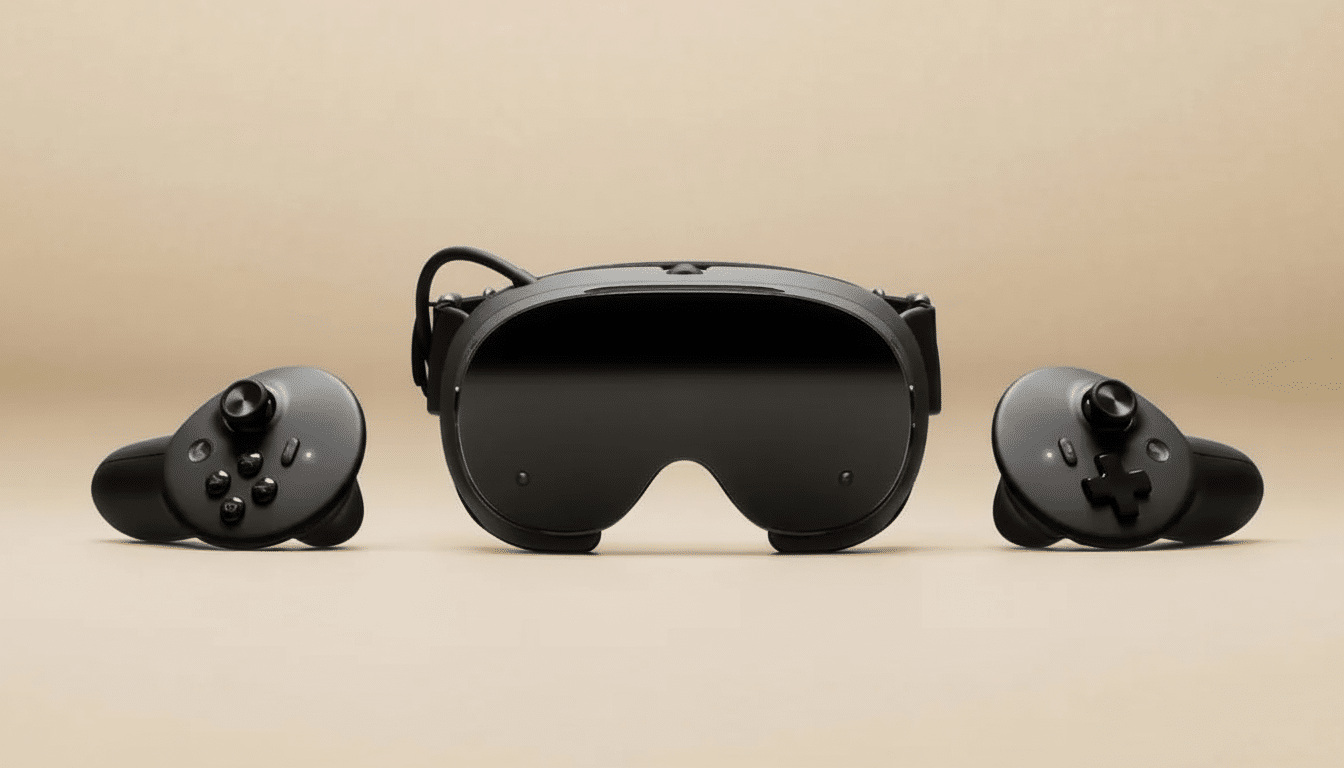
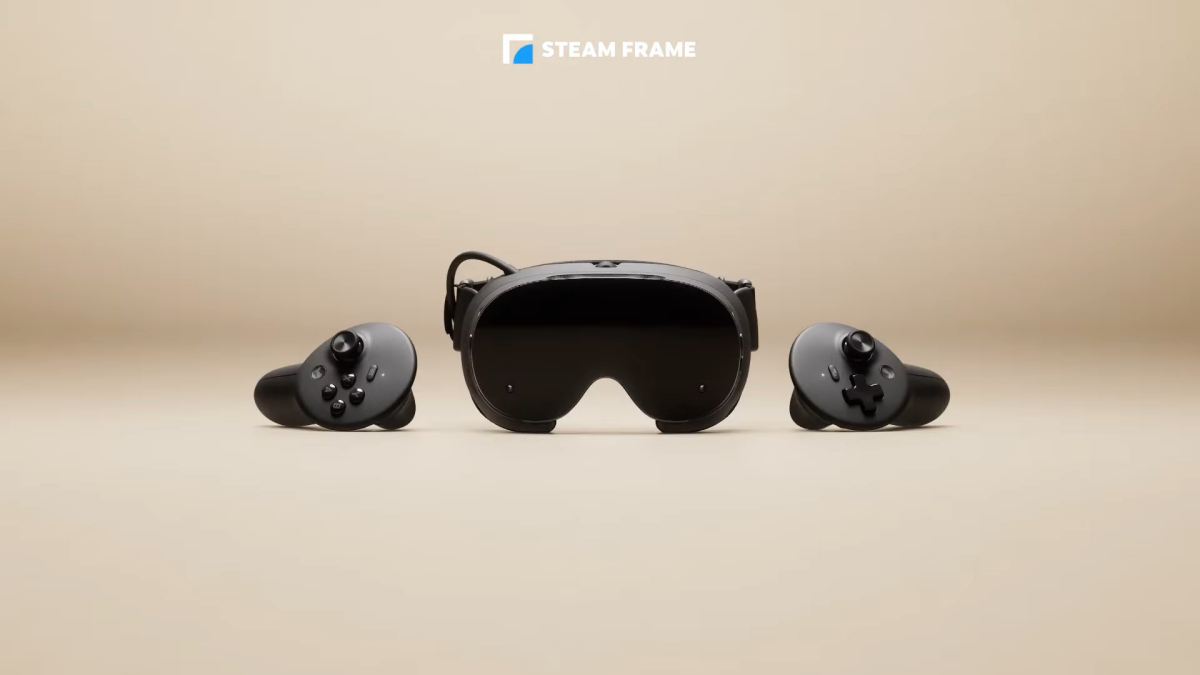
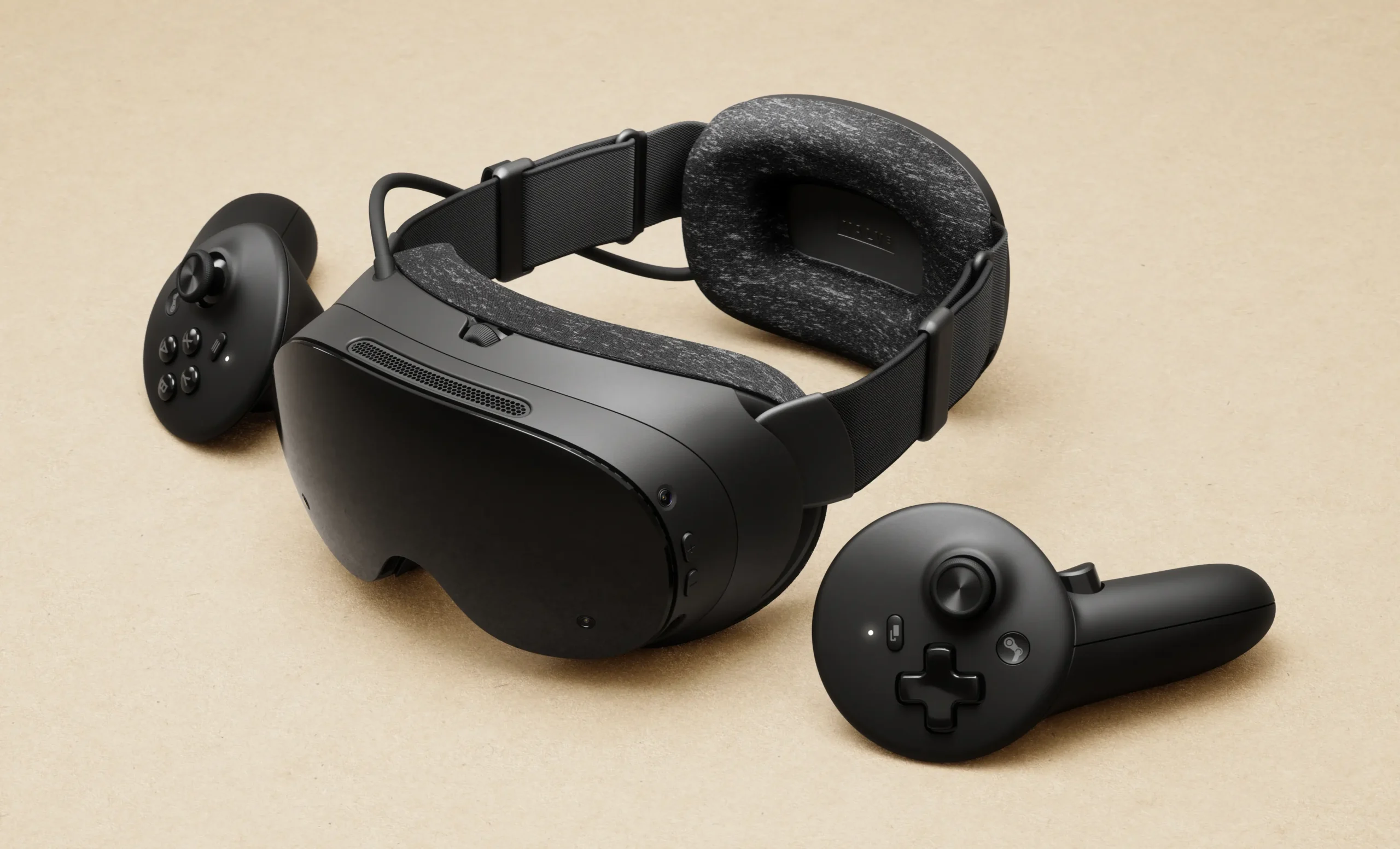
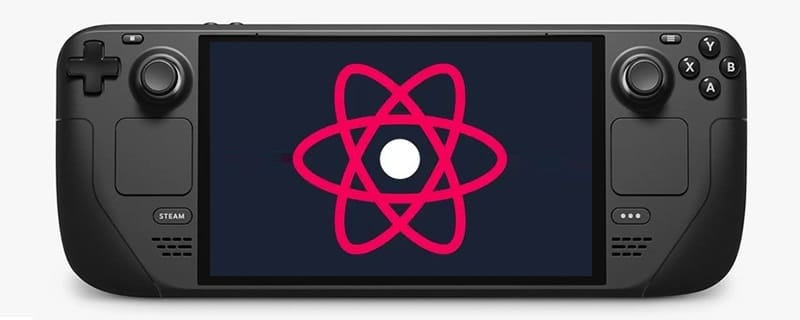
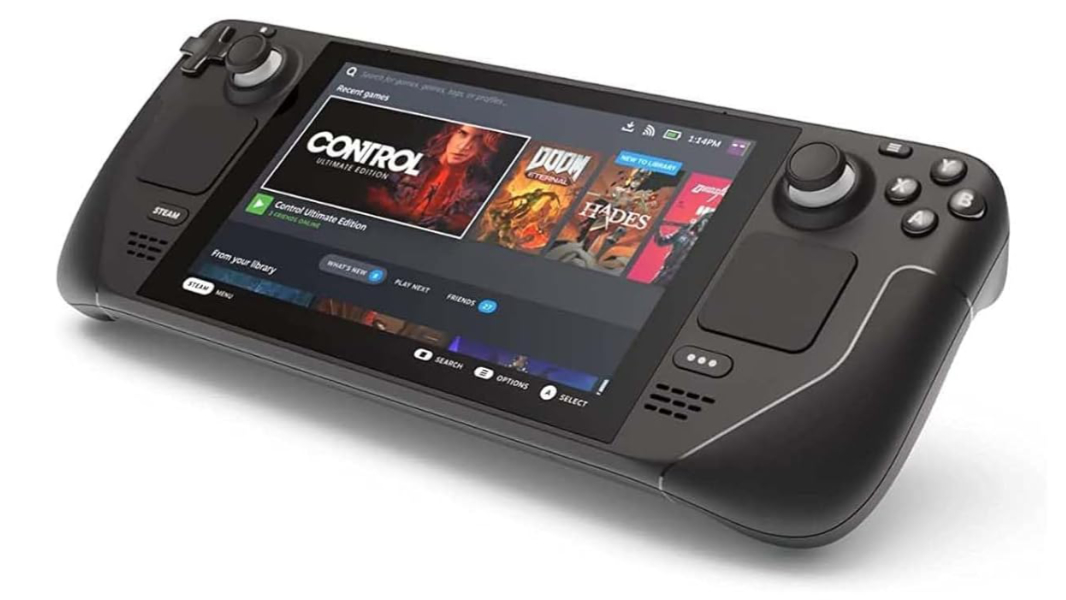
Valve's investment in emulation technologies signals a profound shift in hardware development. By funding open-source projects that enable x86 games to run on ARM Linux platforms, the company is effectively decoupling software from specific hardware constraints. The Steam Frame VR headset and potential future hardware like Steam Deck serve as proof-of-concept platforms for these compatibility strategies.
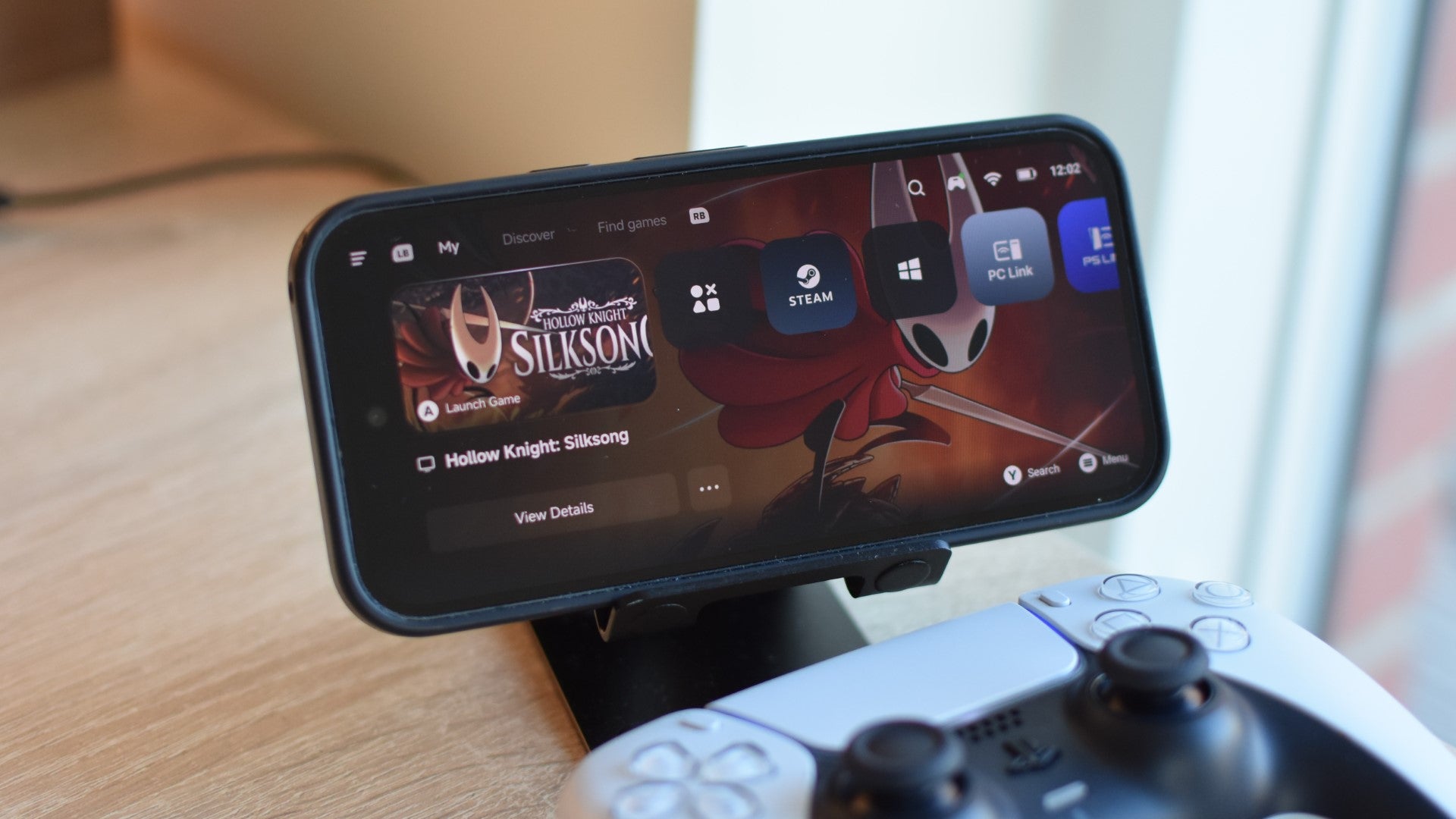
The implications extend far beyond Valve's immediate product ecosystem. These technologies represent a potential democratization of software development, where developers can create applications with unprecedented portability. The ability to run Windows games on ARM, Android apps on Linux, and potentially bridge multiple computing architectures suggests a future where hardware becomes increasingly abstracted and interchangeable.
Critically, Valve is not just developing these technologies in isolation. By making these tools open-source and funding projects like FEX, they're inviting broader technological collaboration. This approach could accelerate innovation across the entire computing landscape, challenging traditional hardware-software relationship models.
Questions 3
How do these compatibility technologies benefit developers?
Developers can create software with broader reach, reducing the complexity and cost of maintaining multiple platform-specific versions. By supporting x86 games on ARM and Android apps on Linux, Valve is essentially expanding the potential market for software without additional engineering overhead.
What makes Valve's approach to cross-platform compatibility unique?
Valve is investing in open-source emulation technologies like FEX and Lepton that allow software to run across different hardware architectures. Unlike traditional approaches, they're creating flexible compatibility layers that don't require developers to rewrite entire applications for different platforms.