


Tesla's Fatal Design Dilemma: When Innovation Compromises Safety
- Regulatory Scrutiny Exposes Critical Vulnerabilities in Electric Vehicle Emergency Mechanisms


















Overview
The convergence of multiple safety investigations reveals a systemic challenge in electric vehicle design that extends far beyond a single manufacturer's missteps. At the heart of this emerging crisis lies a fundamental tension between technological innovation and fundamental safety requirements.
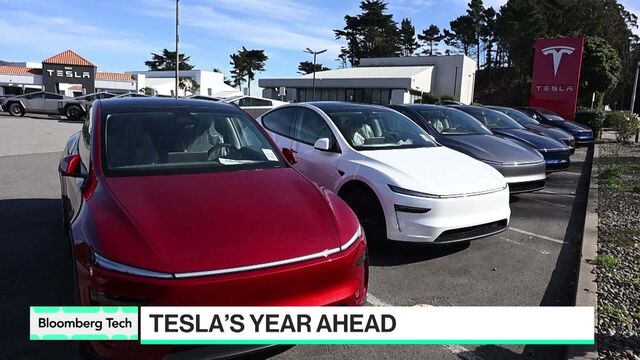
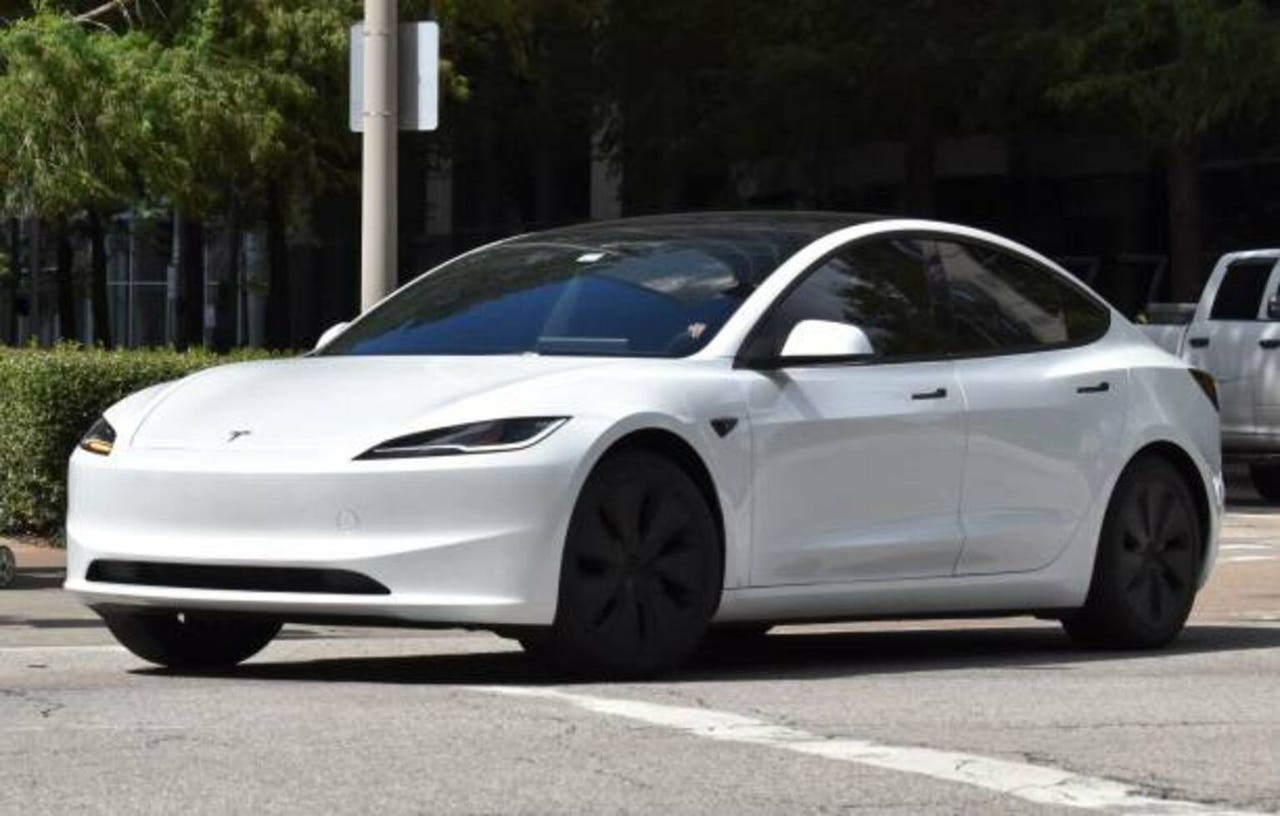
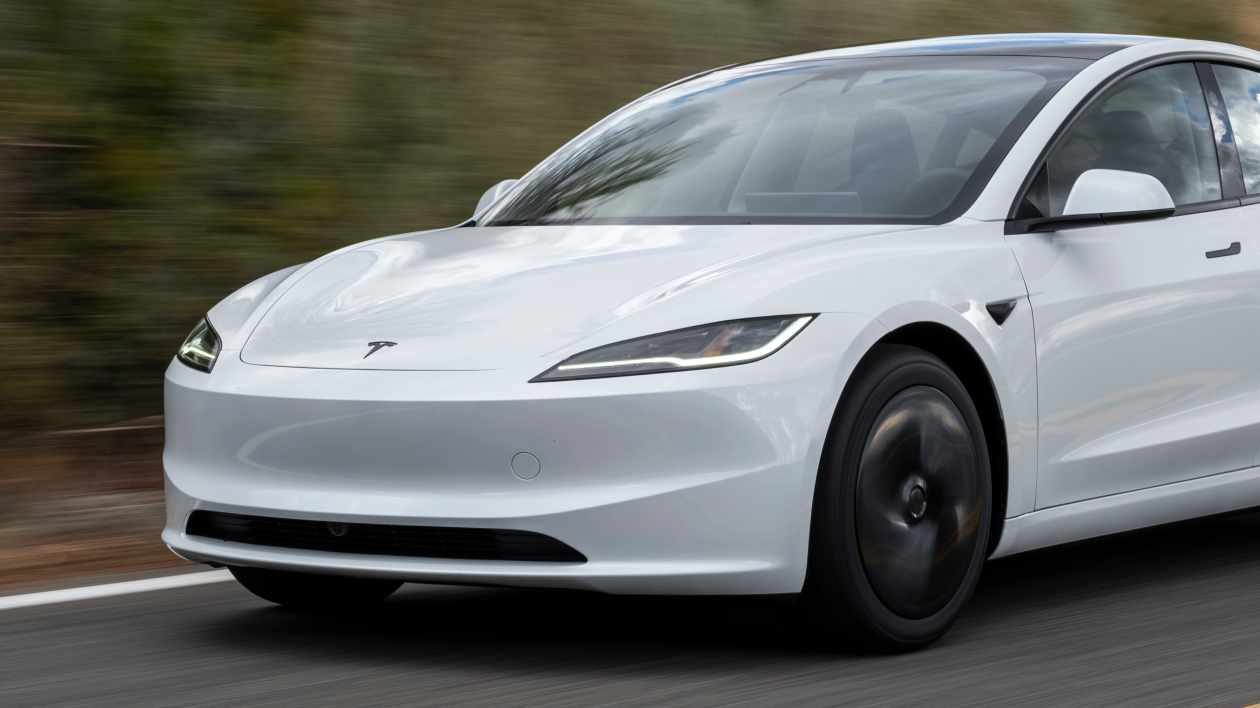
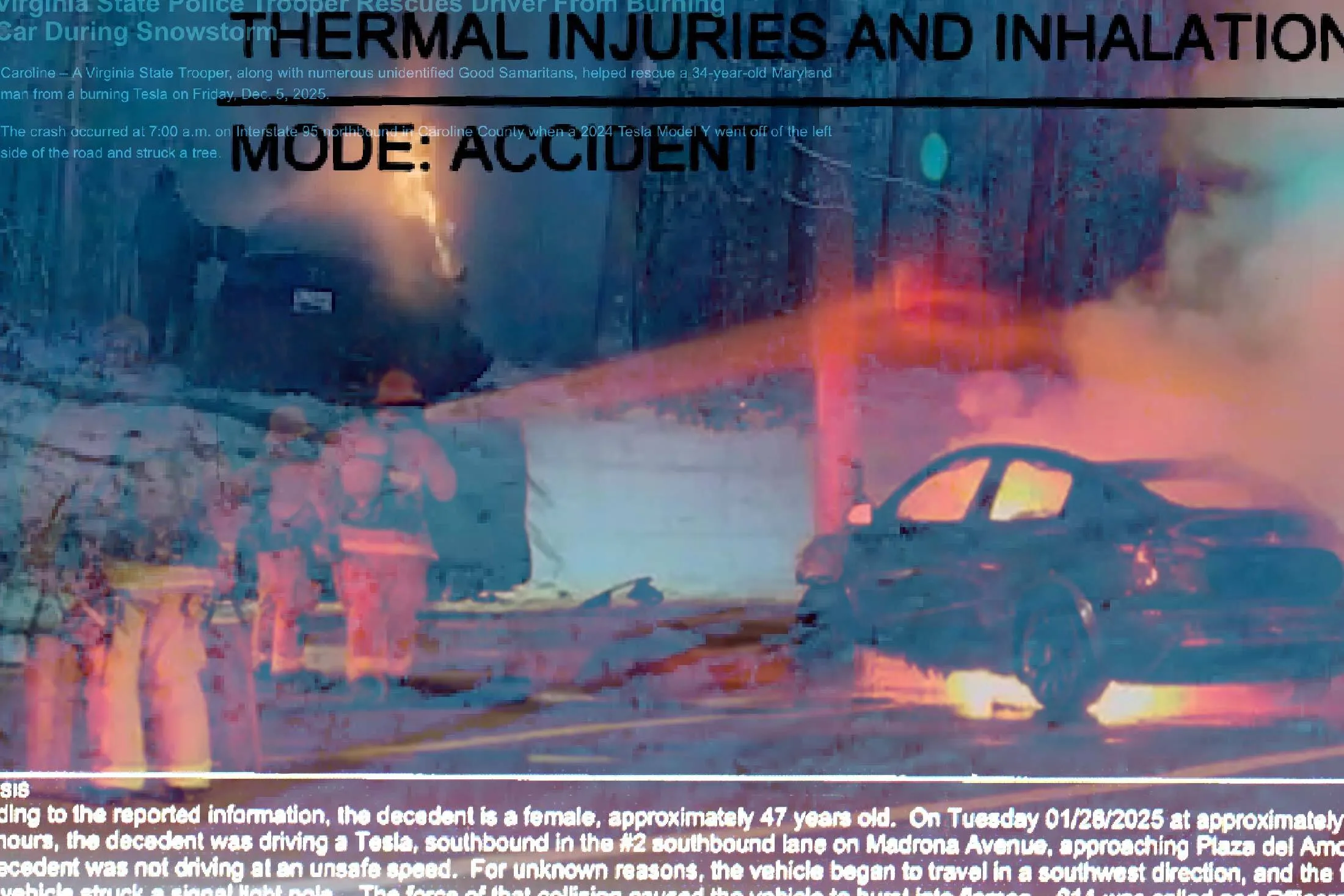
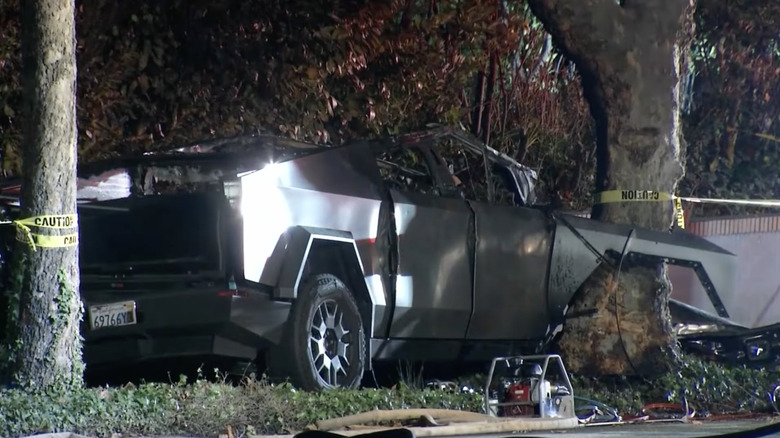
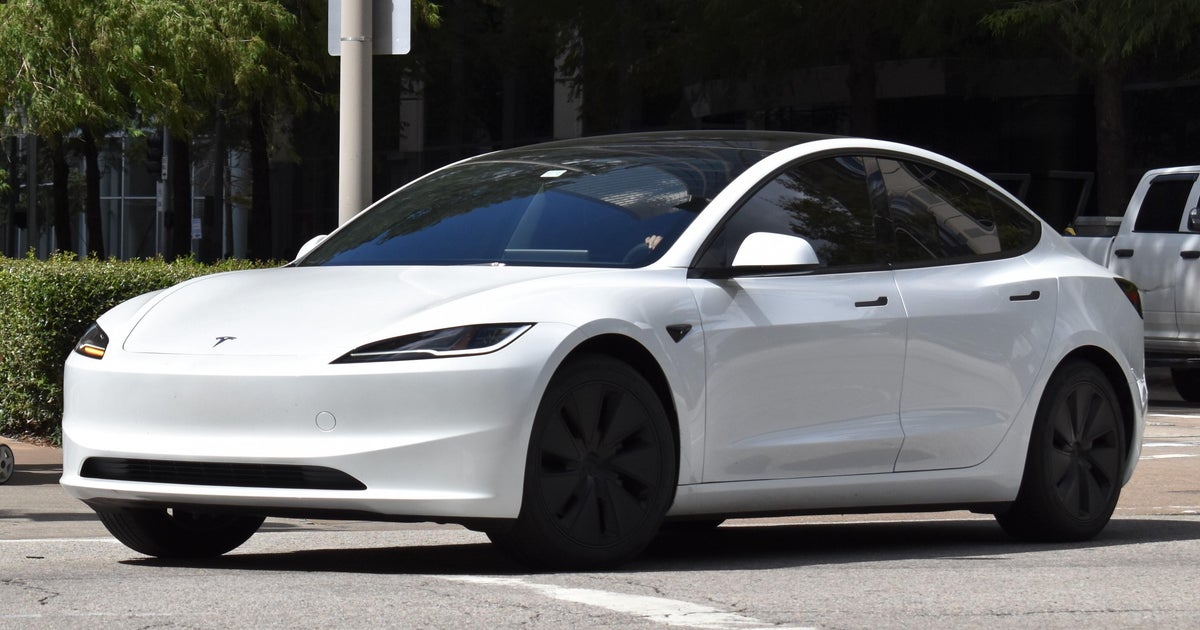
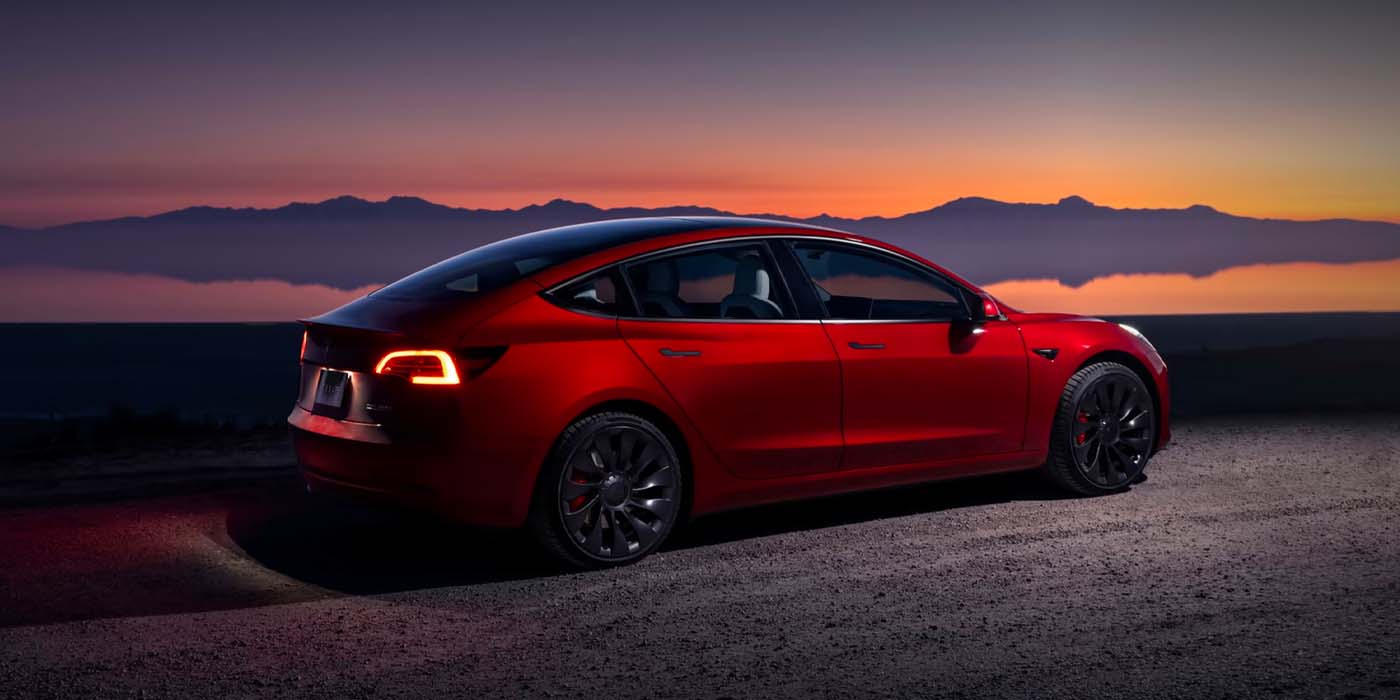
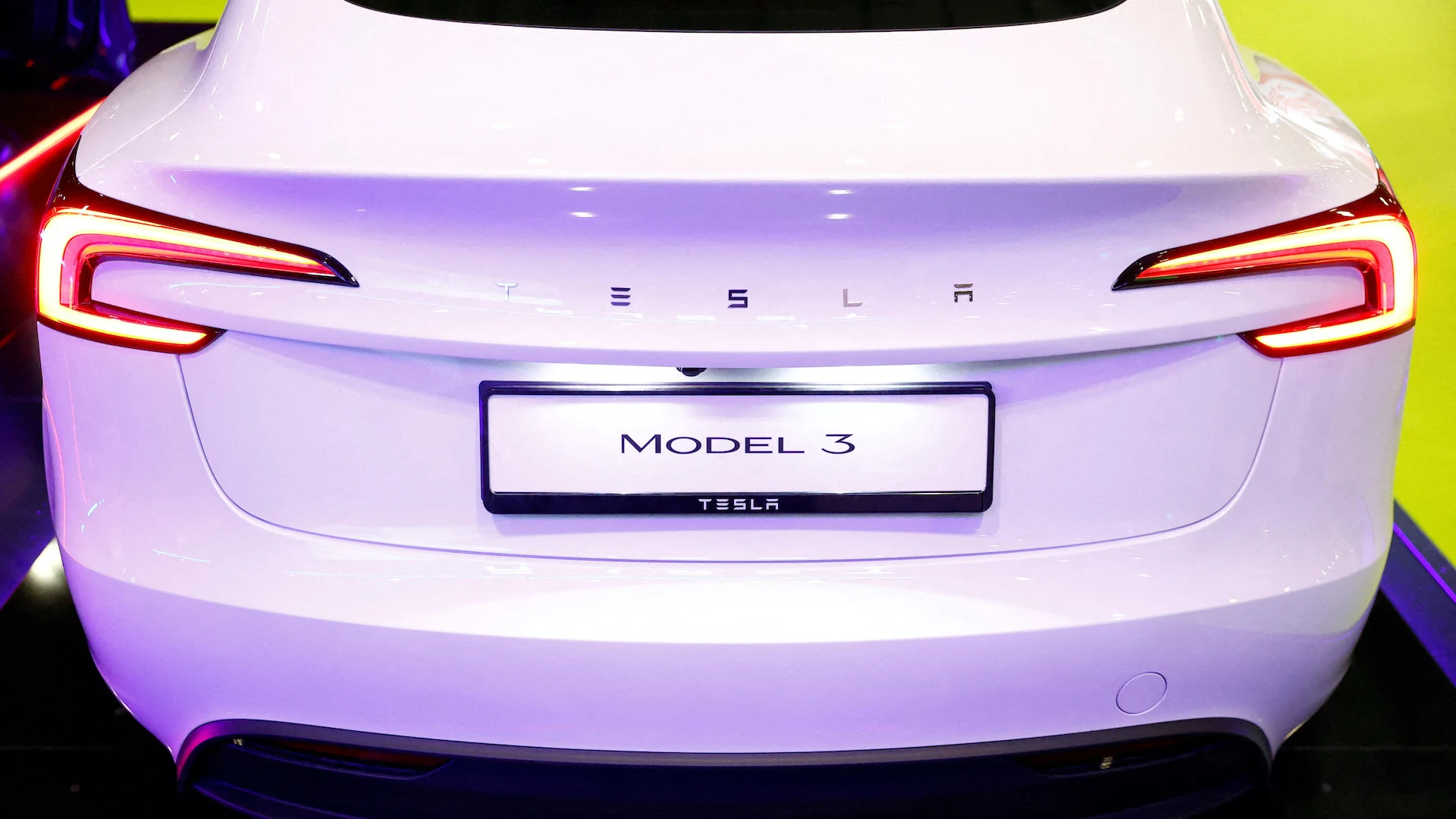
Regulatory bodies are uncovering a pattern of critical design vulnerabilities in Tesla's electronic door mechanisms that have potentially fatal consequences. The National Highway Traffic Safety Administration (NHTSA) investigations span multiple vehicle models, from the Model 3 to the Cybertruck, highlighting a pervasive issue of emergency exit mechanisms that can catastrophically fail during crashes. Bloomberg's investigation identified at least 15 fatalities linked to door handle malfunctions between 2012-2023, with more than half occurring since November 2024.
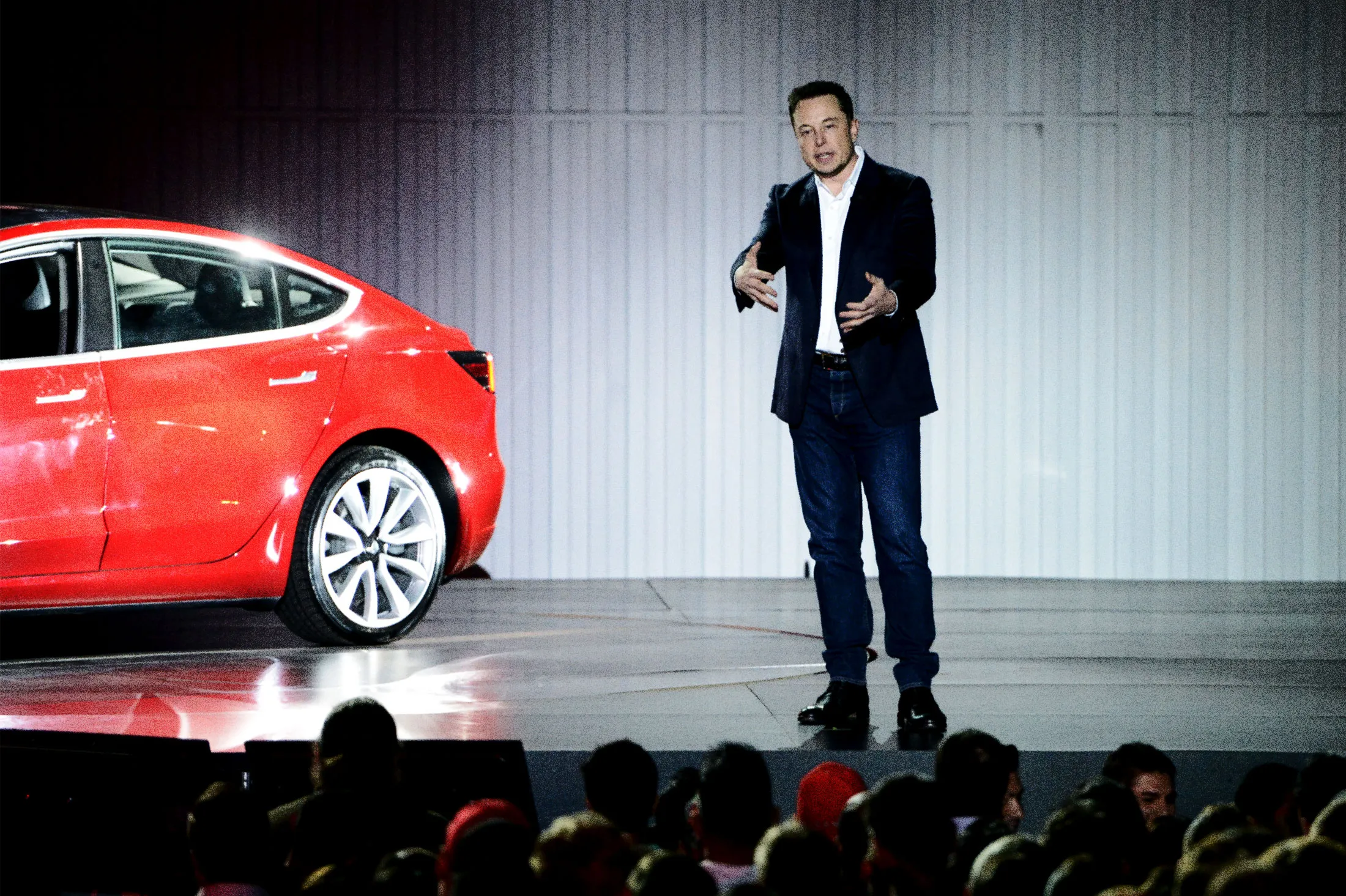
The root of this problem traces back to a fundamental design philosophy prioritizing technological complexity over basic safety principles. Elon Musk's engineering directives reportedly pushed for electrically powered doors despite explicit warnings from Tesla's own engineering teams about potential operational failures. This reveals a deeper organizational challenge where innovative ambition potentially overrides critical safety considerations.
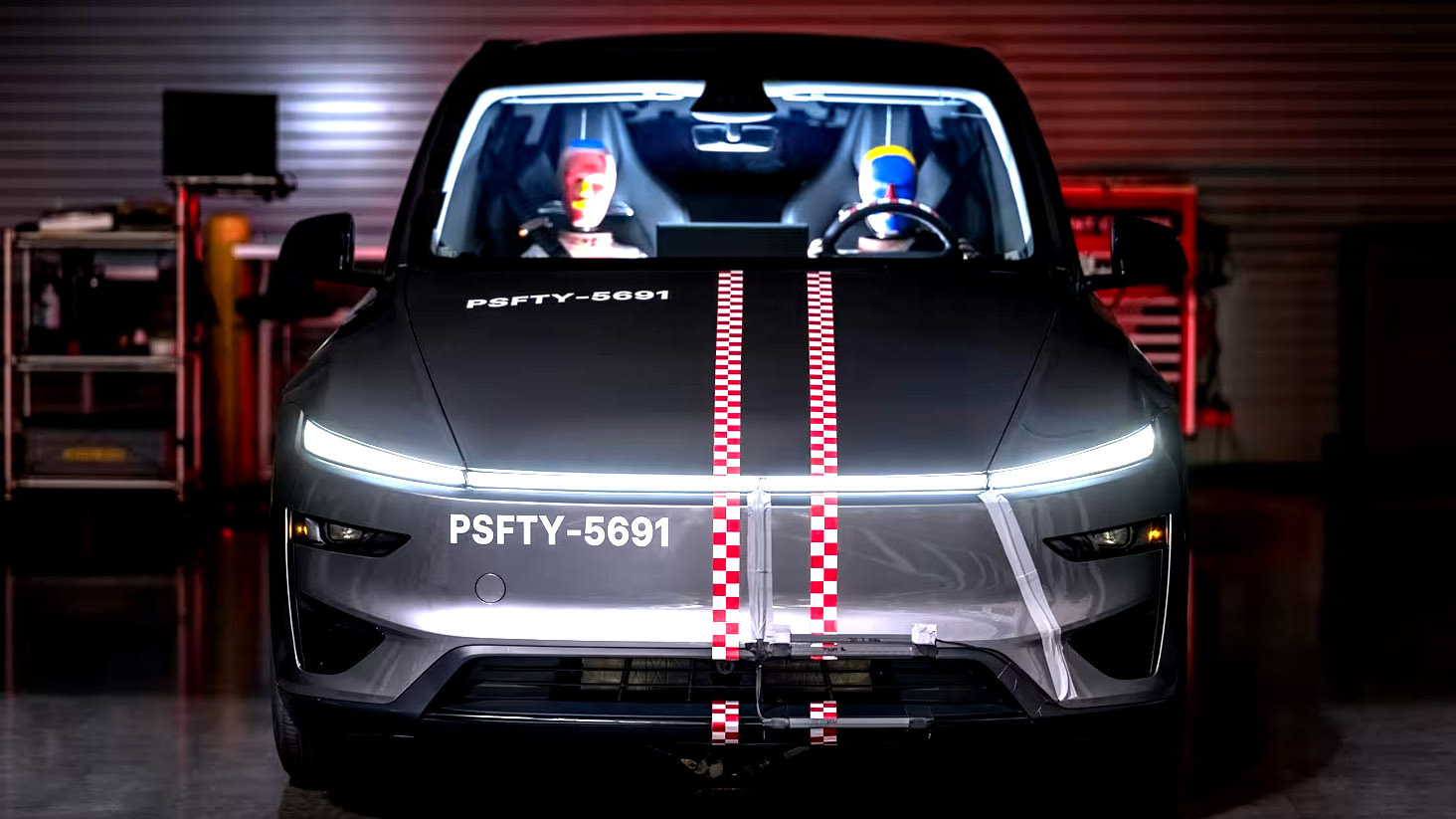
The implications extend beyond Tesla. These investigations signal a broader regulatory awakening in the electric vehicle sector, where cutting-edge design must now be rigorously tested against fundamental safety standards. Manufacturers are facing increased scrutiny, with potential consequences including mandatory redesigns, costly recalls, and significant reputational damage.
For automotive sellers and manufacturers, the message is clear: technological innovation cannot come at the expense of fundamental safety mechanisms. The emerging regulatory landscape demands comprehensive safety testing, transparent communication about potential design limitations, and fail-safe emergency protocols that prioritize human life over design aesthetics.
Questions 4
How many fatalities are linked to these door handle design issues?
Bloomberg reports indicate at least 15 deaths between 2012-2023 related to difficulties opening Tesla doors during crashes and fires. More than half of these fatalities occurred since November 2024, suggesting an escalating safety problem.
What are the potential consequences for Tesla and other electric vehicle manufacturers?
Potential consequences include mandatory design modifications, costly recalls, increased regulatory oversight, significant reputational damage, and potential product liability lawsuits. Manufacturers may need to completely redesign emergency exit mechanisms and implement more rigorous safety testing protocols.