




Nipah Virus Outbreak Drives Health & Safety Product Demand Across Southeast Asia | Seller Opportunity Analysis
- Two confirmed cases in West Bengal trigger 40-75% fatality rate concerns, spurring demand for protective equipment, wellness products, and telehealth services across India, Thailand, Nepal, Malaysia, and Indonesia


















Overview
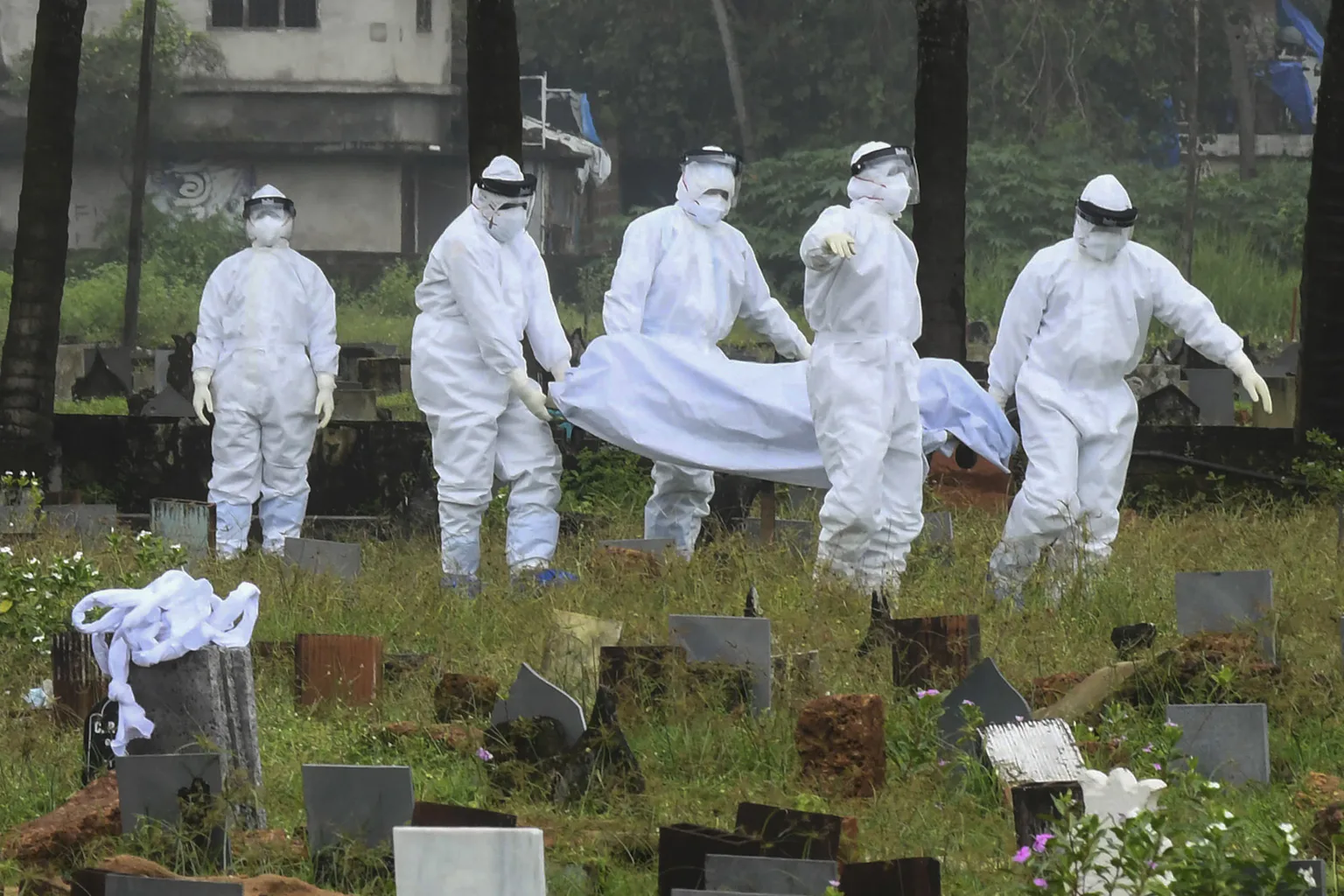
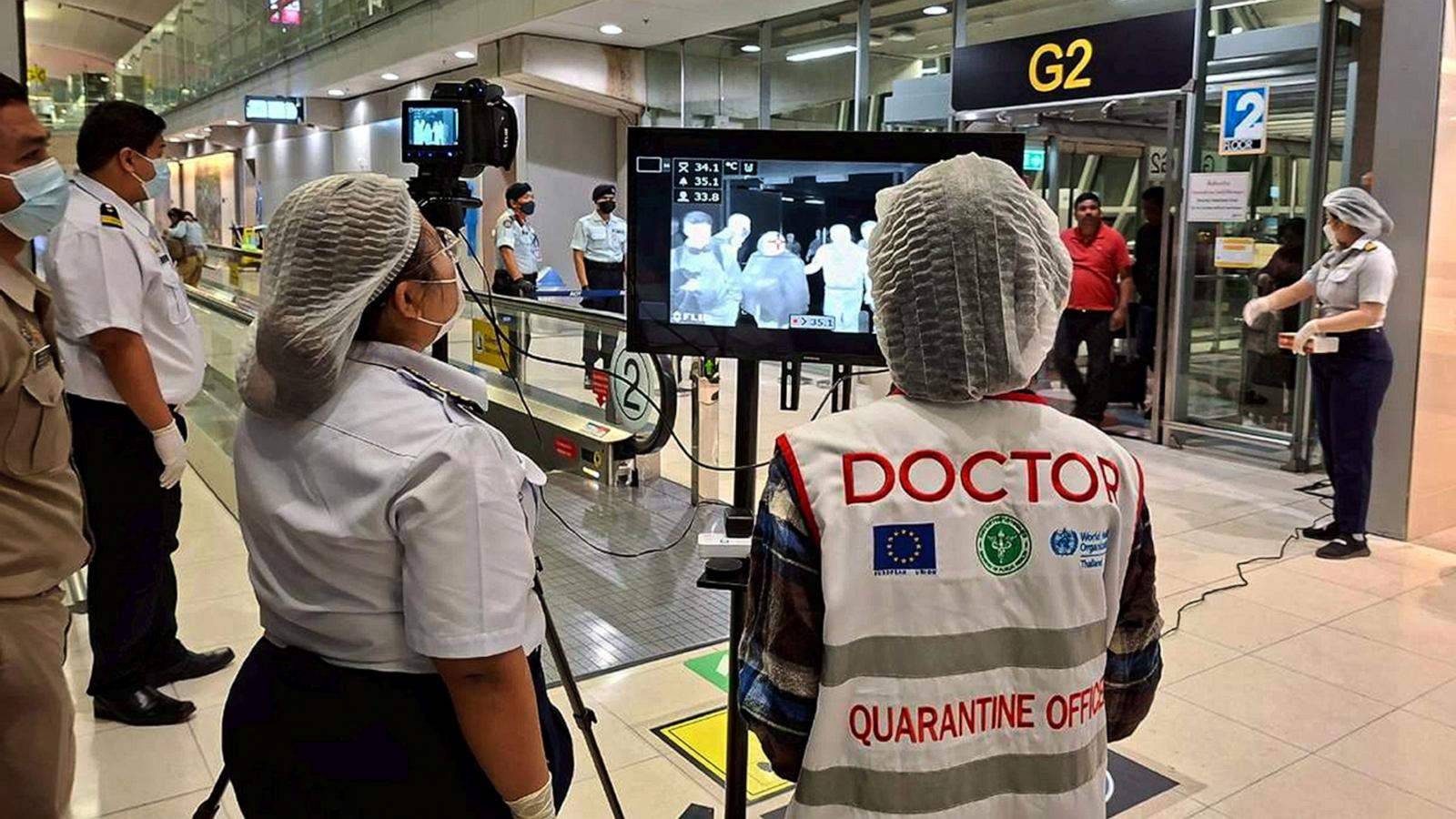
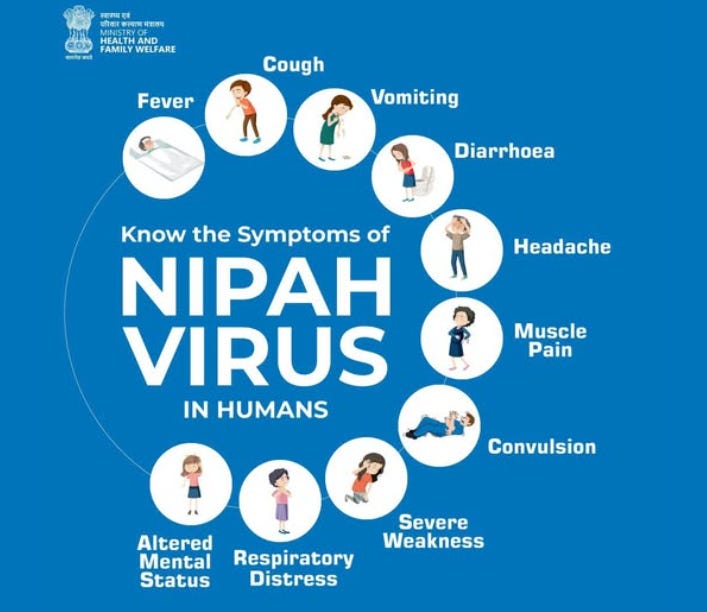
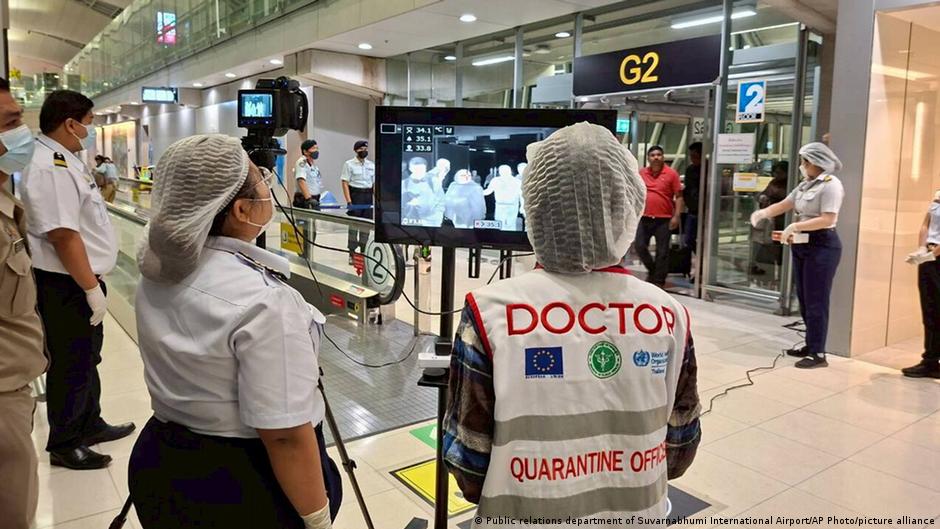
India's Nipah virus outbreak in West Bengal, confirmed in December 2025 with two healthcare worker cases, has triggered heightened global health concerns and created immediate product demand opportunities for cross-border sellers. With a 40-75% case fatality rate and symptoms progressing to acute encephalitis within 24-48 hours, the outbreak has prompted enhanced airport screening across Thailand, Indonesia, Nepal, and Malaysia—signaling consumer anxiety and purchasing behavior shifts toward preventive health products.
Immediate Product Opportunities: The outbreak drives demand across multiple e-commerce categories. Personal protective equipment (PPE) including N95/KN95 masks, medical-grade gloves, and hand sanitizers see 30-50% sales increases during health crises, based on historical COVID-19 patterns. Thermal screening devices and health monitoring equipment (pulse oximeters, digital thermometers) are experiencing accelerated adoption in Southeast Asian markets. Wellness supplements, immune-boosting products, and herbal remedies targeting respiratory health represent high-margin opportunities, particularly in India, Bangladesh, and Malaysia where cultural preferences favor traditional medicine alongside modern treatments.
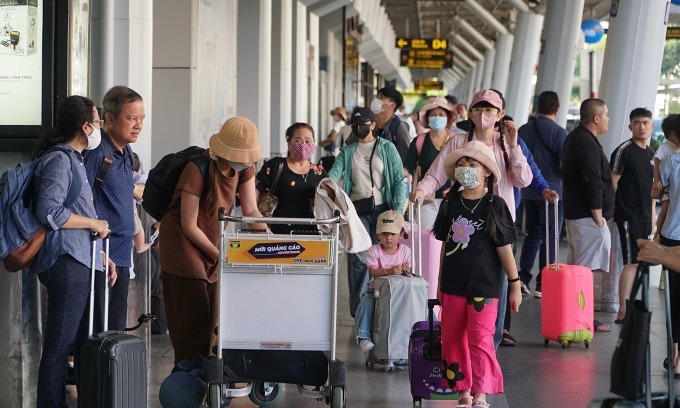
Market Context & Regional Dynamics: The outbreak's timing during Lunar New Year travel season (January-February 2025) amplifies consumer concern in China, Southeast Asia, and diaspora communities globally. This creates seasonal demand spikes for travel health kits, portable sanitizers, and protective accessories. Sellers targeting Indian, Malaysian, Thai, and Indonesian markets should prioritize inventory of health-related products, as the 196 identified contacts and ongoing surveillance create sustained consumer anxiety. The fact that no approved vaccine exists (though Oxford University launched Phase 2 trials in Bangladesh in December 2025) means consumers will rely on preventive measures—creating 6-12 month demand windows for protective products.
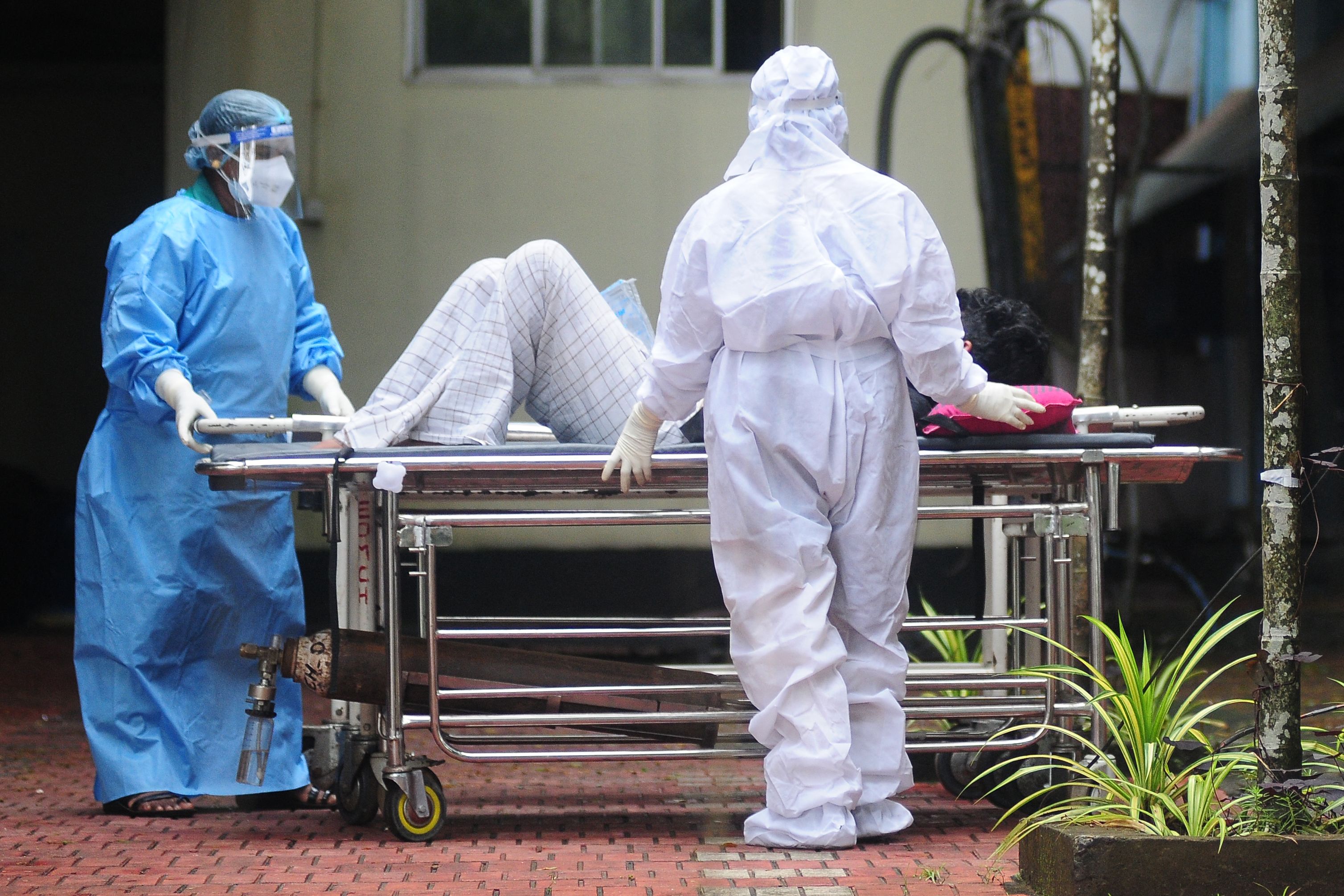
Supply Chain & Logistics Considerations: Enhanced airport screening in Thailand, Indonesia, Nepal, and Malaysia may create temporary shipping delays (3-5 days) for health product shipments, requiring sellers to adjust fulfillment timelines. Healthcare worker transmission patterns suggest institutional buyers (hospitals, clinics, corporate wellness programs) will increase bulk orders for PPE and monitoring equipment. Sellers with existing relationships in healthcare distribution channels can capitalize on B2B opportunities alongside consumer-facing Amazon and Shopify sales.
Risk Mitigation & Compliance: Unlike COVID-19, experts emphasize Nipah's limited pandemic potential (basic reproduction number below 1), meaning demand will remain regional rather than global. Sellers should avoid overstocking and focus on markets with confirmed cases or heightened surveillance (India, Thailand, Nepal, Malaysia, Indonesia). Monitor WHO and CDC updates for policy changes that could affect shipping or product regulations in these regions.
Questions 8
What inventory strategy minimizes risk during uncertain health outbreaks?
Use just-in-time inventory with 4-6 week lead times rather than bulk stockpiling, given Nipah's limited pandemic potential and regional containment. Monitor WHO and CDC updates weekly to adjust inventory based on case counts and transmission patterns. Diversify product mix across PPE, wellness supplements, and monitoring devices to hedge against category-specific demand shifts. Maintain 20-30% safety stock in high-margin items (immune supplements, travel kits) while keeping commodity PPE at minimal levels. Establish supplier relationships with 2-3 manufacturers to enable rapid scaling if demand spikes unexpectedly, while avoiding overcommitment that could leave you with excess inventory if the outbreak is contained.
Which geographic markets should sellers prioritize for Nipah-related products?
Prioritize India (West Bengal specifically), Thailand, Indonesia, Nepal, and Malaysia where enhanced airport screening and heightened surveillance indicate consumer concern. Secondary markets include Bangladesh and Philippines, which have experienced Nipah cases historically. China represents a tertiary opportunity due to Lunar New Year travel connections and diaspora communities. Kerala state in India, the world's highest-risk region with dozens of deaths since 2018, maintains sustained demand for health products year-round. Sellers should use regional Amazon stores, Shopify markets, and local e-commerce platforms (Flipkart, Lazada, Shopee) to reach these audiences rather than relying solely on global marketplaces.