




Azure Cloud Capacity Constraints Threaten E-Commerce Seller Infrastructure Costs in 2026
- Microsoft's $37.5B capex surge and GPU allocation limits signal potential Azure pricing increases and service availability risks for 100K+ cross-border sellers relying on cloud infrastructure


























Overview
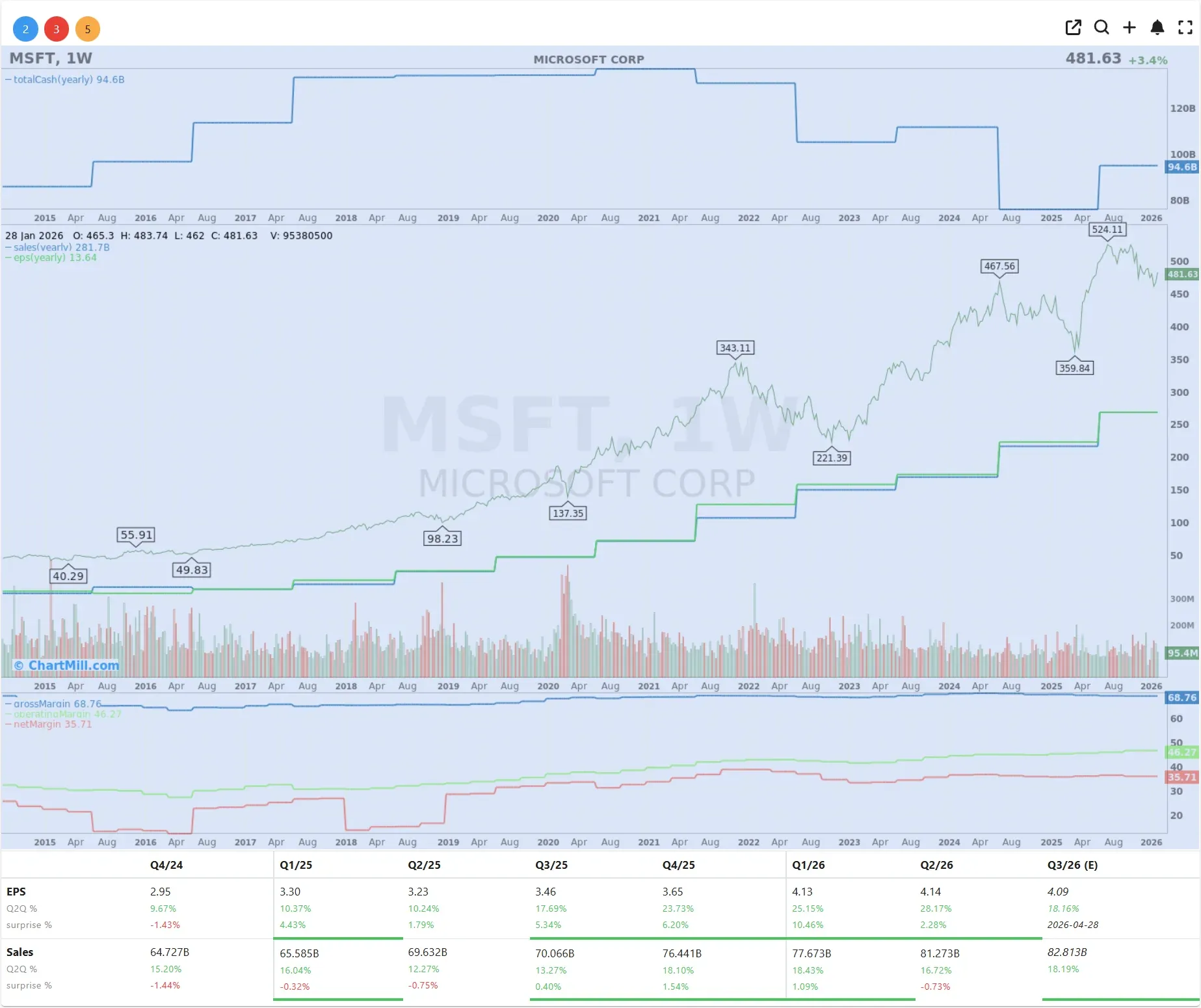
Microsoft's January 28, 2026 earnings reveal a critical infrastructure crisis that directly impacts e-commerce sellers worldwide. The company's stock plummeted 6.1% despite beating earnings expectations and achieving 38% Azure cloud-computing growth, signaling investor concerns about massive capital expenditure ($37.5B capex, up 66% year-over-year) failing to translate into proportional revenue growth. The core issue: severe GPU capacity constraints from limited Nvidia chip supply are forcing Microsoft to allocate computing resources between third-party cloud customers and internal product development teams, creating a supply-demand imbalance that threatens service availability and pricing stability for sellers using Azure infrastructure.
For cross-border e-commerce sellers, this represents an immediate operational risk. Approximately 100,000+ sellers globally rely on Azure cloud services, Microsoft 365, and AI-powered analytics tools for inventory management, order processing, and customer intelligence. Microsoft's guidance of 37-38% Azure growth in Q1 2026 (below analyst expectations of 37%) indicates the company is characterizing growth as "allocated capacity rather than maximum potential growth"—meaning sellers may face service throttling, higher latency, or pricing increases as Microsoft prioritizes internal AI development over customer expansion. The GPU allocation dilemma is particularly acute: CFO Amy Hood explicitly stated that prioritizing third-party cloud capacity would compromise internal GPU availability for Microsoft's own product development teams, forcing a zero-sum choice between seller infrastructure and corporate innovation.
The competitive cloud landscape amplifies seller risk. While Amazon's stock remained relatively flat and Alphabet gained 1.5%, suggesting investors view Google Cloud as better positioned for performance, Microsoft's capex trajectory and capacity constraints create a divergence in cloud provider strategies. Google Cloud and AWS may gain market share as sellers seek more reliable, scalable infrastructure. The broader hyperscaler trend shows that capital intensity alone doesn't guarantee proportional revenue growth—particularly when capacity constraints and competitive dynamics limit pricing flexibility. For sellers, this means Azure's competitive positioning weakens, potentially forcing migration to alternative cloud providers (AWS, Google Cloud) at significant switching costs and operational disruption. The earnings call revealed Microsoft's strategic dilemma: balancing immediate cloud capacity expansion against long-term product innovation, a tension that directly translates to seller infrastructure uncertainty through 2026-2027.
Questions 8
How does Microsoft's capacity constraint compare to AWS and Google Cloud positioning?
Microsoft faces unique GPU supply constraints due to Nvidia dependency and internal AI development prioritization, while AWS and Google Cloud maintain more balanced capacity allocation. AWS stock remained relatively flat (neutral investor sentiment), suggesting stable but not exceptional cloud growth. Google Cloud stock gained 1.5%, indicating investor confidence in better capacity positioning and cloud service expansion. AWS operates 31 global regions with diversified GPU access (Nvidia, custom chips), while Google Cloud leverages TPU (Tensor Processing Units) for AI workloads, reducing Nvidia dependency. Microsoft's constraint is structural: CFO Hood explicitly stated internal GPU needs conflict with customer expansion. For sellers, this means AWS and Google Cloud offer more reliable AI service availability and pricing stability through 2026-2027. Sellers with AI-dependent operations should prioritize AWS or Google Cloud migration to avoid Microsoft's capacity bottlenecks.
What are the immediate actions sellers should take following Microsoft's earnings announcement?
**Immediate (February 2026):** Audit current Azure usage and costs using Azure Cost Management; document all AI service dependencies (Cognitive Services, Machine Learning, OpenAI integration). **30-day actions:** Request Azure capacity commitments or reserved instances to lock in current pricing before potential increases; evaluate AWS and Google Cloud pricing for equivalent services. **60-day actions:** Develop cloud migration contingency plan if Azure spend exceeds $5,000/month; test workload portability to alternative cloud providers. **90-day actions:** Implement cost optimization (spot instances, auto-scaling, service consolidation) to reduce Azure spend by 20-30% and improve negotiating position with Microsoft. Monitor Microsoft's Q3 2026 earnings (April 2026) for capacity constraint updates and competitive positioning shifts. Set calendar alerts for Azure price change announcements (typically 30-60 days notice).