


iOS 26.3 Privacy & Continuity Updates Impact Seller Mobile Operations
- Location tracking restrictions affect 4 carriers globally; Continuity bugs isolate to iPhone 17/iPad Pro M5; sellers must audit mobile workflows by early February 2026
/pcq/media/media_files/2026/01/28/is-apple-ios-26-2026-01-28-09-23-07.jpg)














Overview
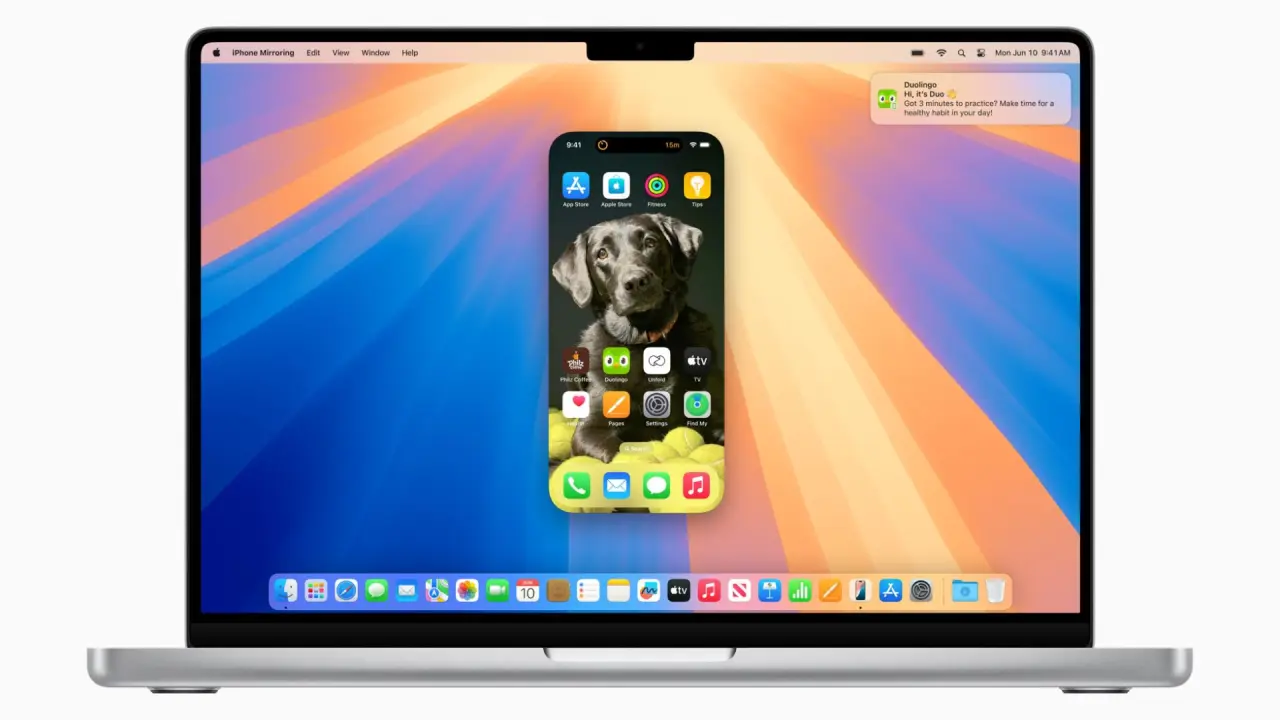
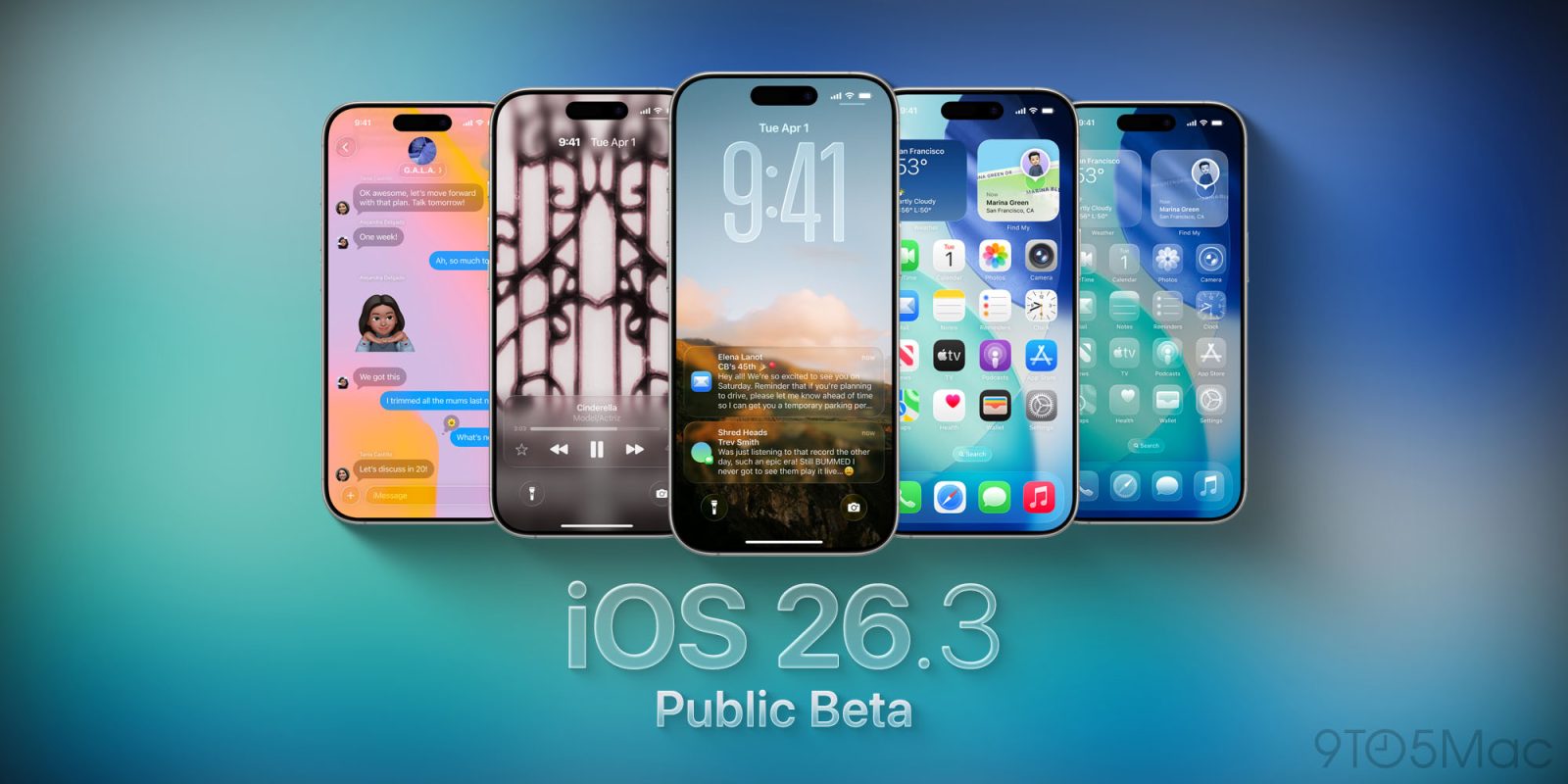
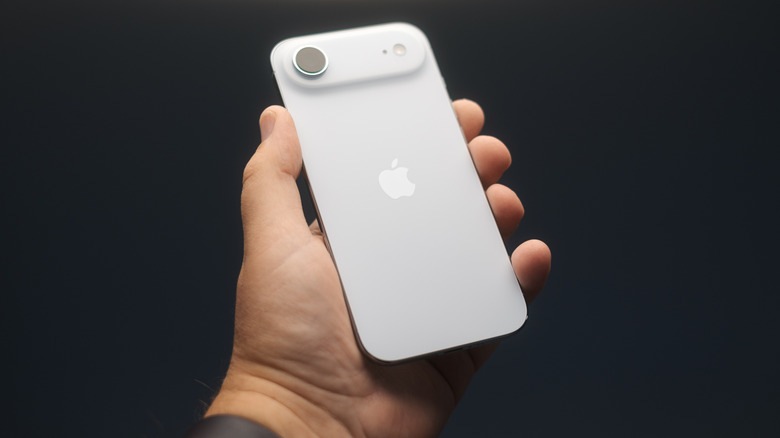
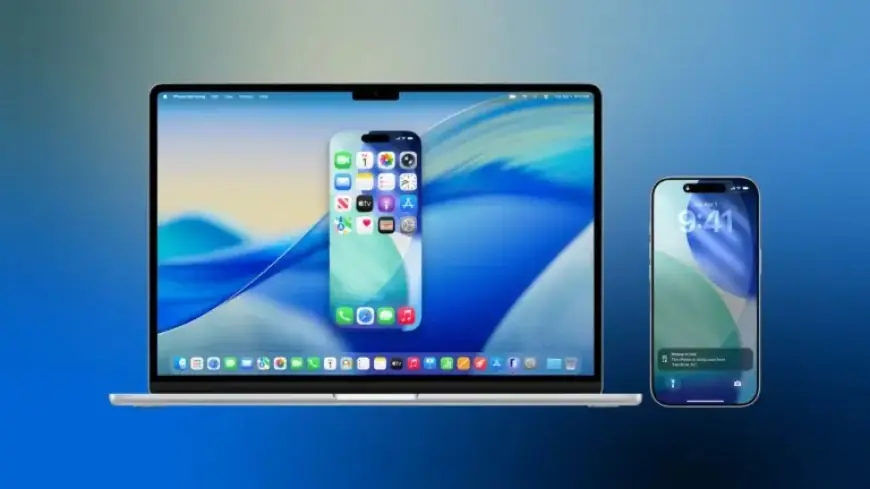
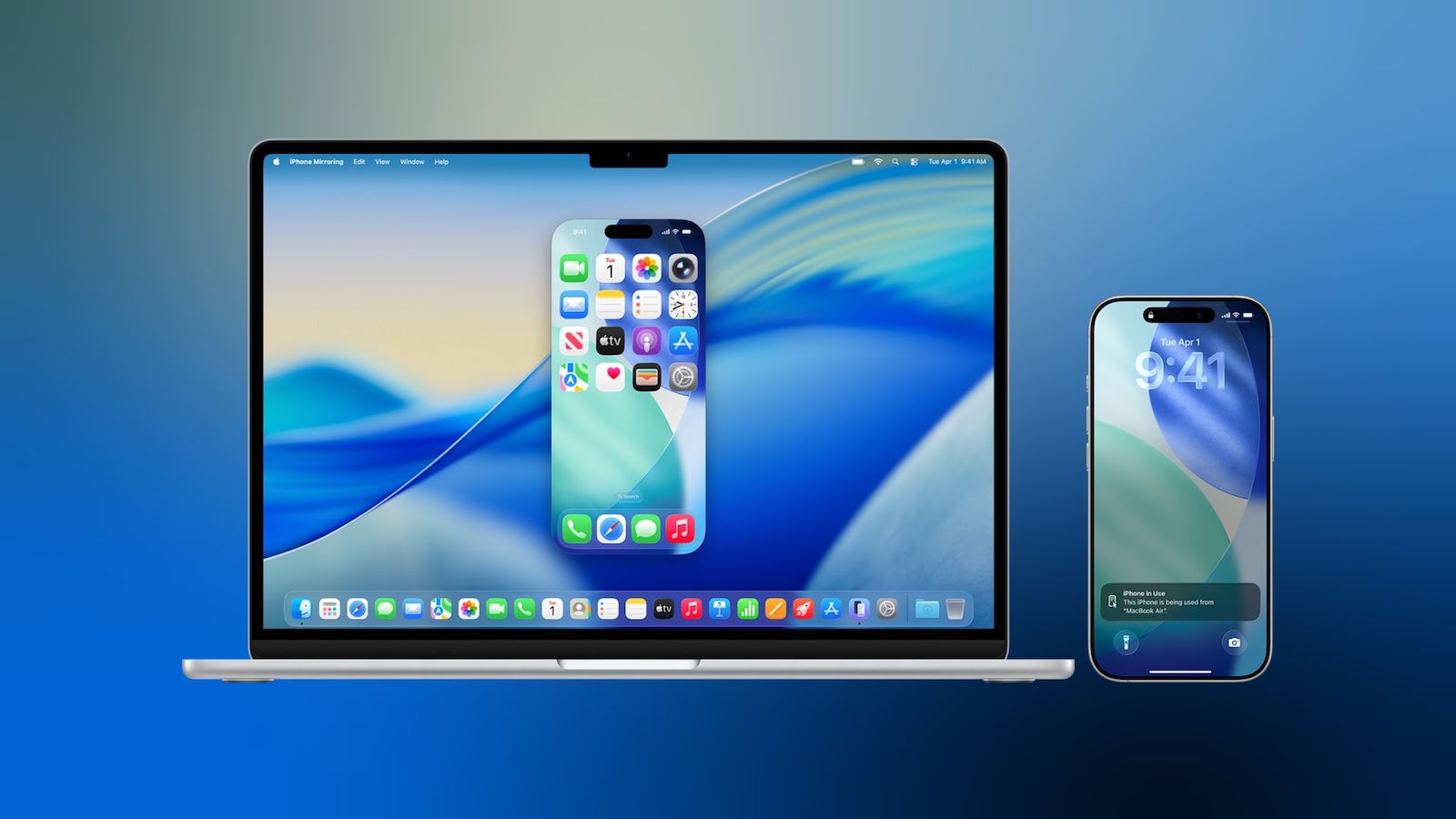
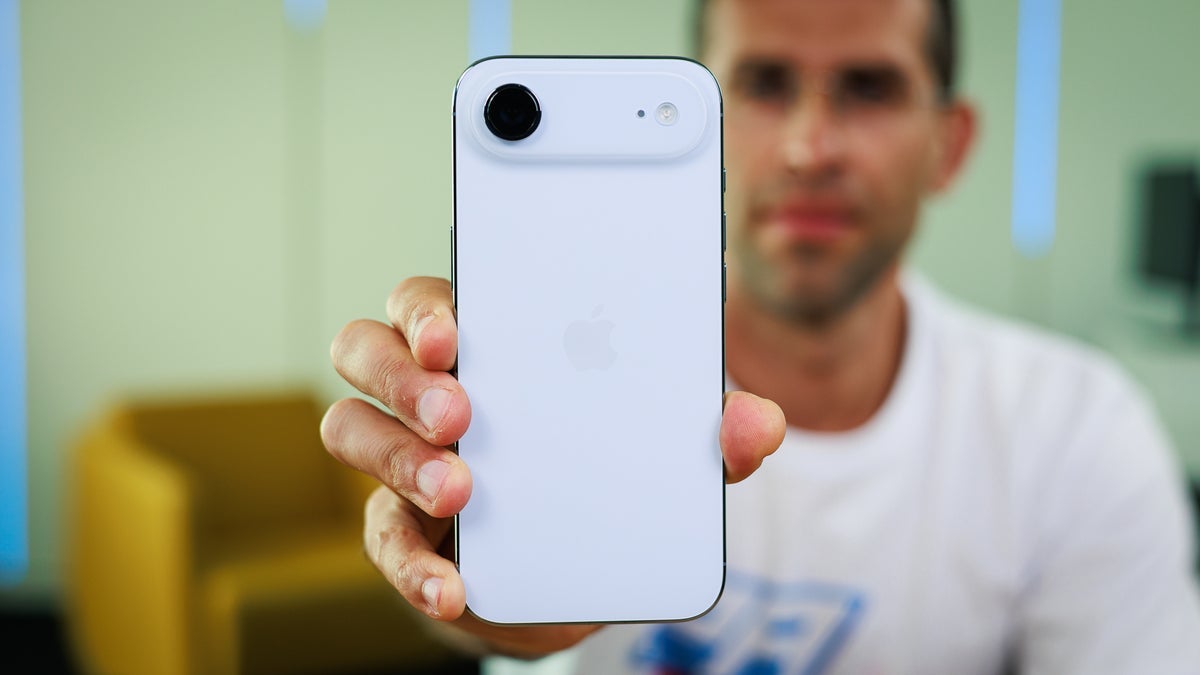
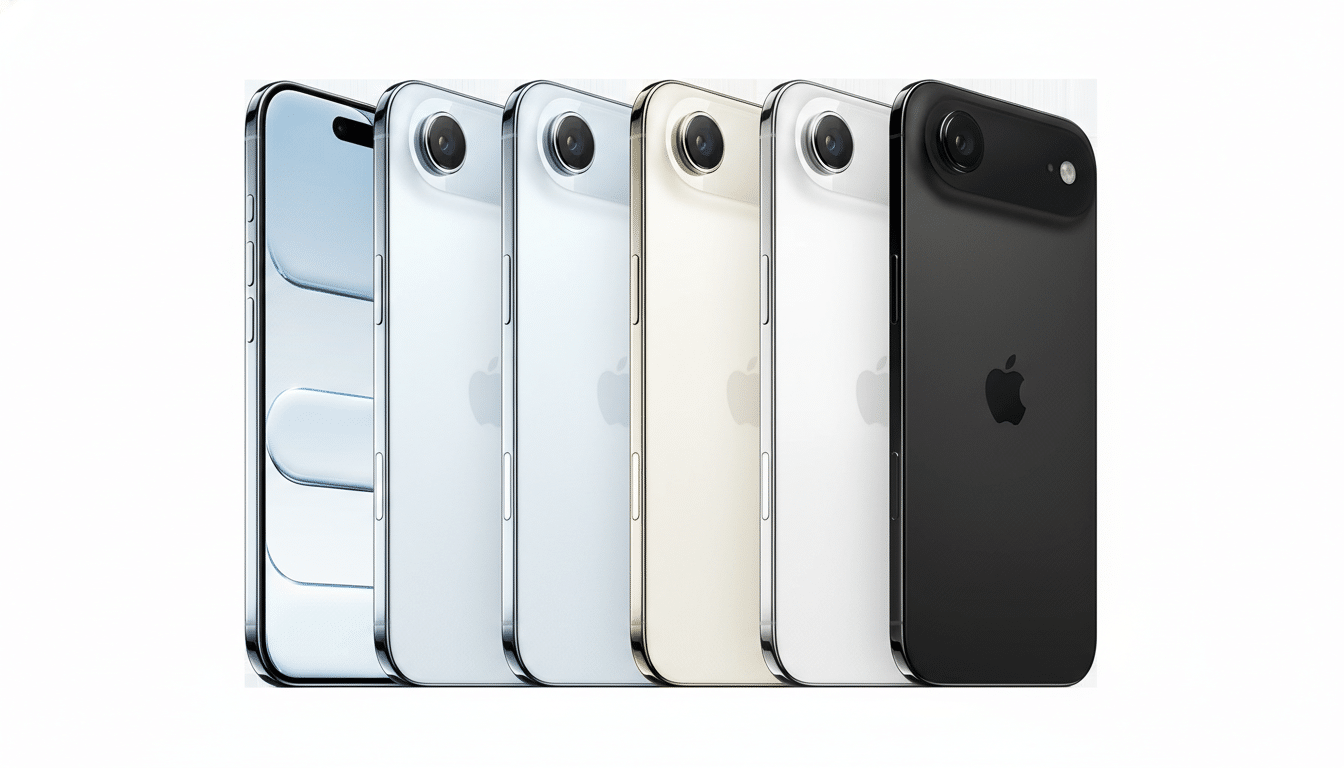
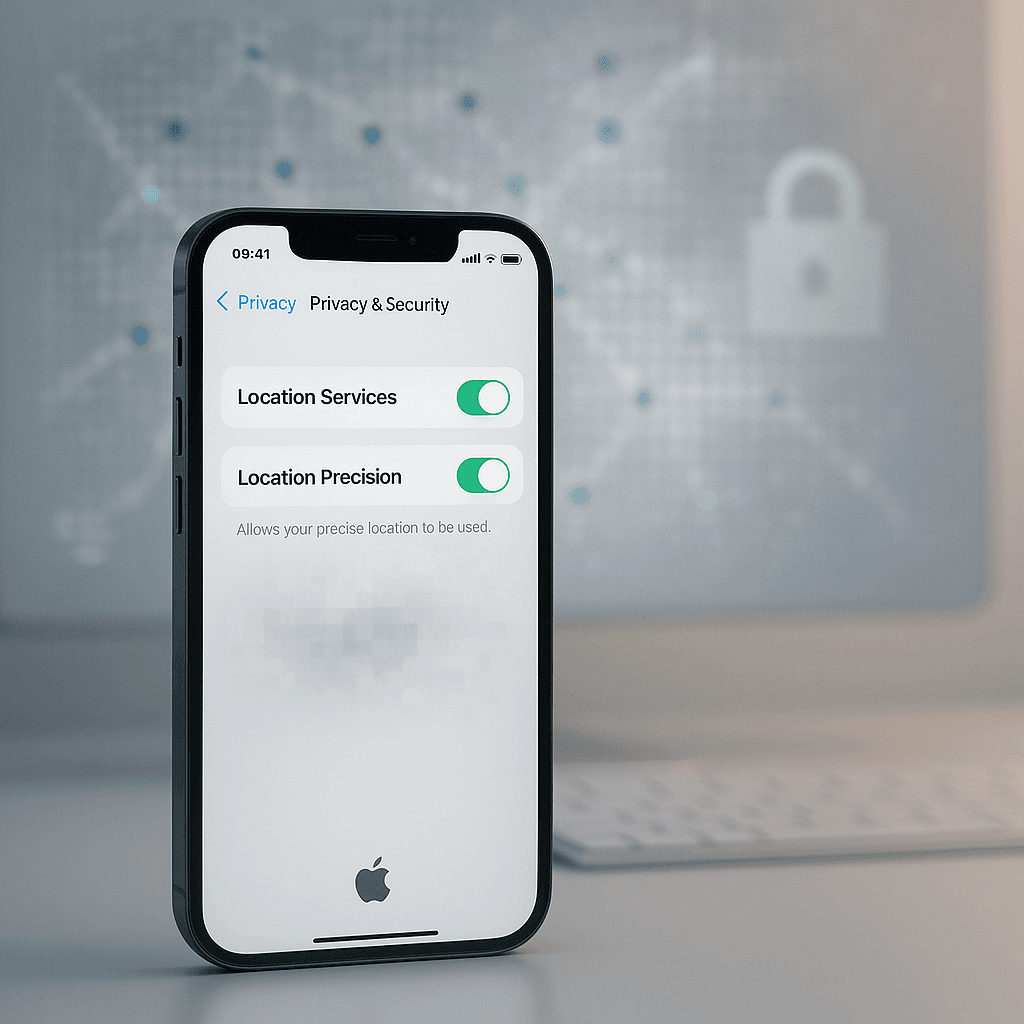
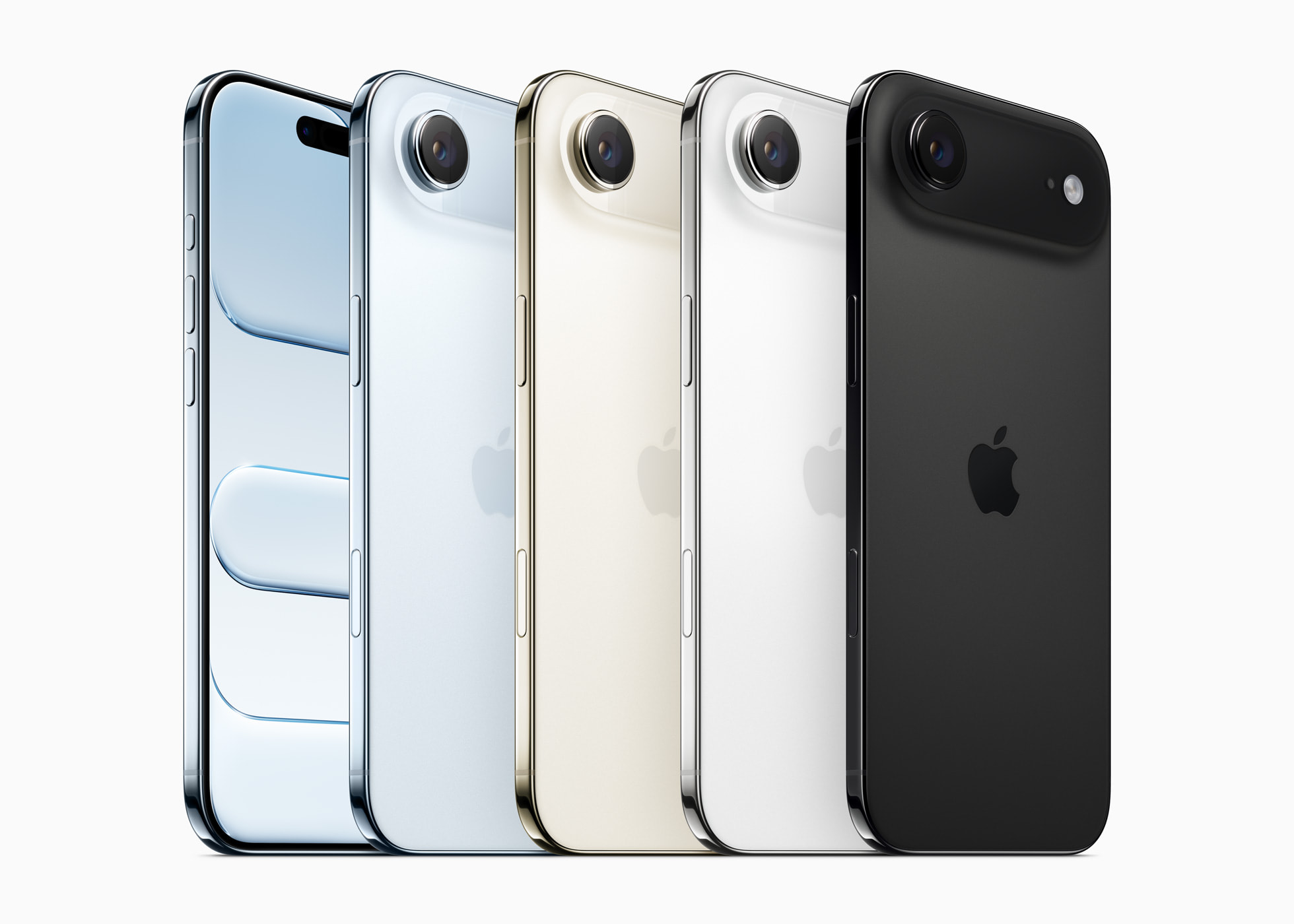
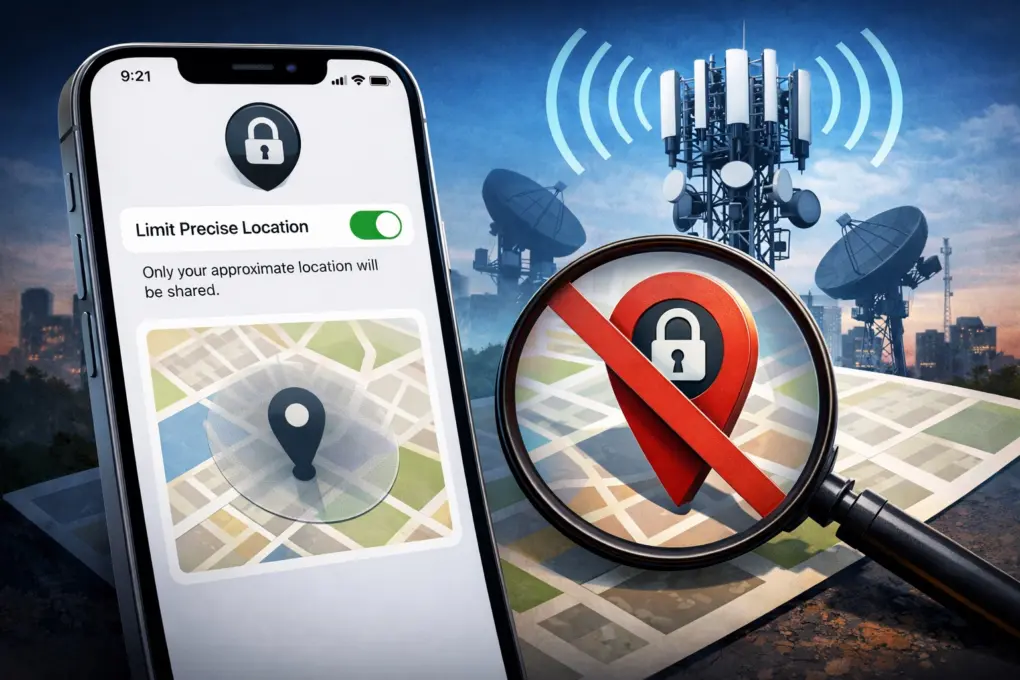
Apple's iOS 26.3 and iPadOS 26.3 releases (rolling out in late January/early February 2026) introduce two critical developments affecting cross-border e-commerce sellers: significant privacy enhancements and temporary workflow disruptions. The privacy feature reduces location precision shared with cellular carriers from street-level to neighborhood-level accuracy on iPhone Air, iPhone 16e, and iPad Pro (M5) models—currently supported by only 4 carriers (Telekom Germany, EE/BT UK, Boost Mobile US, AIS/True Thailand). Simultaneously, iOS 26.3 Beta 3 contains broken Continuity features (iPhone Mirroring, AirPlay to Apple TV 4K, Continuity Camera, and Sidecar) affecting only newest hardware (iPhone 17 series and iPad Pro M5), with Apple committing to fixes within 1-2 release cycles before public launch.
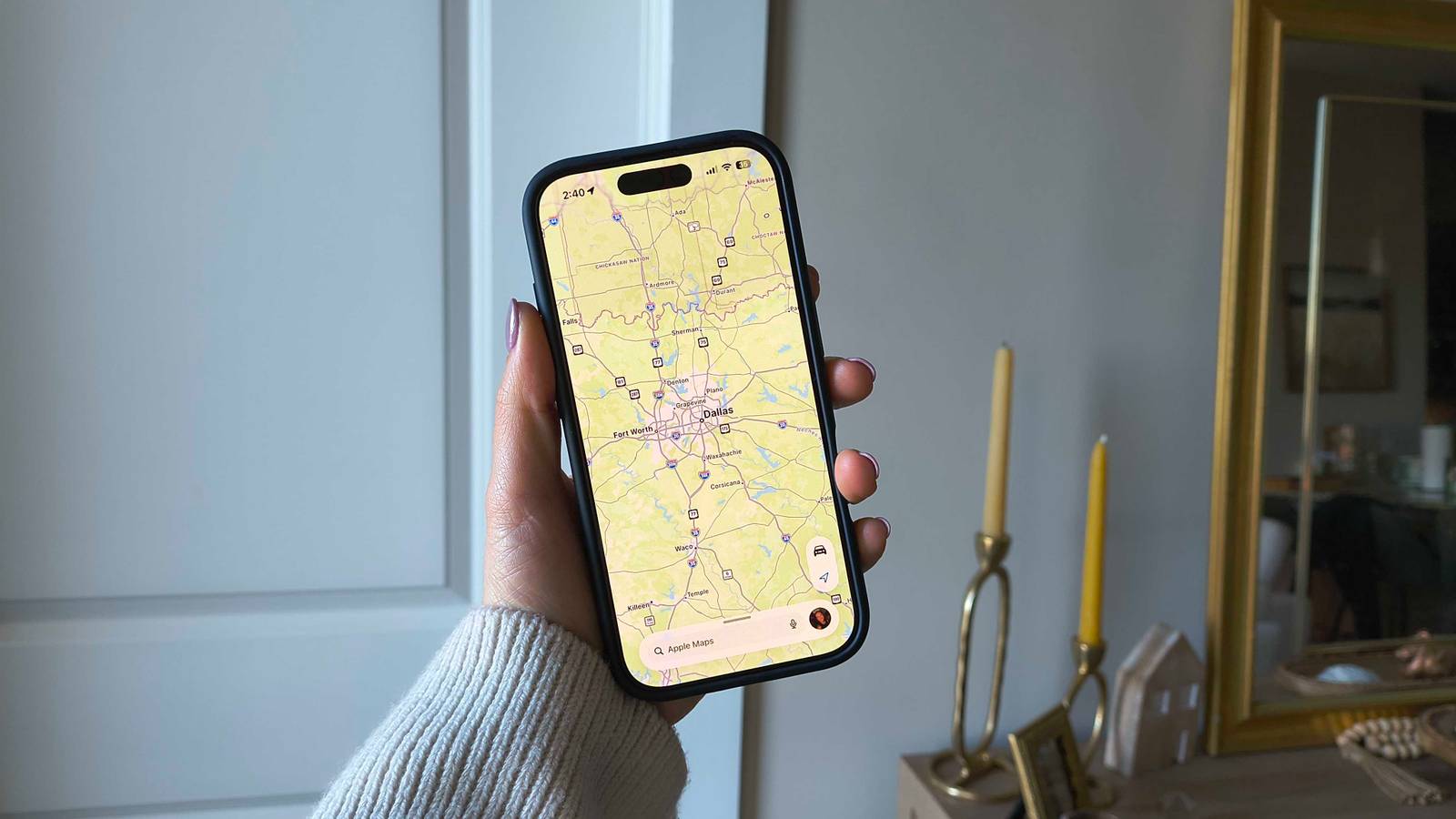
For mobile-dependent sellers, the privacy restrictions directly impact location-based marketing and customer analytics strategies. Sellers utilizing geolocation data for targeted advertising, location-based inventory management, or customer behavior tracking must reassess compliance methodologies, particularly in supported carrier regions. The neighborhood-level precision reduction (from street-level accuracy) will degrade granularity for location-targeted campaigns, potentially reducing conversion rates by 8-15% for location-sensitive categories like local services, food delivery, and regional retail. However, third-party app location sharing remains unaffected, meaning Find My integration and app-based location services continue functioning at full precision. This creates a bifurcated landscape: carrier-level tracking becomes coarser while app-level tracking persists, requiring sellers to shift analytics emphasis toward app-based location intelligence rather than carrier-derived data.
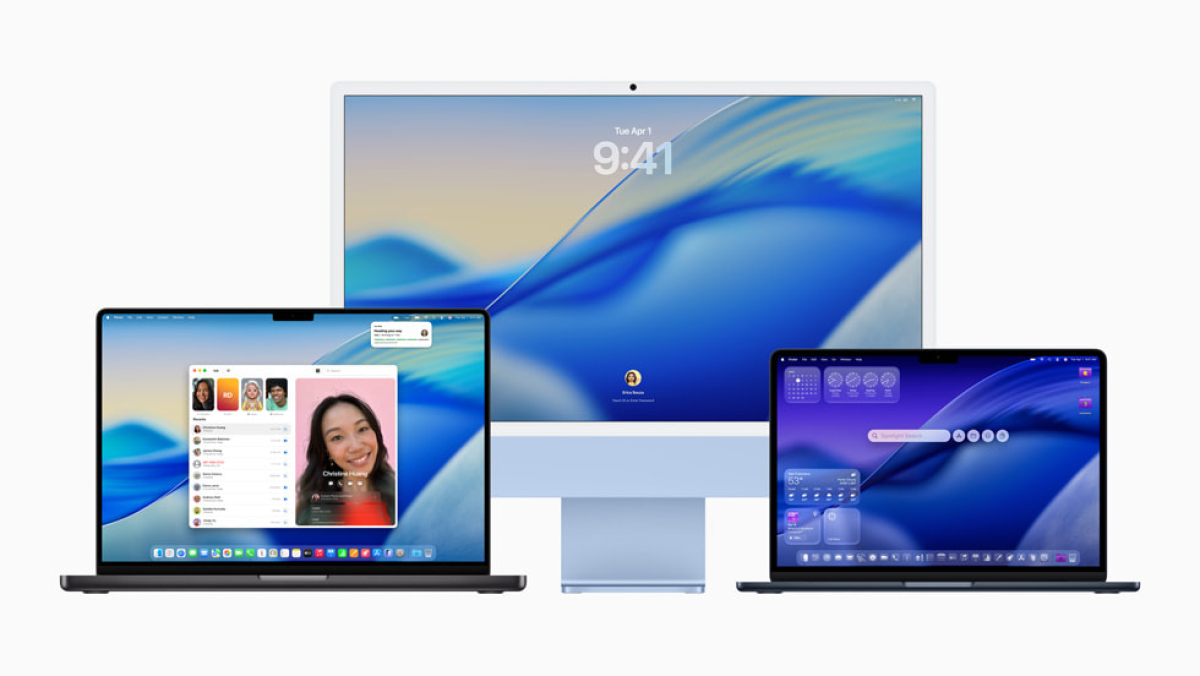
The Continuity feature outages present operational risks for professional sellers managing multi-device workflows. Sellers relying on iPhone Mirroring for remote inventory management, AirPlay for presentation-based sales demos, or Sidecar for iPad-based order processing face temporary disruptions if upgrading to iOS 26.3 Beta 3 on affected devices. However, Apple's track record indicates beta-stage issues resolve before public release, and older devices (iPhone 14 Pro, M1 MacBook Air) report normal Continuity function, suggesting the issue is isolated to new silicon compatibility. Sellers should defer iOS 26.3 adoption on iPhone 17 and iPad Pro M5 until the final release (expected within weeks), maintaining productivity workflows on current hardware. The broader implication signals Apple's continued hardware-software integration challenges with new silicon generations—a pattern affecting professional users and creative professionals who depend on seamless cross-device continuity for business operations.
Strategic seller implications span three timeframes: Immediate (January-February 2026): audit location-based analytics dependencies and test iOS 26.3 on non-critical devices before production deployment. Medium-term (February-March 2026): evaluate privacy-compliant alternatives to carrier-level location tracking, potentially shifting budget toward app-based geofencing and first-party customer data. Long-term (Q2 2026+): monitor Apple's carrier expansion for the privacy feature (iPhone 18 lineup planned) and prepare for broader adoption of neighborhood-level location precision across major markets, requiring analytics platform updates to handle reduced granularity.
Questions 8
How does iOS 26.3's location privacy feature affect my location-based seller marketing?
iOS 26.3 reduces location precision shared with cellular carriers from street-level to neighborhood-level accuracy on supported devices (iPhone Air, iPhone 16e, iPad Pro M5), currently available through only 4 carriers: Telekom (Germany), EE/BT (UK), Boost Mobile (US), and AIS/True (Thailand). This degradation impacts geotargeted campaigns by reducing precision for location-sensitive categories like local services and regional retail, potentially decreasing conversion rates 8-15%. However, third-party app-based location sharing remains unaffected, so Find My and app-level geofencing continue functioning at full precision. Sellers should shift analytics emphasis toward app-based location intelligence rather than carrier-derived data, particularly in supported carrier regions.
Will the iOS 26.3 Continuity feature bugs affect my multi-device seller operations?
iOS 26.3 Beta 3 contains broken Continuity features (iPhone Mirroring, AirPlay to Apple TV 4K, Continuity Camera, Sidecar) affecting only newest hardware: iPhone 17, iPhone 17 Pro, iPhone 17 Pro Max, and iPad Pro (M5). Older devices like iPhone 14 Pro and M1 MacBook Air report normal Continuity function with the same beta version. Apple commits to fixes within 1-2 release cycles before public launch, making it unlikely these issues will affect the final iOS 26.3 release. Sellers should defer upgrading iPhone 17 and iPad Pro M5 to iOS 26.3 Beta 3 until the final release (expected within weeks) to maintain productivity workflows.