

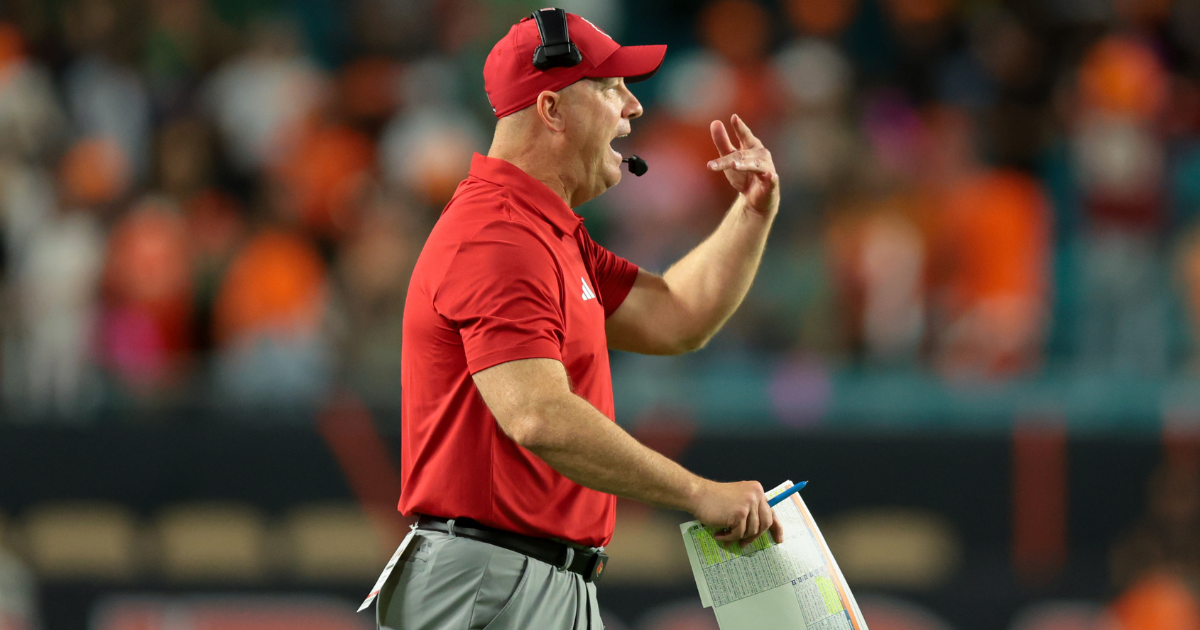

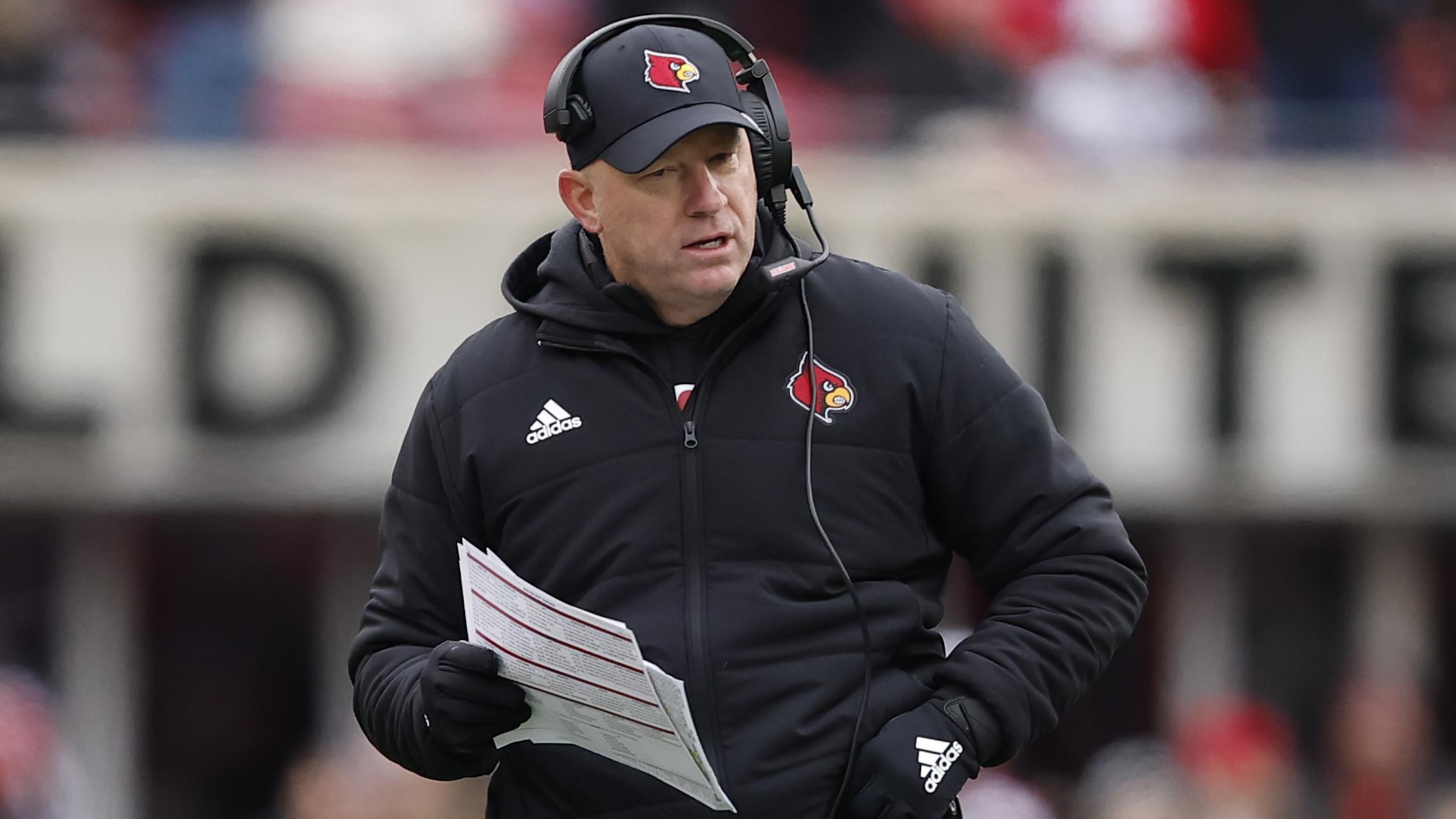

College Football's Strategic Chessboard: Jeff Brohm's High-Stakes Coaching Transition
- Leadership Dynamics Reveal Complex Institutional Decision-Making in Collegiate Athletics











Overview
College football coaching searches represent far more than simple personnel transitions - they are intricate strategic maneuvers that reshape institutional trajectories. The current narrative surrounding Jeff Brohm's potential move from Louisville to Michigan illuminates the complex decision-making ecosystem of top-tier collegiate athletics.
Brohm's strategic positioning emerges as a masterclass in professional navigation. With a successful 9-4 season at Louisville and 28 career wins, he has cultivated a reputation as a transformative coach capable of elevating mid-tier programs. His measured response to Michigan's coaching vacancy - simultaneously expressing contentment with his current role while remaining strategically ambiguous - demonstrates sophisticated career management.
The Michigan coaching search reveals deeper institutional dynamics beyond mere athletic performance. The abrupt departure of the previous coach due to an inappropriate relationship underscores the high-stakes personal and professional risks inherent in leadership roles. Michigan's athletic director Warde Manuel's urgent timeline - seeking a new coach between Christmas and the upcoming bowl game against Texas - highlights the pressure to maintain program momentum and recruiting stability.
Brohm's potential transition represents a calculated risk-reward scenario. Moving from Louisville to Michigan offers substantially expanded resources, a more prestigious program, and potentially higher national visibility. His track record at Purdue, where he consistently achieved 8-9 wins annually and competed in conference title games, positions him as an attractive candidate for programs seeking strategic transformation.
The broader context suggests that coaching transitions are complex organizational shifts. They involve intricate negotiations between institutional reputation, financial considerations, and long-term programmatic vision. Brohm's potential move reflects the dynamic, almost entrepreneurial nature of contemporary collegiate athletic leadership - where coaches are increasingly viewed as strategic architects rather than mere game strategists.
Questions 3
Why is Jeff Brohm an attractive candidate for the Michigan coaching position?
Brohm has demonstrated consistent success, transforming programs like Louisville and Purdue by achieving 8-9 wins annually. His track record of elevating mid-tier teams, combined with strategic coaching abilities, makes him an ideal candidate for Michigan's ambitious athletic program.
What makes college football coaching searches so complex?
Coaching searches involve multifaceted considerations including institutional reputation, financial resources, recruiting potential, and long-term program vision. They are not just about athletic performance, but about selecting a strategic leader who can reshape an entire athletic ecosystem.