


NFL Team Dynamics Reveal Strategic Transformation Playbook for Business Leaders
- Emerging Leadership and Talent Development Strategies Transcend Sports into Organizational Performance




















Overview
The 2025 NFL season unveils a compelling narrative of organizational transformation that extends far beyond the football field, offering profound insights into strategic leadership and talent development applicable across industries. At the core of this year's dynamics lies a critical observation: strategic personnel changes can dramatically reshape an organization's trajectory, much like how businesses navigate competitive landscapes.
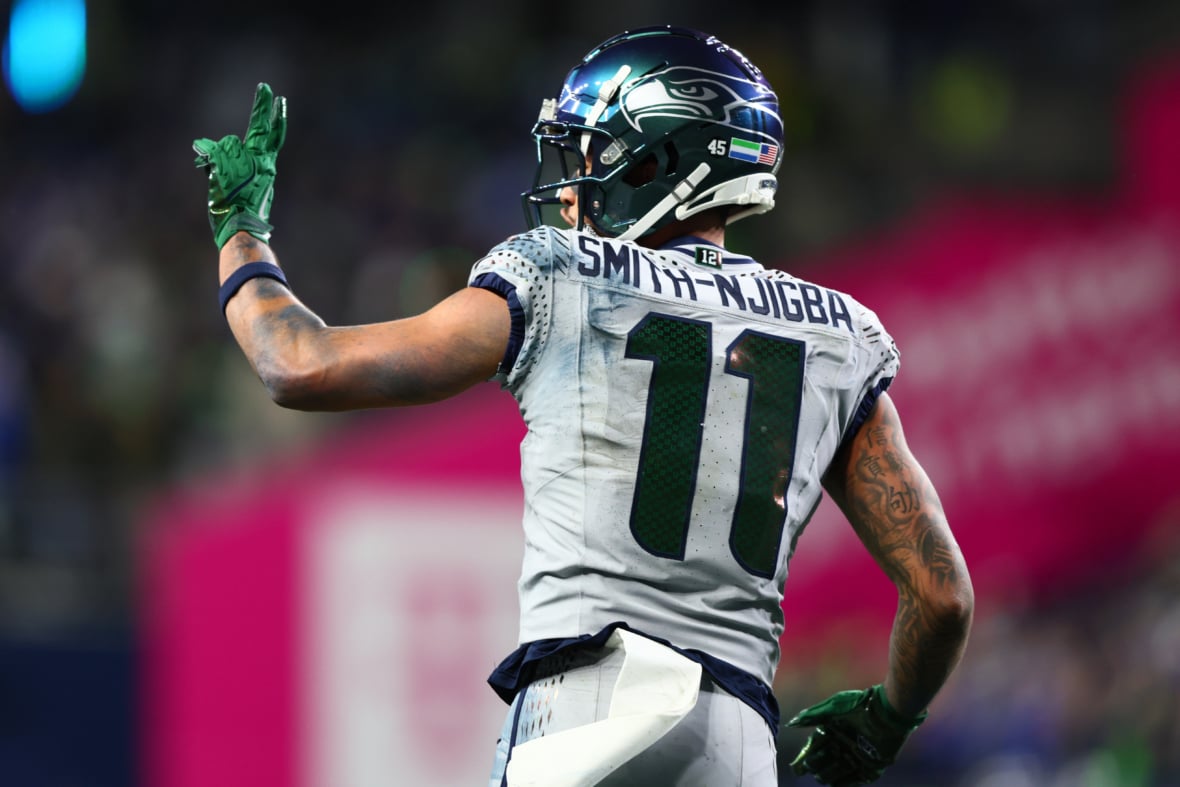
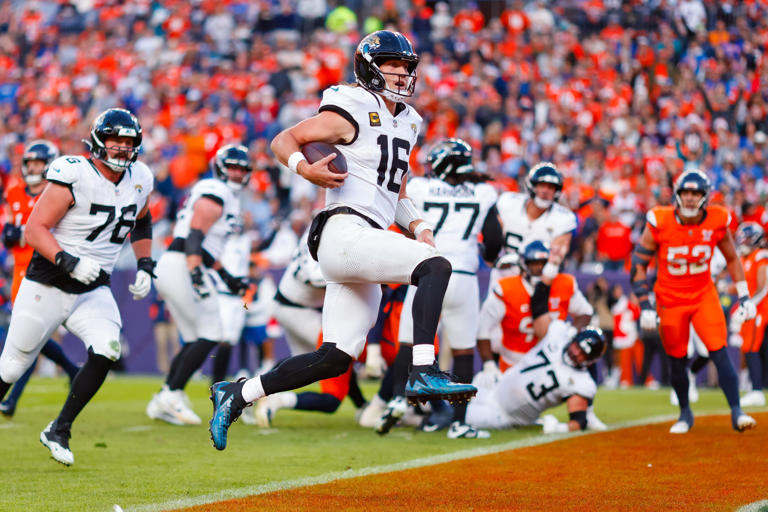
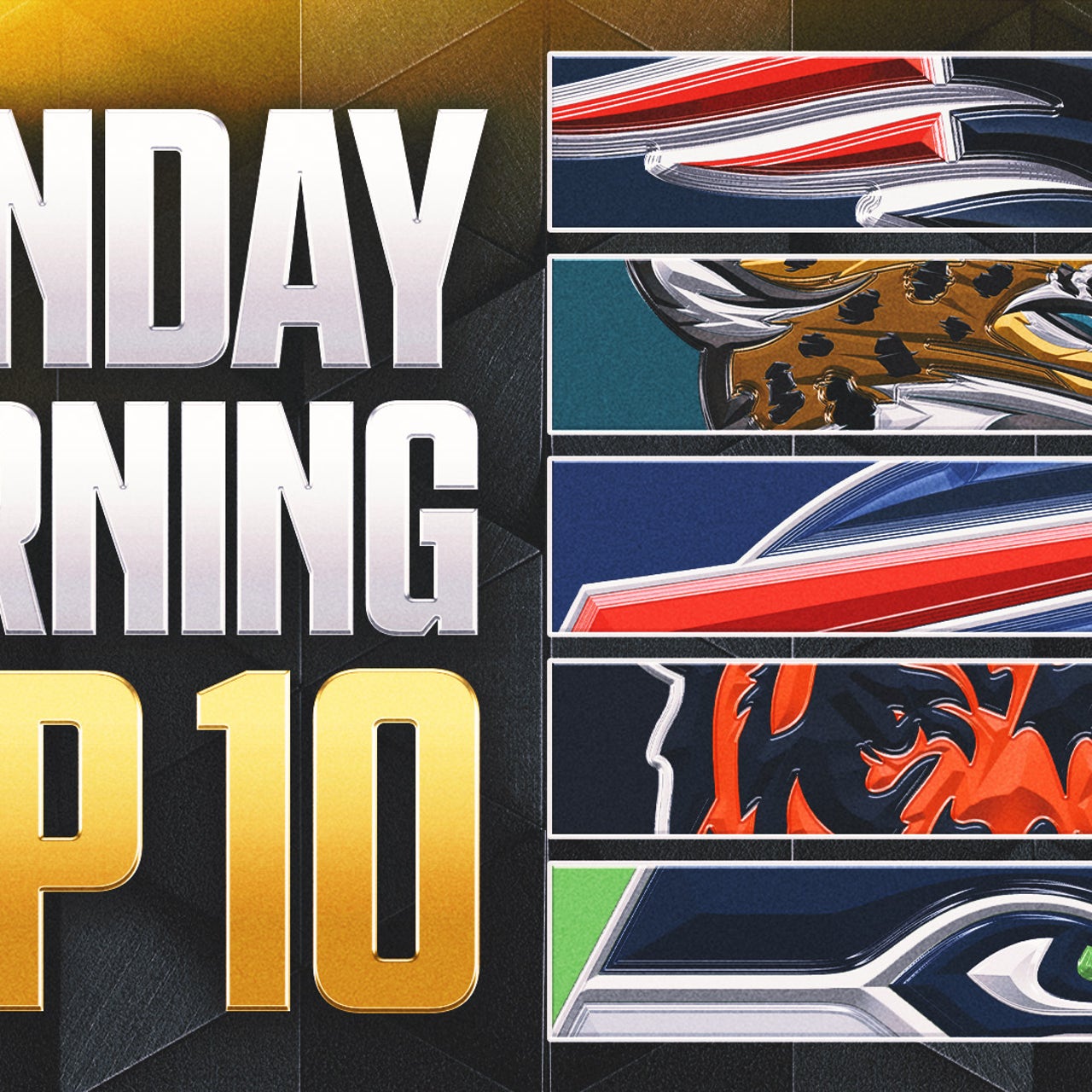
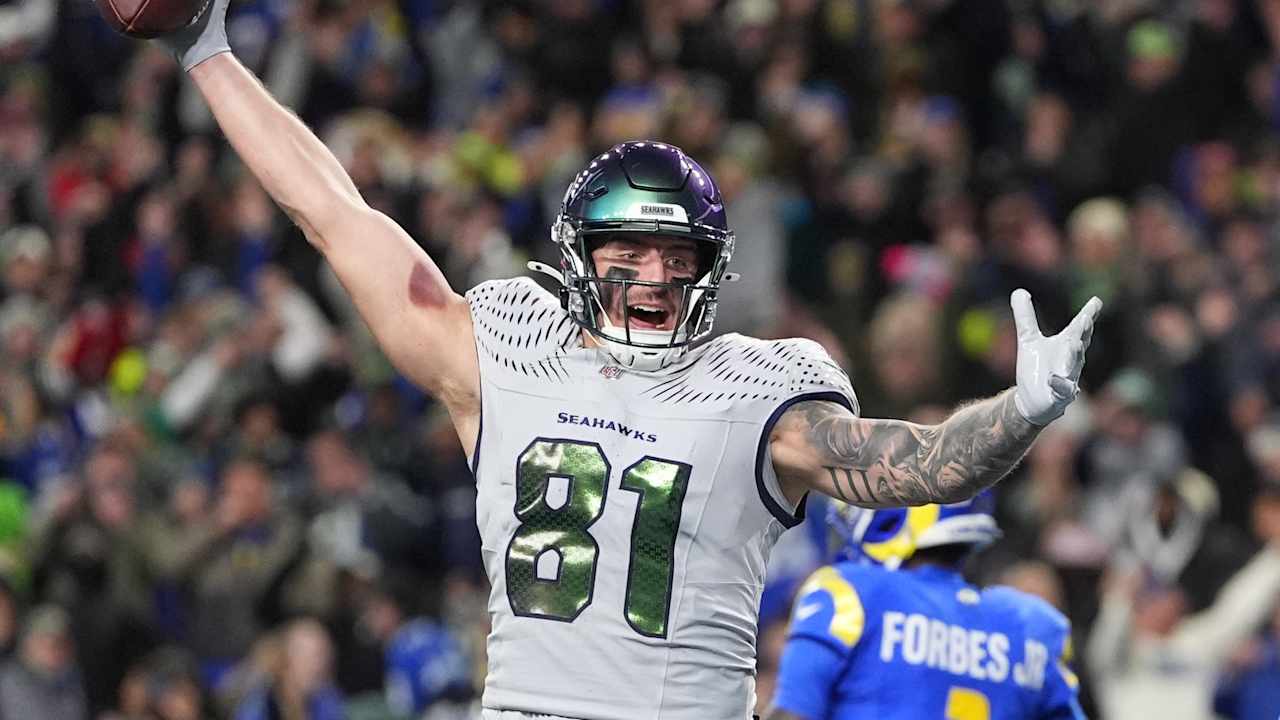
Talent acquisition and leadership transitions emerge as the pivotal drivers of team performance. The Seattle Seahawks' dramatic rise to the top spot, powered by rookie standouts like Grey Zabel, exemplifies how strategic draft selections can inject new energy and capability into established systems. Similarly, the Jacksonville Jaguars' successful offseason, marked by the hiring of coordinator Liam Coen, demonstrates how targeted leadership can elevate team performance—a principle directly translatable to corporate strategy.
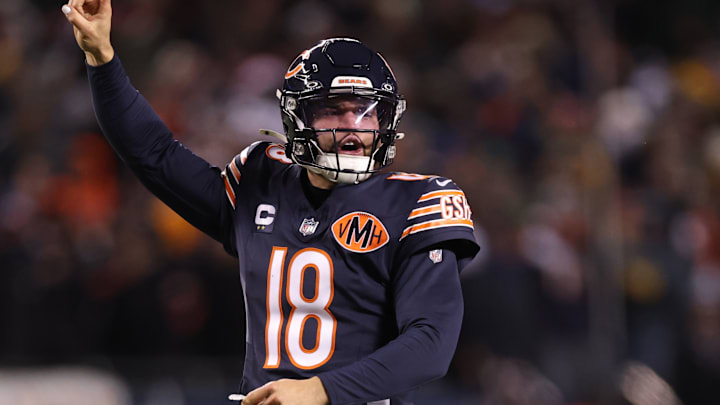
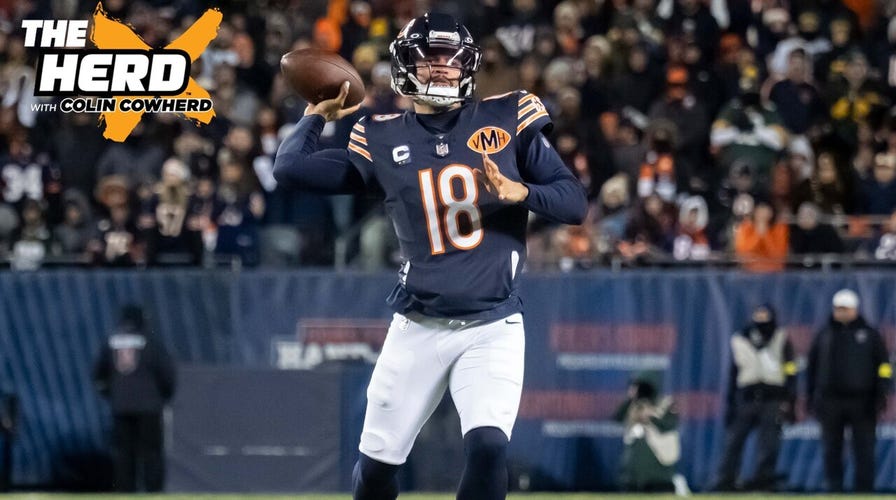
The most intriguing parallel lies in the Chicago Bears' and New England Patriots' organizational transformations. Under new leadership with Ben Johnson and Mike Vrabel respectively, these teams showcase how fresh perspectives and strategic coaching can rapidly turn around seemingly stagnant organizations. This mirrors the critical business imperative of continuous reinvention and adaptive leadership. The Denver Broncos' development of quarterback Bo Nix further underscores the importance of nurturing internal talent and providing structured growth environments.
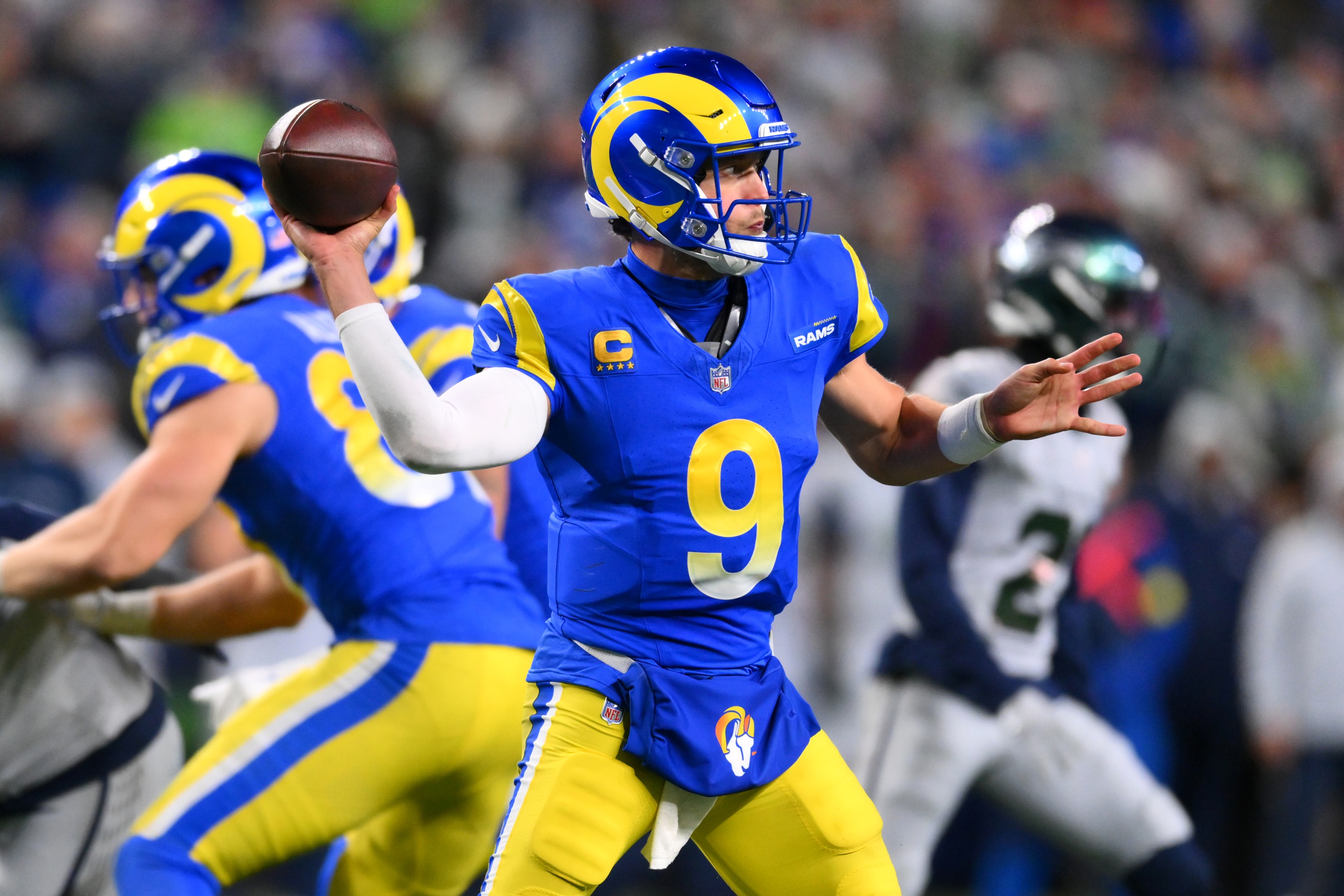
What distinguishes these NFL team developments is not just individual brilliance, but the systematic approach to talent development. The rookie performances across teams like the Seahawks, Rams, and Broncos reveal a sophisticated ecosystem of talent identification, strategic placement, and performance optimization. For business leaders, this represents a powerful blueprint: success is not about acquiring star talent, but creating organizational architectures that enable consistent, scalable performance improvement.
Critically, these insights transcend sports, offering a universal framework for organizational transformation. The ability to integrate new talent, provide strategic leadership, and create adaptive performance cultures represents the true competitive advantage in both athletic and business domains.
Questions 3
How do NFL team strategies mirror business organizational development?
NFL teams demonstrate that success hinges on strategic talent acquisition, leadership transitions, and creating adaptive performance cultures. The Seahawks and Jaguars show how targeted rookie selections and leadership changes can rapidly transform team dynamics, directly paralleling corporate talent management strategies.
What can business leaders learn from the 2025 NFL team transformations?
Key lessons include the importance of systematic talent development, strategic leadership placement, and creating organizational environments that enable continuous performance improvement. The Bears and Patriots exemplify how fresh leadership perspectives can quickly revitalize seemingly stagnant organizations.