

/GettyImages-2249033624.webp)
Red Bull's Formula 1 Talent Shuffle: Young Drivers Rewrite the Racing Playbook
- Strategic driver lineup transformation signals next-generation motorsport talent development
/permane-feature-main-header.webp)













Overview
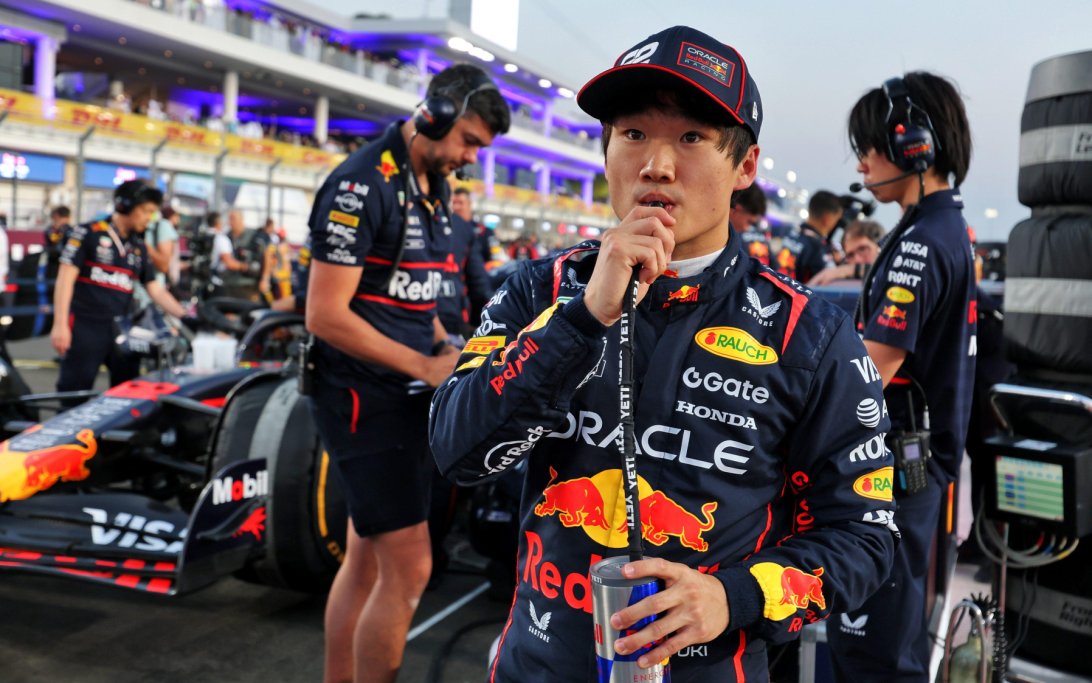
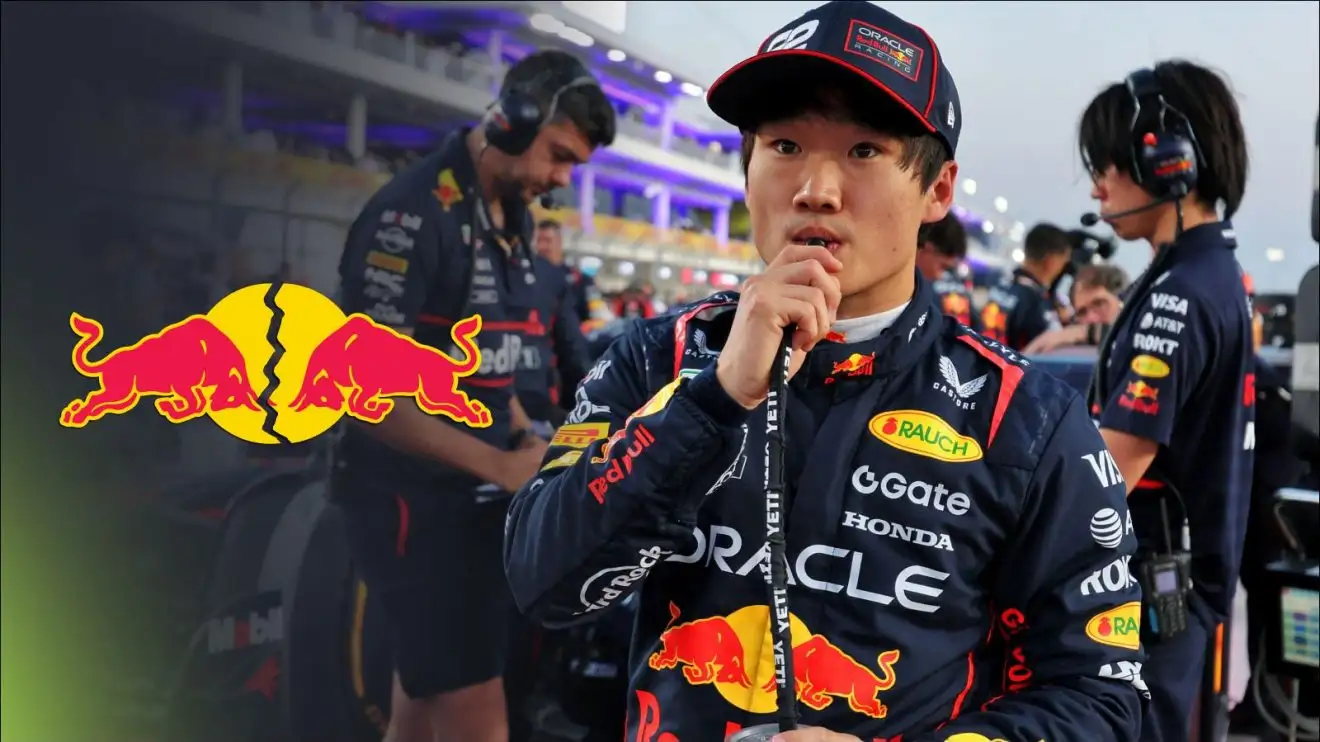
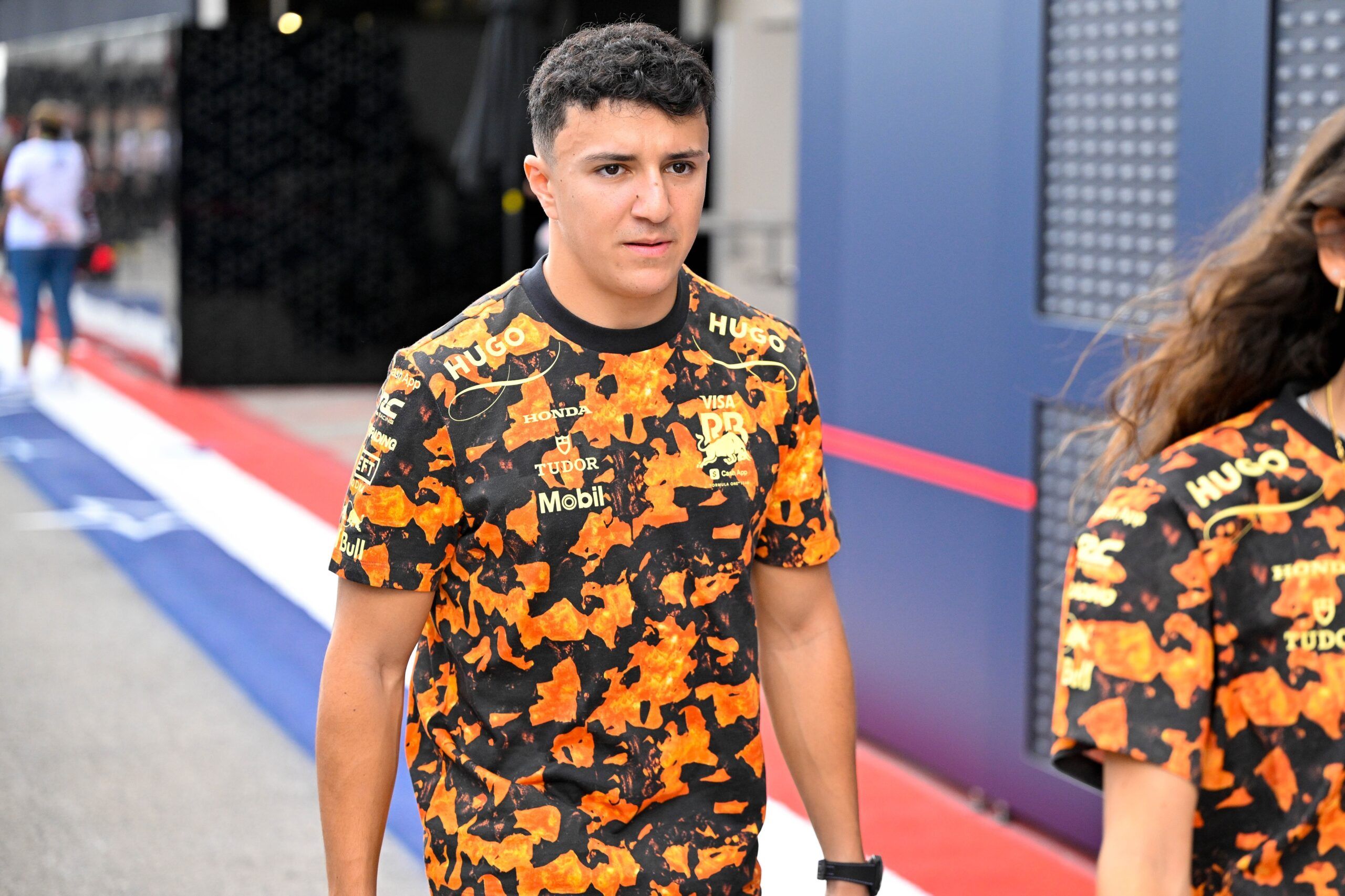
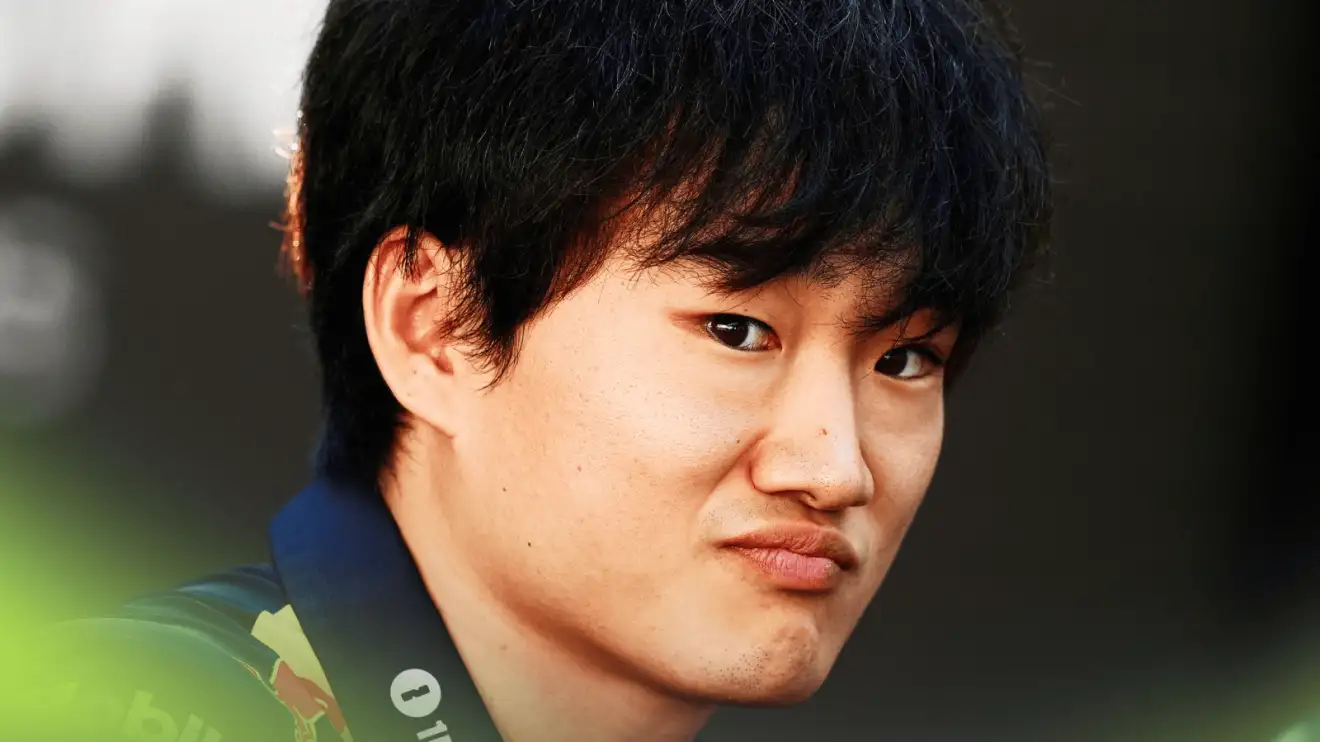
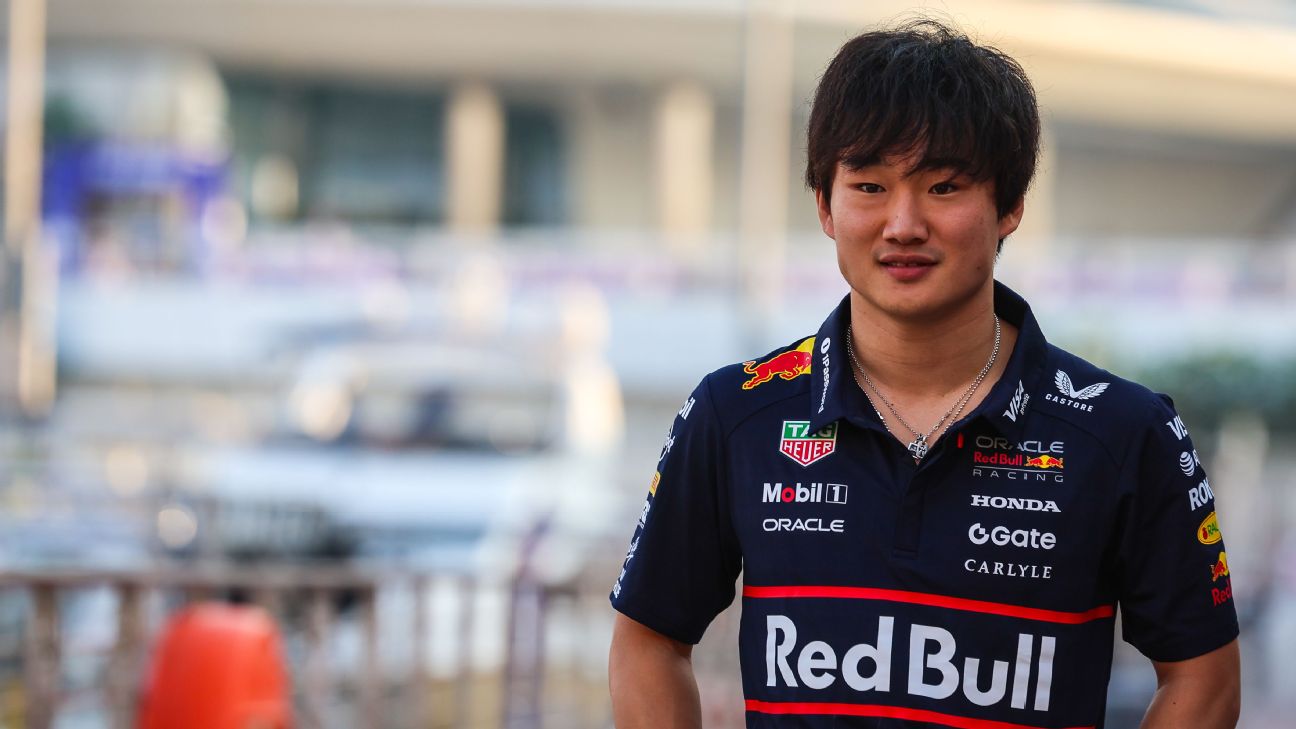
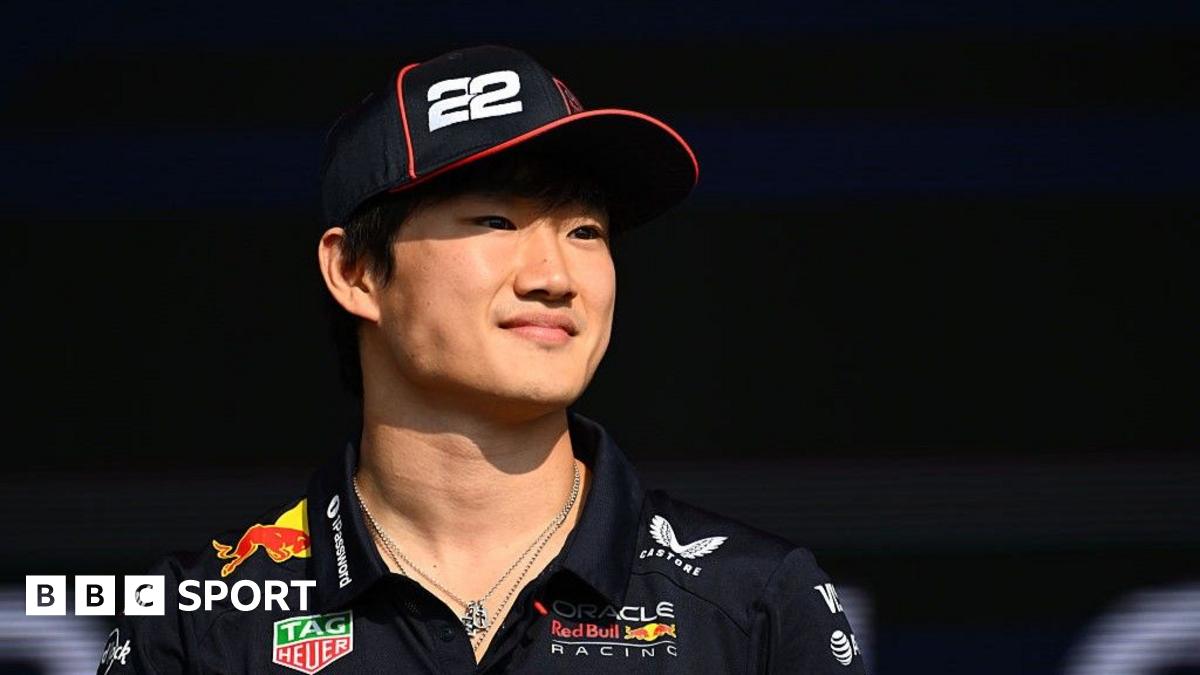
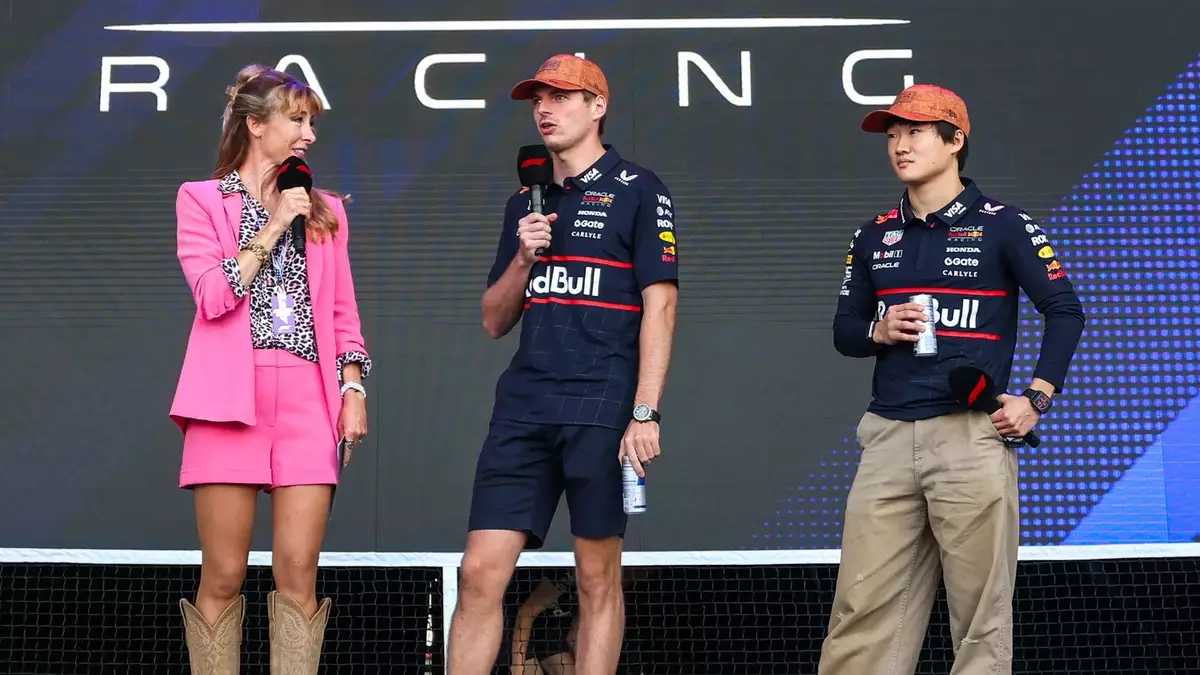
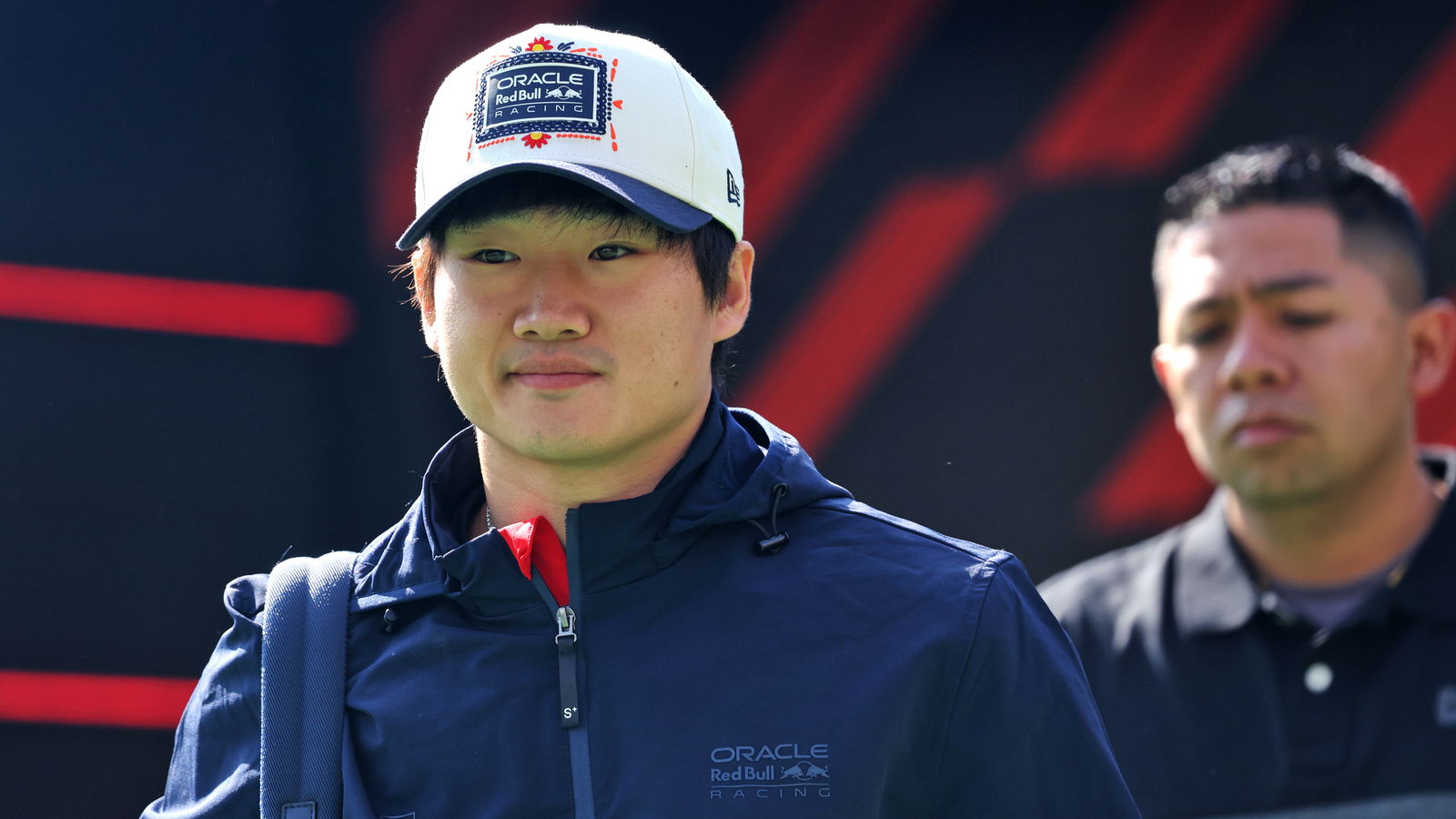
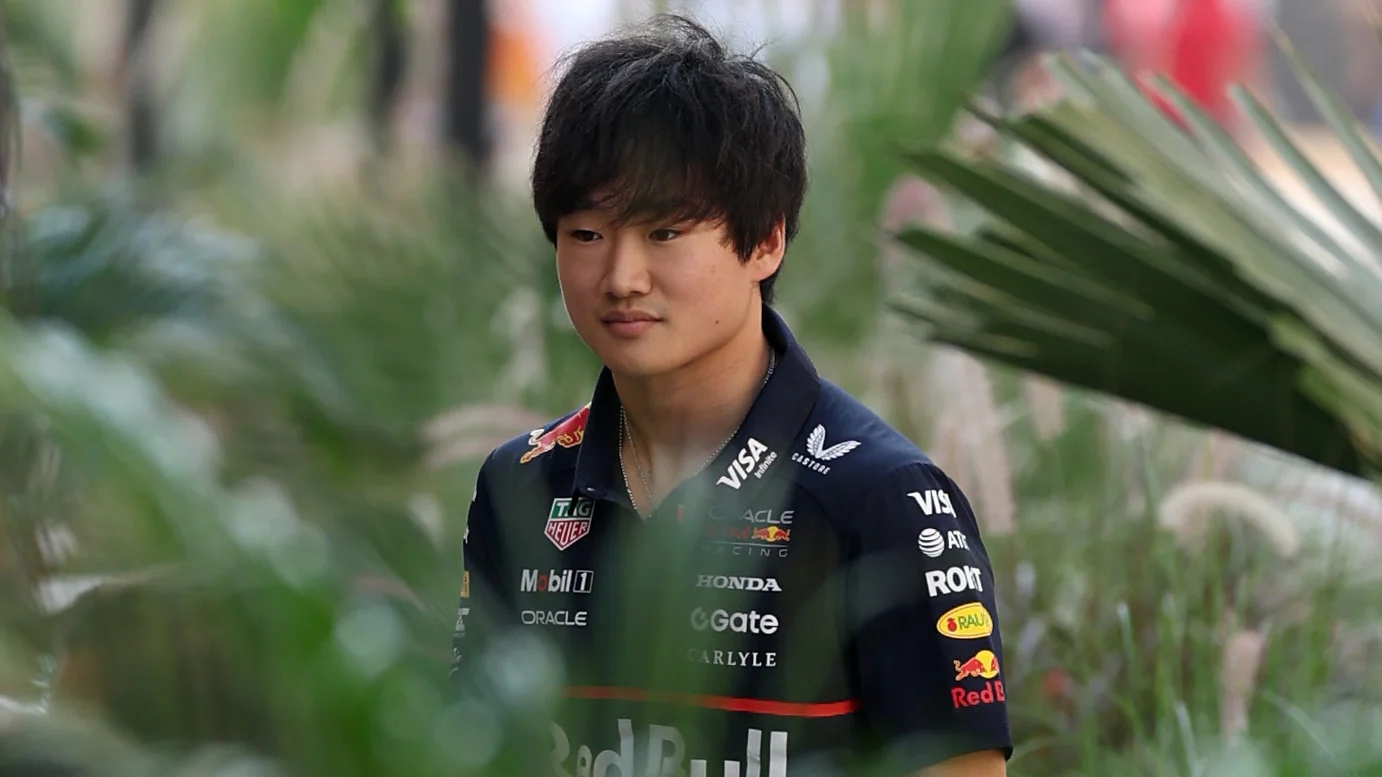
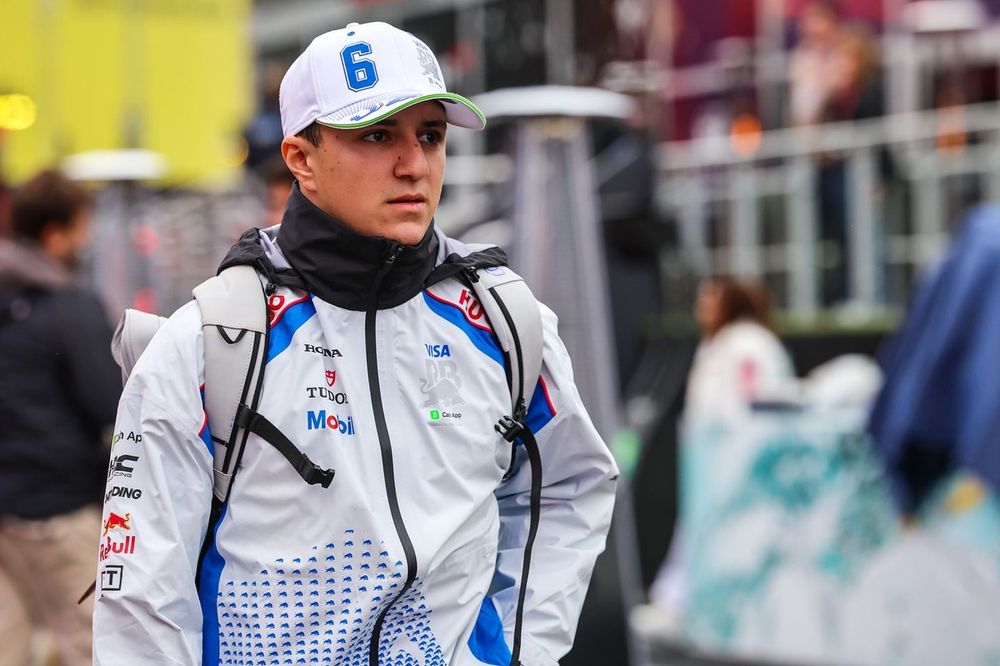
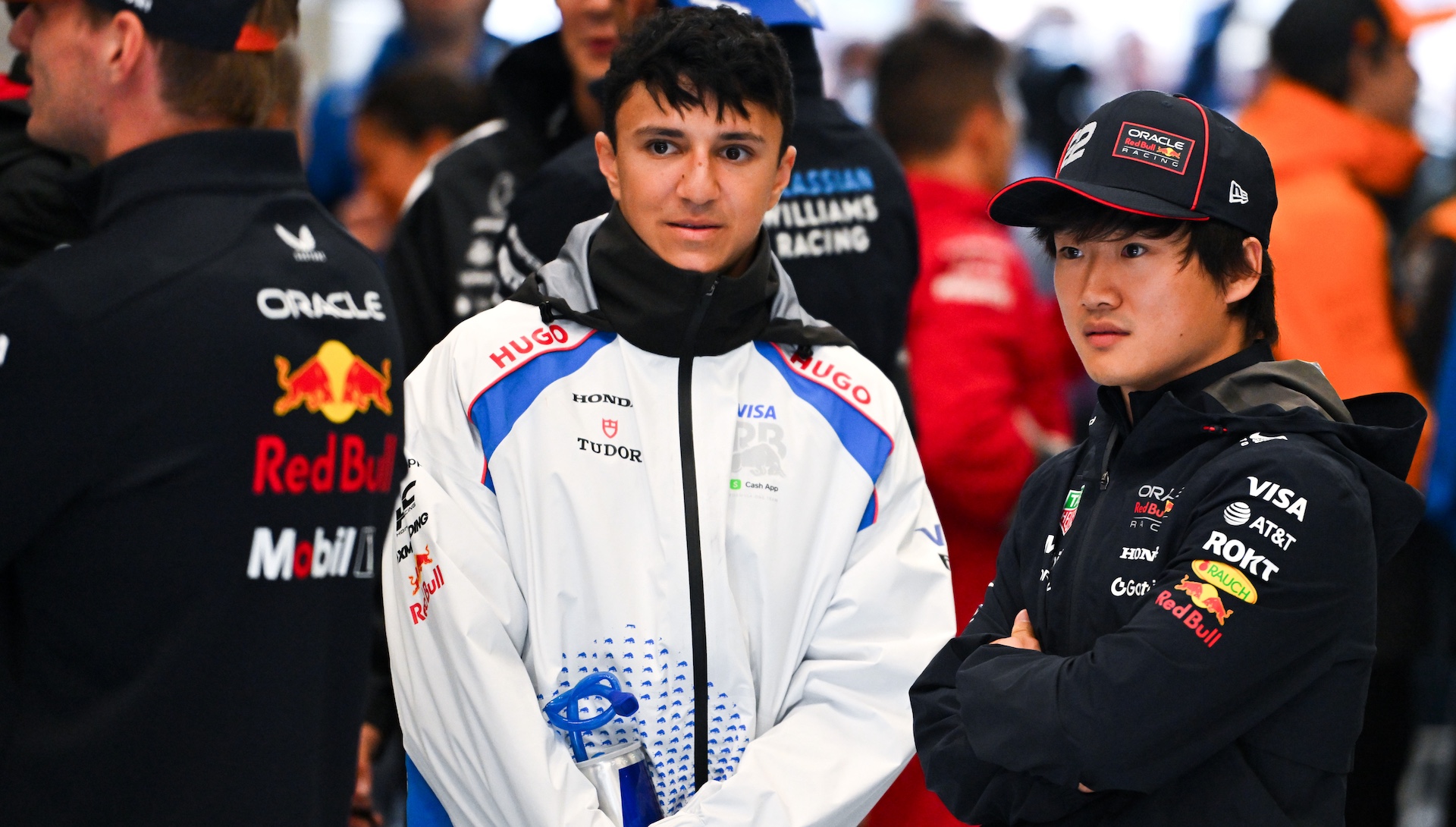
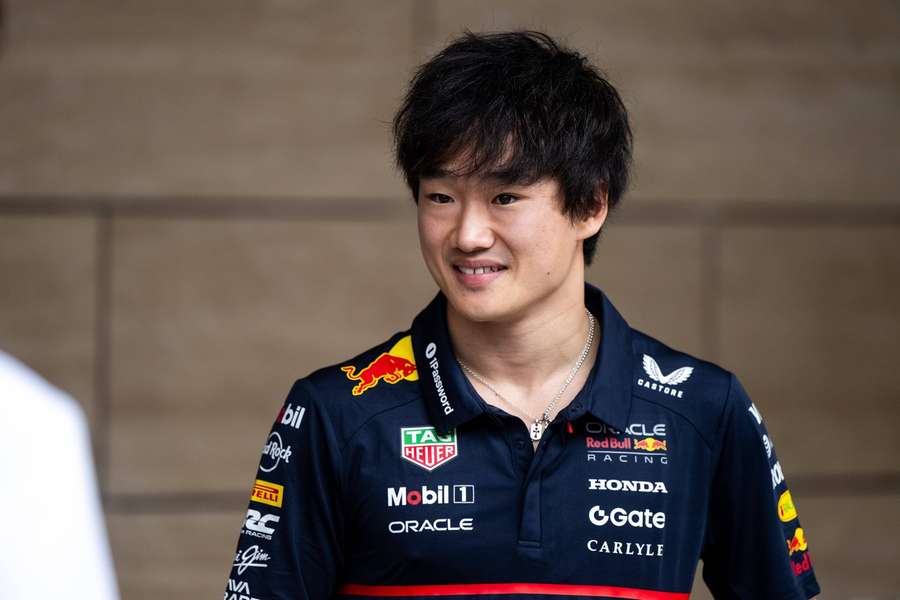
Formula One's talent ecosystem is undergoing a dramatic transformation, with Red Bull Racing executing a bold strategic realignment that reveals the cutthroat dynamics of modern motorsport talent management. The team's decision to replace Yuki Tsunoda with Isack Hadjar for the 2026 season represents more than a simple driver swap—it's a calculated recalibration of the team's competitive strategy.
Performance-driven talent replacement emerges as the core narrative. Tsunoda, despite being part of Red Bull's junior program, failed to meet the team's stringent performance expectations. His emotional admission that "F1 is my life" contrasts sharply with the clinical precision of Red Bull's talent evaluation. Even Honda's attempt to preserve Tsunoda's seat by offering discounted engine rates couldn't overcome the team's strategic imperatives.
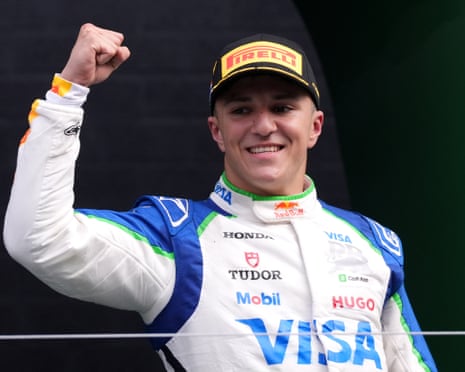
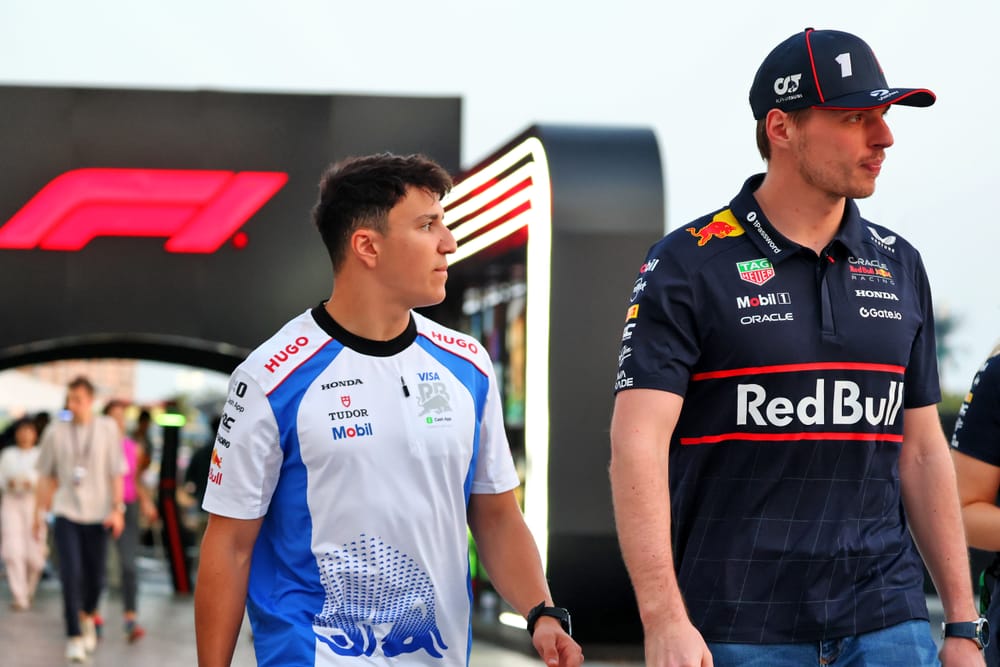
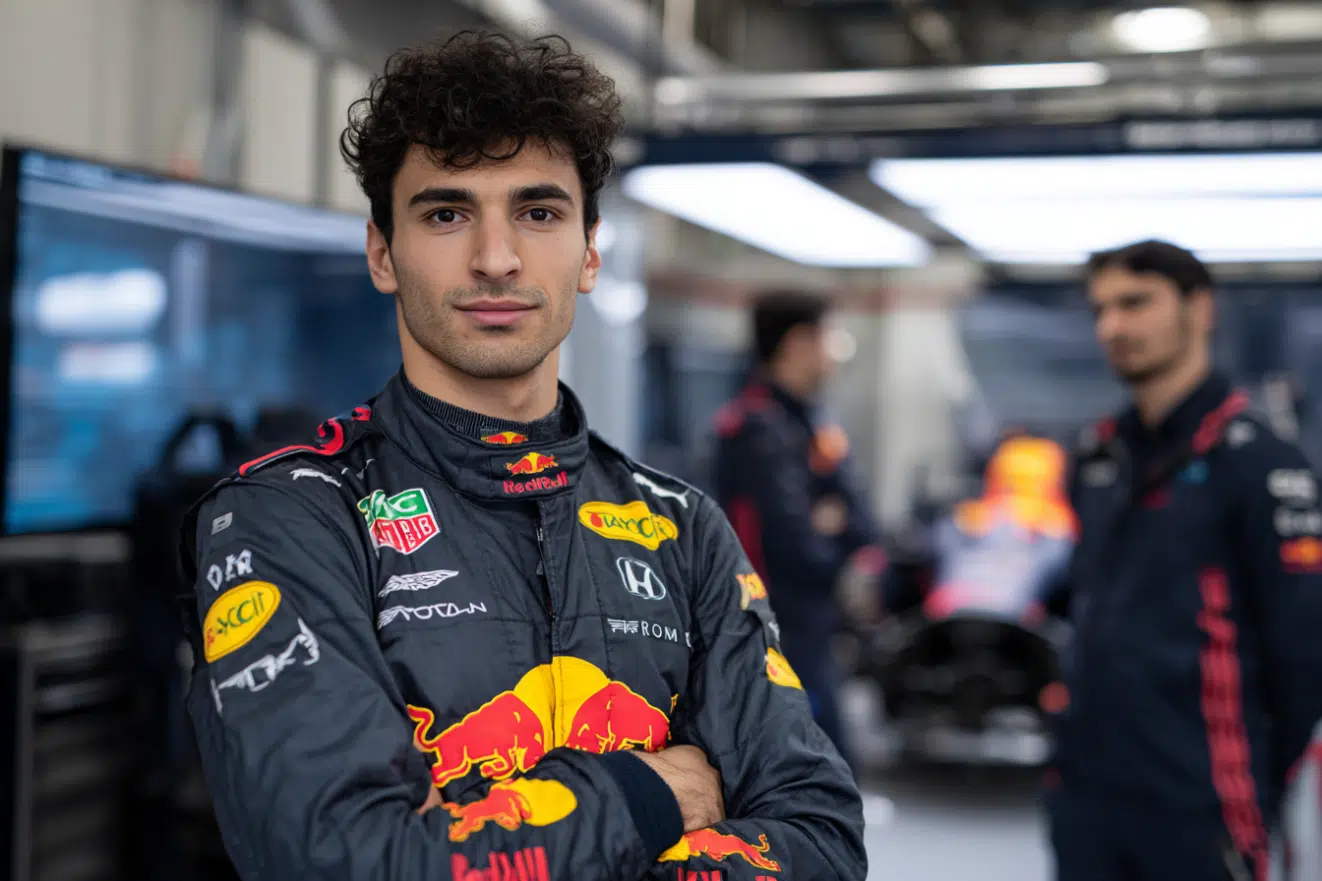
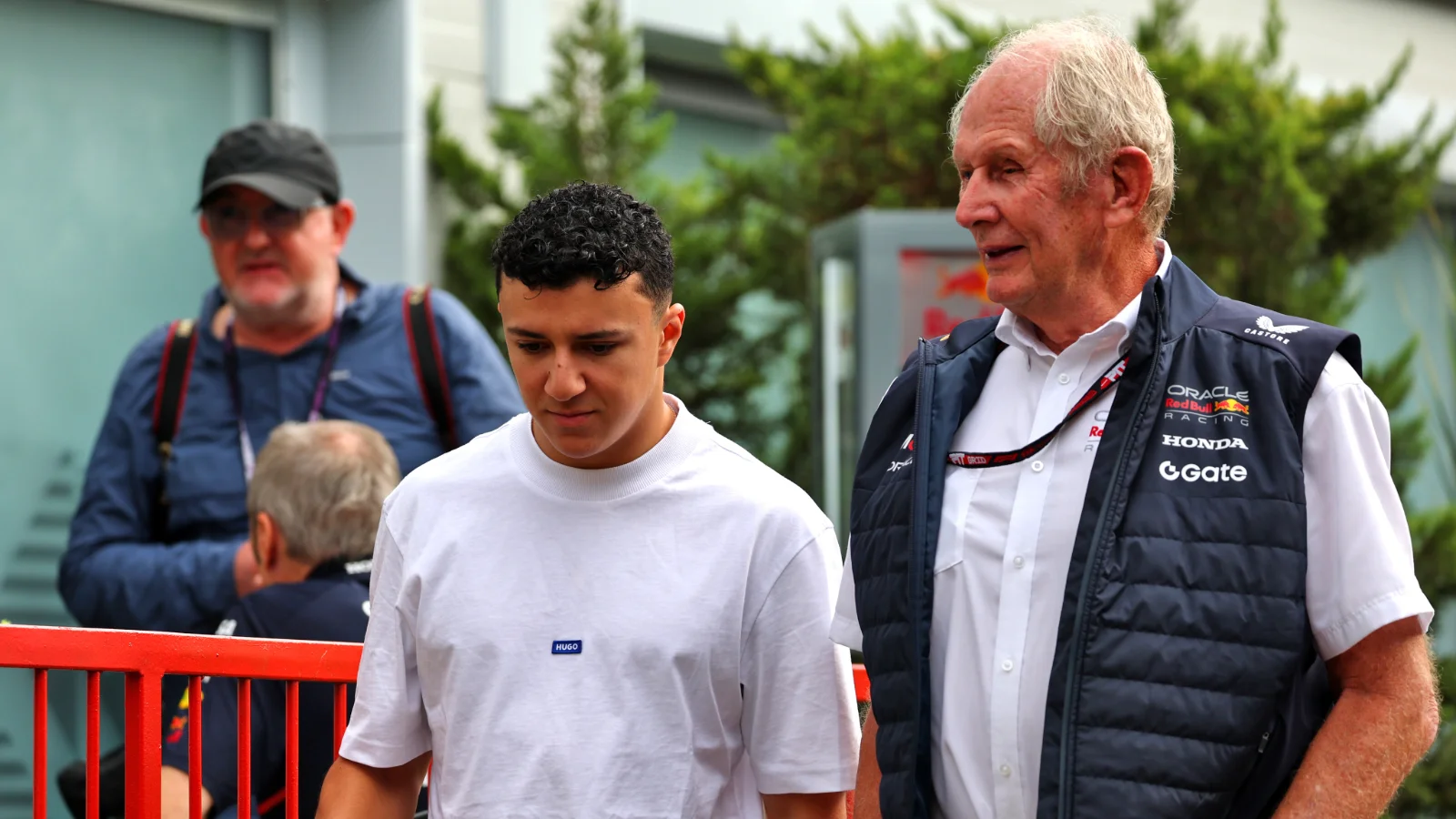
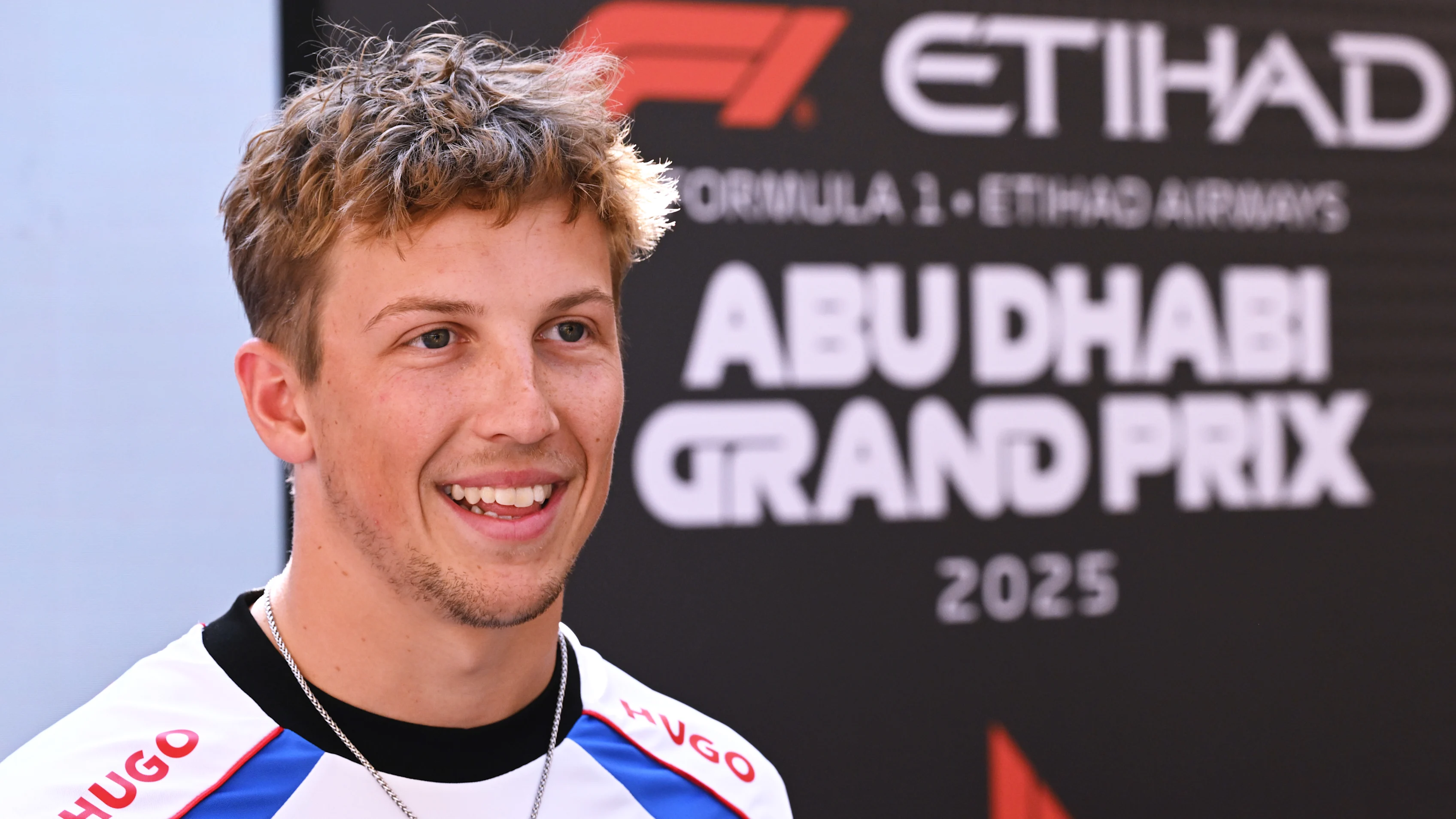
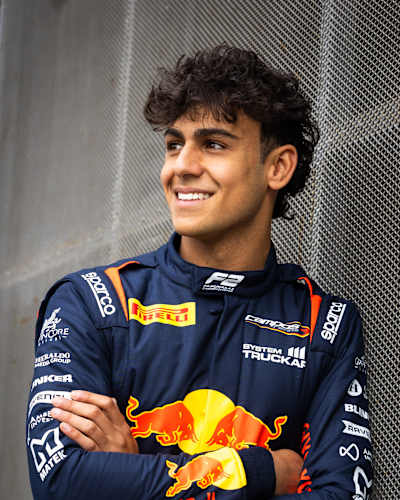
The promotion of Isack Hadjar, a 20-year-old French driver with an already impressive rookie season, underscores Red Bull's commitment to nurturing young talent. Hadjar's debut podium at the Dutch Grand Prix and current 10th place in the drivers' championship demonstrate the potential that Red Bull sees in its next generation of racers. Simultaneously promoting Arvid Lindblad to Racing Bulls further reinforces this youth-centric approach.
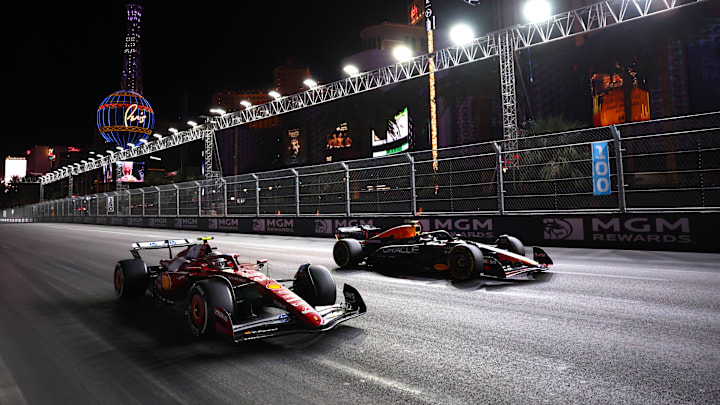
Critically, this driver lineup change coincides with significant 2026 Formula One regulations introducing new car and engine specifications. Red Bull's decision to produce its own engines while refreshing its driver lineup signals a comprehensive technological and human capital reset. Team principal Laurent Mekies' confidence in Hadjar suggests the team views this transition as more than a mere personnel change—it's a strategic repositioning for the next era of competitive racing.
The move epitomizes modern sports talent management: ruthlessly performance-driven, forward-looking, and unsentimentally focused on potential over past achievements. For emerging drivers, the message is clear: consistent high-performance is the only currency that truly matters.
Questions 4
What makes Isack Hadjar a promising replacement?
Hadjar has already demonstrated significant potential, securing a debut podium at the Dutch Grand Prix and currently sitting 10th in the drivers' championship. At just 20 years old, he represents the next generation of talent in Red Bull's development pipeline.
Why did Red Bull decide to replace Yuki Tsunoda?
Tsunoda underperformed relative to Red Bull's high standards. Despite being part of their junior program, his racing results did not meet the team's competitive expectations. The decision reflects Red Bull's ruthlessly performance-driven approach to talent management.