






College Football Recruiting Signals Emerging Talent Pipeline Dynamics
- Strategic talent acquisition reshaping collegiate athletic recruitment landscape


























Overview
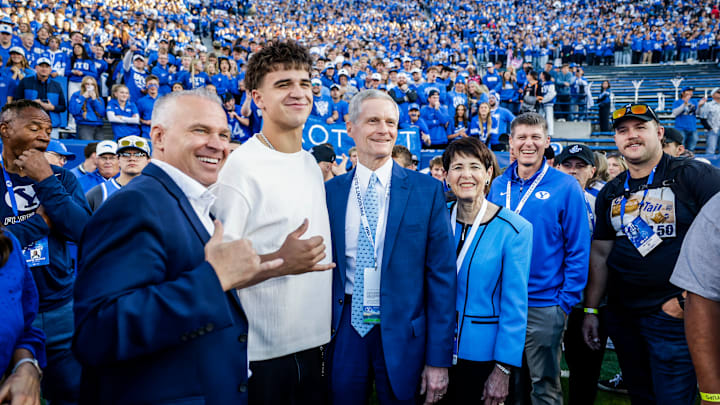
In the intricate world of collegiate athletics, talent recruitment represents a critical strategic battleground where universities compete not just on the field, but in the high-stakes arena of player acquisition. The recent announcements from BYU Football regarding their 2026 early signees, particularly the commitment of quarterback Ryder Lyons, illuminate broader trends in how athletic programs build their future competitive capabilities.
Talent Acquisition as Organizational Strategy emerges as a key insight from these developments. By securing early commitments like Ryder Lyons, BYU demonstrates a proactive approach to building its football program's future infrastructure. This isn't merely about signing a single player, but about constructing a comprehensive talent pipeline that can sustain competitive performance over multiple seasons.
The strategic implications extend beyond individual player metrics. Early recruitment signals represent a complex ecosystem of talent evaluation, relationship building, and long-term program planning. Universities like BYU are essentially making multi-year investments in human capital, identifying potential stars before they fully emerge and creating structured pathways for their athletic and academic development.
Moreover, these recruitment announcements reveal the increasingly sophisticated nature of collegiate athletic talent scouting. Modern programs leverage extensive data analytics, performance tracking, and comprehensive evaluation frameworks to identify and attract promising athletes. The 2026 early signees represent not just individual talents, but potential transformation agents for the entire athletic program's trajectory.
Critically, this approach reflects a broader trend of strategic long-term planning in collegiate athletics. By securing commitments years in advance, programs like BYU create stability, build anticipatory momentum, and signal their commitment to sustained excellence. The recruitment process has evolved from a transactional exercise to a nuanced, strategic organizational capability.
Questions 3
How do universities like BYU evaluate potential recruits?
Modern recruitment involves comprehensive assessments including athletic performance metrics, academic potential, character evaluation, and advanced data analytics to identify players who can contribute to the program's long-term success.
Why are early signees important for college football programs?
Early signees provide programs with strategic advantages by securing talented athletes years in advance, allowing for long-term planning, roster development, and creating stability in the athletic program's future competitive positioning.