




Liverpool's Performance Dynamics Reveal Deeper Team Transformation Challenges
- Navigating Player Adaptation and Tactical Resilience in Modern Football


















Overview
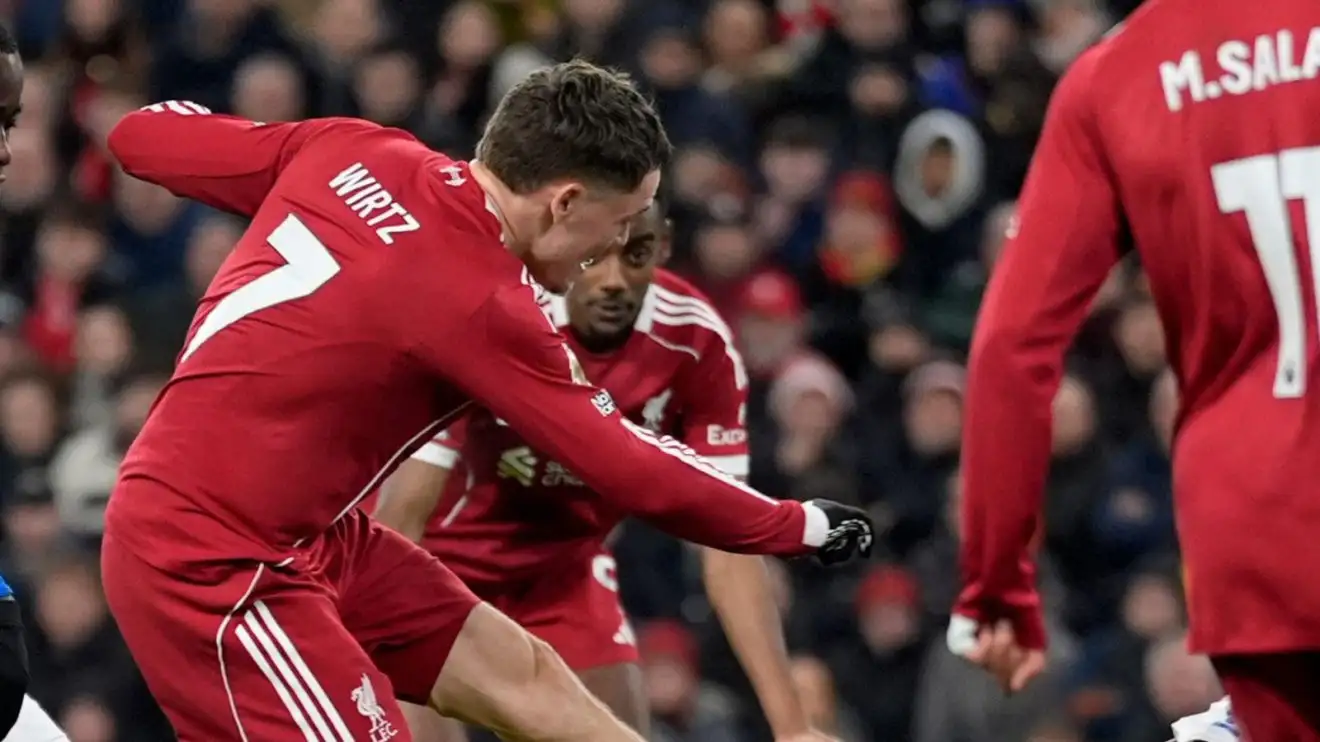
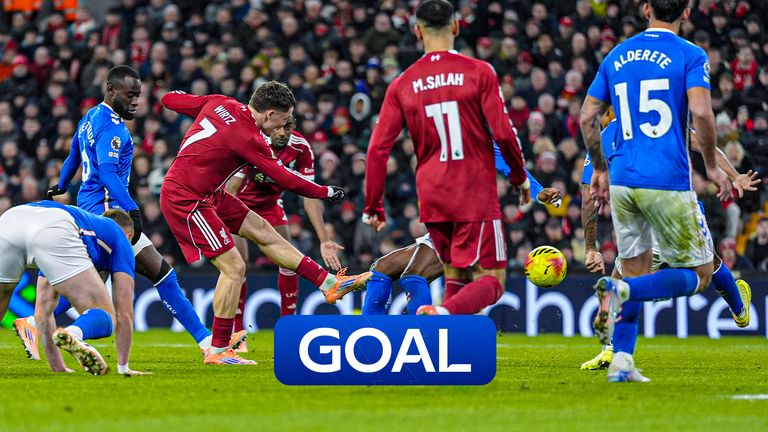
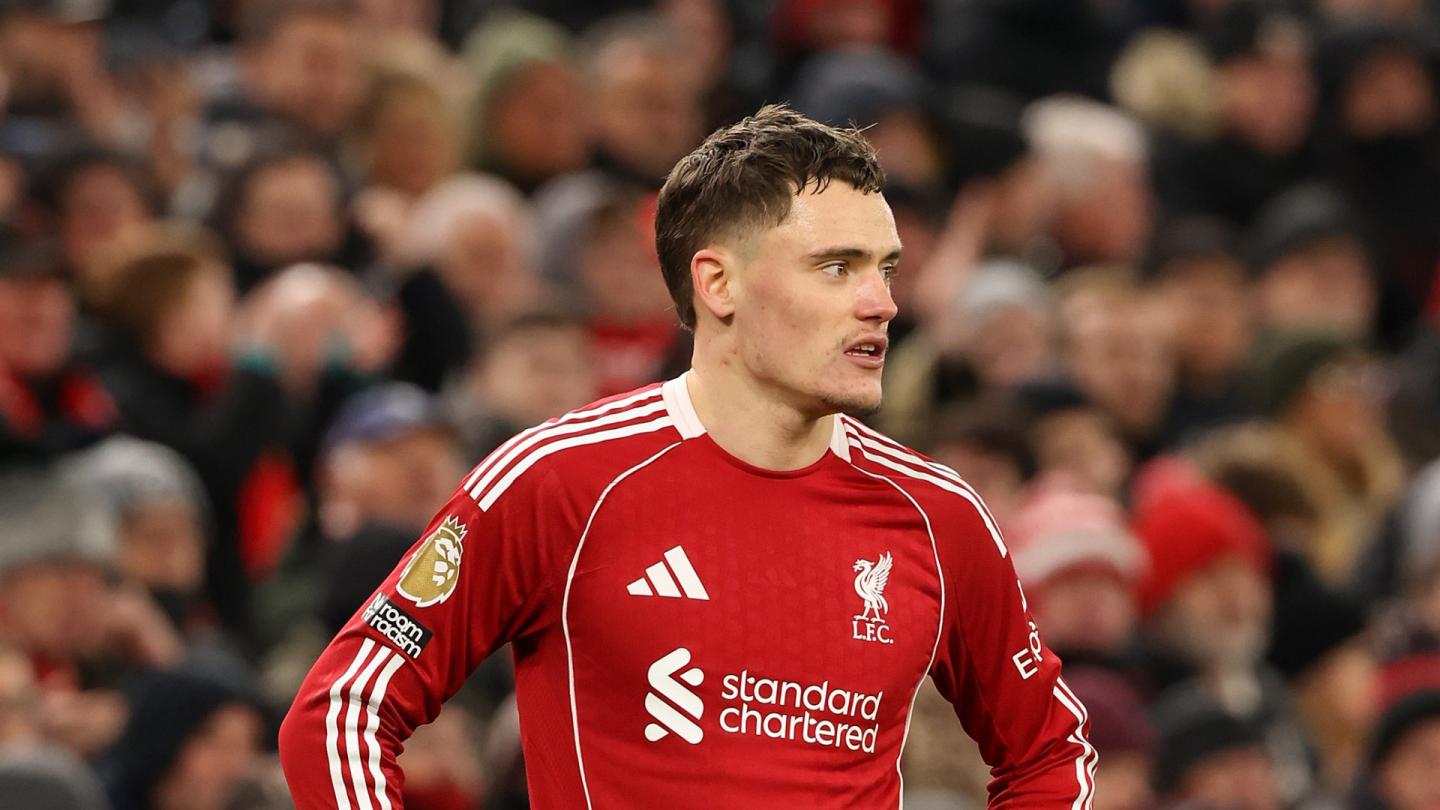
Liverpool's recent match performances illuminate the complex psychological and strategic challenges facing modern football teams during transitional periods. The narrative emerging from the Liverpool vs. Sunderland match and Florian Wirtz's debut highlights a critical inflection point in team development where individual player confidence and tactical flexibility become paramount.
Psychological Resilience in Player Integration emerges as a key theme. Virgil van Dijk's supportive approach toward Wirtz—encouraging him to look beyond statistical metrics—reveals a sophisticated understanding of player psychology. By emphasizing mental strength over immediate performance outcomes, Liverpool's leadership demonstrates a nuanced strategy for integrating new talent. The "numbers game" commentary suggests that modern football increasingly values adaptive potential over raw statistical performance.
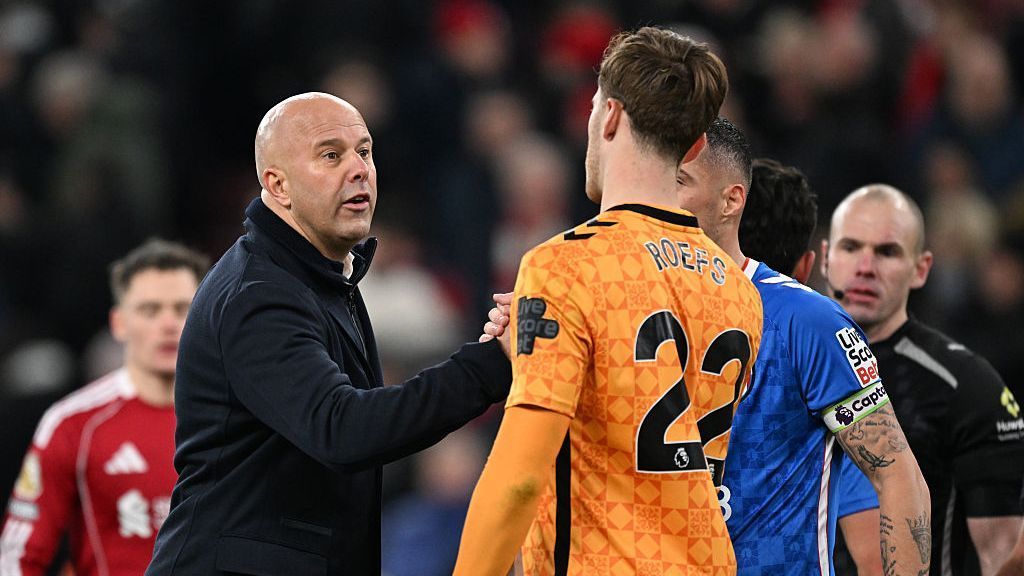
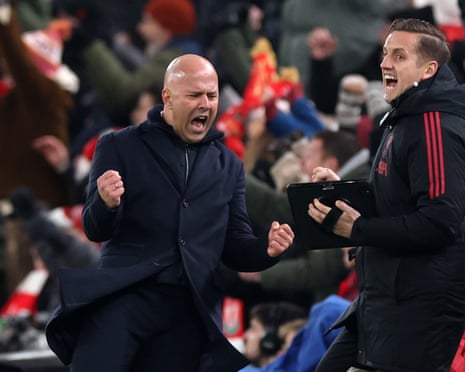
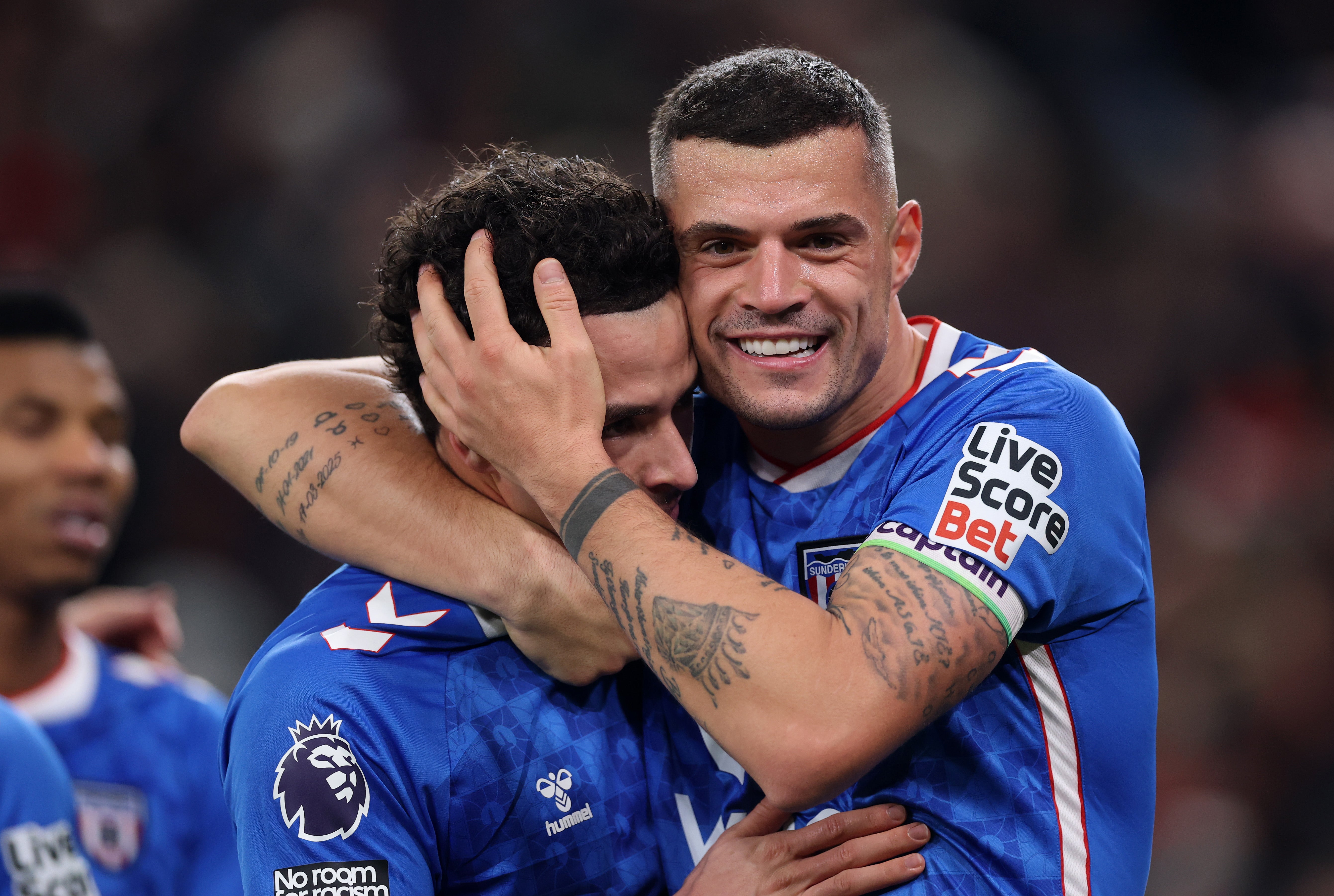
Tactical Adaptability Under Pressure is another critical insight. The 1-1 draw against Sunderland, featuring an own goal that salvaged a point, underscores the unpredictable nature of competitive football. Manager Arne Slot's strategic decisions—such as initially keeping Mohamed Salah on the bench and making calculated substitutions—reflect a sophisticated approach to game management. This suggests that contemporary football success hinges not just on individual brilliance, but on collective resilience and strategic flexibility.
The broader implications extend beyond a single match. These performances signal a transitional phase in Liverpool's team strategy, where player development, psychological support, and tactical innovation converge. For emerging players like Wirtz and established teams navigating competitive landscapes, the ability to maintain composure, adapt quickly, and support individual talent becomes a critical competitive advantage.
Ultimately, these matches reveal that modern football is as much a psychological and strategic endeavor as it is a physical competition. Teams that master the delicate balance between individual potential and collective performance are most likely to succeed in an increasingly complex sporting ecosystem.
Questions 3
How does Liverpool's approach to player integration differ from traditional methods?
Liverpool demonstrates a psychologically nuanced approach by focusing on player confidence and long-term potential rather than immediate statistical performance. Van Dijk's supportive guidance to Wirtz exemplifies a modern strategy that prioritizes mental resilience and adaptive potential over raw metrics.
Why is psychological support critical for new players like Florian Wirtz?
For players transitioning to new teams, psychological support helps mitigate performance anxiety and accelerates integration. By encouraging Wirtz to look beyond immediate statistical outcomes, Liverpool's leadership helps build long-term confidence and creates a supportive environment for talent development.