




Racing Industry Power Struggle Erupts as Teams Challenge NASCAR's Monopolistic Practices
- Emerging competitive tensions threaten established motorsports business model for racing team owners














Overview
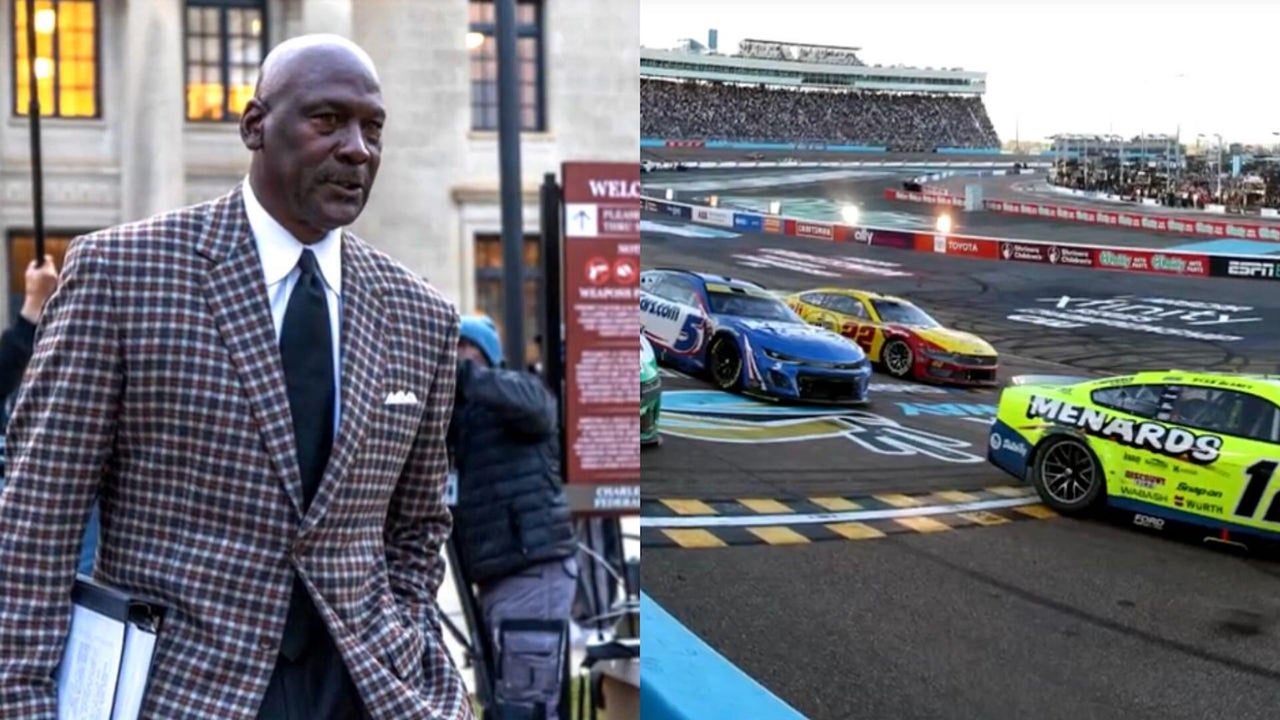
The NASCAR charter agreement lawsuit represents a critical inflection point in professional motorsports, exposing deep structural tensions between league management and team ownership. At the heart of this $145 million legal challenge lies a fundamental dispute about market fairness and competitive constraints within a historically monopolistic racing ecosystem.
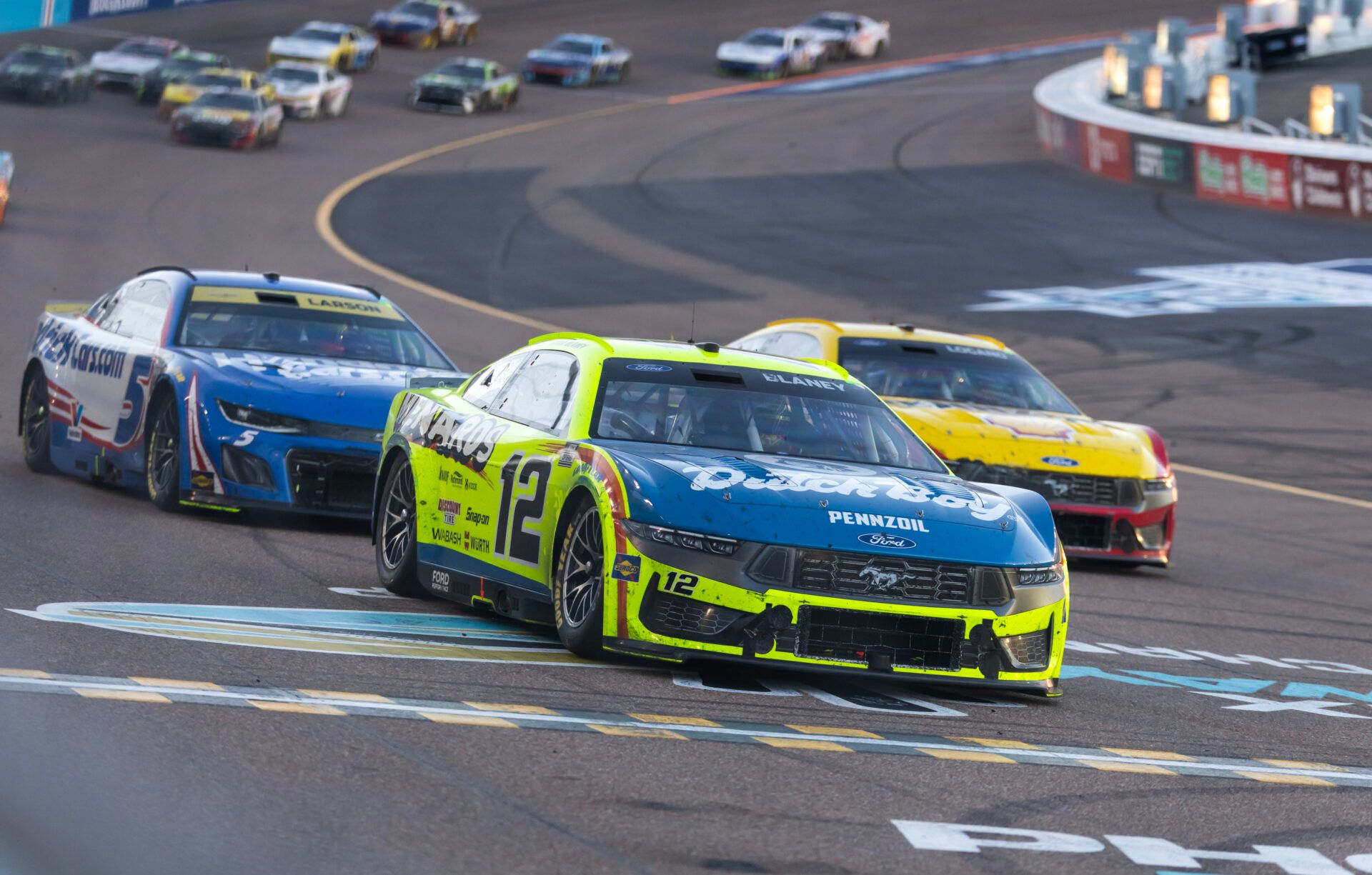
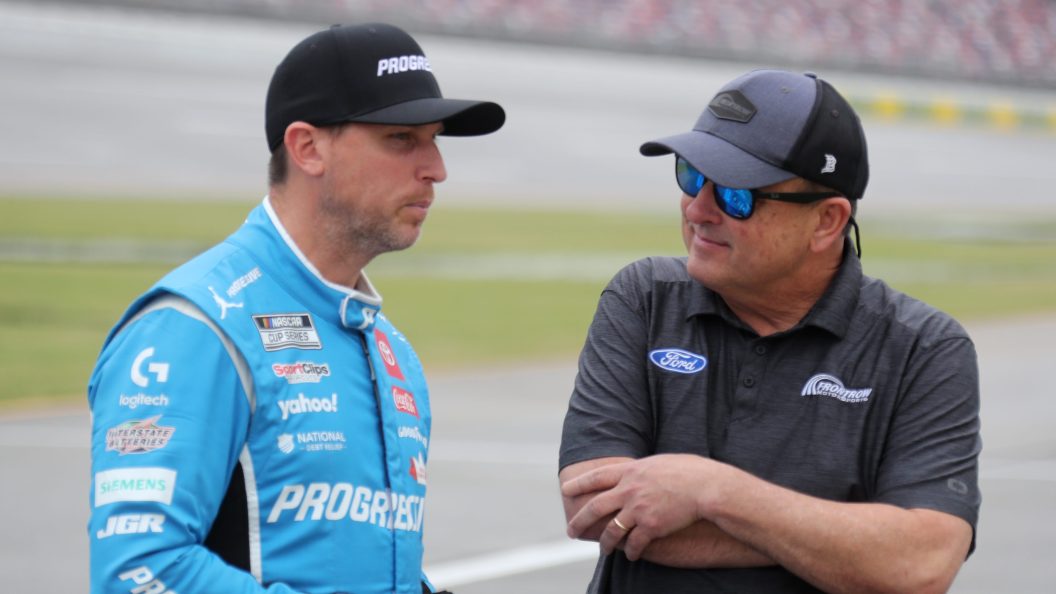
Competitive Barriers in Motorsports are being dramatically challenged by Front Row Motorsports and 23XI Racing, who are refusing to accept the current charter agreement. The lawsuit highlights a stark economic reality: racing team operational costs have skyrocketed from $1.8 million to $4.7 million, creating immense financial pressure that exposes the existing regulatory framework's limitations.
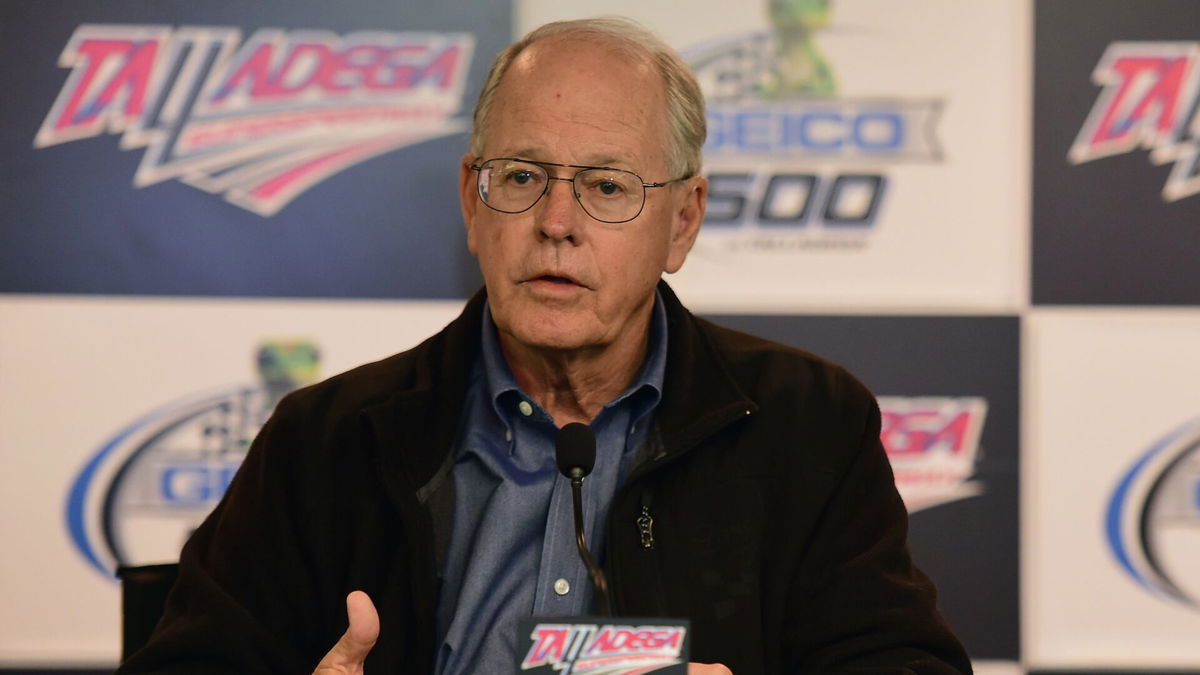
Strategic Market Dynamics reveal a profound shift. While thirteen of fifteen Cup Series teams have signed the 2025 charter agreement, the two dissenting teams are signaling a potential systemic revolt. Bob Jenkins' testimony strategically frames the charter as anti-competitive, arguing that the current structure artificially limits market options and team autonomy. This legal action represents more than a financial dispute—it's a structural challenge to NASCAR's long-standing governance model.
The lawsuit's significance extends beyond immediate financial claims. It represents a critical test of whether traditional sports leagues can maintain monopolistic practices in an era of increasing team empowerment and economic complexity. By challenging guaranteed starting positions and restrictive agreements, these teams are essentially demanding a more open, merit-based competitive landscape.
For the broader motorsports ecosystem, this trial could become a watershed moment. A successful challenge could fundamentally reshape how racing teams negotiate, operate, and generate revenue, potentially creating new pathways for competitive entry and financial sustainability.
Questions 3
How might this lawsuit impact the future of NASCAR team operations?
If successful, the lawsuit could fundamentally reshape team-league relationships by potentially breaking down restrictive charter agreements, creating more flexible market entry options, and giving teams greater autonomy in negotiating their competitive and financial terms.
What are the key economic challenges driving this NASCAR lawsuit?
The primary economic challenge is the dramatic increase in racing team operational costs, which have risen from $1.8 million to $4.7 million. This significant cost escalation, combined with limited market options, is pushing teams to challenge NASCAR's existing charter agreement as potentially anti-competitive.