






Tactical Survival: Daniel Farke's High-Stakes Gamble at Leeds United
- Managerial Resilience Meets Performance Pressure in Premier League's Competitive Landscape




/GettyImages-2249155724.jpg)









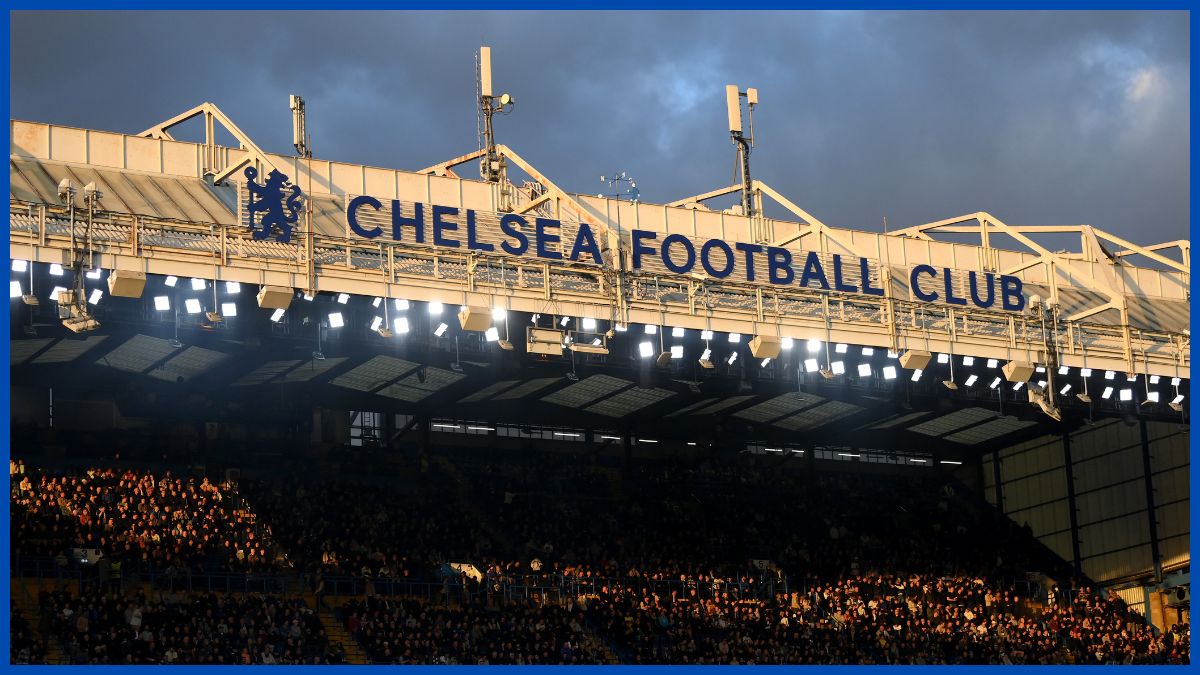













Overview
In the high-stakes world of Premier League football, managerial survival often hinges on a single transformative moment. The recent 3-1 victory by Leeds United against Chelsea represents precisely such a critical juncture for Daniel Farke, a manager teetering on the precipice of potential dismissal.
Tactical Reinvention as Survival Strategy emerges as the core narrative. Farke's strategic pivot to a 3-5-2 formation wasn't merely a cosmetic adjustment but a calculated risk that dramatically reshaped the team's competitive positioning. By moving Leeds out of the relegation zone, he demonstrated a profound understanding of tactical flexibility—transforming what could have been a potential career-ending moment into a potential redemption arc.
The match revealed deeper organizational dynamics beyond the scoreline. While the 3-1 victory provided immediate relief, underlying tensions remain palpable. Sources suggest the club has already begun exploring potential managerial replacements, indicating that Farke's position remains fundamentally precarious. This creates a fascinating tension: a single match can momentarily reset expectations, but systemic doubts persist.
Performance under Pressure becomes the critical lens through which Farke's leadership is being evaluated. The goals from Jaka Bijol and Ao Tanaka weren't just tactical achievements but psychological statements—proving the team's capacity for resilience when confronted with existential challenges. Each strategic decision now carries exponential weight, with the potential to either solidify Farke's position or accelerate his departure.
The broader implications extend beyond individual careers. In the ruthlessly competitive Premier League ecosystem, managers are perpetually one poor performance away from replacement. Farke's current situation epitomizes this high-wire act—where tactical innovation, psychological management, and immediate results converge in a complex performance calculus.
Questions 3
How significant was Leeds United's victory against Chelsea for Daniel Farke's job security?
The 3-1 win was critically important, moving Leeds out of the relegation zone and demonstrating tactical flexibility. However, sources suggest the club is still exploring managerial alternatives, indicating the victory provides temporary relief rather than guaranteed job security.
What does this match reveal about managerial dynamics in the Premier League?
The match underscores the Premier League's high-pressure environment where managers are constantly evaluated. A single match can momentarily reset expectations, but systemic performance and long-term strategic vision remain crucial for sustained leadership.