


Healthcare Crisis Exposes Spain's Systemic Resilience Challenges
- Mounting pressures reveal critical infrastructure vulnerabilities in Madrid's medical ecosystem












Overview
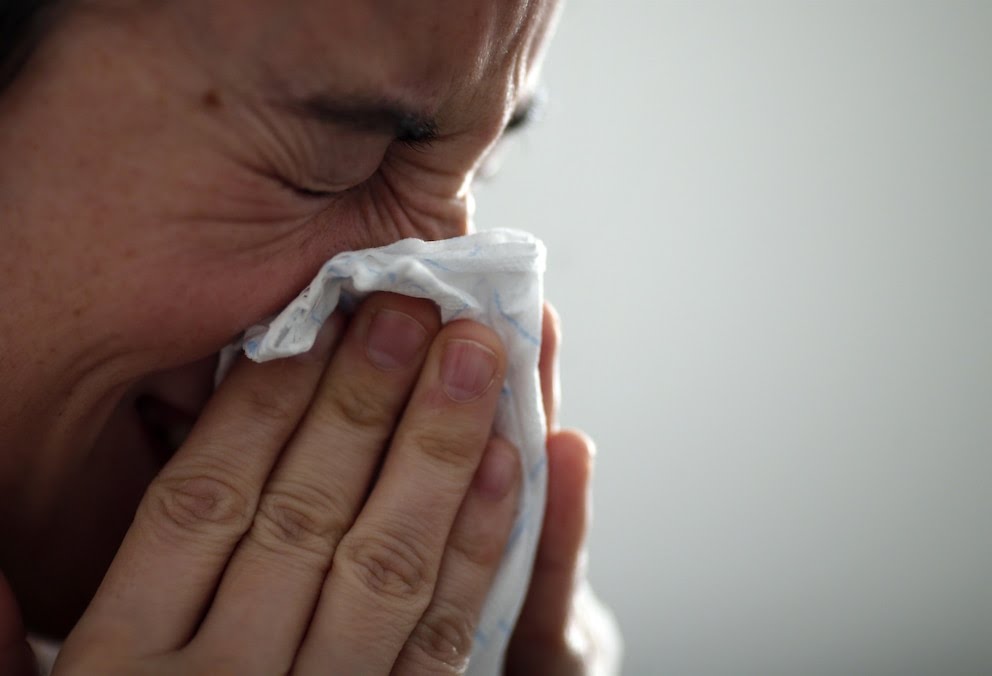
The convergence of pandemic resurgence and healthcare system strain in Spain presents a critical diagnostic snapshot of institutional resilience under extreme stress. Recent developments in Madrid hospitals illuminate a complex landscape of systemic healthcare challenges that extend far beyond immediate medical response.
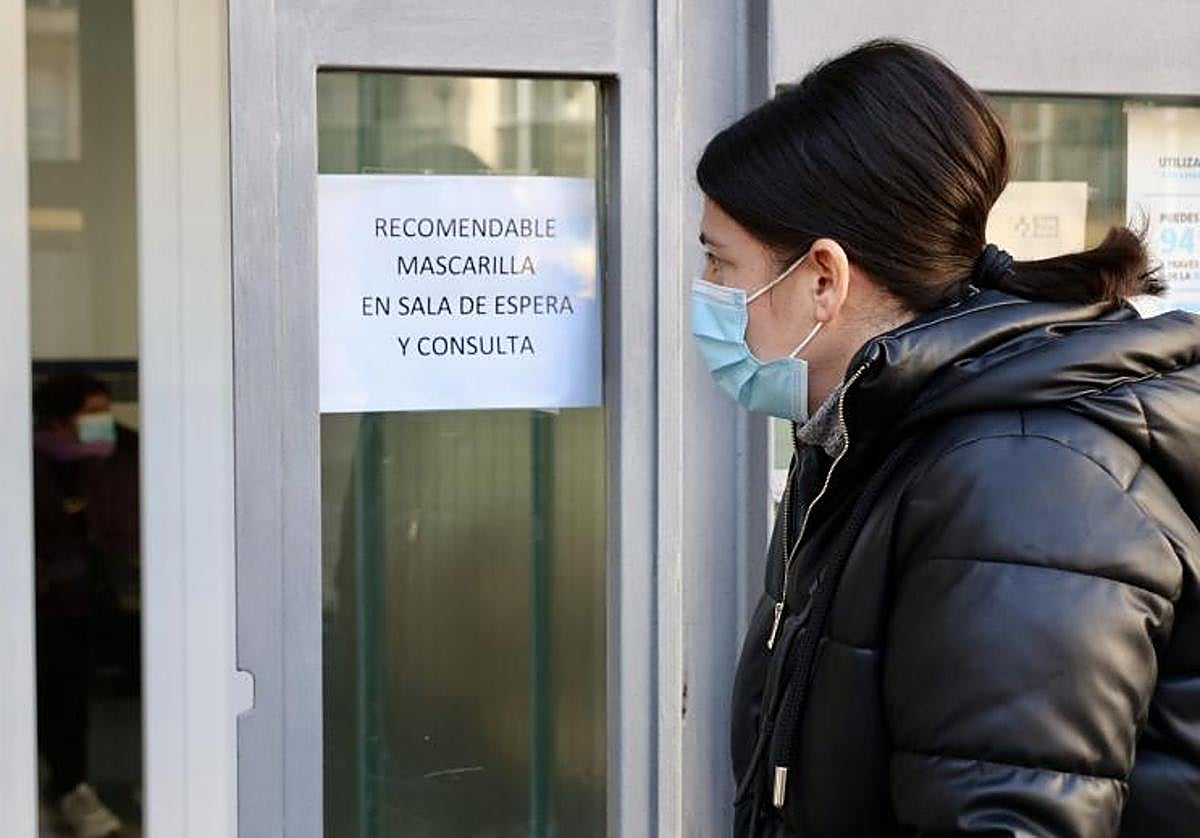
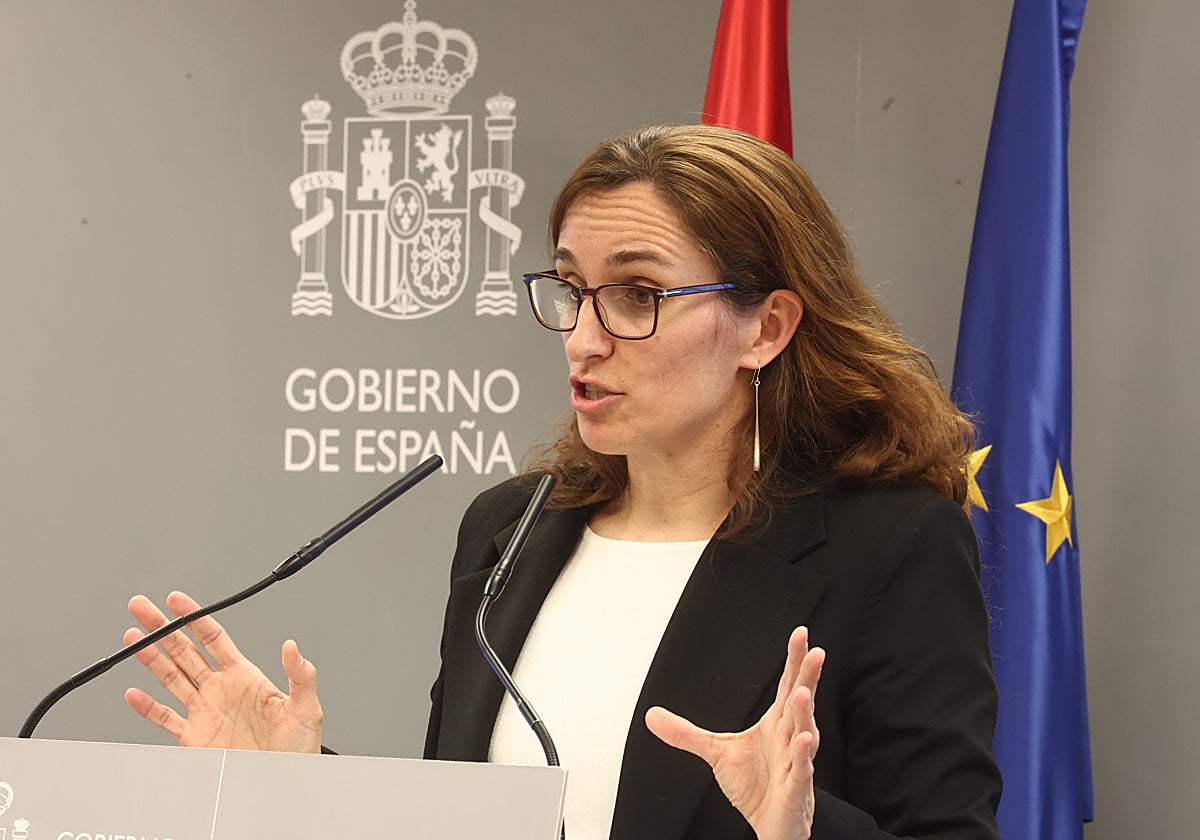
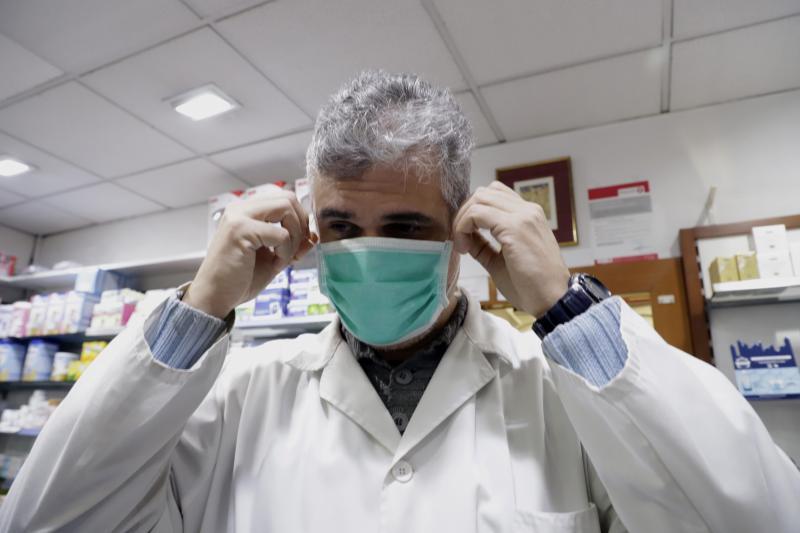
Regulatory Compliance and Public Health Intersection: The reintroduction of mask mandates in healthcare facilities signals a nuanced approach to managing viral transmission. This isn't merely a reactive measure, but a strategic recalibration of infection control protocols that demonstrates Spain's adaptive regulatory framework. The decision reflects a sophisticated understanding that preventative measures can mitigate broader systemic risks.
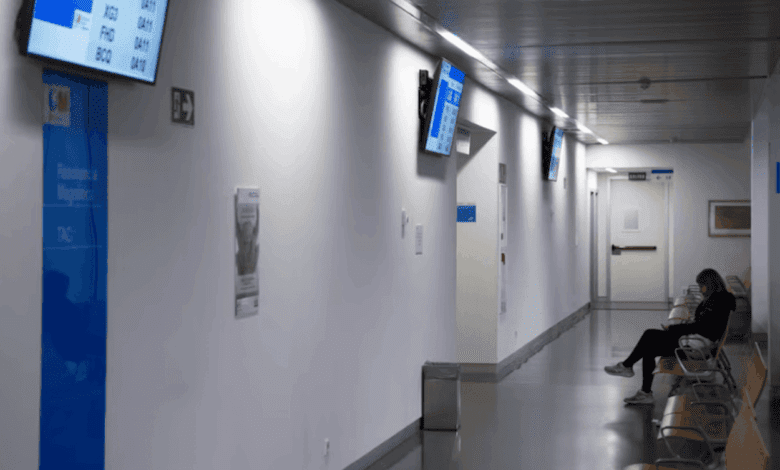
Structural Healthcare Vulnerabilities: The reported doctor and nurse shortages reveal deep-seated structural challenges in Madrid's medical infrastructure. Hours-long patient wait times and staff burnout are not isolated incidents, but symptomatic of a systemic capacity crisis. This suggests that the healthcare system is operating at a critical inflection point, where incremental improvements are no longer sufficient to address fundamental structural deficiencies.
The emerging narrative goes beyond immediate medical challenges, pointing to broader implications for institutional resilience. The simultaneous implementation of mask mandates and acknowledgment of staffing crises indicates a transparent, proactive approach to managing complex public health challenges. For policymakers and healthcare administrators, these developments underscore the critical need for comprehensive, long-term strategic planning that addresses workforce sustainability, infrastructure capacity, and adaptive regulatory frameworks.
Questions 3
What are the broader implications of these healthcare system challenges?
These challenges reveal critical insights into institutional resilience, highlighting the need for comprehensive workforce planning, sustainable infrastructure development, and adaptive regulatory frameworks. The situation in Madrid serves as a potential case study for healthcare systems globally facing similar structural pressures.
How are Spanish authorities responding to the current healthcare pressures?
Spanish authorities are demonstrating a multi-layered approach by reintroducing targeted mask mandates in healthcare facilities and transparently acknowledging systemic challenges. This suggests a proactive regulatory strategy focused on both immediate viral transmission control and long-term structural healthcare system improvements.