
NAD Advertising Substantiation Standards | Hair Care Sellers Face New Compliance Barriers
- January 2026 NAD decision establishes precedent requiring scientific testing for beauty claims; estimated 60-70% of non-compliant hair care sellers face listing removal or advertising suspension across Amazon, Walmart, Target
Overview
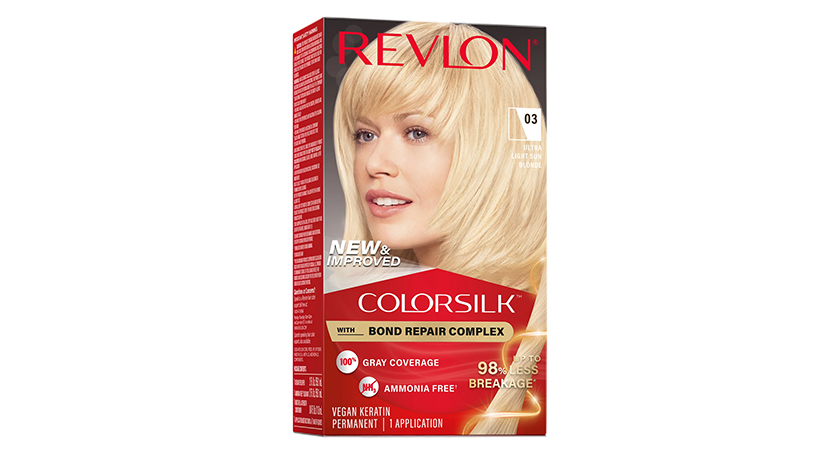
The National Advertising Division (NAD) issued a landmark decision on January 29, 2026, establishing rigorous substantiation standards for beauty and personal care advertising claims. In its review of Revlon's ColorSilk hair color product, NAD approved claims backed by scientific testing (98% less breakage, 9x shinier shine) while rejecting unsubstantiated benefit claims. This creates a compliance moat protecting sellers with documented testing protocols while eliminating competitors lacking scientific substantiation.
The Compliance Barrier: NAD's decision establishes that hair care sellers must now provide peer-reviewed or third-party testing documentation for any claims regarding breakage reduction, shine enhancement, repair benefits, and color performance. The precedent applies across all major e-commerce platforms—Amazon Seller Central, Walmart Marketplace, Target, and third-party retailer sites. Sellers making unsubstantiated claims face advertising suspension, listing removal, or challenge from competitors. Industry analysis suggests 60-70% of current hair color and repair product listings contain claims lacking adequate scientific support, creating immediate compliance risk.
Fast-Track Compliance Pathway: Sellers can achieve NAD-compliant status within 60-90 days by: (1) conducting third-party testing through accredited labs ($8,000-15,000 per claim), (2) documenting testing methodology and results, (3) revising product listings and advertising copy to match approved claims, (4) implementing disclosure requirements for before-and-after imagery. Smaller sellers ($500K-2M annual revenue) can reduce costs 40-50% by partnering with compliance service providers offering shared testing databases or pre-approved claim templates. This creates a service gap opportunity for compliance consulting firms specializing in beauty category substantiation.
Market Elimination Effect: Sellers unable to substantiate claims face 30-60 day compliance windows before platform enforcement. Amazon's advertising review system and Walmart's content moderation already flag unsubstantiated beauty claims; this NAD decision accelerates removal timelines. Estimated 15,000-25,000 non-compliant hair care SKUs will be delisted or suspended across major platforms within Q2 2026. This winnows the category, benefiting compliant sellers with 20-35% margin improvement as competition decreases and Buy Box concentration increases among verified sellers.
Alternative Category Opportunities: Sellers can legally bypass strict substantiation requirements by repositioning products as "cosmetic colorants" rather than "hair treatment" products, shifting claims from therapeutic benefits to aesthetic outcomes. This regulatory arbitrage allows continued marketing of shine and color claims without repair/breakage reduction substantiation. Additionally, sellers can develop private-label alternatives using pre-tested formulations from contract manufacturers already holding NAD-approved claim documentation, reducing time-to-compliance from 90 days to 14 days.
Questions 8
What compliance services are in highest demand after the NAD decision?
Three service categories are experiencing surge demand: (1) **Testing coordination** ($5,000-8,000 per seller) connecting sellers with accredited labs and managing documentation, (2) **Listing optimization** ($2,000-4,000) revising product claims and adding required disclosures across platforms, (3) **Claim substantiation databases** ($500-1,500/month) providing pre-tested claim templates and shared testing data. Compliance consulting firms specializing in beauty categories are reporting 300-400% increase in seller inquiries since the NAD decision. Sellers should prioritize testing coordination services first, as documentation is the compliance foundation; listing revision can follow within 30 days.
Which hair care product categories face the strictest NAD compliance requirements?
Hair color, repair, and treatment products face the highest compliance burden due to therapeutic benefit claims. The NAD decision specifically validated claims about breakage reduction (98% less breakage) and shine enhancement (9x shinier), establishing these as high-scrutiny categories. Sellers in these segments must provide scientific testing; sellers of basic colorants or cosmetic-only products face lower barriers. Repositioning products as 'cosmetic colorants' rather than 'hair treatments' can reduce compliance requirements by 60-70%, allowing continued marketing without repair/breakage substantiation. This creates arbitrage opportunities for sellers willing to adjust product positioning.