





The Hidden Health Crisis of Early Smartphone Access for Children
- Emerging Research Reveals Critical Developmental Risks for Pre-Teens






























Overview
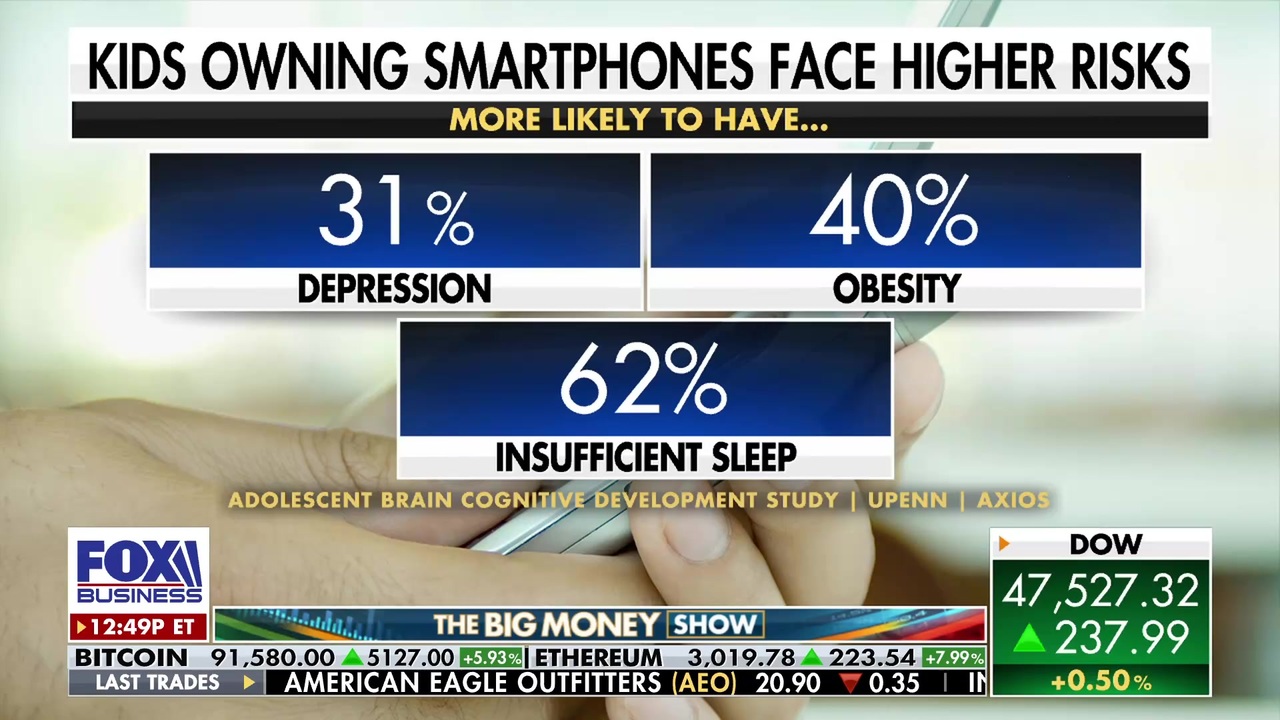
Smartphone ownership before age 12 is emerging as a significant public health concern, with groundbreaking research unveiling profound implications for child development and mental health. A comprehensive University of Pennsylvania study tracking 10,588 participants has uncovered alarming correlations between early smartphone access and multiple health risks.
The research reveals a critical developmental inflection point at age 12, where introducing smartphone technology can trigger cascading negative health outcomes. Specifically, children receiving smartphones at this age demonstrate statistically significant increases in depression, obesity, and sleep disruption. This isn't merely a technological issue, but a complex intersection of mental health, physical well-being, and digital exposure.
The longitudinal study's most striking finding is the modest but consistent correlation between smartphone ownership and health deterioration. Depression rates showed a notable uptick, suggesting that digital connectivity might paradoxically increase social isolation and psychological vulnerability. Obesity correlations further indicate that smartphone access potentially reduces physical activity and disrupts healthy lifestyle patterns.
Parental strategies and digital literacy emerge as crucial intervention points. The research implicitly suggests that delaying smartphone access, implementing strict usage guidelines, and creating structured digital environments could mitigate these risks. This represents more than individual family choices—it signals a broader societal need to reimagine childhood's relationship with digital technology.
The implications extend beyond individual health, pointing to a systemic challenge in how we integrate digital technologies into developmental stages. As smartphones become increasingly ubiquitous, understanding their nuanced impacts becomes critical for parents, educators, and policymakers alike.
Questions 3
What are the primary health risks associated with early smartphone access?
The study identified three primary health risks: increased depression rates, higher obesity likelihood, and disrupted sleep patterns. These risks stem from potential social isolation, reduced physical activity, and digital overstimulation.
At what age do smartphones potentially become most harmful for children?
The research specifically highlights age 12 as a critical threshold, where smartphone ownership correlates with increased risks of depression, obesity, and sleep disruption. This suggests parents should be particularly cautious about introducing unrestricted smartphone access during early adolescence.