



EU Trade Autonomy & German Infrastructure Security | Tariff Arbitrage & Logistics Cost Surge for Cross-Border Sellers
- European resistance to US tariff pressure creates new trade corridors via Mercosur/India agreements; German infrastructure security mandates increase 3PL costs 8-15% for 1,700+ essential service providers affecting European fulfillment networks
















Overview
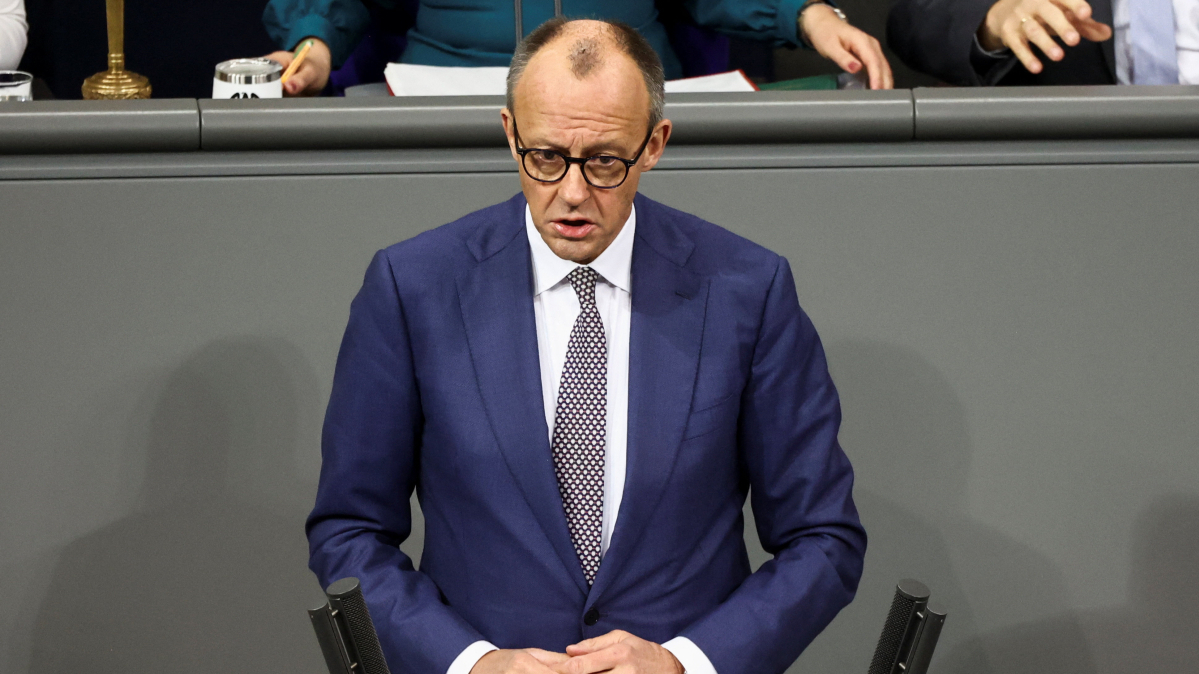
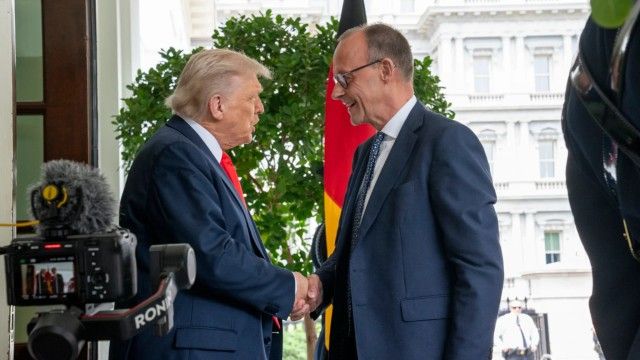
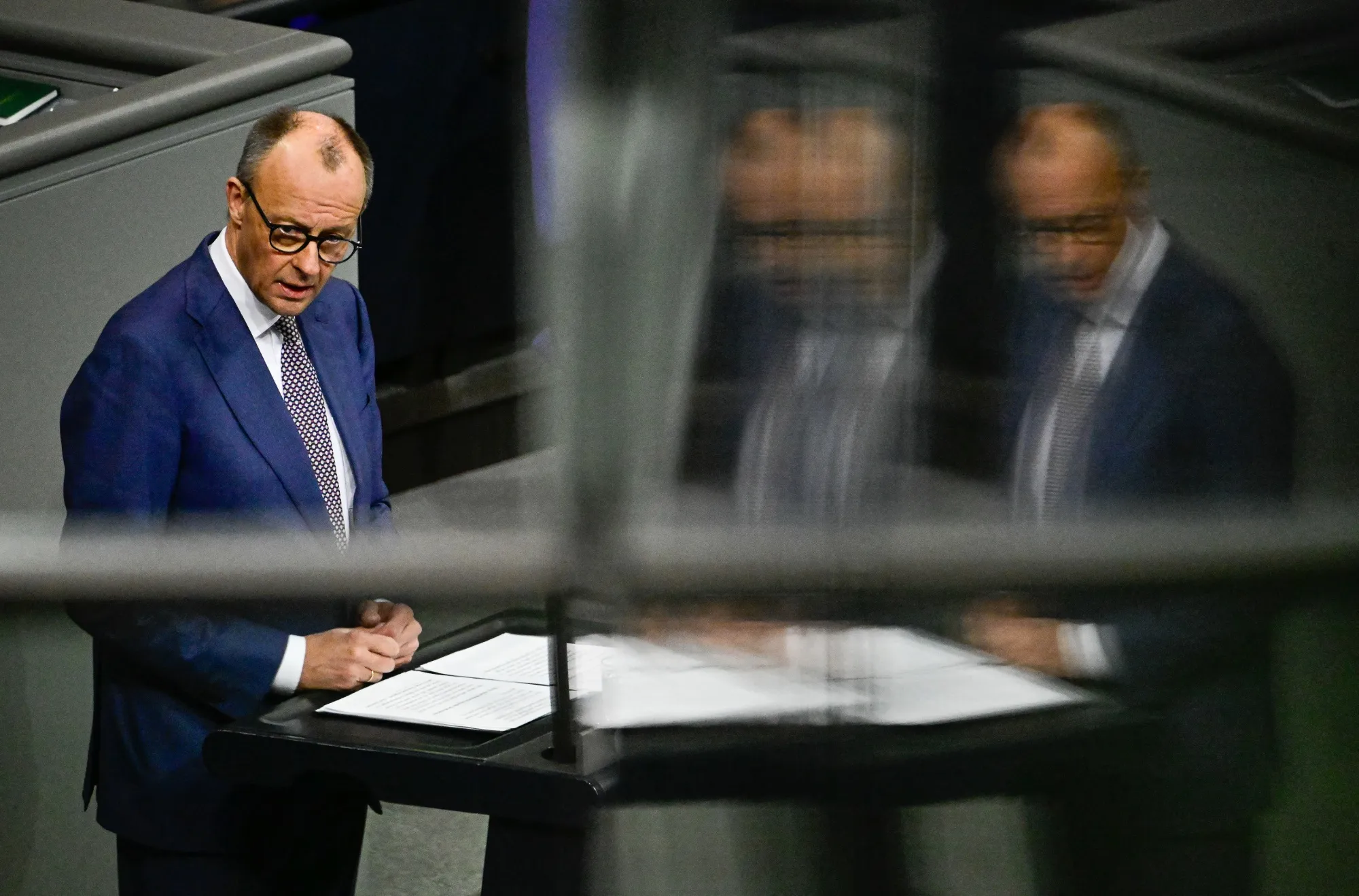
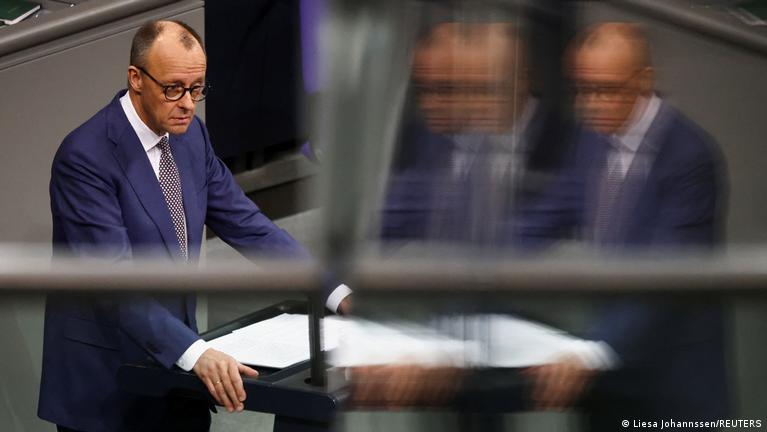
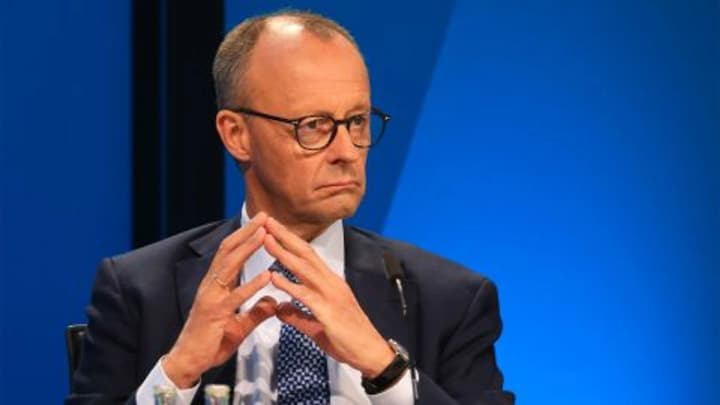
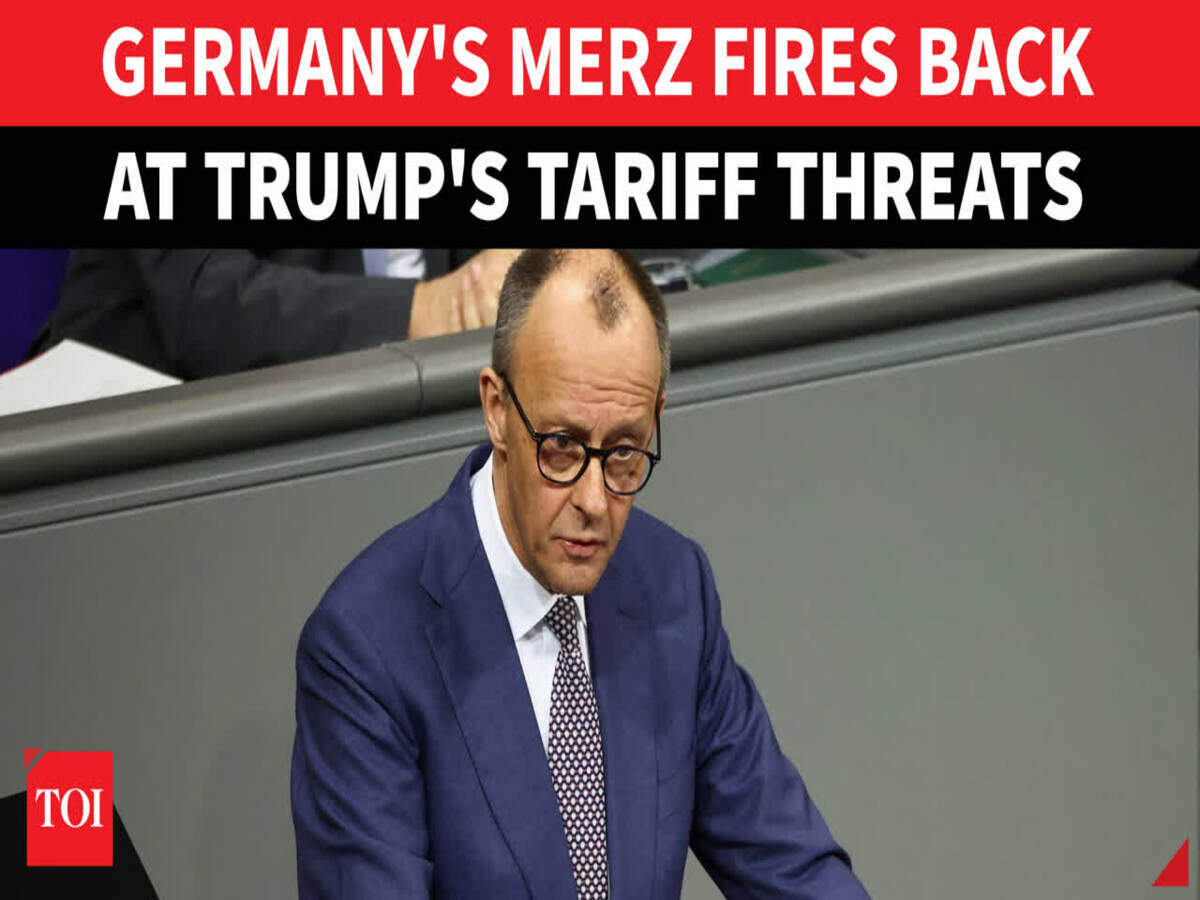
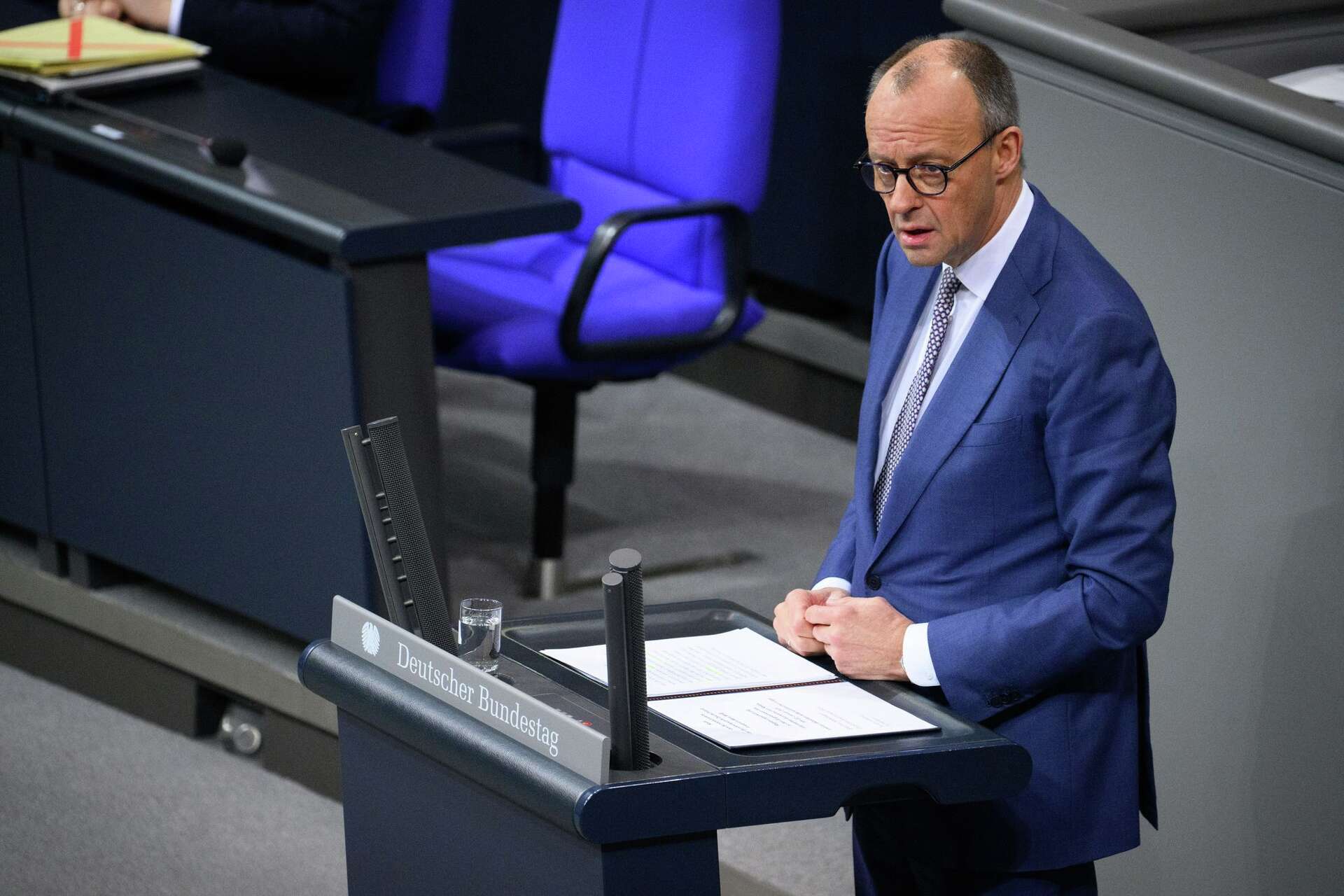
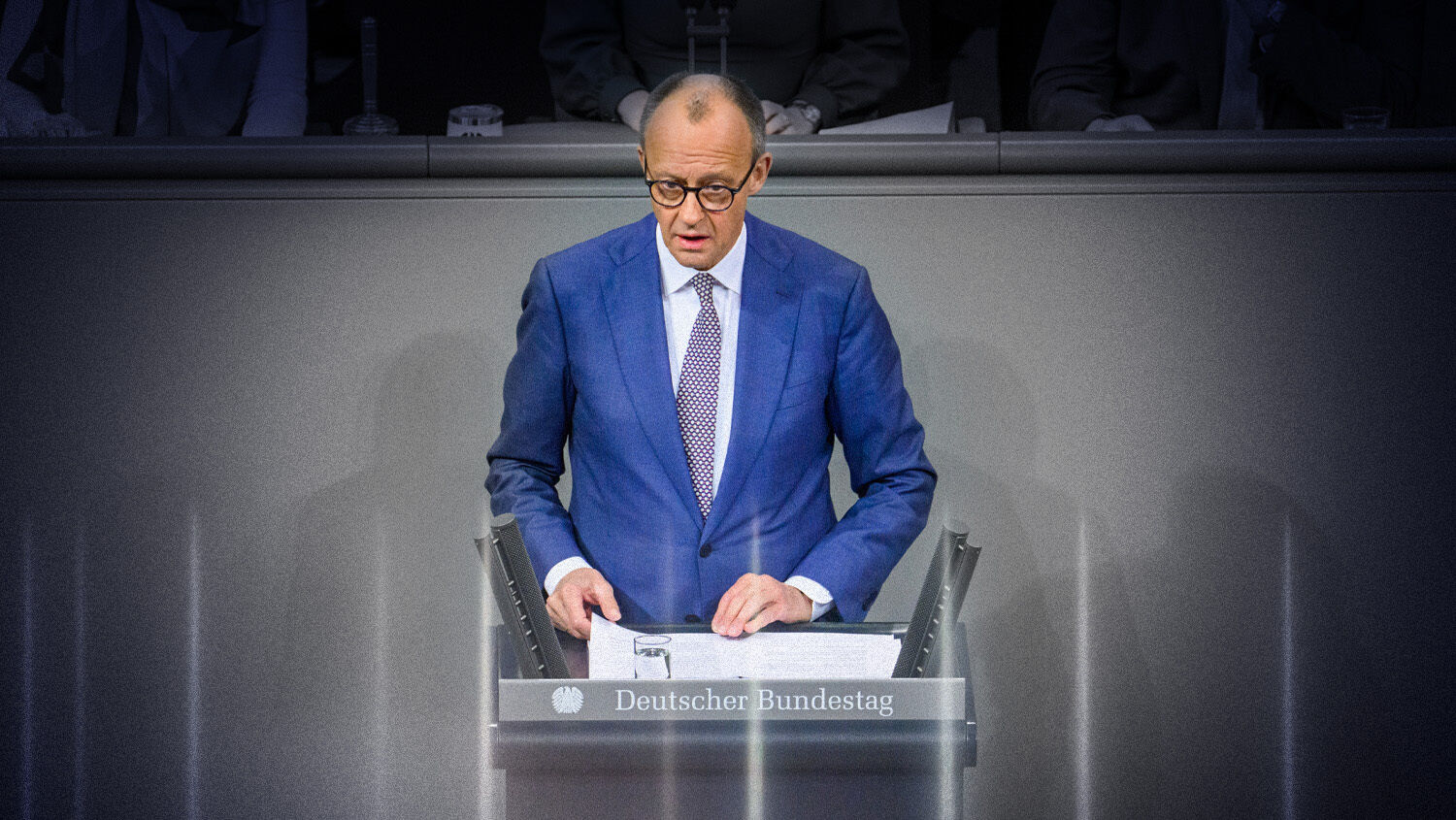
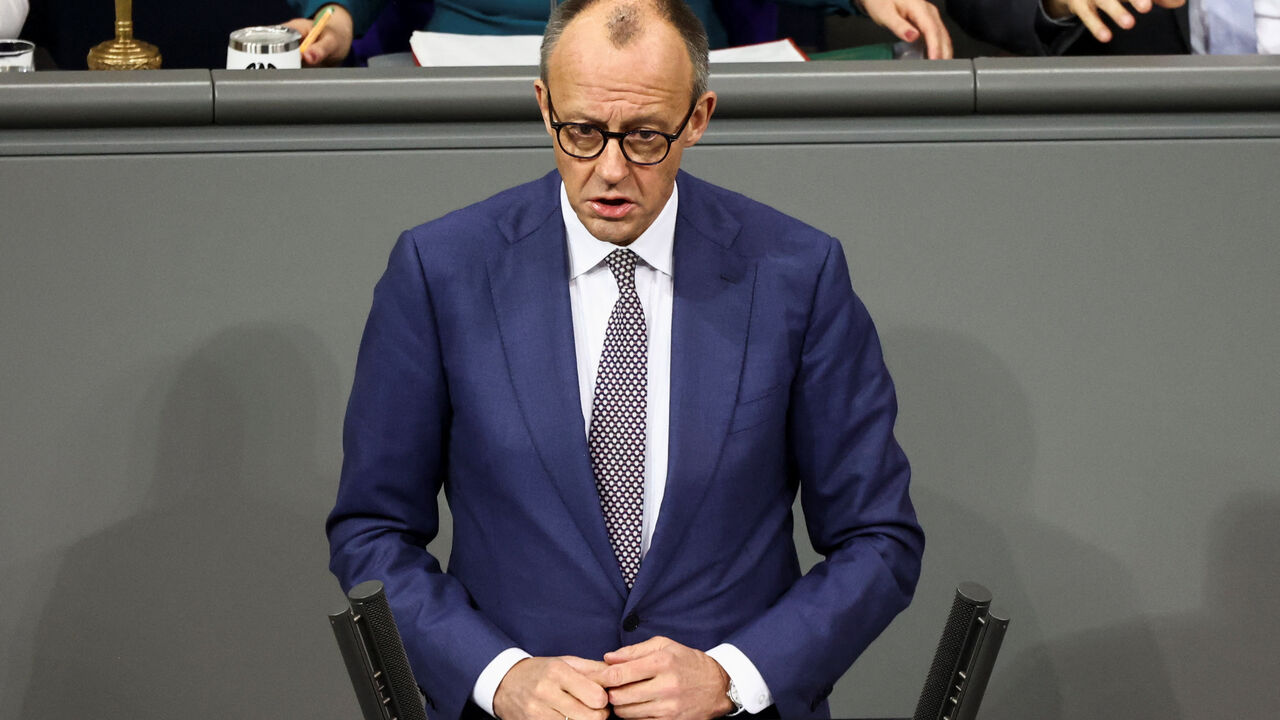
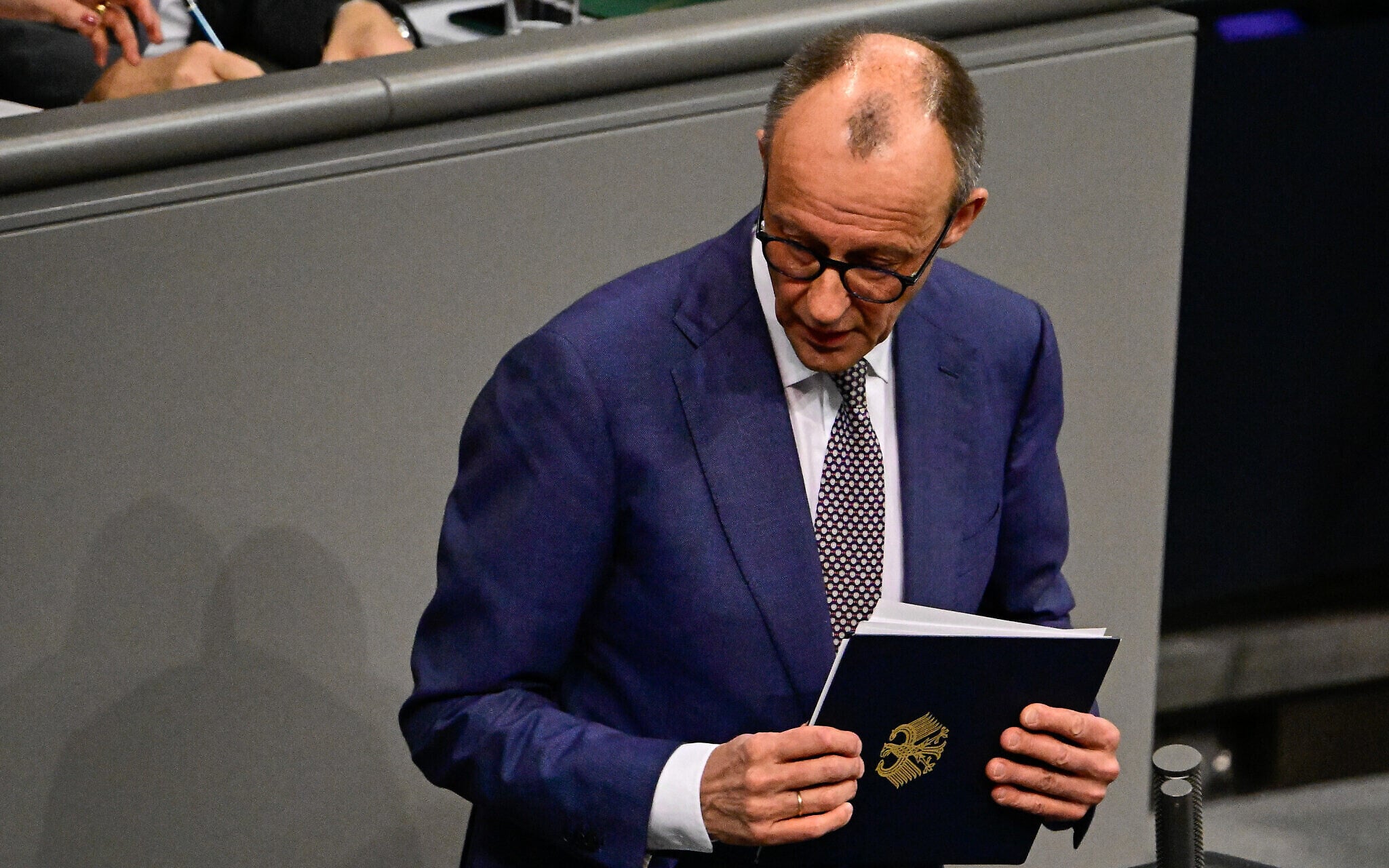
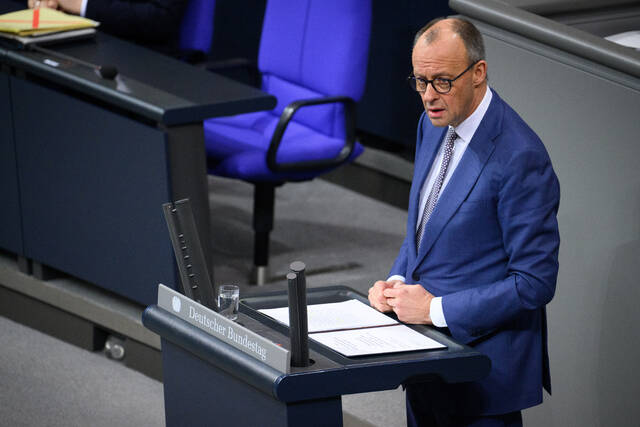
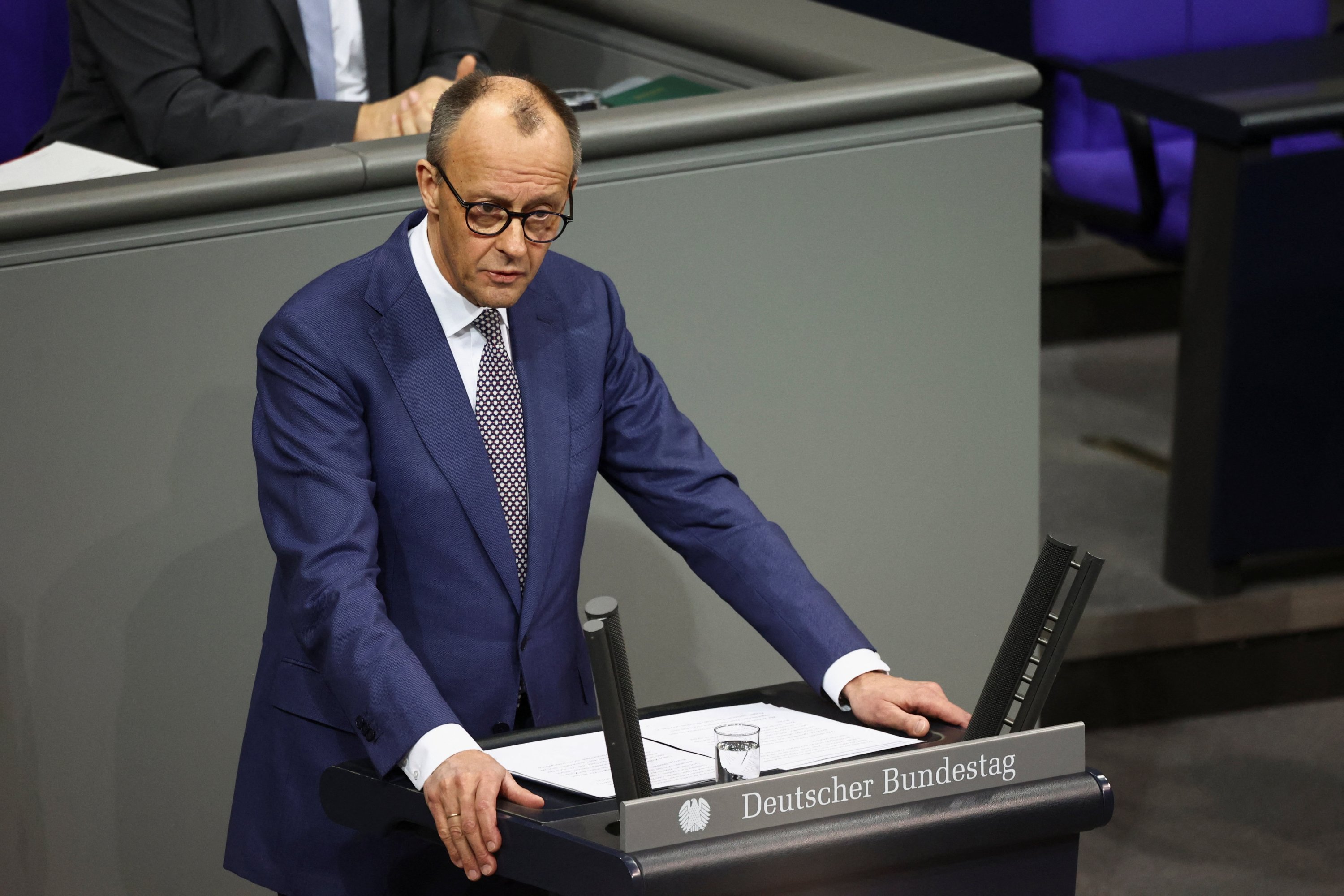
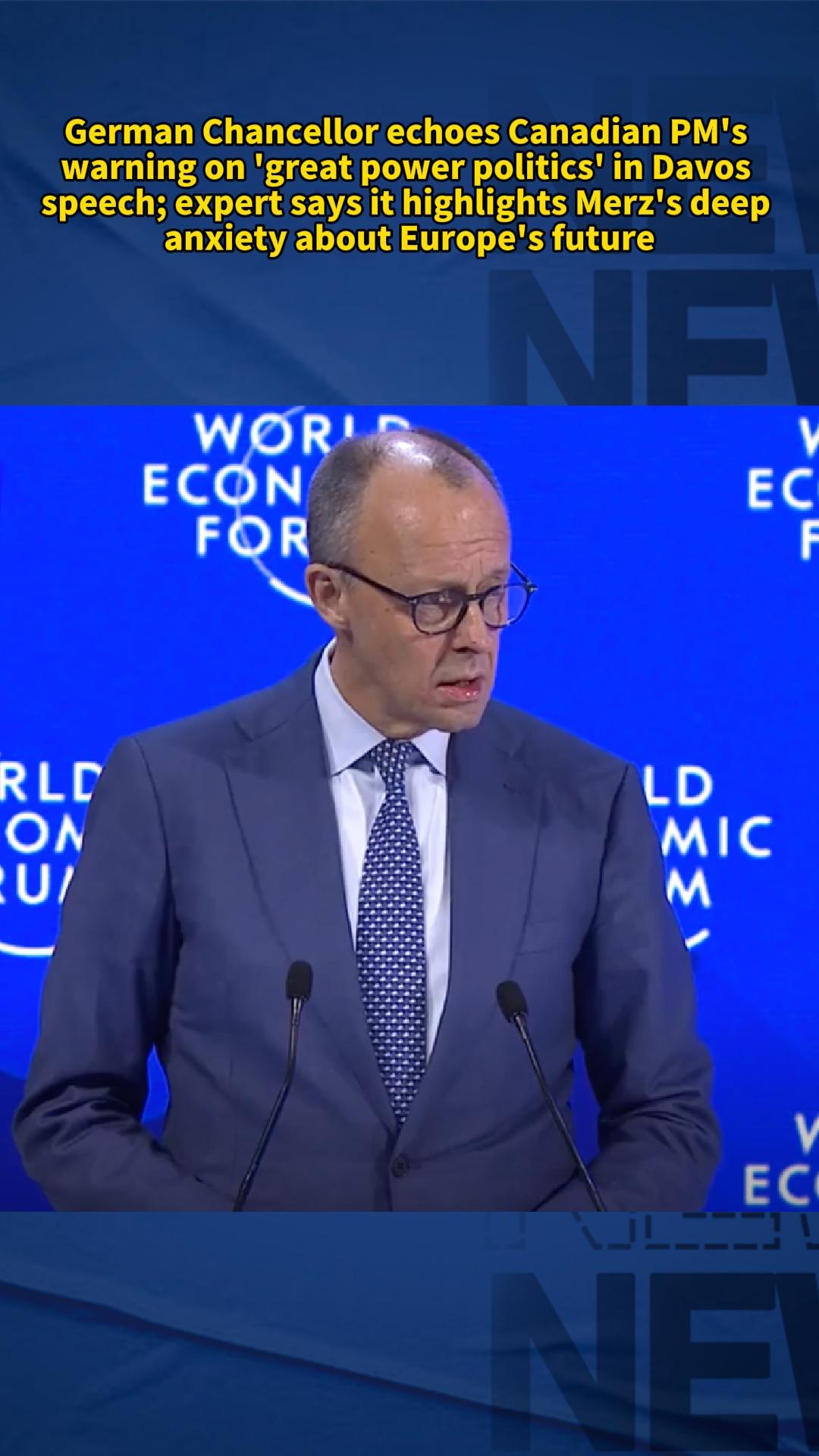
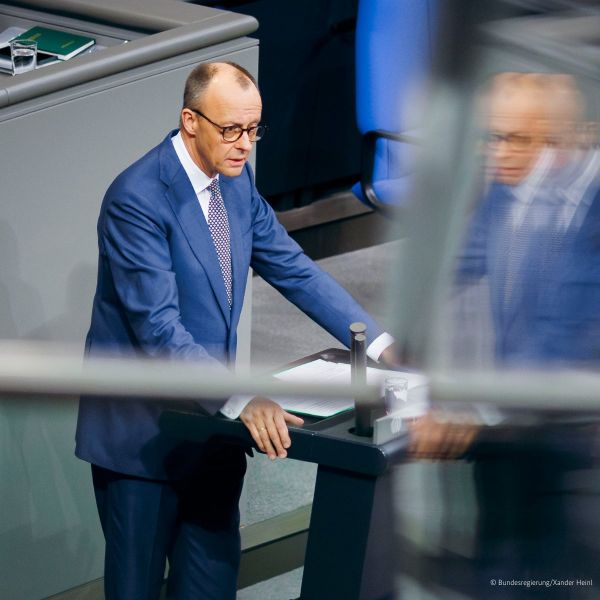
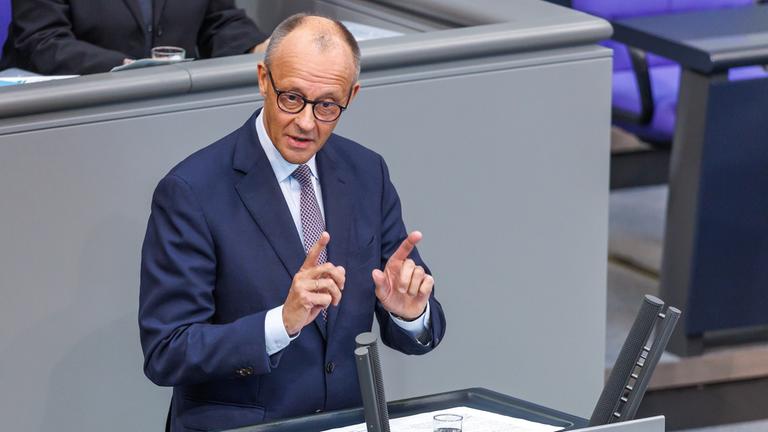
European Strategic Autonomy Reshapes Cross-Border Trade Dynamics: German Chancellor Friedrich Merz's January 29, 2025 Bundestag statement signals a fundamental shift in EU trade policy that directly impacts tariff structures and market access for cross-border sellers. Merz explicitly rejected "tariff intimidation" and highlighted newly concluded trade agreements with Mercosur (South American trade bloc) and India, positioning Europe as a defender of rules-based multilateral trade against unilateral pressure. This geopolitical repositioning creates immediate tariff arbitrage opportunities for sellers: products previously subject to US-EU trade tensions may now benefit from preferential treatment under EU-Mercosur and EU-India agreements, potentially reducing import duties by 5-12% depending on product category and origin country.
Tariff Corridor Opportunities & Sourcing Shifts: The EU's demonstrated unity on trade matters (coordinated messaging from Macron, von der Leyen, and Merz) suggests imminent policy implementation favoring non-US sourcing. Sellers should prioritize product categories with high tariff sensitivity: electronics (HS 8471-8517, currently 2-8% EU tariffs), textiles (HS 6204-6209, 12-15% tariffs), and machinery (HS 8401-8450, 0-6% tariffs). Mercosur agreement benefits will particularly favor agricultural products, leather goods, and processed foods—categories where South American suppliers face 10-20% current EU tariffs. India trade agreement opens opportunities in pharmaceuticals (HS 3004-3005), organic chemicals (HS 2901-2915), and apparel (HS 6201-6217), where Indian suppliers currently face 5-10% tariffs. The implementation timeline remains fluid, but EU officials typically finalize trade agreement tariff schedules within 6-12 months of political commitment.
Critical Infrastructure Security Mandate Increases Logistics Costs: Simultaneously, Germany's Bundestag passed critical infrastructure protection legislation requiring 1,700+ essential service providers to implement enhanced security measures—directly affecting cross-border e-commerce operations. The law mandates risk assessments, upgraded alarm systems, and incident reporting for facilities serving 500,000+ people across energy, water, food, health, transport, IT, telecommunications, financial services, and waste disposal sectors. For sellers relying on German fulfillment centers, data centers, and payment processors, compliance costs will increase 8-15% annually. A typical 3PL provider managing 50,000 units/month through German facilities should budget €15,000-25,000 additional annual compliance costs. This regulatory burden creates competitive advantages for sellers using non-German EU fulfillment (Poland, Czech Republic, Netherlands) where similar mandates may not yet apply, though EU harmonization is likely within 18-24 months.
Questions 8
How should sellers adjust fulfillment strategies given German infrastructure security costs?
Sellers should conduct a cost-benefit analysis comparing German fulfillment (now 8-15% more expensive) versus alternative EU locations. For sellers shipping 10,000+ units/month to Germany, diversifying 30-50% of inventory to Polish, Czech, or Dutch fulfillment centers can offset compliance cost increases while maintaining EU delivery speed (2-3 days). Negotiate with 3PL providers for fixed-rate security compliance fees rather than percentage-based increases. Monitor implementation timelines—the law takes effect gradually, so early movers can lock in pre-compliance pricing with logistics partners through Q1 2025 contracts.
Which product categories benefit most from EU trade agreement tariff reductions?
High-tariff categories benefit most from EU-Mercosur and EU-India agreements: (1) Mercosur—agricultural products (HS 0201-0210, 10-20% current tariffs), leather goods (HS 4101-4115, 12-15% tariffs), processed foods (HS 1601-1605, 8-12% tariffs); (2) India—pharmaceuticals (HS 3004-3005, 5-10% tariffs), organic chemicals (HS 2901-2915, 5-8% tariffs), apparel (HS 6201-6217, 8-12% tariffs). Sellers in these categories should prioritize sourcing from Mercosur/India suppliers and update product listings to highlight tariff-advantaged origins by Q2 2025. Electronics and machinery see smaller tariff benefits (2-4% reductions) due to already-low EU rates.