




Vaccine Policy Transformation Signals Major Regulatory Realignment
- Emerging shifts in childhood immunization recommendations create complex compliance landscape for healthcare stakeholders




















Overview
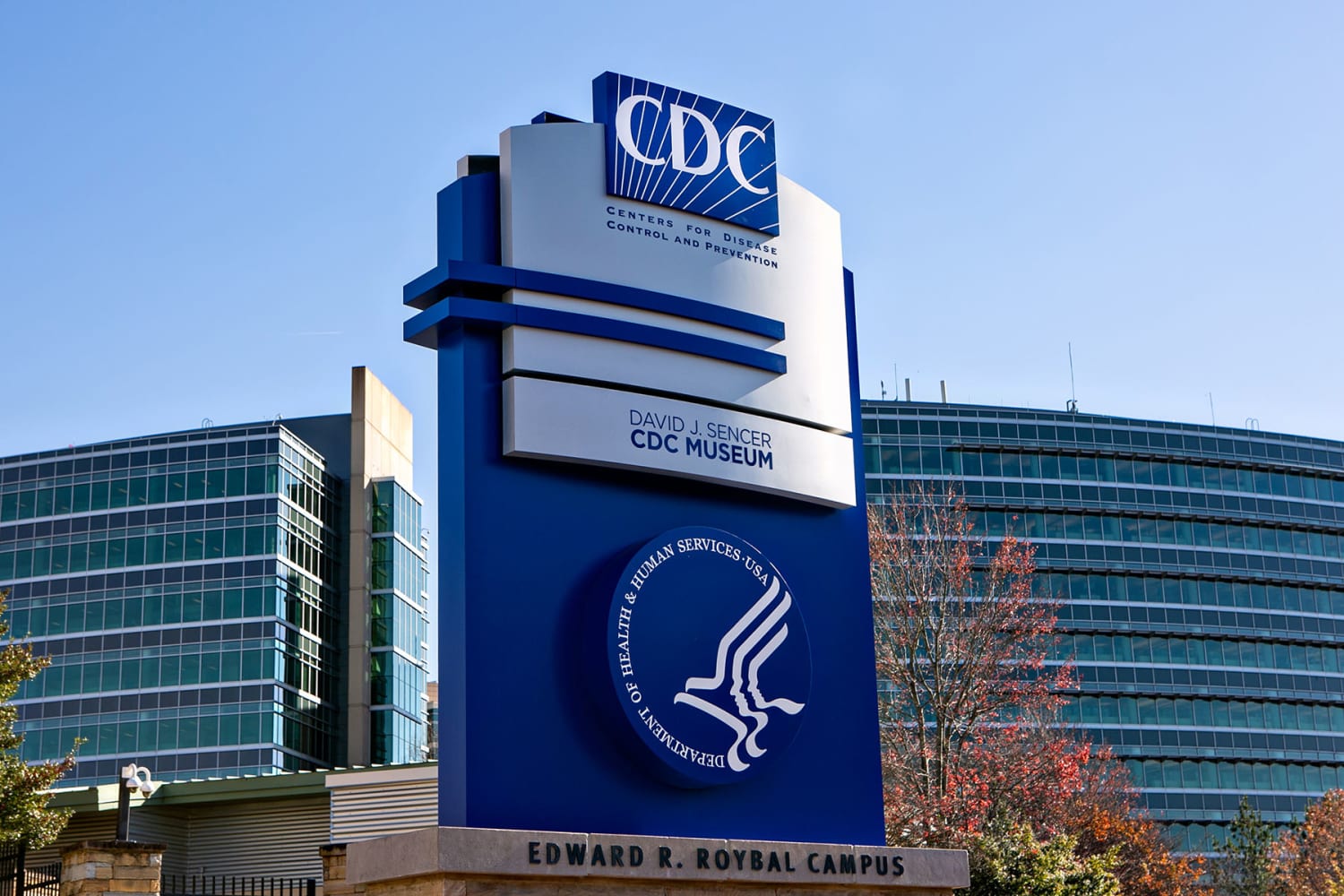
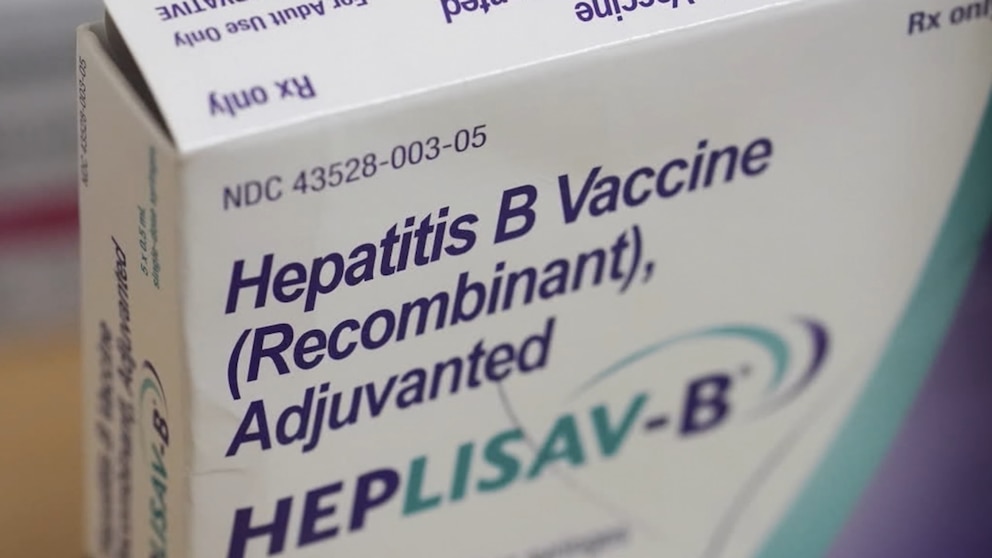
The vaccine policy landscape is experiencing a critical inflection point, with potential fundamental changes to newborn immunization protocols that could reshape public health strategies. The CDC's Advisory Committee on Immunization Practices (ACIP) is currently deliberating significant modifications to the hepatitis B vaccination recommendations for newborns, signaling a broader recalibration of national immunization guidelines.
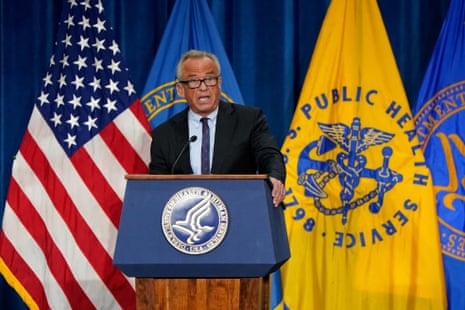
Regulatory Reconfiguration Dynamics are particularly noteworthy in this context. The committee, recently reconstituted under HHS Secretary Robert F. Kennedy Jr.'s oversight, is examining multiple dimensions of vaccine policy—including timing, safety protocols, and international alignment. This suggests a comprehensive review that goes beyond routine procedural updates and potentially represents a strategic reset of immunization frameworks.
The emerging discussions reveal several critical insights. First, the potential modification of universal newborn hepatitis B vaccination policies indicates a nuanced approach to public health risk management. The committee appears to be weighing complex factors: historical vaccination data, emerging medical research, and evolving understanding of disease transmission risks. This isn't merely a technical adjustment but a sophisticated recalibration of preventative healthcare strategies.
Moreover, the administrative changes within ACIP itself suggest a deeper institutional transformation. The committee's composition and decision-making processes are under scrutiny, which implies a broader effort to enhance transparency, scientific rigor, and adaptability in vaccine policy development. For healthcare providers, regulators, and medical professionals, this signals a period of significant potential regulatory evolution.
Strategic implications are profound. Healthcare systems, pharmaceutical manufacturers, and public health institutions must prepare for potential substantial shifts in vaccination protocols. Organizations must remain agile, maintaining robust compliance mechanisms while anticipating potential regulatory reconfigurations that could emerge from these ongoing deliberations.
Questions 3
What specific changes are being considered for hepatitis B vaccination recommendations?
The CDC's Advisory Committee is examining potential modifications to universal newborn hepatitis B vaccination protocols, focusing on vaccine timing, safety assessments, and alignment with current medical understanding of disease transmission risks.
How might these potential policy changes impact healthcare providers?
Healthcare providers will need to stay agile, potentially updating vaccination schedules, retraining staff, and adapting compliance protocols to align with any new recommendations emerging from the ACIP deliberations.