




Nipah Virus Outbreak India 2024 | Healthcare PPE & Safety Product Demand Surge
- Two confirmed cases in West Bengal trigger 40-75% fatality rate concerns, driving urgent demand for medical-grade PPE, diagnostic equipment, and health monitoring devices across South Asian e-commerce markets






Overview
The detection of two confirmed Nipah virus cases among nurses in West Bengal, India, represents a critical public health event with significant implications for cross-border e-commerce sellers in healthcare, safety, and consumer wellness categories. The World Health Organization and CDC's coordinated surveillance response across India, Thailand, and Nepal signals elevated regional health concerns that directly impact consumer purchasing behavior and supply chain dynamics in the Asia-Pacific marketplace.
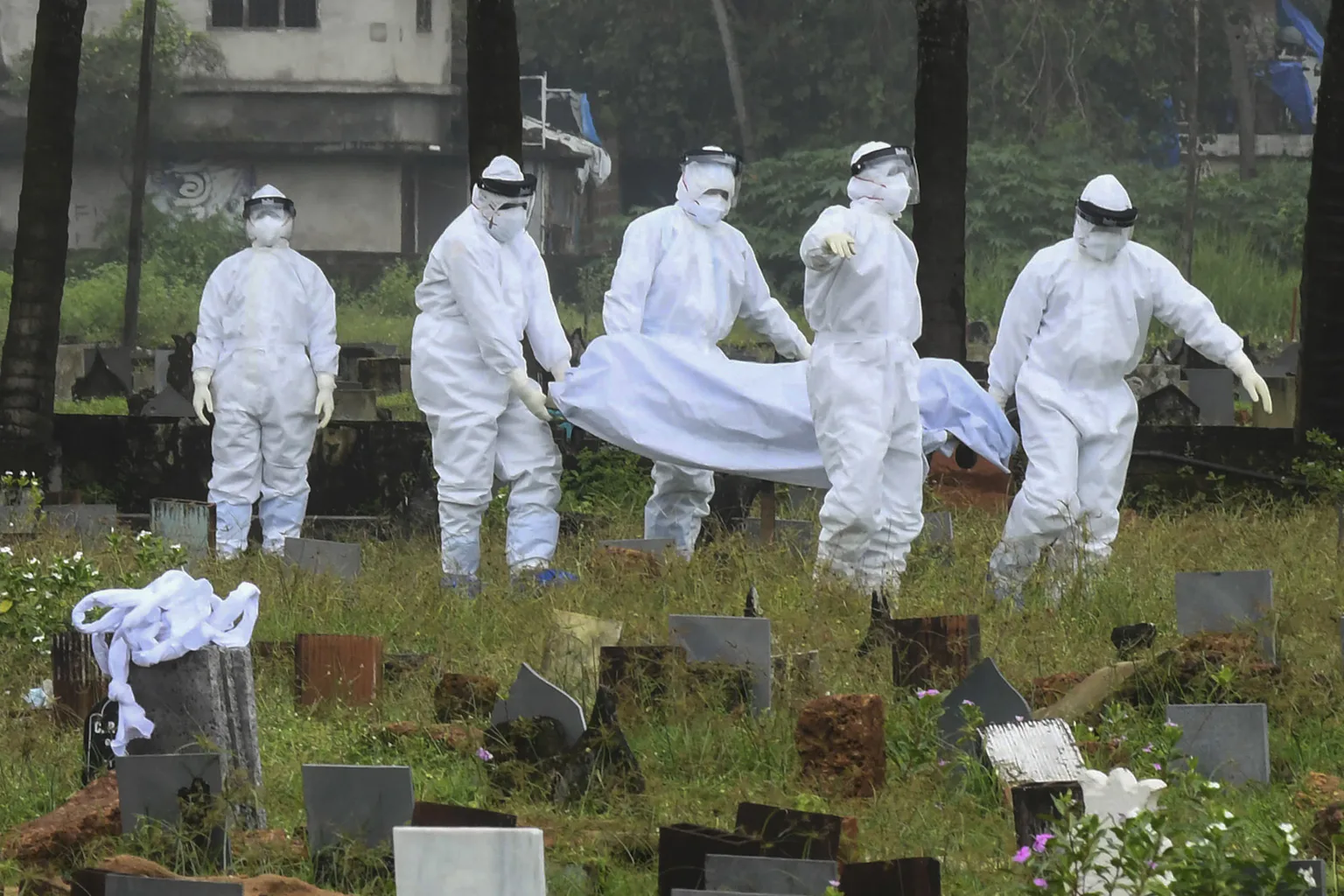
Healthcare PPE and Protective Equipment Opportunity: The Nipah outbreak's 40-75% fatality rate and transmission through direct contact with bodily fluids creates immediate demand for medical-grade personal protective equipment. Healthcare workers, particularly in India and neighboring countries, face heightened exposure risk, driving institutional procurement of N95 masks, medical gloves, face shields, and protective gowns. Sellers on Amazon India, Flipkart, and regional marketplaces can capitalize on this surge through targeted listings in the medical supplies category. Historical pandemic patterns show PPE category sales increase 200-400% during outbreak periods, with average order values rising from $15-30 to $50-150 per transaction. Sellers should optimize listings with keywords like "medical-grade PPE," "healthcare worker protection," and "virus-resistant masks" to capture search traffic from institutional buyers and individual consumers.
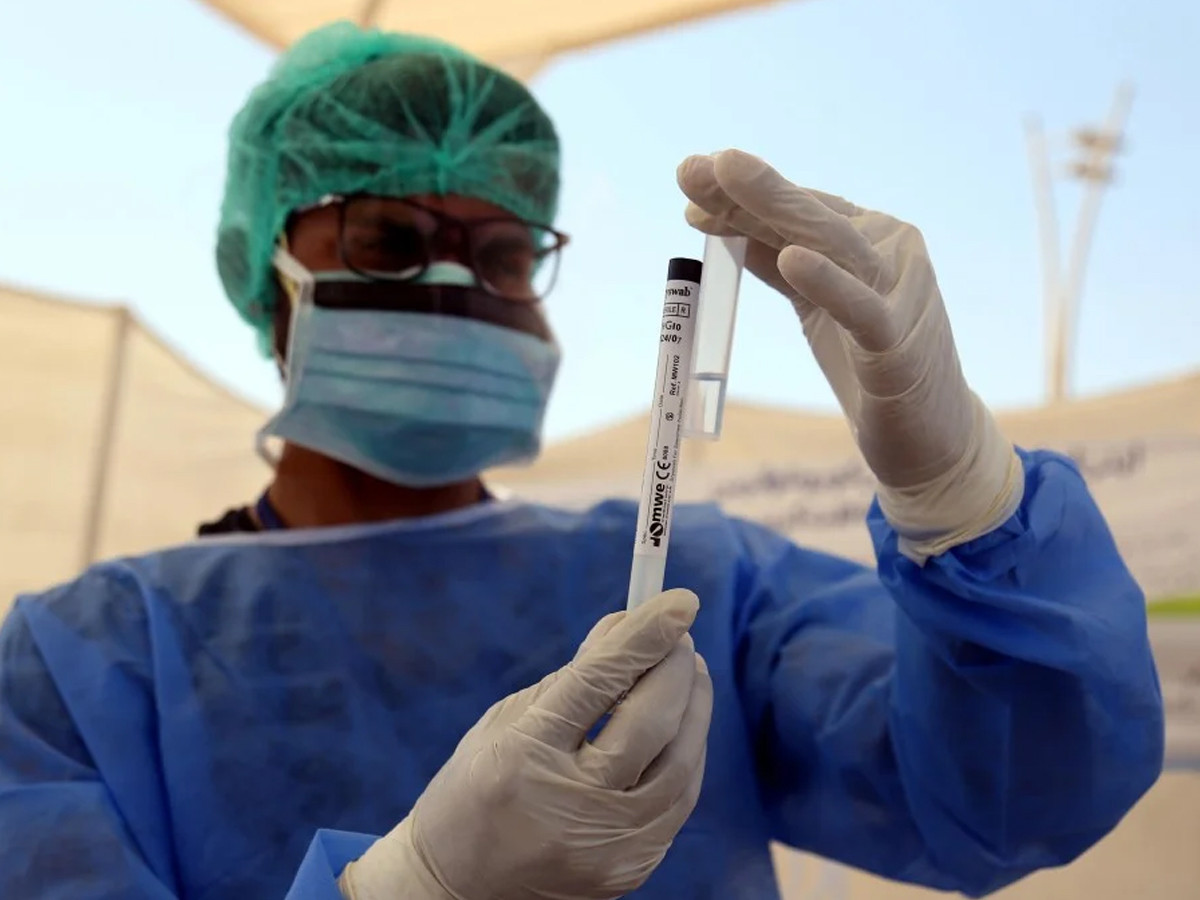
Diagnostic and Monitoring Device Demand: The news emphasizes that early diagnosis is challenging because Nipah symptoms resemble common illnesses (fever, cough, sore throat, difficulty breathing), creating demand for home diagnostic tools and health monitoring devices. Pulse oximeters, digital thermometers, and symptom-tracking apps see 30-50% sales increases during health scares. Sellers offering bundled health monitoring kits—combining thermometers, oximeters, and educational materials—can target health-conscious consumers across India, Southeast Asia, and diaspora communities in North America and Europe. The 4-14 day symptom incubation period creates a sustained demand window for monitoring products.
Therapeutic and Supplement Category Growth: While no specific Nipah treatments exist beyond supportive care, the news mentions monoclonal antibody trials and remdesivir research, signaling consumer interest in immune-boosting supplements, antiviral herbal products, and wellness solutions. Sellers in the vitamins, supplements, and natural health categories can leverage this moment through educational content linking immune support to viral protection. India's supplement market grew 12-15% annually pre-pandemic; outbreak news typically accelerates this growth by 25-35% in affected regions.
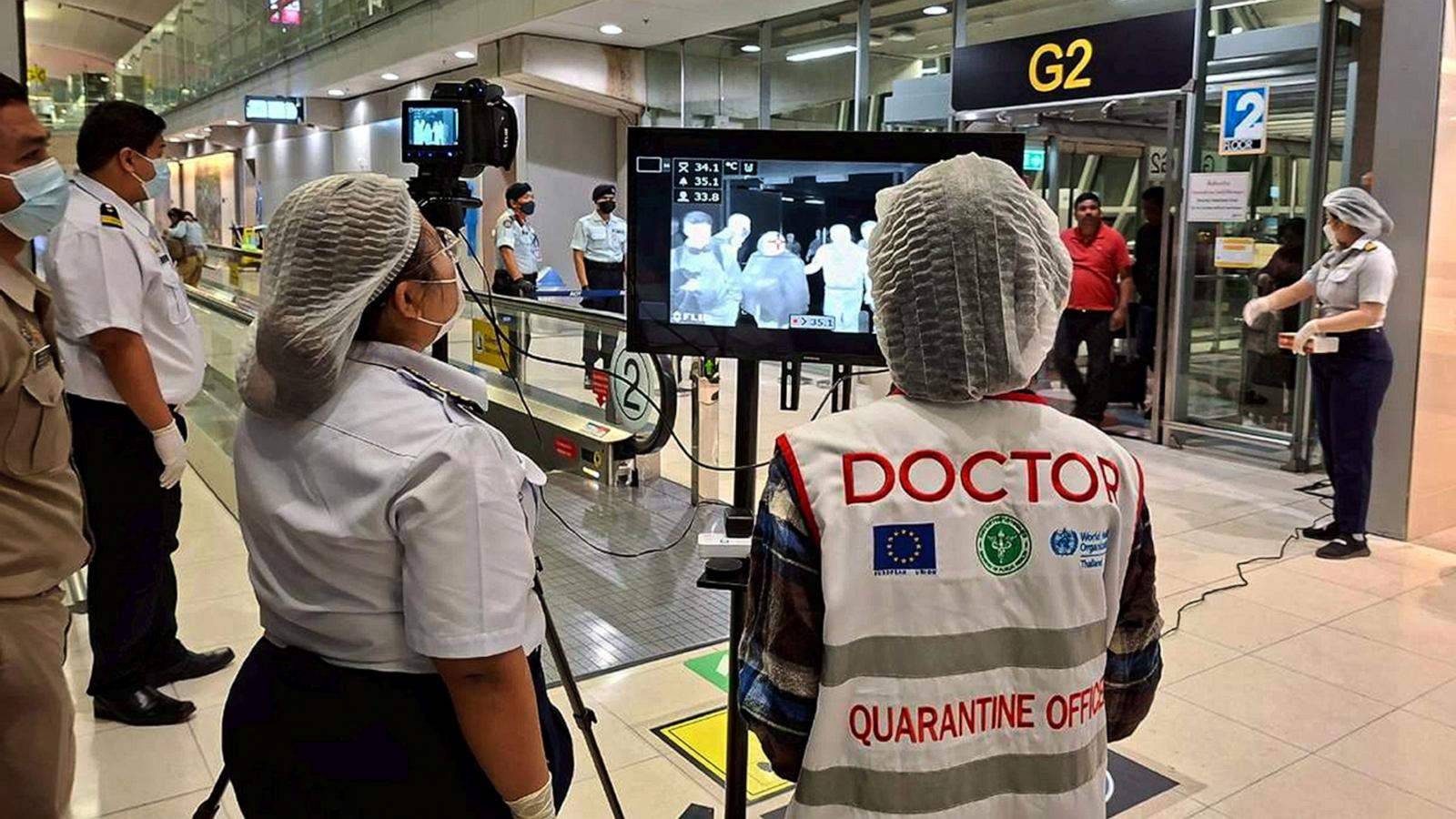
Supply Chain and Logistics Considerations: Increased surveillance across India, Thailand, and Nepal may create temporary customs delays for medical shipments and heightened documentation requirements. Sellers should prepare for potential 3-5 day delays in fulfillment to these regions and consider pre-positioning inventory in regional fulfillment centers. The outbreak also signals climate change-driven habitat destruction increasing zoonotic disease risk—a long-term trend favoring preventive health product categories.
Questions 7
How does the Nipah virus outbreak in India impact PPE product demand for cross-border sellers?
The confirmed cases in West Bengal and the 40-75% fatality rate trigger institutional and consumer demand for medical-grade PPE across India and neighboring countries. Healthcare facilities increase procurement of N95 masks, medical gloves, and protective gowns by 200-400% during outbreak periods. Sellers on Amazon India and Flipkart should optimize listings with outbreak-related keywords and expect 3-5x order volume increases in the medical supplies category. Institutional buyers (hospitals, clinics, nursing homes) represent high-value opportunities with bulk order potential of $5,000-50,000 per transaction.
Which seller segments benefit most from Nipah outbreak-driven health product demand?
Healthcare worker suppliers, institutional PPE distributors, and home health device sellers see immediate 200-400% demand spikes. Small sellers ($50K-500K annual revenue) in medical supplies and supplements can capture market share through targeted Amazon and Flipkart campaigns. Regional sellers in India, Bangladesh, and Southeast Asia benefit from reduced shipping costs and faster fulfillment. Sellers with existing healthcare certifications (ISO 13485, FDA registration) command 20-30% price premiums during outbreak periods.