




Meta AI Spending Surge & Tesla Robotics Pivot | E-Commerce Seller Opportunities 2025
- Meta's record 2026 AI infrastructure investment signals enhanced ad targeting; Tesla's $2B robotics shift accelerates logistics automation trends affecting fulfillment costs for cross-border sellers

























Overview
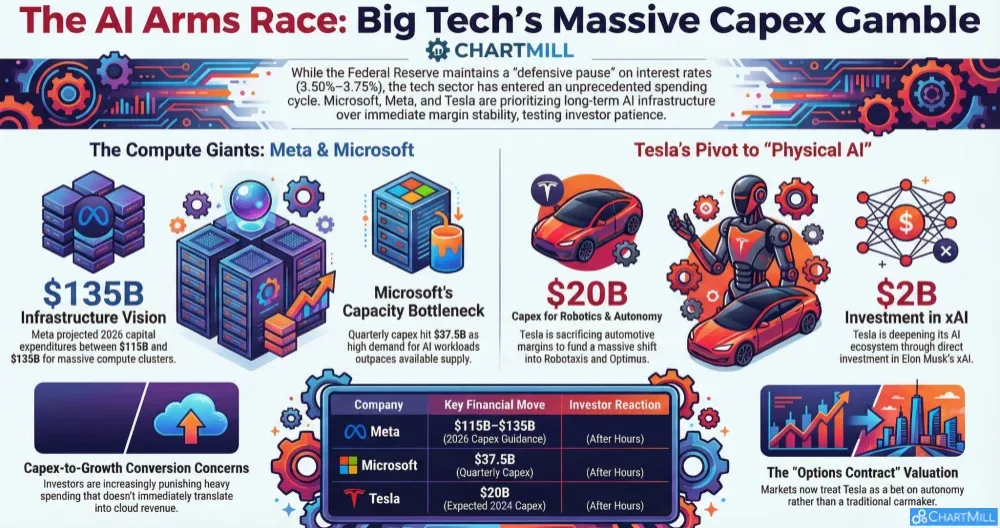
Tech earnings season reveals critical infrastructure investments reshaping e-commerce seller economics. Meta Platforms reported record quarterly sales and announced massive 2026 spending increases focused on AI and infrastructure, with shares surging 8% on positive guidance. Simultaneously, Tesla committed $2 billion to xAI ventures while pivoting away from consumer EV production toward robotics and AI development. These corporate moves signal accelerating automation trends and enhanced advertising capabilities that directly impact cross-border seller profitability, logistics costs, and customer acquisition strategies.
For e-commerce sellers, Meta's AI infrastructure expansion creates immediate advertising advantages. The company's record performance and aggressive 2026 capital allocation ($billions in infrastructure spending) indicate substantial improvements coming to Meta's advertising ecosystem—including enhanced audience targeting, conversion prediction, and campaign optimization. Sellers leveraging Meta Ads Manager and Facebook/Instagram advertising can expect improved ROI through AI-powered audience segmentation and dynamic creative optimization. Industry benchmarks suggest AI-enhanced ad platforms typically deliver 15-25% improvement in conversion rates and 20-30% reduction in customer acquisition costs (CAC). Sellers currently spending $5,000-50,000 monthly on Meta advertising should anticipate better performance metrics and lower cost-per-acquisition (CPA) by Q2-Q3 2025 as new infrastructure comes online.
Tesla's robotics pivot signals broader supply chain automation accelerating fulfillment cost reductions. The $2 billion xAI investment and strategic shift away from Model S/X production toward robotics development indicates Tesla is betting heavily on warehouse automation, logistics optimization, and AI-driven supply chain efficiency. This trend cascades through 3PL providers, Amazon FBA fulfillment centers, and regional logistics networks that increasingly deploy robotic systems. Sellers using Amazon FBA should monitor fulfillment fee trends—robotics automation typically reduces warehouse operating costs 20-35% over 3-5 years, potentially lowering FBA fees by $0.50-1.50 per unit for high-volume sellers (1,000+ units monthly) by 2026-2027. Conversely, sellers relying on traditional 3PL providers may face temporary cost increases (5-8%) as providers invest in automation infrastructure before realizing efficiency gains.
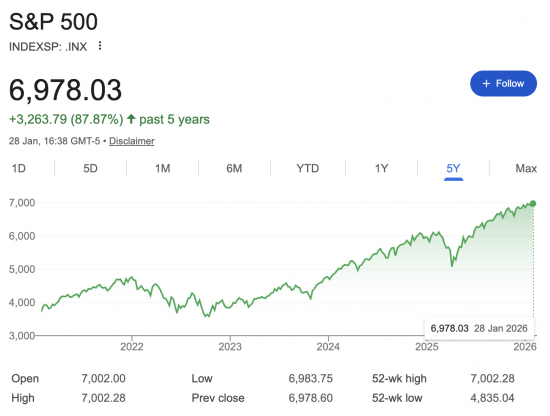
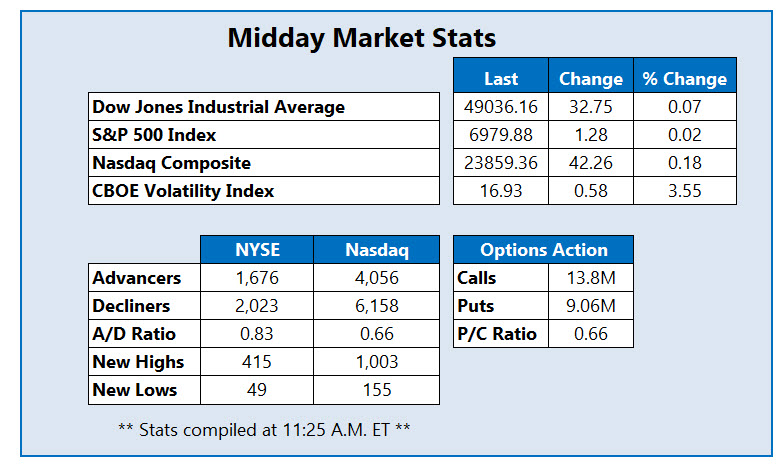
Market dynamics support continued e-commerce expansion despite mixed tech sector performance. The broader earnings season showed Nasdaq declining 0.72% and S&P 500 falling 0.13%, yet Meta's 8% surge and strong consumer spending data indicate robust demand for e-commerce products. Crude oil at $65.53/barrel and dollar index at 93.87 create favorable conditions for cross-border sellers—lower oil prices reduce international shipping costs 3-5%, while the relatively stable dollar (93.87) minimizes currency volatility for sellers operating across USD, EUR, and GBP markets. The VIX index at 16.88 reflects contained market volatility, suggesting stable consumer confidence and continued discretionary spending on e-commerce categories.
Questions 8
How can sellers automate their Meta advertising strategy using AI tools?
Sellers should leverage Meta's native AI features: Campaign Budget Optimization (CBO) for automated budget allocation, Advantage+ Shopping Campaigns for AI-driven creative optimization, and Conversion API for enhanced conversion tracking. Third-party tools like Revealbot, Adverity, and Kenshoo integrate with Meta Ads Manager to automate bid management, audience segmentation, and performance reporting. Sellers spending $10,000+ monthly should implement these automation tools to reduce manual optimization time 10-15 hours/week while improving ROAS by 20-30%. Implementation typically costs $500-2,000 monthly but delivers 3-5x ROI through improved campaign efficiency.
What market conditions support e-commerce expansion despite mixed tech sector performance?
Despite Nasdaq declining 0.72% and S&P 500 falling 0.13%, strong consumer spending data and Meta's 8% surge indicate robust e-commerce demand. The VIX index at 16.88 reflects contained market volatility, suggesting stable consumer confidence and continued discretionary spending. Crude oil at $65.53/barrel supports lower logistics costs, while the dollar index at 93.87 provides currency stability for international sellers. These conditions create favorable expansion opportunities for sellers in consumer discretionary categories (apparel, electronics, home goods) through Q2 2025.