


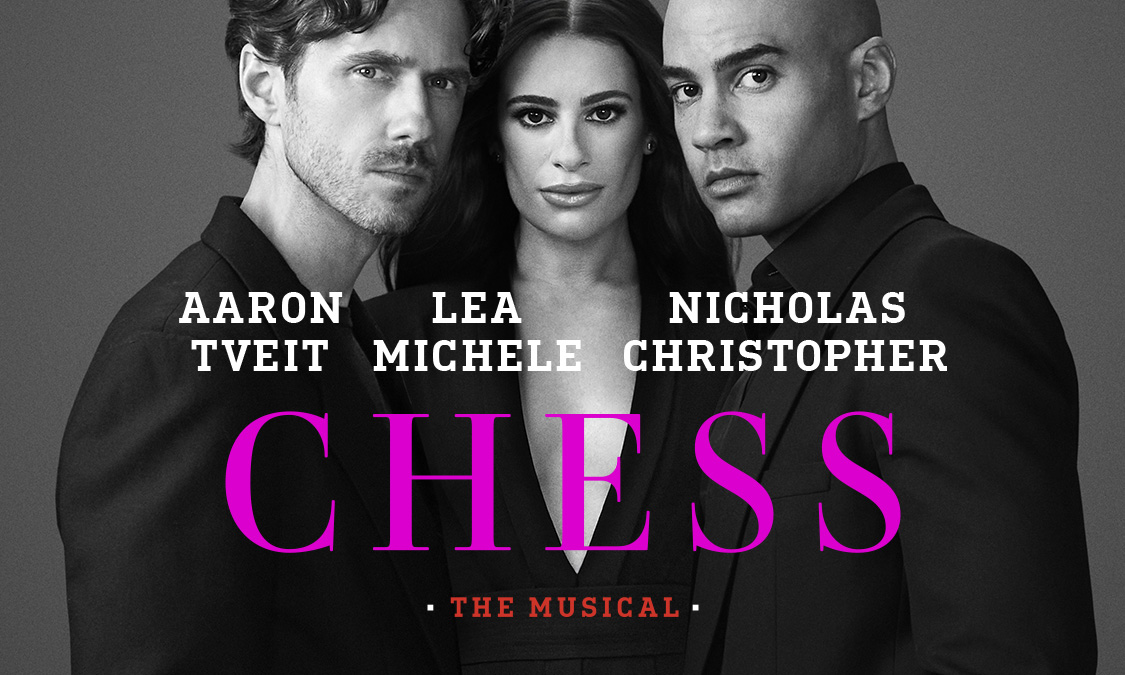

Broadway's Emotional Battlefield: Lea Michele's Chess Revival Sparks Cultural Conversation
- Theatrical revival signals post-pandemic artistic resilience and complex audience engagement


Overview
The Broadway musical landscape is experiencing a fascinating metamorphosis, with Lea Michele's revival of 'Chess' emerging as a pivotal cultural touchpoint that transcends mere entertainment. This production represents more than a theatrical performance—it's a nuanced exploration of artistic resilience and audience dynamics in the post-pandemic era.
Critical reception dynamics reveal a complex narrative beyond the stage. While critics from Variety and The Hollywood Reporter offered mixed assessments—noting the production's uneven emotional terrain—Michele's performance received unanimous acclaim. Her rendition of 'Nobody's Side' stands out as a masterclass in dramatic interpretation, suggesting that individual artistic excellence can elevate an entire production.
The extended run through 2026 is particularly significant, indicating institutional confidence in the show's appeal. This isn't just about ticket sales; it's a statement about Broadway's ability to reinvent narrative-driven musical experiences. The social media response—divided between passionate support and critical "ragebait" commentary—reflects the broader cultural conversation about artistic authenticity and performance interpretation.
Strategically, the 'Chess' revival represents a broader trend of post-pandemic theatrical reinvention. By staging a Cold War-era narrative featuring international chess champions, the production taps into contemporary themes of geopolitical tension and individual agency. The musical's ability to generate passionate discourse—whether through critical analysis or social media debate—demonstrates theater's enduring power to provoke, challenge, and engage audiences.
The production's success hinges on its ability to balance technical performance with emotional depth. Nicholas Christopher's portrayal of the Soviet champion and Aaron Tveit's American grandmaster performance underscore the show's commitment to nuanced character development. This approach transforms 'Chess' from a mere musical into a complex cultural artifact that reflects broader societal negotiations of identity, competition, and artistic expression.
Questions 3
What makes Lea Michele's performance noteworthy in this production?
Despite mixed critical reviews of the overall production, Michele's performance—particularly her rendition of 'Nobody's Side'—received unanimous praise. Her interpretation demonstrates how individual artistic excellence can elevate and transform a theatrical experience.
Why is the 'Chess' musical revival significant beyond entertainment?
The revival represents a complex cultural moment, exploring post-pandemic theatrical resilience and geopolitical themes through a nuanced musical narrative. It demonstrates theater's capacity to provoke discourse and challenge audience expectations by reimagining a Cold War-era story.