






Diplomatic Integrity Under Scrutiny: EU's Governance Challenges Exposed
- Institutional Transparency Tested as High-Profile Investigations Reveal Systemic Vulnerabilities





















)






















Overview
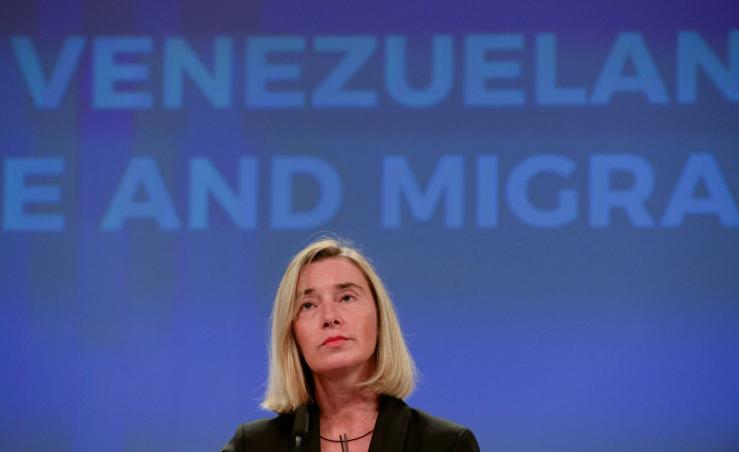
The recent investigation involving Federica Mogherini and other EU officials unveils a critical moment of institutional introspection, highlighting the delicate balance between diplomatic privilege and accountability. The European Public Prosecutor's Office (EPPO) conducted targeted searches at the College of Europe and European External Action Service, signaling a robust approach to potential procurement irregularities in diplomatic training programs.
Institutional Transparency Dynamics: The investigation centers on suspected favoritism in a junior diplomat training course tender, revealing deeper systemic challenges within EU governance structures. Despite the high-profile nature of the probe, Mogherini and two other officials were questioned and subsequently released, suggesting a measured, procedurally careful approach to institutional integrity checks.
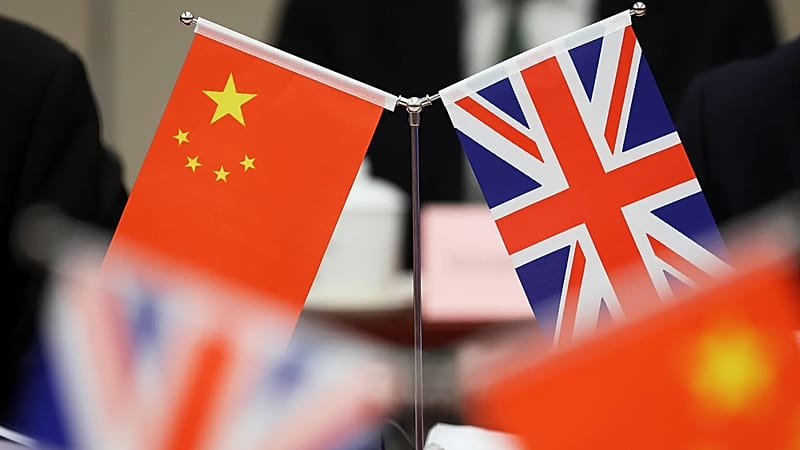
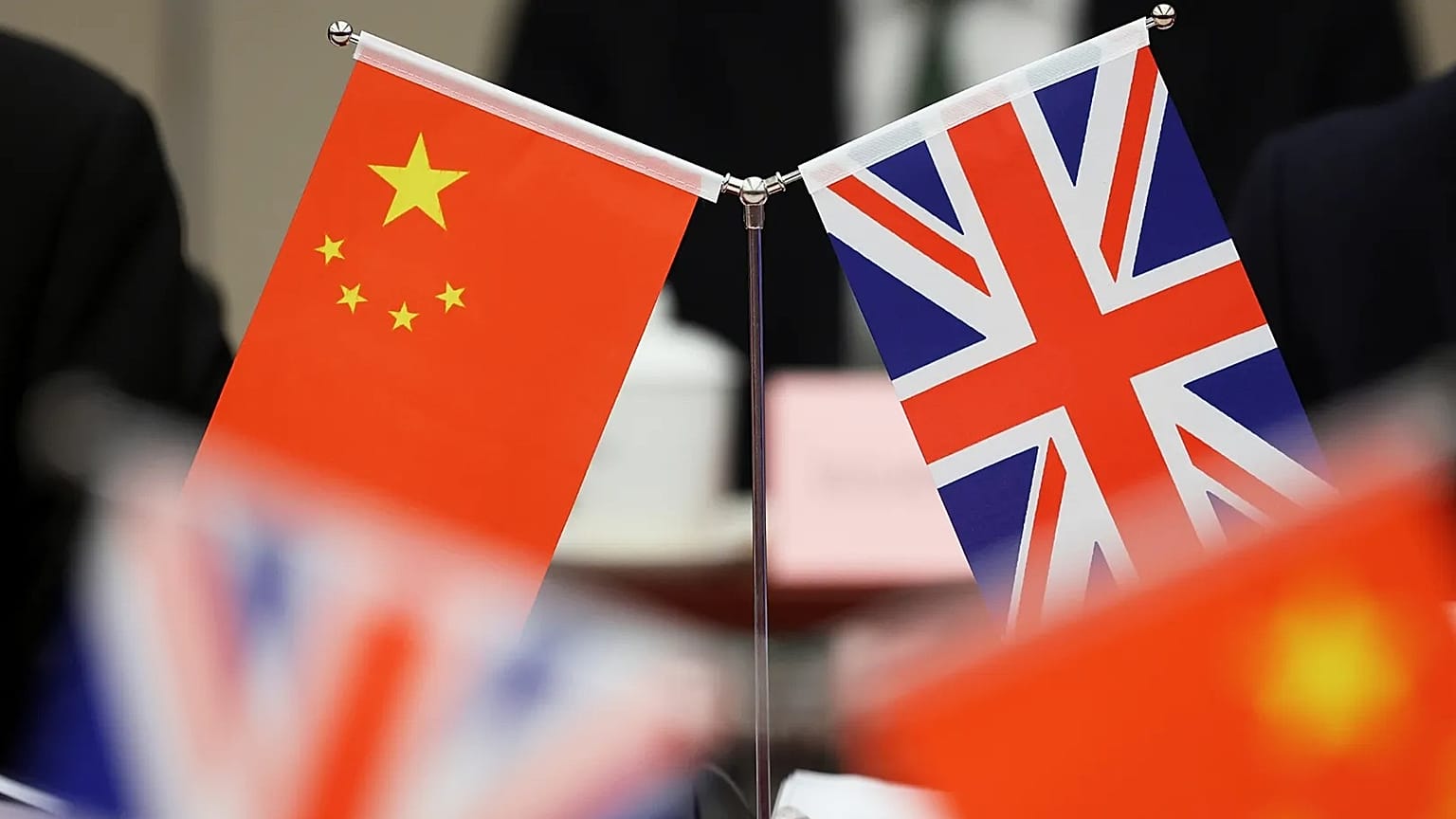
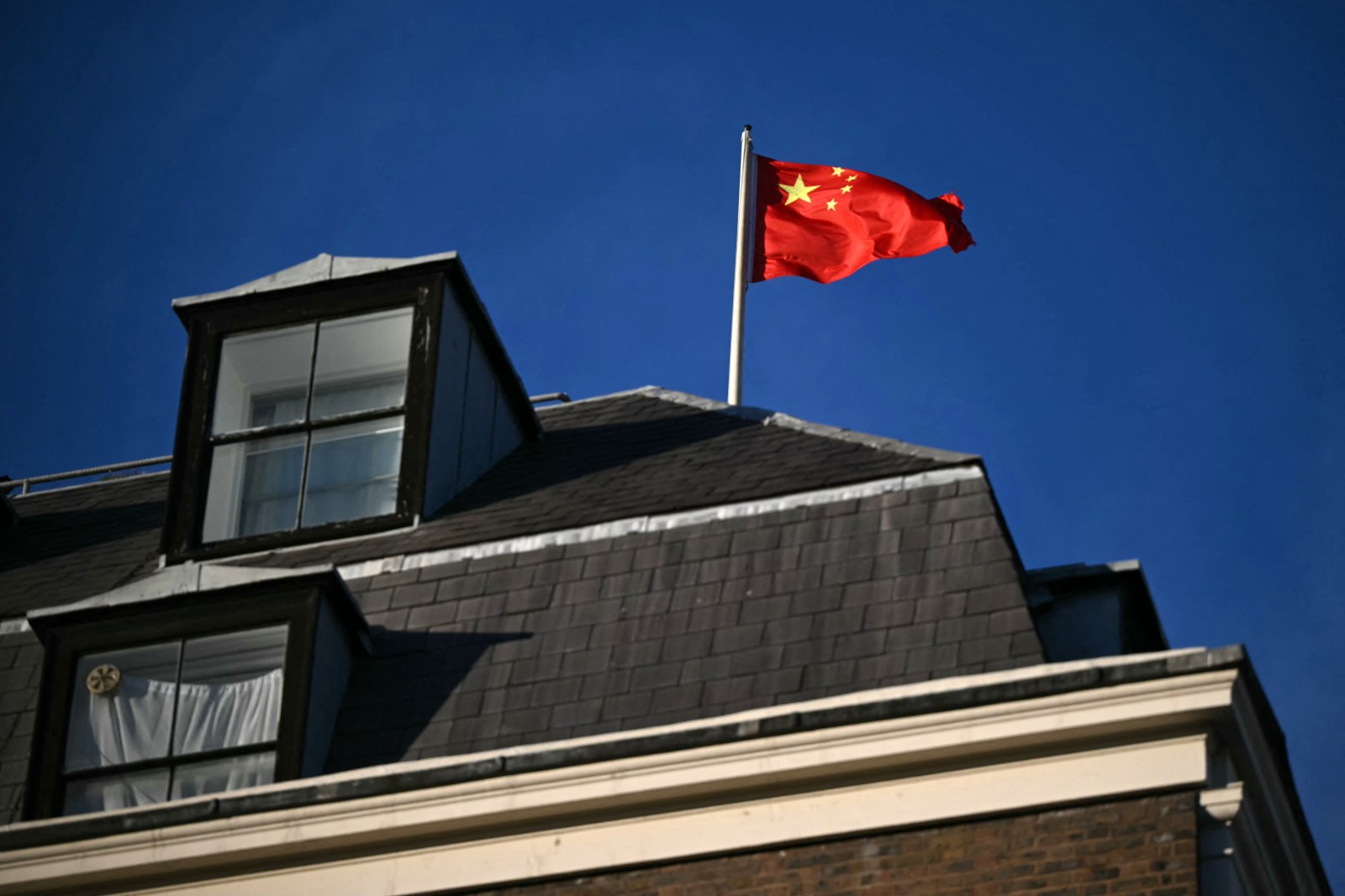
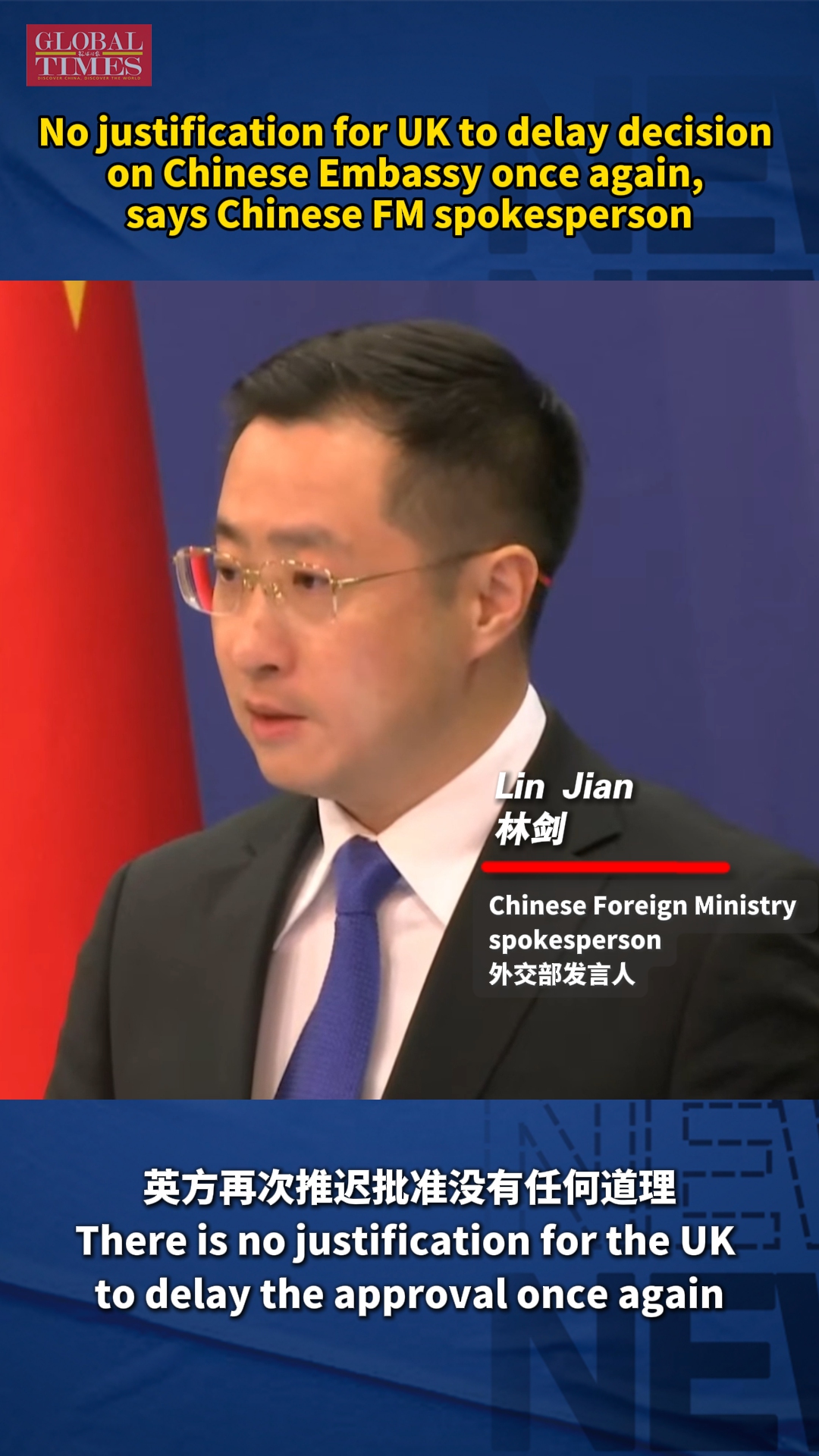
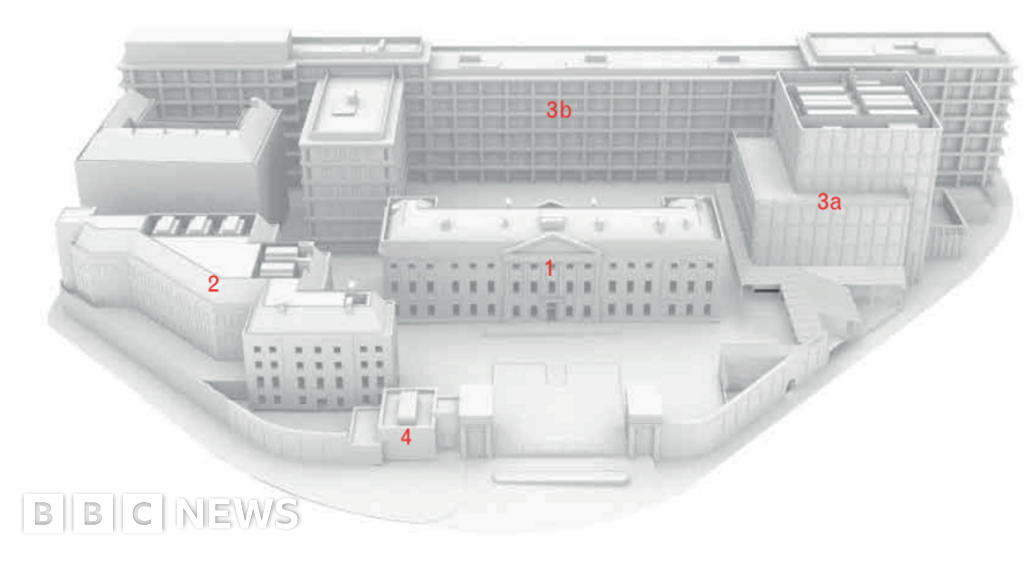
Geopolitical Context and Implications: Simultaneously, the UK's consideration of a massive Chinese embassy project in London adds another layer of complexity to diplomatic landscape management. The proposed embassy, capable of housing 200 staff near sensitive infrastructure, underscores the intricate security calculations modern diplomatic institutions must navigate. Security services' espionage concerns juxtaposed with diplomatic officials' cooperation narrative exemplify the nuanced geopolitical negotiations underlying seemingly straightforward infrastructure decisions.
The U.S. diplomatic critique of the EU investigation further amplifies the international scrutiny, transforming what could have been a routine administrative review into a broader conversation about institutional accountability. This suggests a growing global expectation for transparency, even among traditionally insulated diplomatic circles.
Strategic Implications: Organizations must recognize that institutional integrity is no longer a passive attribute but an active, continuously monitored dimension of governance. The ability to demonstrate robust internal controls, transparent decision-making processes, and swift, fair investigative mechanisms will become increasingly critical in maintaining international credibility.
Questions 3
What specific allegations are being investigated in the Mogherini case?
The investigation focuses on potential favoritism in a tender for a nine-month junior diplomat training course. The European Public Prosecutor's Office conducted searches at the College of Europe and European External Action Service, questioning Mogherini and two other officials about suspected procurement irregularities.
How might this investigation impact EU diplomatic credibility?
The investigation signals a commitment to institutional transparency, demonstrating that even high-profile diplomats are subject to scrutiny. While Mogherini was released without charges, the probe itself sends a strong message about accountability and could potentially enhance the EU's governance reputation if handled transparently.