


Humanitarian Crisis Erupts: Central Africa's Refugee Emergency Exposes Regional Fragility
- Massive Displacement in South Kivu Signals Systemic Instability Threatening Regional Economic Resilience



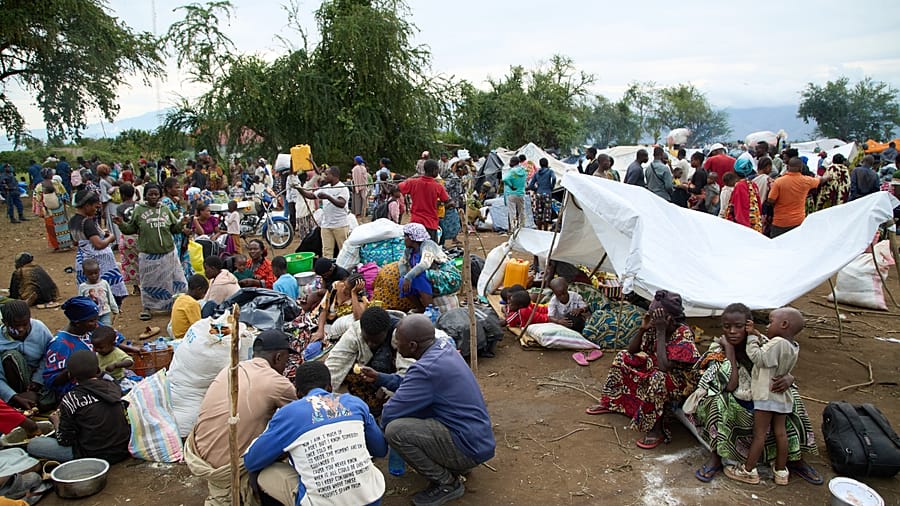
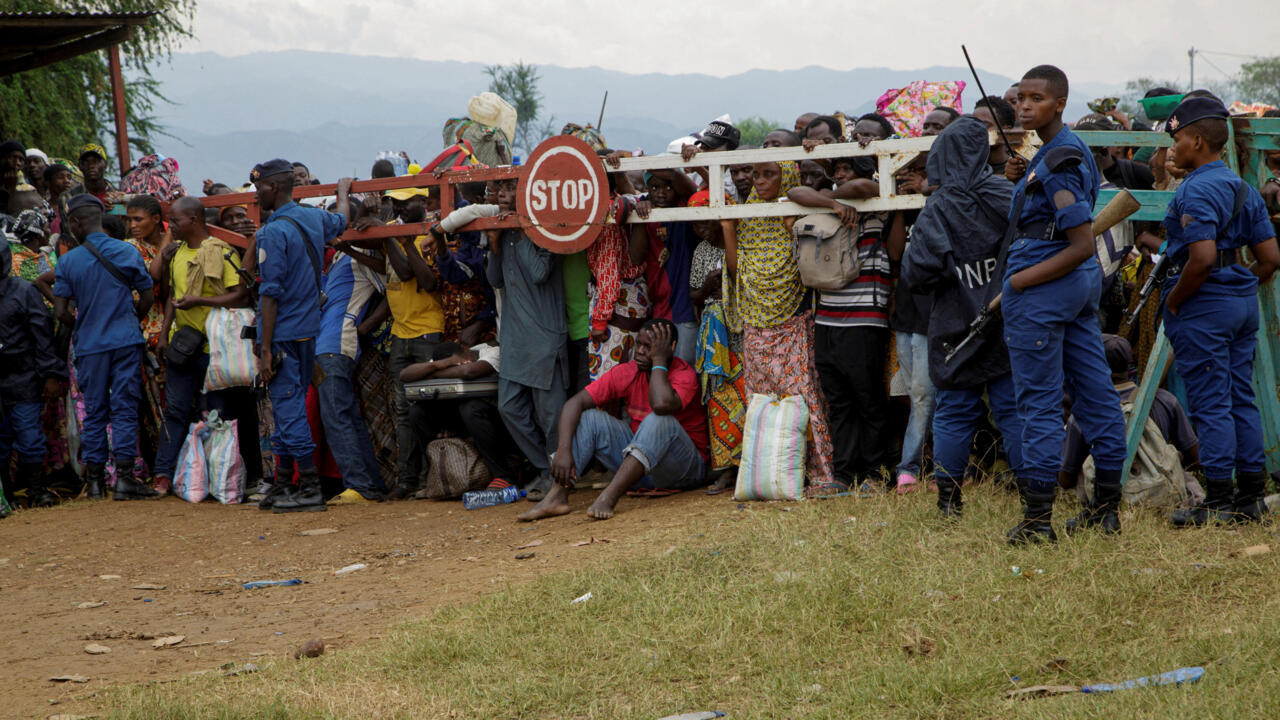





)







Overview
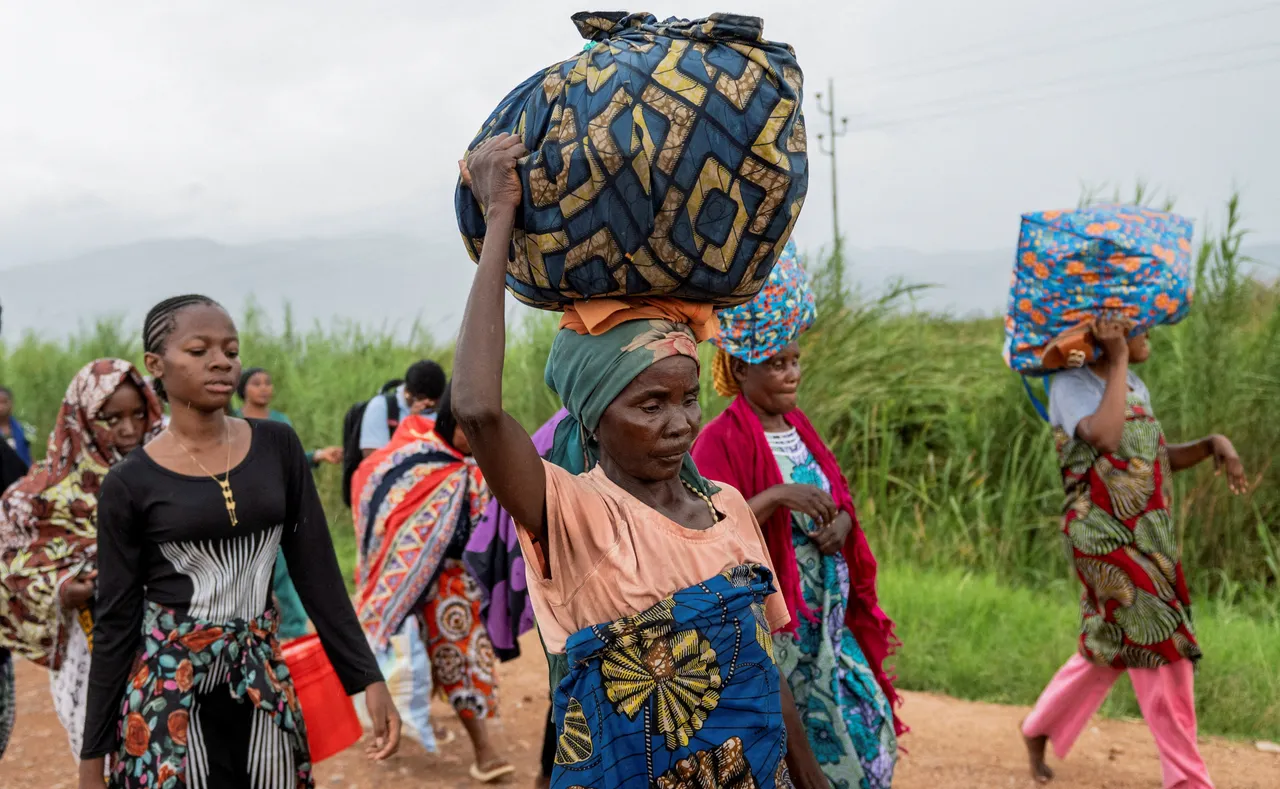
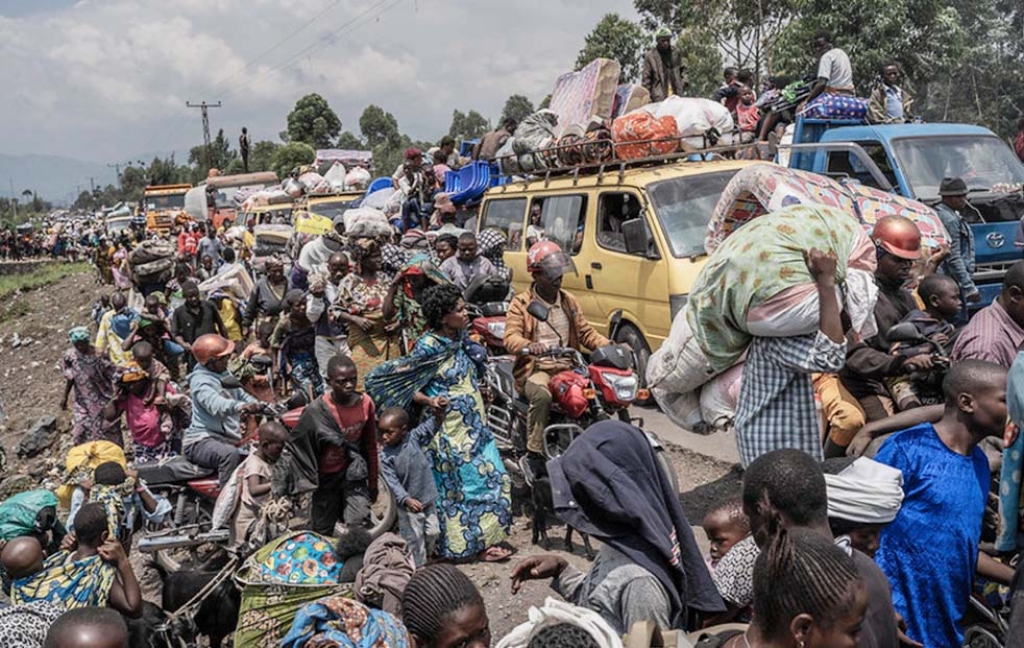
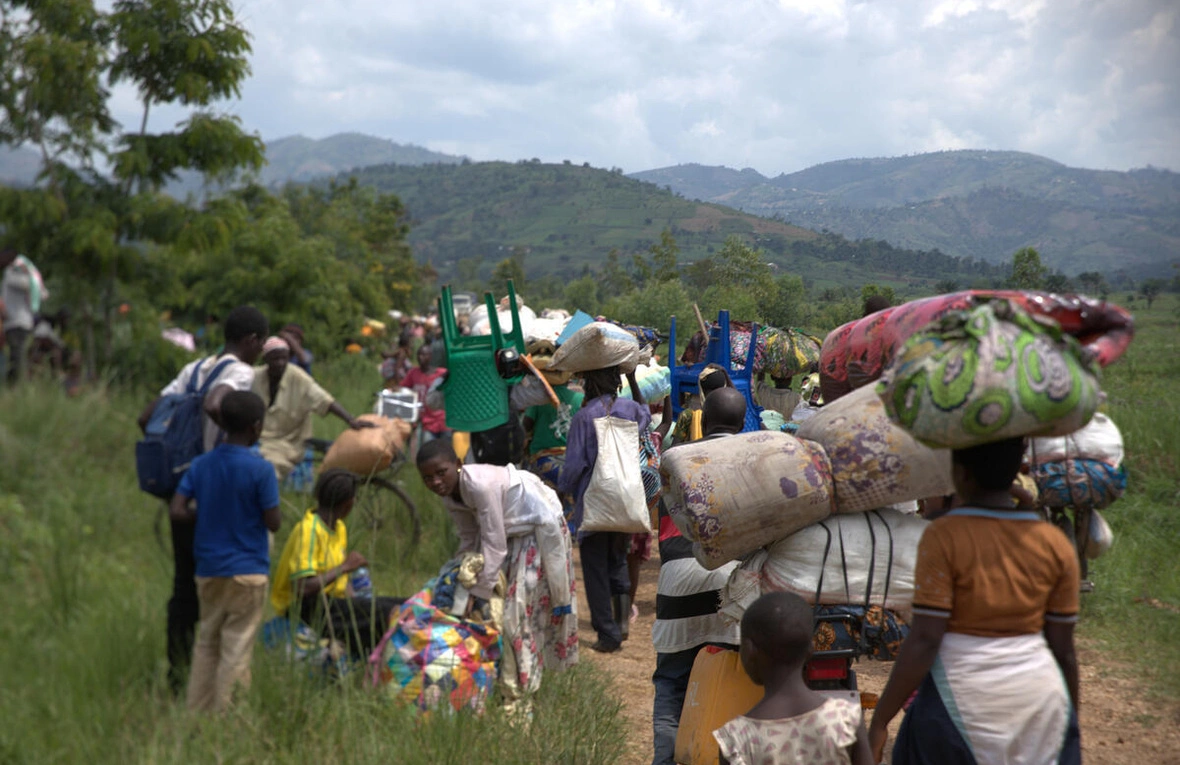
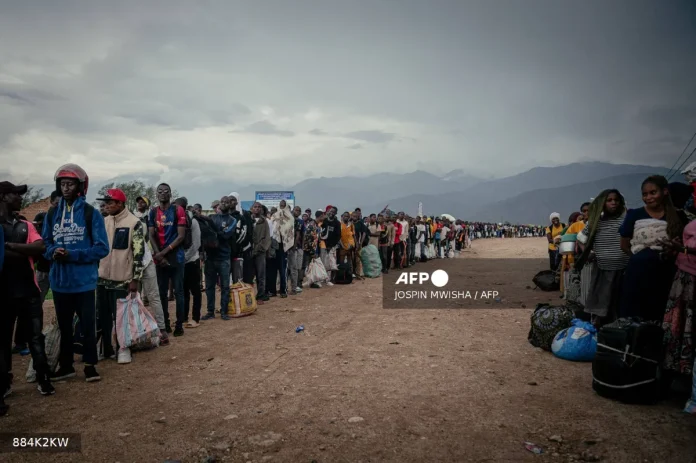
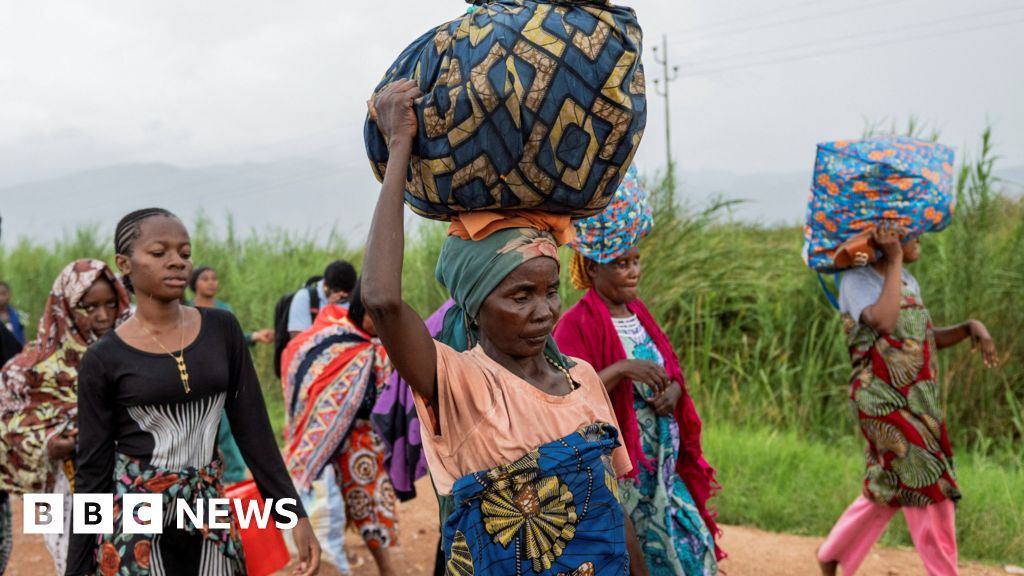
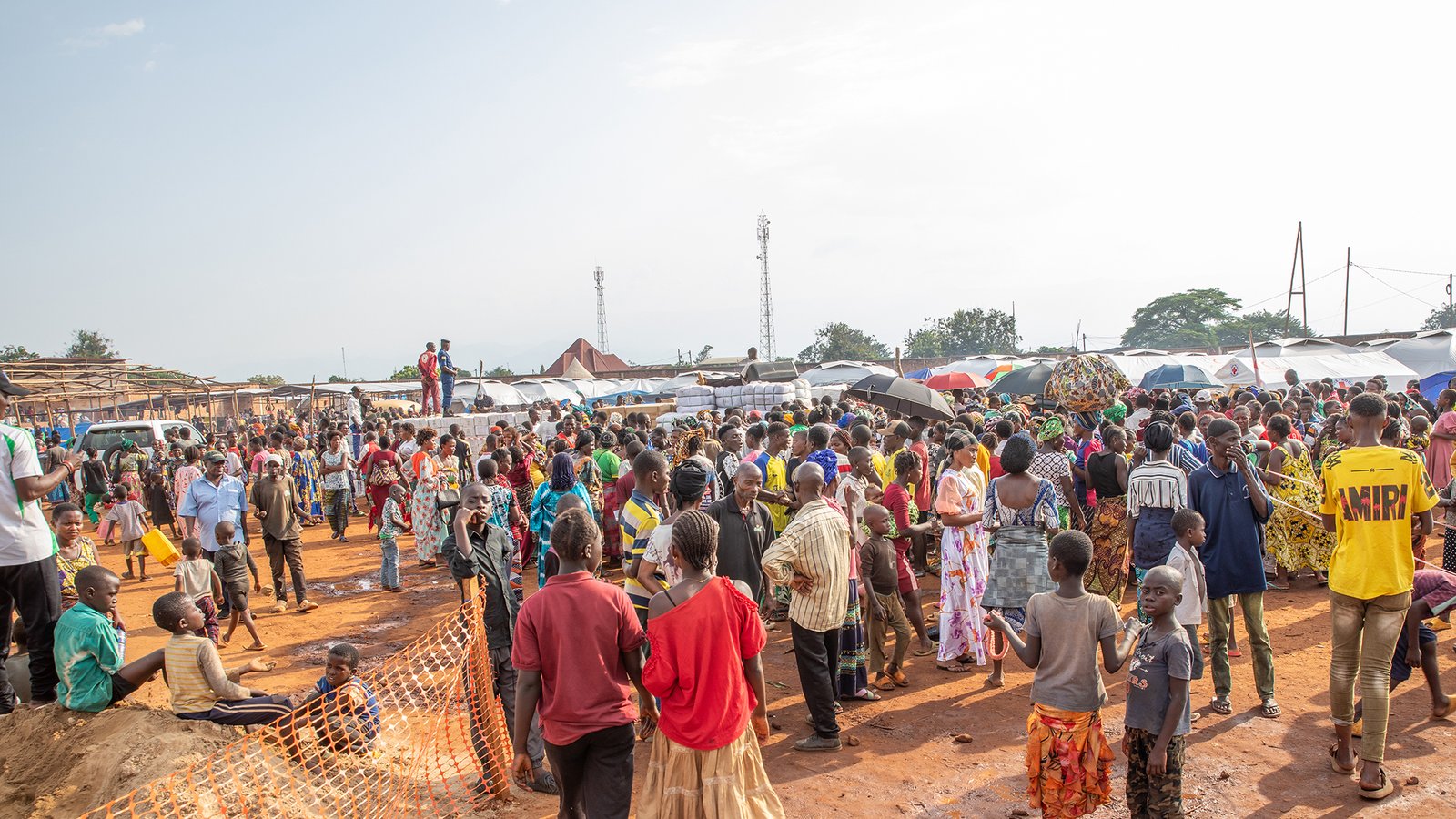
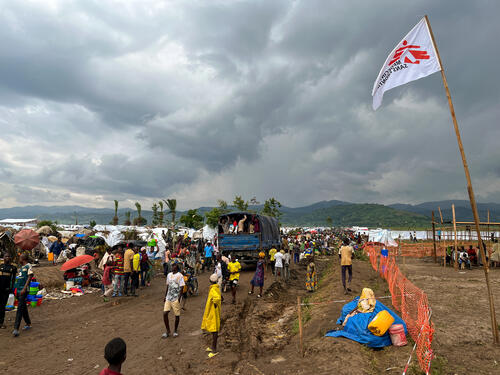
The humanitarian crisis unfolding in the Democratic Republic of Congo represents more than a localized conflict—it is a profound systemic breakdown with far-reaching implications for regional stability and economic potential. Since early December, the M23 armed group's offensive has triggered an unprecedented displacement emergency, forcing over 500,000 people to flee their homes in South Kivu province, creating a cascading humanitarian and economic challenge.
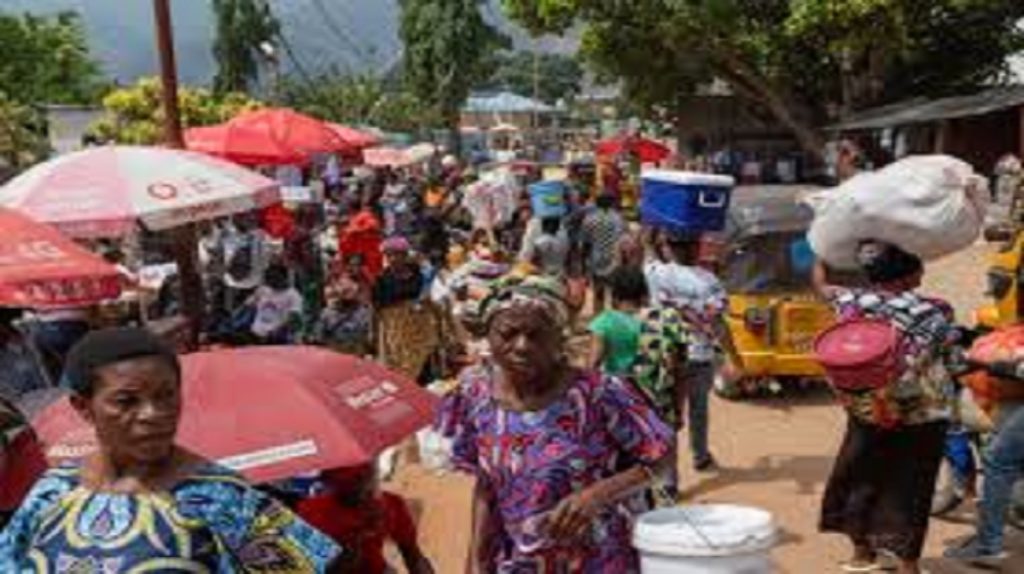
The scale of disruption is staggering. With 2.8 million people facing acute food insecurity and a projected seven-fold surge in emergency food shortages by January 2026, the humanitarian landscape has been fundamentally transformed. Refugee flows into neighboring countries like Burundi and Rwanda have created complex cross-border challenges, with approximately 80,000 refugees seeking shelter and basic necessities.
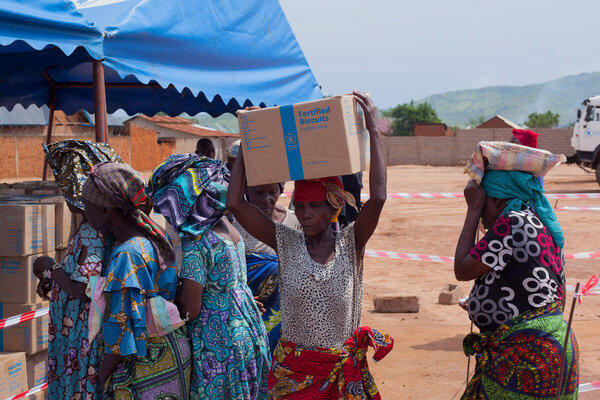
Beyond the immediate human tragedy, this crisis exposes critical vulnerabilities in regional economic infrastructure. Humanitarian supply chains are under extreme pressure, with international organizations like the UN World Food Programme urgently seeking $67 million for immediate displacement assistance. The conflict has disrupted critical economic zones, with 391,000 children out of school and essential infrastructure like health facilities systematically compromised.
The geopolitical dynamics driving this crisis are equally complex. Ongoing tensions between Congolese and Rwandan governments, despite a recent peace agreement brokered by the United States, continue to fuel instability. The M23 rebel group's strategic city captures in eastern DRC signal a deeper pattern of systemic governance challenges that transcend simple military confrontations.
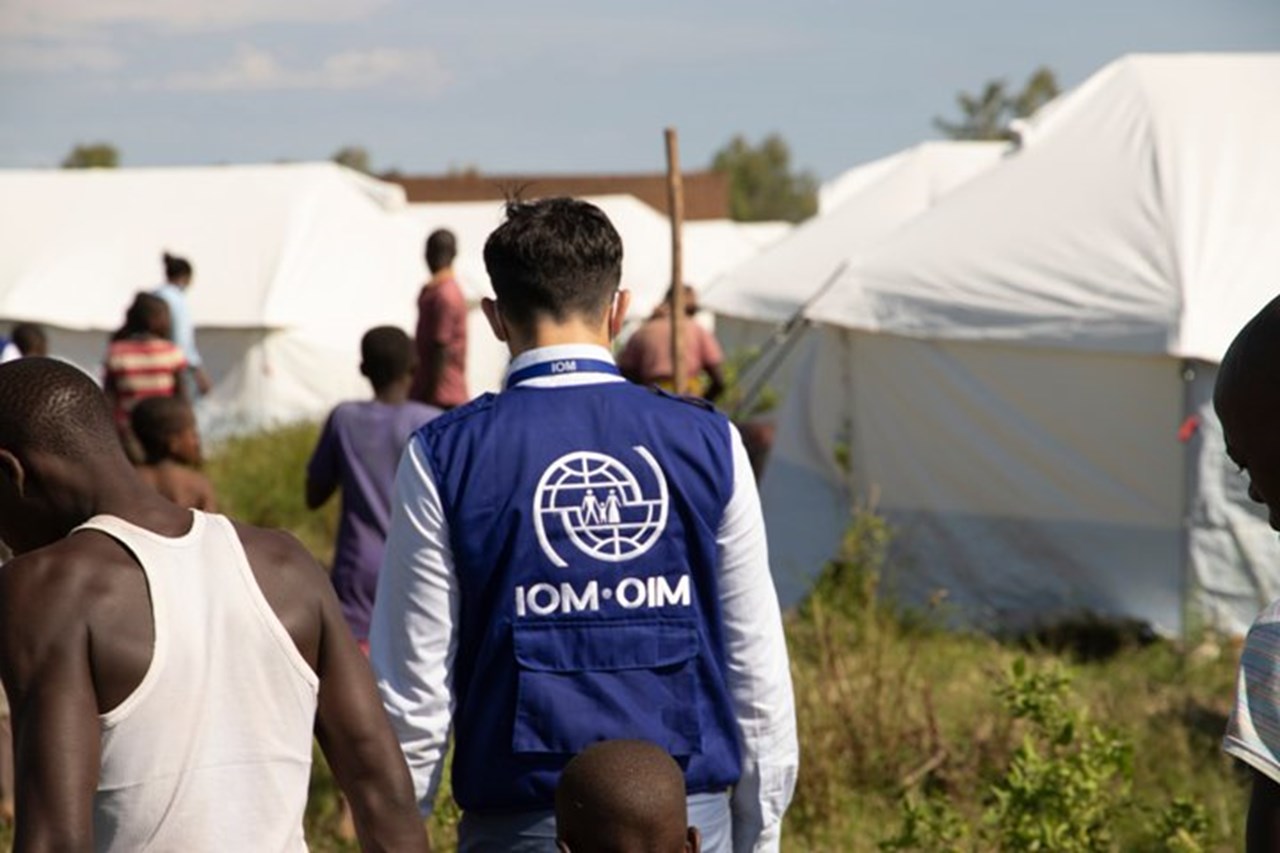
For international humanitarian and logistics organizations, this represents a critical operational inflection point. The crisis demands not just emergency response, but sophisticated, adaptable intervention strategies that can navigate rapidly changing ground realities. The potential for expanded humanitarian logistics and emergency supply chain services is substantial, but requires unprecedented levels of coordination and resource mobilization.
Questions 4
What geopolitical tensions are driving this conflict?
The crisis involves ongoing tensions between Congolese and Rwandan governments, with the M23 rebel group capturing strategic cities in eastern DRC. The United States has attempted to broker a peace deal, indicating the complex geopolitical dynamics at play in the Great Lakes region.
What are the immediate humanitarian challenges in the South Kivu region?
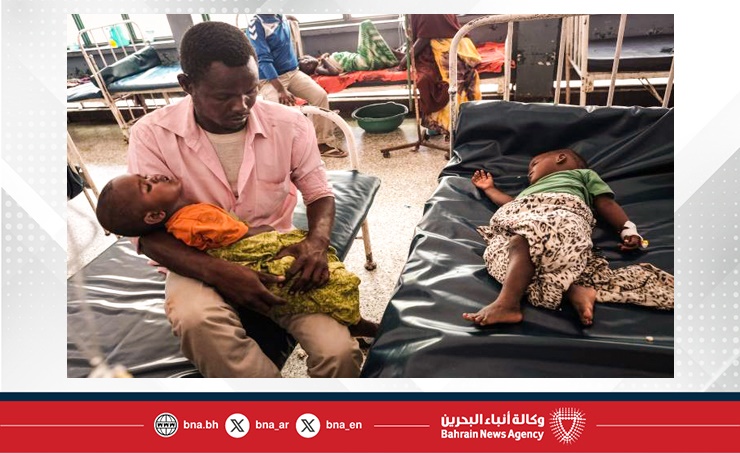
The region faces a critical emergency with 500,000 people displaced, 2.8 million experiencing food insecurity, and 391,000 children out of school. Health facilities have been looted, medicines are unavailable, and safe water is scarce, creating a multi-dimensional humanitarian crisis.