




Southeast Asian Border Tensions Threaten Regional Trade Stability
- Escalating Thailand-Cambodia Conflict Reveals Fragile Cross-Border Economic Ecosystem



















Overview
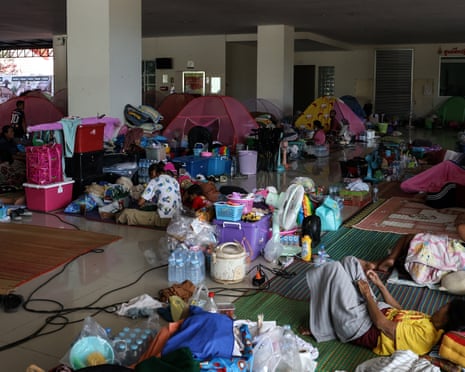
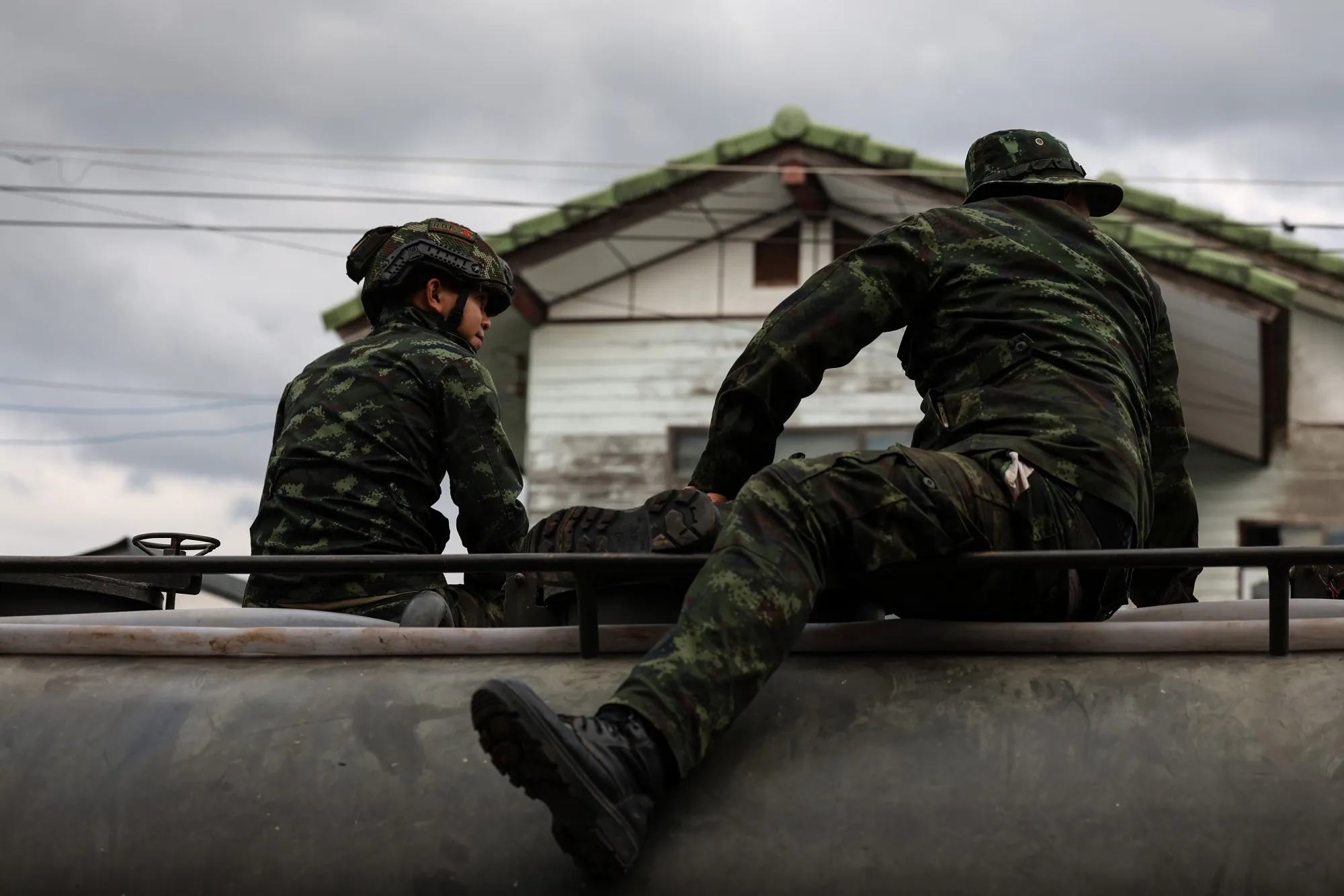
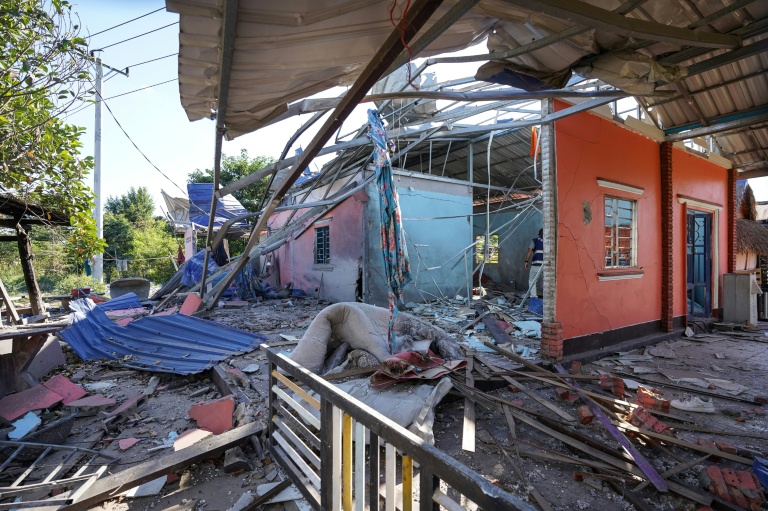
The Thailand-Cambodia border conflict represents a critical inflection point in Southeast Asian geopolitical and economic dynamics, exposing the profound vulnerability of regional trade infrastructures. With over 86 total deaths and more than 650,000 people displaced, this long-standing territorial dispute transcends mere territorial disagreement, signaling systemic risks for cross-border commerce and international supply chains.
Strategic Geopolitical Fragmentation emerges as the core narrative. The conflict's roots in colonial-era border demarcations highlight how historical legacies continue to destabilize modern economic interactions. Both nations have engaged in multiple diplomatic attempts—involving mediators like the U.S., China, and Malaysia—yet sustainable peace remains elusive. The repeated failure of ceasefires suggests deeper structural tensions that conventional diplomatic mechanisms struggle to resolve.
For cross-border businesses and e-commerce sellers, this conflict represents a watershed moment in risk assessment. The operational disruptions extend far beyond immediate territorial tensions: supply chain interruptions, logistics challenges, and increased transportation costs create a complex risk landscape. Companies operating in the Thailand-Cambodia border regions must now develop sophisticated contingency plans that anticipate geopolitical volatility as a standard operational consideration.
The conflict's economic implications are profound. Supply chain resilience has transformed from a theoretical concept to an urgent strategic imperative. E-commerce sellers and logistics providers must now integrate geopolitical risk modeling into their core operational strategies, recognizing that regional conflicts can instantaneously render existing supply chain architectures obsolete.
Ultimately, this border dispute reveals a broader pattern of economic vulnerability in Southeast Asian trade corridors. The interconnected yet fragile nature of regional commerce means that localized conflicts can rapidly escalate into systemic economic challenges, demanding a new paradigm of adaptive, risk-aware business strategies.
Questions 3
What makes this border conflict different from previous regional disputes?
Unlike previous conflicts, this dispute reveals a systemic vulnerability in Southeast Asian trade corridors. Multiple international mediation attempts have failed, suggesting deeper structural tensions that challenge conventional diplomatic resolution mechanisms and create prolonged economic uncertainty.
What strategic adaptations should businesses consider in response to this conflict?
Businesses must develop comprehensive risk management strategies that integrate geopolitical risk modeling. This includes creating flexible supply chain architectures, developing multiple sourcing options, and building scenario-based contingency plans that anticipate rapid regional political shifts.