




BP's $8 Billion Castrol Divestment Signals Strategic Corporate Transformation
- Energy giants pivot towards future-focused investments by restructuring traditional business units














Overview
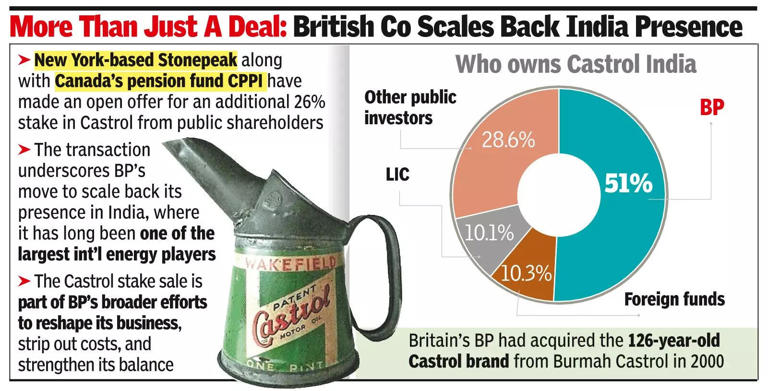
In a landmark strategic move, BP has engineered a transformative transaction that goes far beyond a simple asset sale. By divesting a majority 65% stake in its Castrol lubricants business to Stonepeak, the energy giant is executing a sophisticated financial and strategic recalibration worth $8 billion.
The transaction reveals a nuanced corporate strategy that transcends traditional asset management. BP is not merely selling a business unit; it is strategically repositioning its portfolio towards more future-oriented investments. The $6 billion in proceeds represent more than cash—they symbolize capital being reallocated from legacy industrial segments towards emerging energy transition opportunities.
For global businesses and supply chain strategists, this divestment signals profound market shifts. The industrial lubricants sector is experiencing a fundamental restructuring, where established multinational corporations are reimagining their core competencies. Stonepeak's acquisition suggests significant confidence in Castrol's long-term value proposition, even as BP charts a new strategic course.
The deeper narrative here is about corporate adaptability. Traditional energy companies are no longer viewing their existing assets as permanent infrastructure but as dynamic capital that can be strategically redeployed. BP's move demonstrates a sophisticated approach to corporate portfolio optimization—selling mature, cash-generating businesses to fund innovation and sustainability initiatives.
This transaction also highlights an emerging trend of private investment firms like Stonepeak playing increasingly pivotal roles in industrial asset transitions. They are becoming critical bridge builders between legacy corporate structures and future-focused business models, providing liquidity and strategic continuity during complex corporate transformations.
Questions 3
Why is BP selling its Castrol lubricants business?
BP is strategically repositioning its portfolio, redirecting capital from traditional industrial assets towards future-focused energy transition investments. The $8 billion sale allows BP to generate significant liquidity while streamlining its business operations.
What does this transaction mean for the lubricants industry?
The sale signals potential market restructuring, with private investment firms like Stonepeak playing increasingly important roles in industrial asset transitions. It suggests ongoing consolidation and strategic repositioning within the lubricants sector.