



The Paradox of American Economic Growth: Resilience Meets Uneven Prosperity
- Navigating a K-Shaped Recovery Where Economic Metrics Mask Deeper Structural Challenges



























Overview
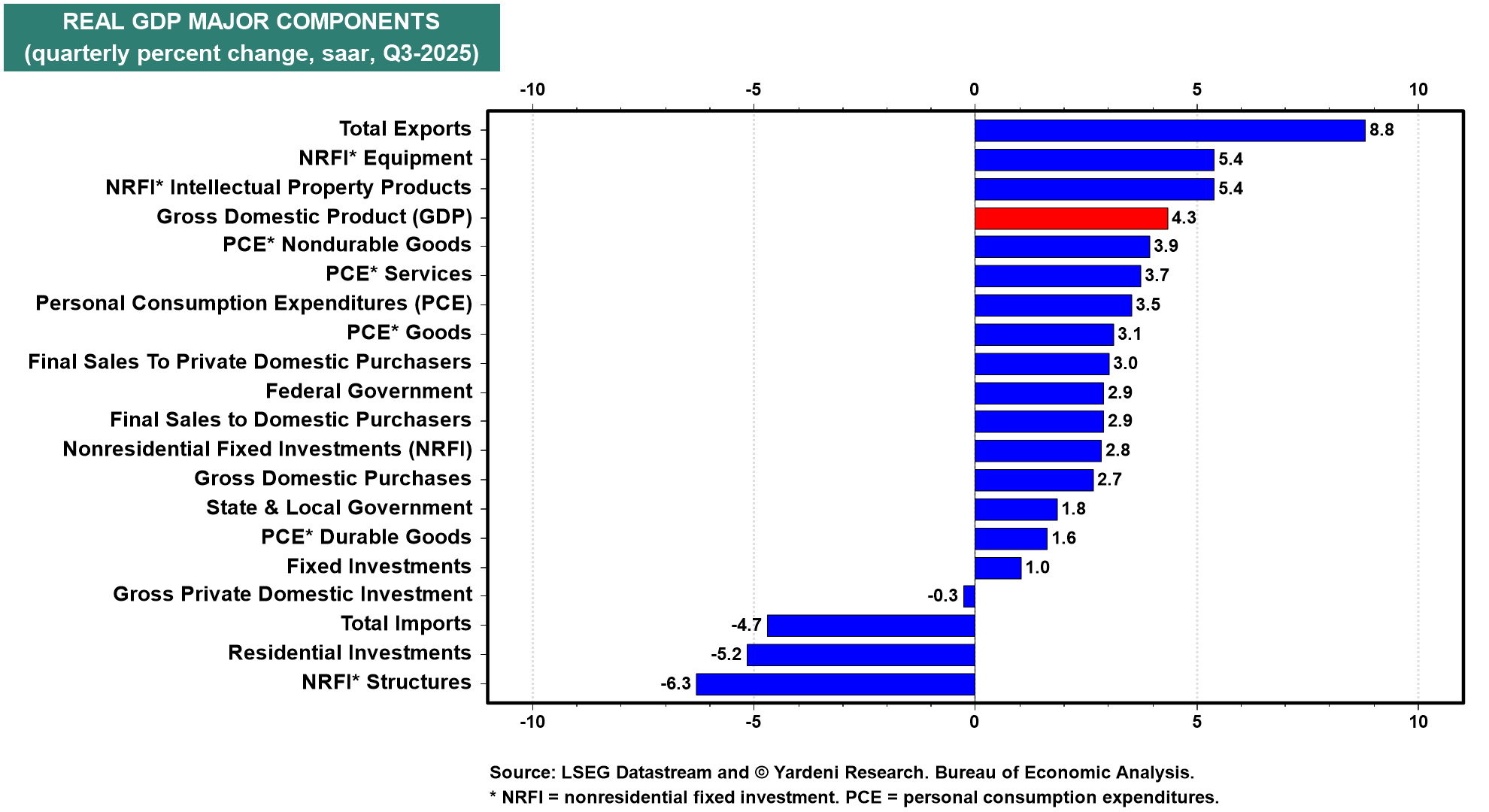
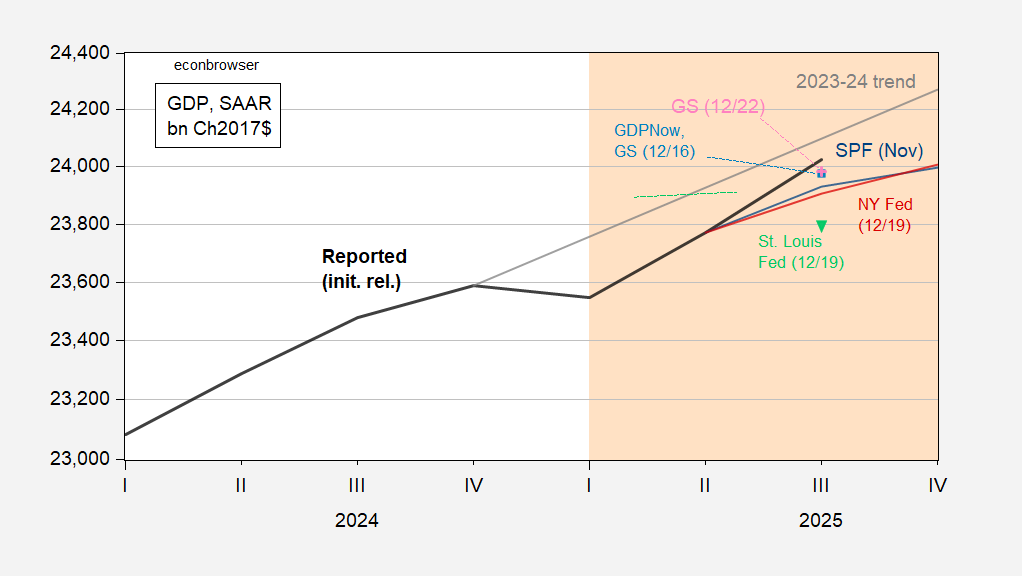
The U.S. economy presents a complex narrative of simultaneous growth and fragmentation in 2024-2025, revealing a nuanced landscape where headline economic indicators obscure profound structural disparities. With GDP growing 4.3% and consumer spending expanding 3.5%, the surface-level metrics suggest robust economic health. However, a deeper examination exposes a K-shaped recovery where economic benefits are dramatically unequally distributed.
The semiconductor and technology sectors epitomize this intricate economic terrain. The U.S. government's strategic delay of semiconductor tariffs until June 2027—maintaining a zero tariff rate for 18 months—signals a measured approach to international trade relations. This policy creates a strategic window for cross-border e-commerce sellers in tech and electronics, particularly those navigating complex China-U.S. trade dynamics.
Critically, the economic landscape is characterized by stark consumer segmentation. While high-income consumers drive spending through strong real estate and stock market performance, lower and middle-income Americans face persistent economic pressures. Inflation remains elevated at 2.7%, significantly higher than the pre-pandemic decade's 1.7% average. This economic polarization is evident in granular consumption patterns: some essential goods like eggs (-13%) and milk (-1%) have seen price decreases, yet critical expenses like electricity continue rising by 7%.
The technology sector further illuminates these transformative dynamics. ServiceNow's $7.75 billion acquisition of cybersecurity startup Armis underscores the growing importance of AI and digital infrastructure, reflecting a broader trend of digital transformation affecting e-commerce ecosystems. For sellers and investors, this signals a critical pivot point: success increasingly depends on technological adaptability and understanding nuanced market segmentation.
Strategically, e-commerce sellers must recognize that this is not merely an economic cycle, but a structural reconfiguration. The uneven recovery suggests that traditional growth metrics are insufficient. Success will require hyper-targeted strategies that can navigate the complex terrain of consumer sentiment and technological disruption.
Questions 3
How are semiconductor tariff delays impacting cross-border e-commerce?
The U.S. government's decision to delay semiconductor tariffs until June 2027 creates a strategic opportunity for e-commerce sellers. With an initial zero tariff rate for 18 months, sellers in tech and electronics can leverage reduced trade barriers to explore new market entry strategies and optimize supply chain configurations.
What does the 'K-shaped recovery' mean for different consumer segments?
The K-shaped recovery indicates that economic growth is benefiting high-income consumers through strong stock market and real estate performance, while lower and middle-income Americans face persistent economic challenges. This means businesses must develop highly targeted strategies that recognize the divergent economic experiences across consumer groups.