




Europe's Strategic Energy Divorce: How the EU is Reshaping Global Gas Markets
- A comprehensive geopolitical realignment targeting Russian energy dependency















/countries/sri-lanka/photo-credit---dmc-sri-lanka.jpg?sfvrsn=dc298bcc_3)





















Overview
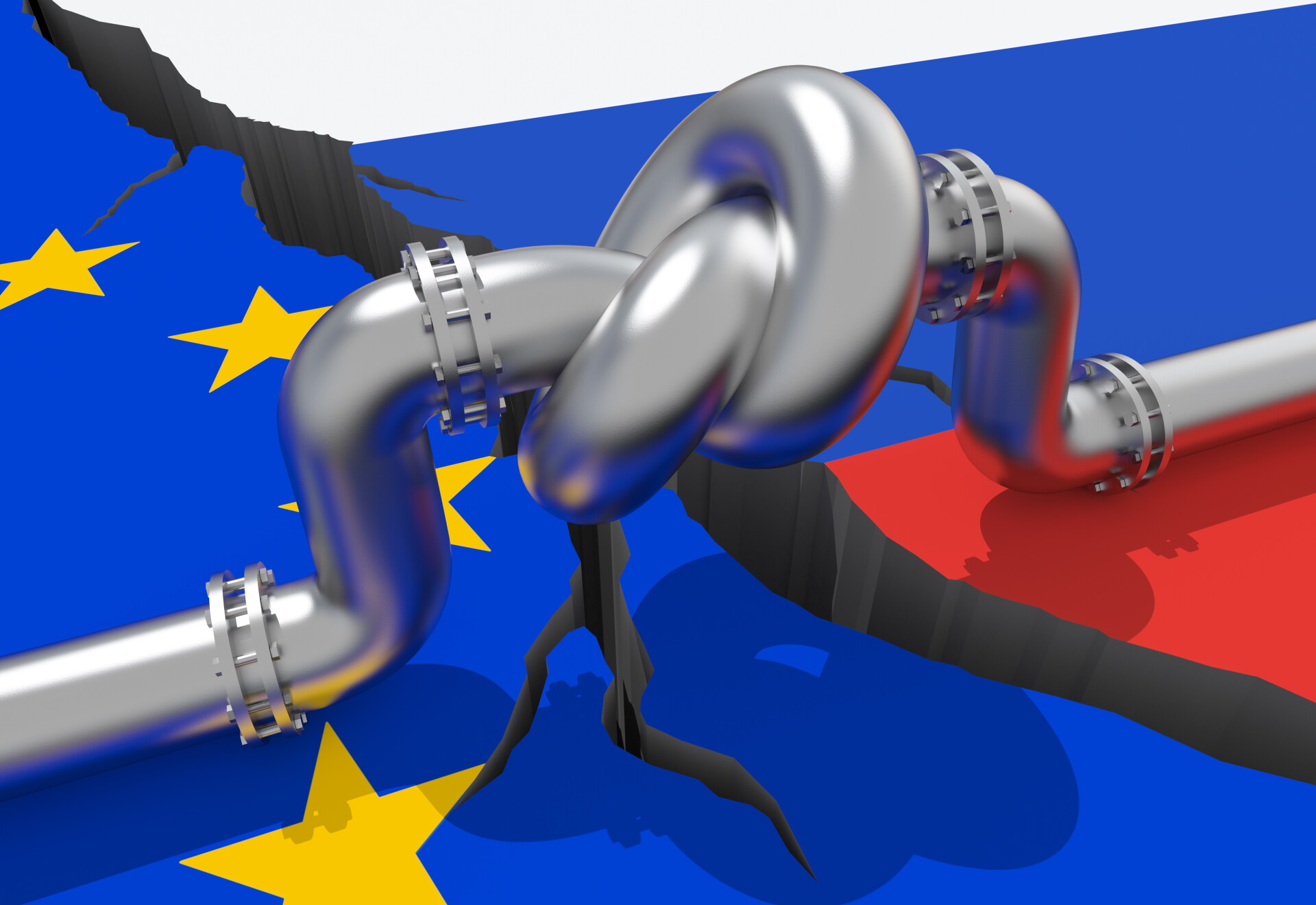
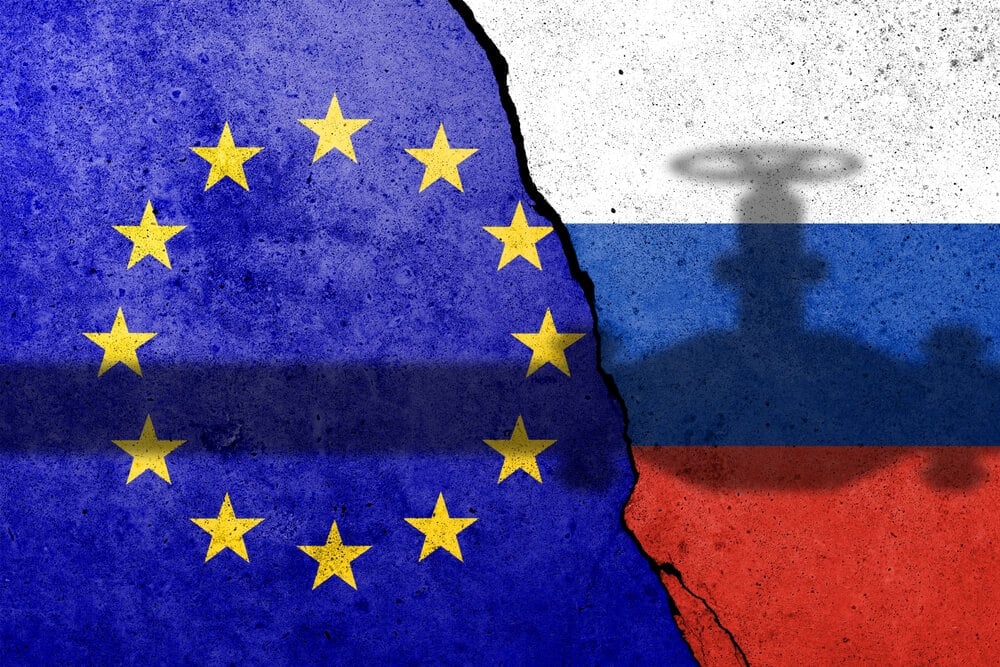
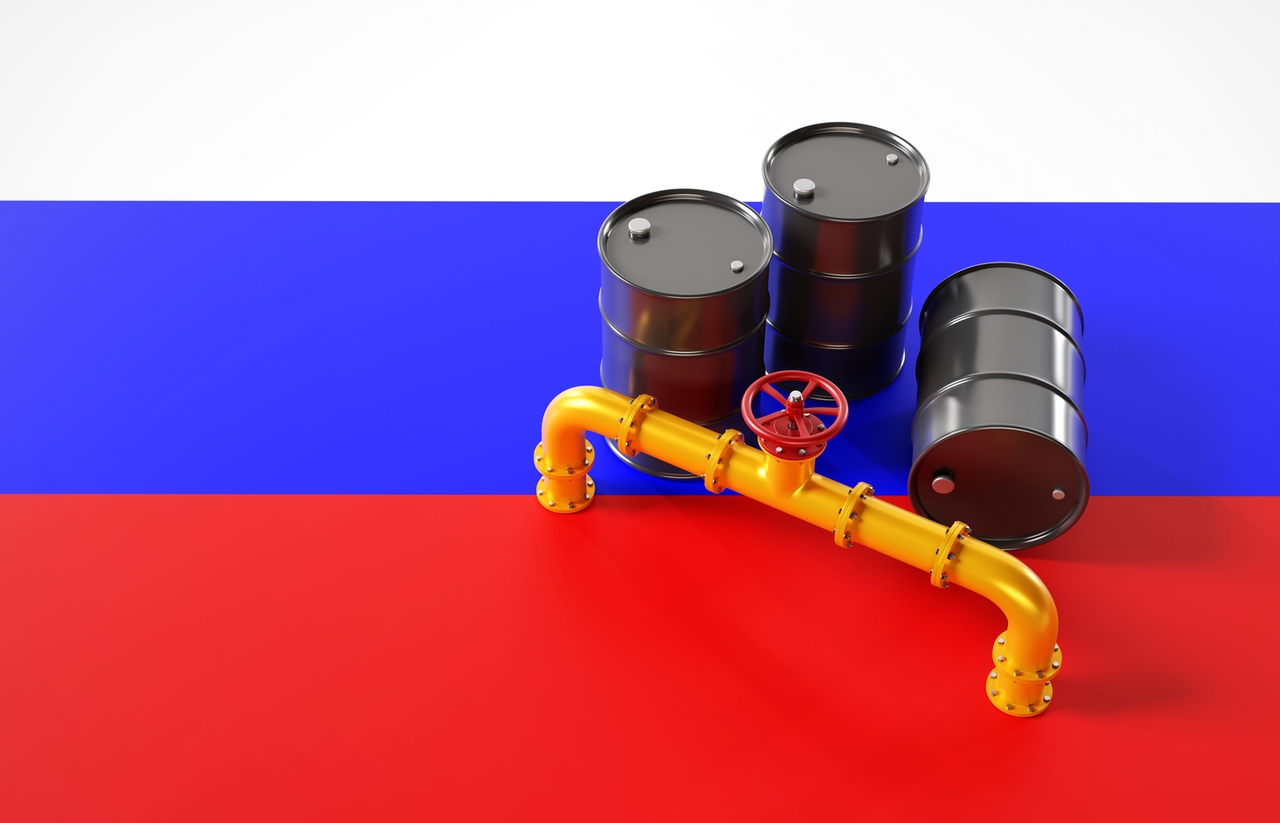
The European Union is executing a bold and calculated strategic decoupling from Russian natural gas, transforming the global energy landscape through a meticulously planned phase-out by 2027. This isn't merely an economic transition, but a profound geopolitical recalibration with far-reaching implications for international trade and energy security.
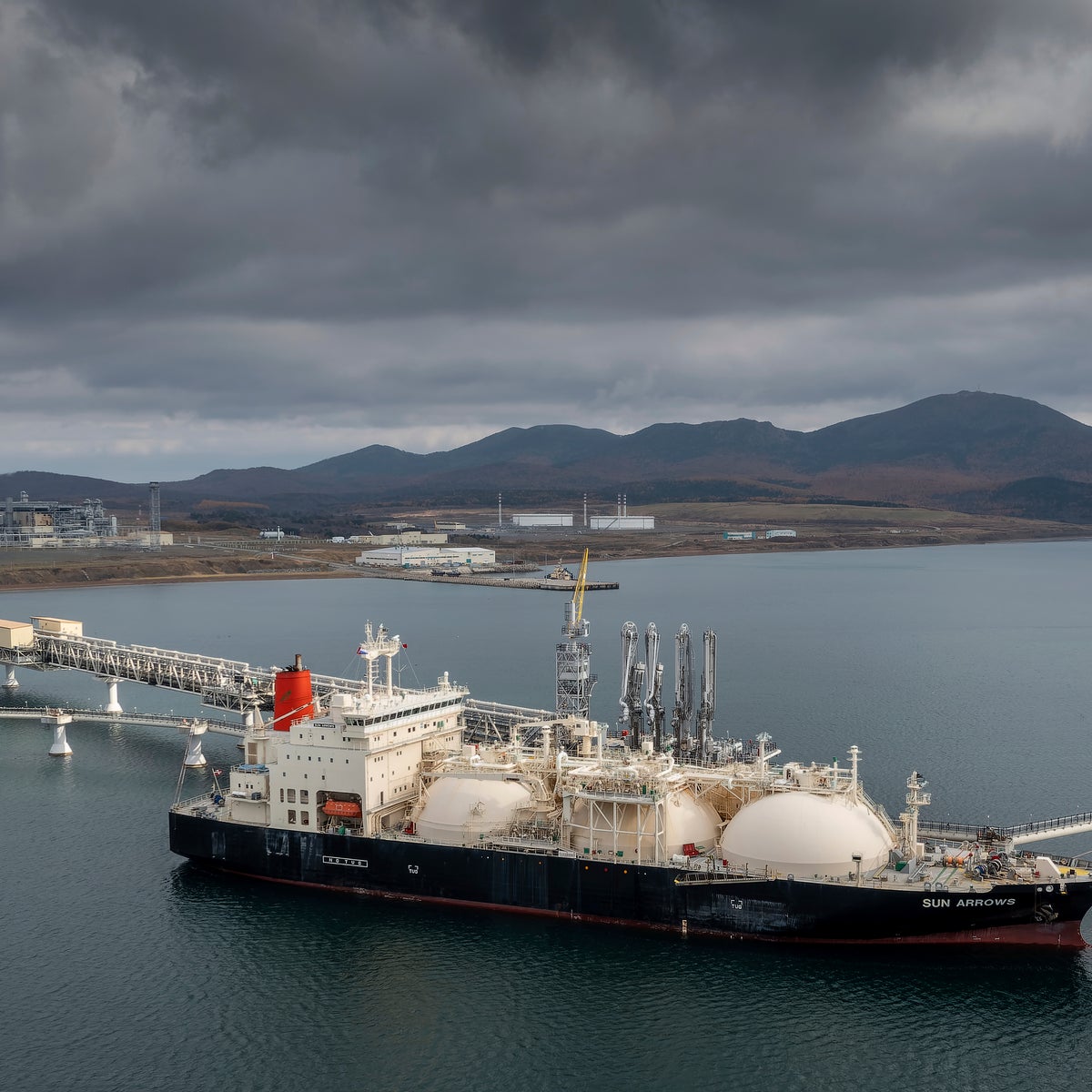
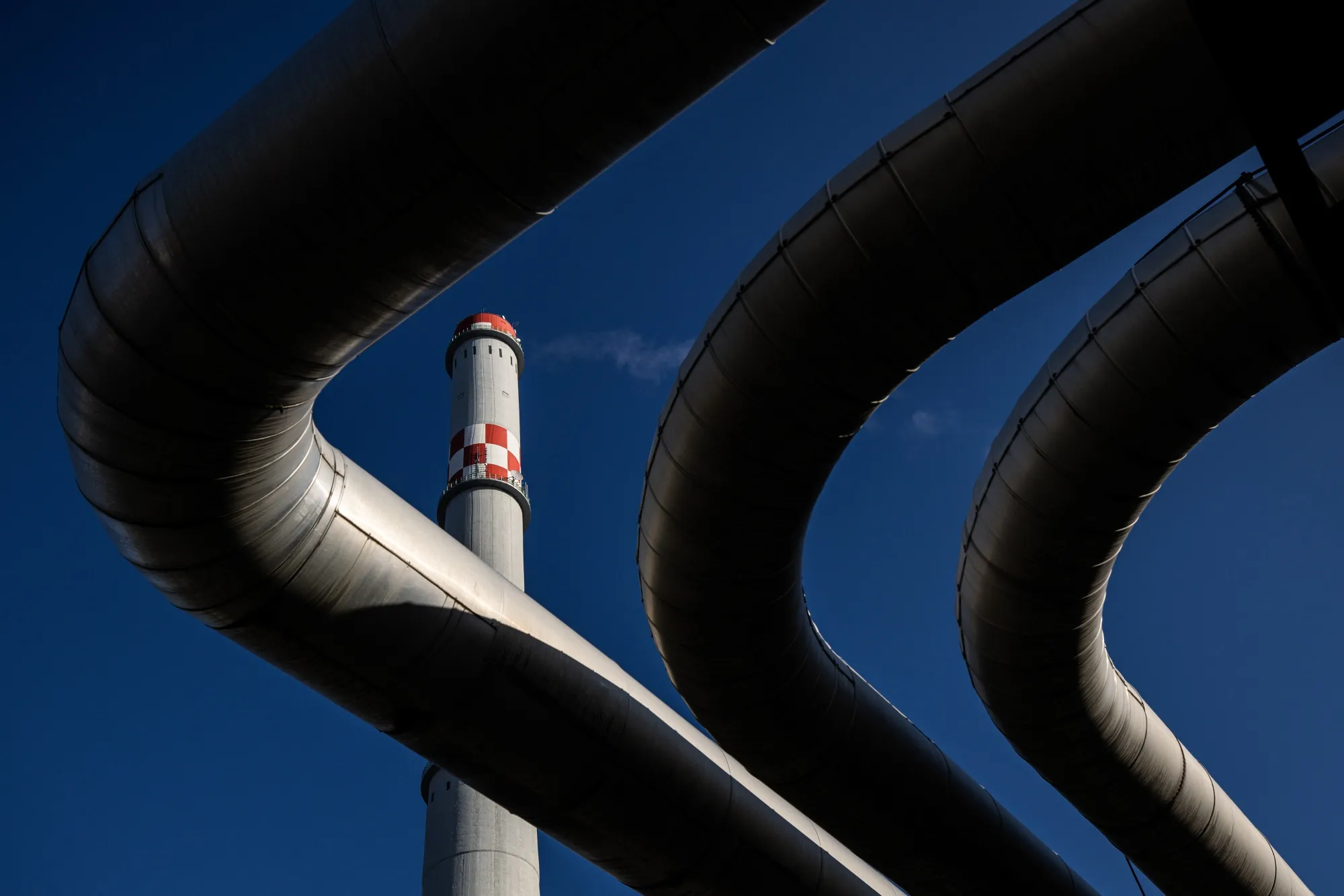
Structural Transformation of Energy Corridors: The EU's aggressive timeline—eliminating liquefied natural gas (LNG) imports by end of 2026 and pipeline gas by September 2027—represents a seismic shift in energy procurement strategies. With Russia's share of EU gas imports plummeting from 45% to just 12%, the bloc is systematically dismantling decades of energy interdependence. The most vulnerable economies, like Italy (38% gas reliance) and the United Kingdom, face the most significant restructuring challenges.
Economic Recalibration and Price Dynamics: The transition comes with substantial economic friction. Russian pipeline gas, historically priced at 6-8 per million British thermal units, is being replaced by LNG imports costing 12-15—a stark 50% price increase. This price differential isn't just a market fluctuation but a strategic cost of geopolitical independence. By 2025, Europe is projected to import 284 billion cubic meters of LNG, with the United States supplying nearly 60%, fundamentally reshaping global gas trade routes.
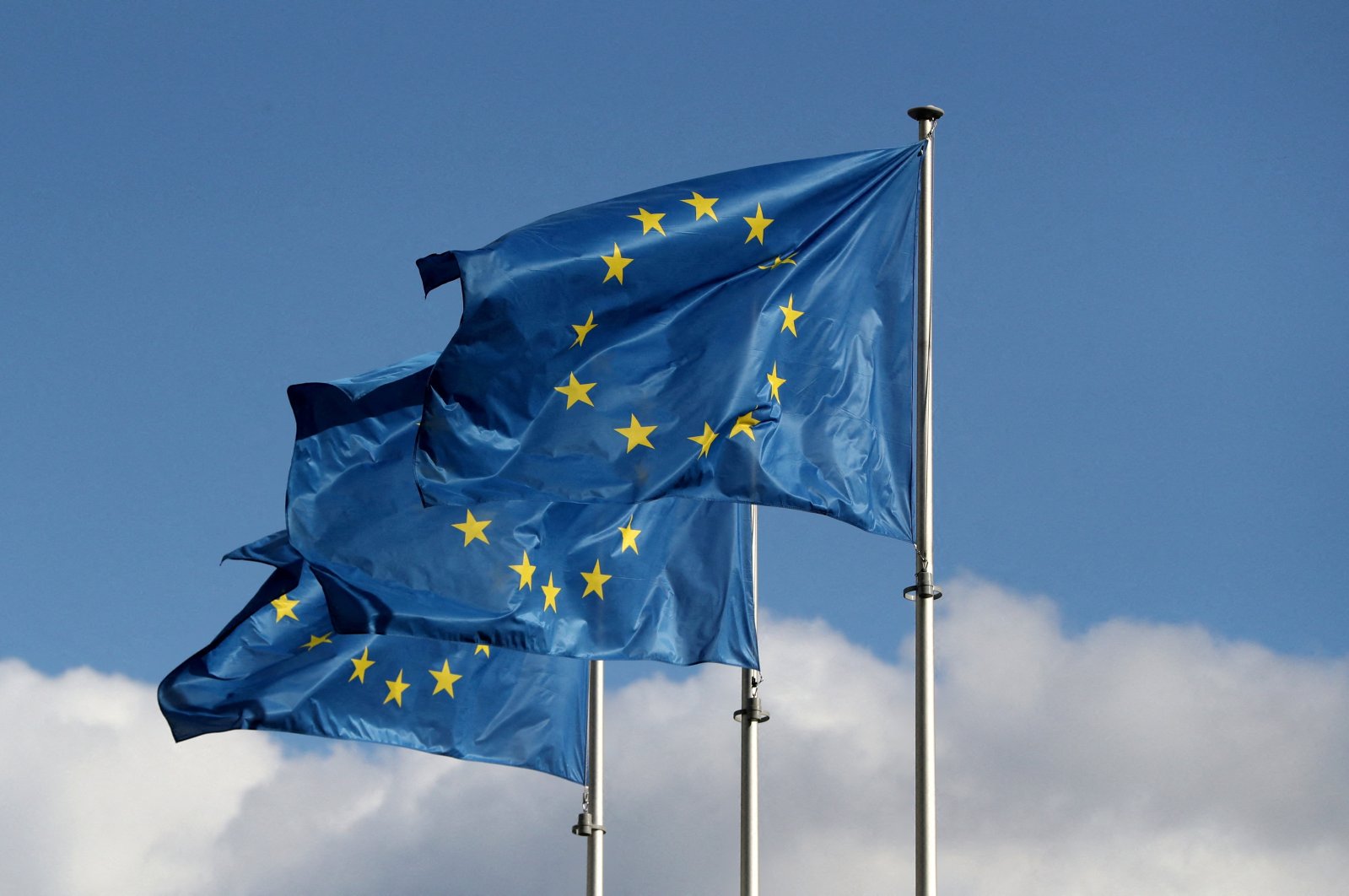
Geopolitical Risk Mitigation: European Commission President Ursula von der Leyen's framing of this move as depleting "Putin's war chest" underscores the policy's deeper strategic intent. It's a calculated economic weapon, transforming energy policy into geopolitical resistance. The requirement for EU members to submit national diversification plans by March 1 signals a coordinated, systematic approach to reducing vulnerability.
The broader implications extend beyond immediate energy markets. This transition reflects a comprehensive strategy of energy diversification, geopolitical risk management, and a gradual pivot towards cleaner energy sources. For global energy traders, industrial consumers, and geopolitical strategists, this represents a watershed moment of structural transformation.
Questions 4
Why is the EU phasing out Russian gas imports?
The EU is strategically decoupling from Russian energy to reduce geopolitical vulnerability, particularly in response to Russia's invasion of Ukraine. By diversifying energy sources and reducing dependency, the EU aims to mitigate economic leverage and support broader geopolitical resistance strategies.
What are the economic challenges of this gas import transition?
The transition involves a significant price increase, with LNG imports costing about 50% more than previous Russian pipeline gas. Countries like Italy, with 38% gas reliance, face substantial economic restructuring costs and must rapidly develop alternative energy procurement strategies.