



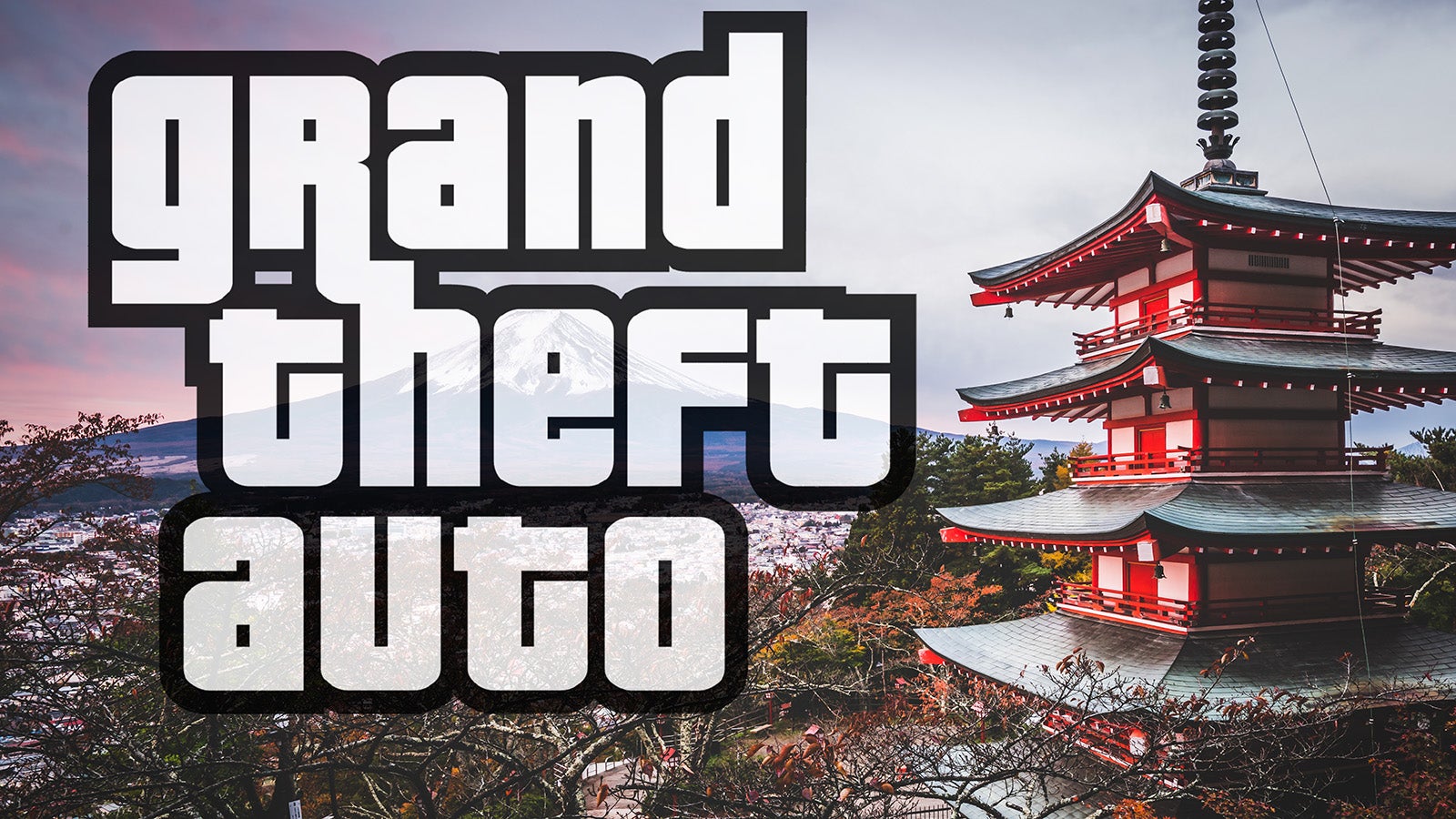


Grand Theft Auto's Global Ambitions Trapped in American Urban Landscapes
- How Cultural Complexity and Development Costs Locked Rockstar into US-Centric Game Design























Overview
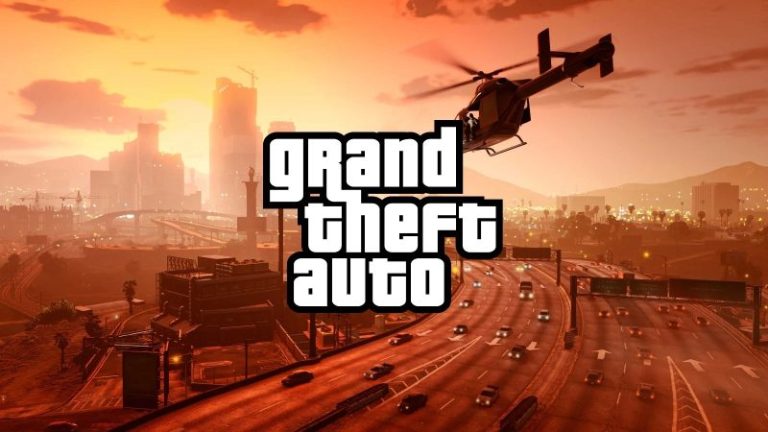
Video game development's economic realities have dramatically constrained Rockstar's creative vision, revealing a fascinating tension between global ambition and market pragmatism. The Grand Theft Auto (GTA) franchise, despite early dreams of international expansion, has become fundamentally anchored to American urban experiences—not by creative limitation, but by sophisticated strategic calculation.
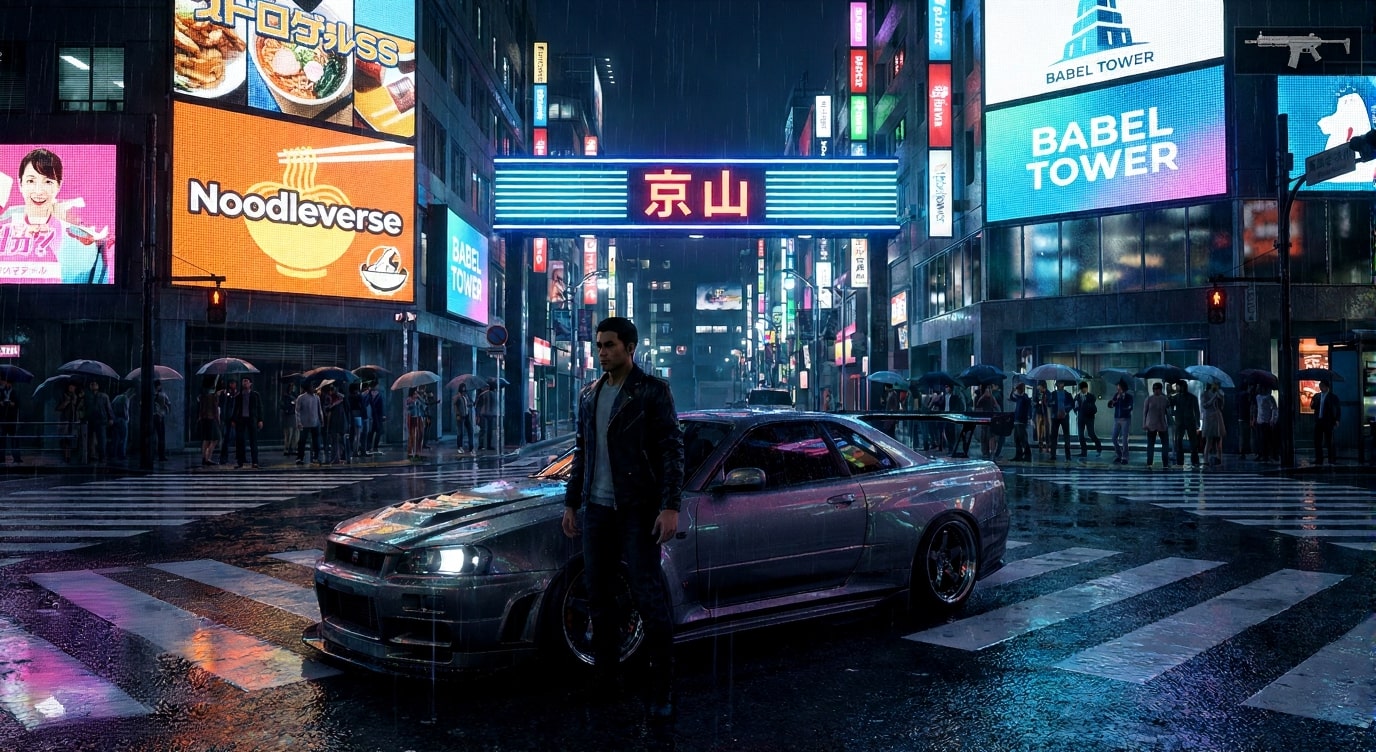
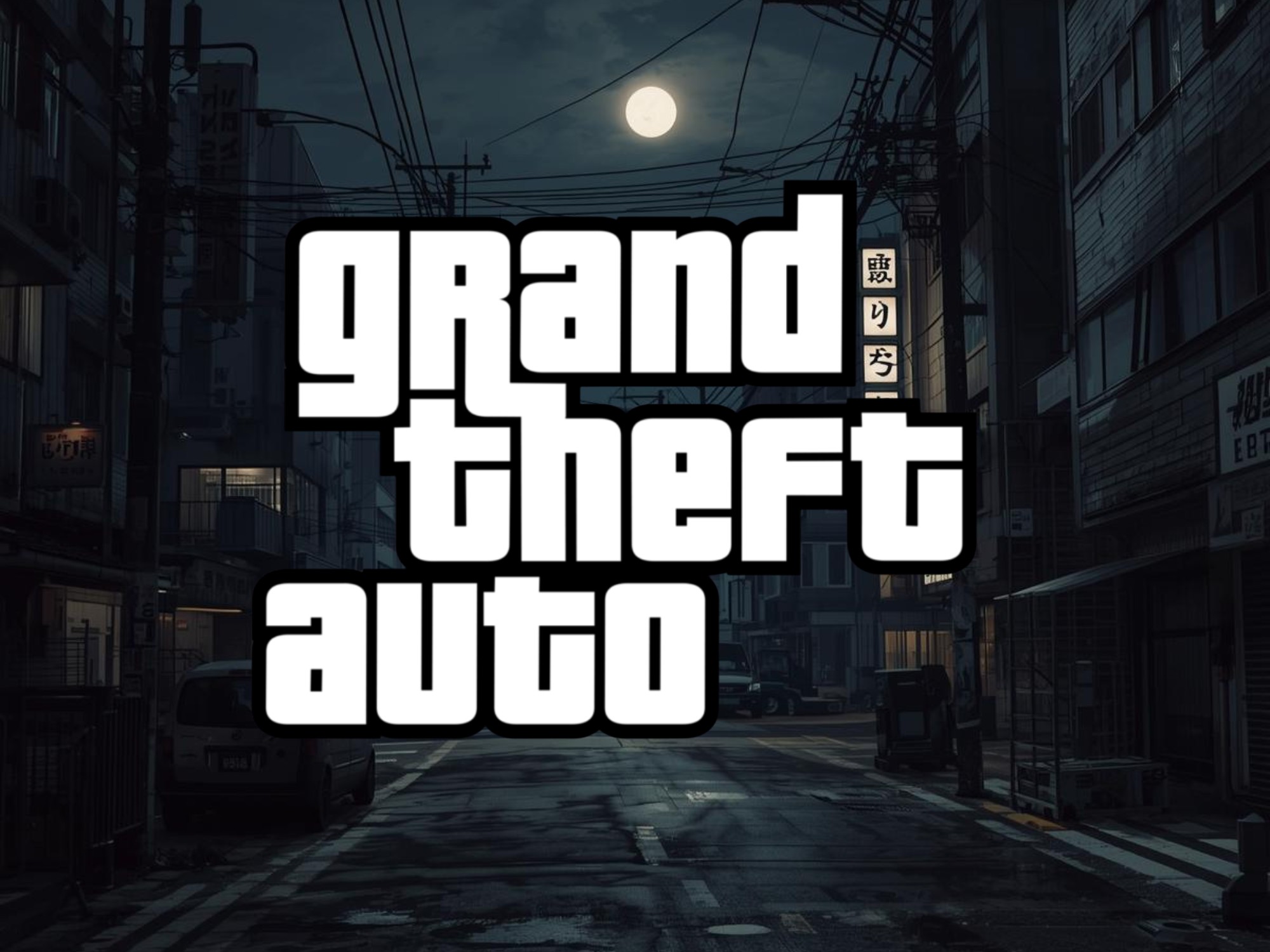
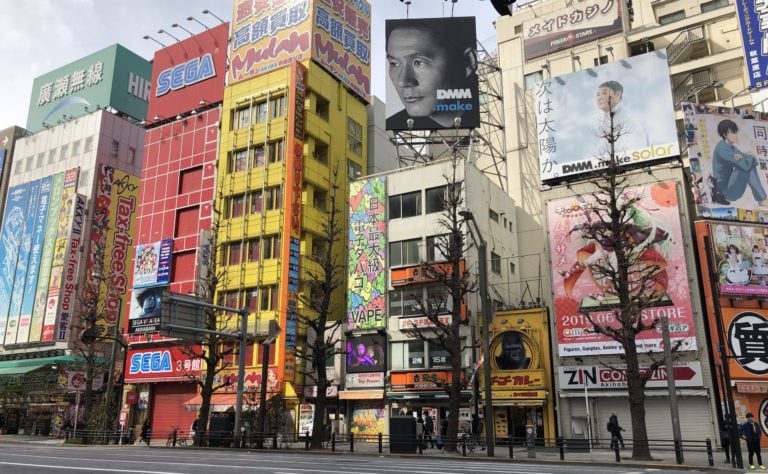
Rockstar's abandoned international game concepts represent more than mere geographical choices; they illuminate the complex calculus of modern game development. Former technical director Obbe Vermeij revealed that potential settings like Tokyo, Rio de Janeiro, Moscow, and Istanbul were seriously considered, with the Tokyo project coming tantalizingly close to reality. Another Japanese studio was even lined up to adapt Rockstar's code, signaling genuine intent beyond casual exploration.
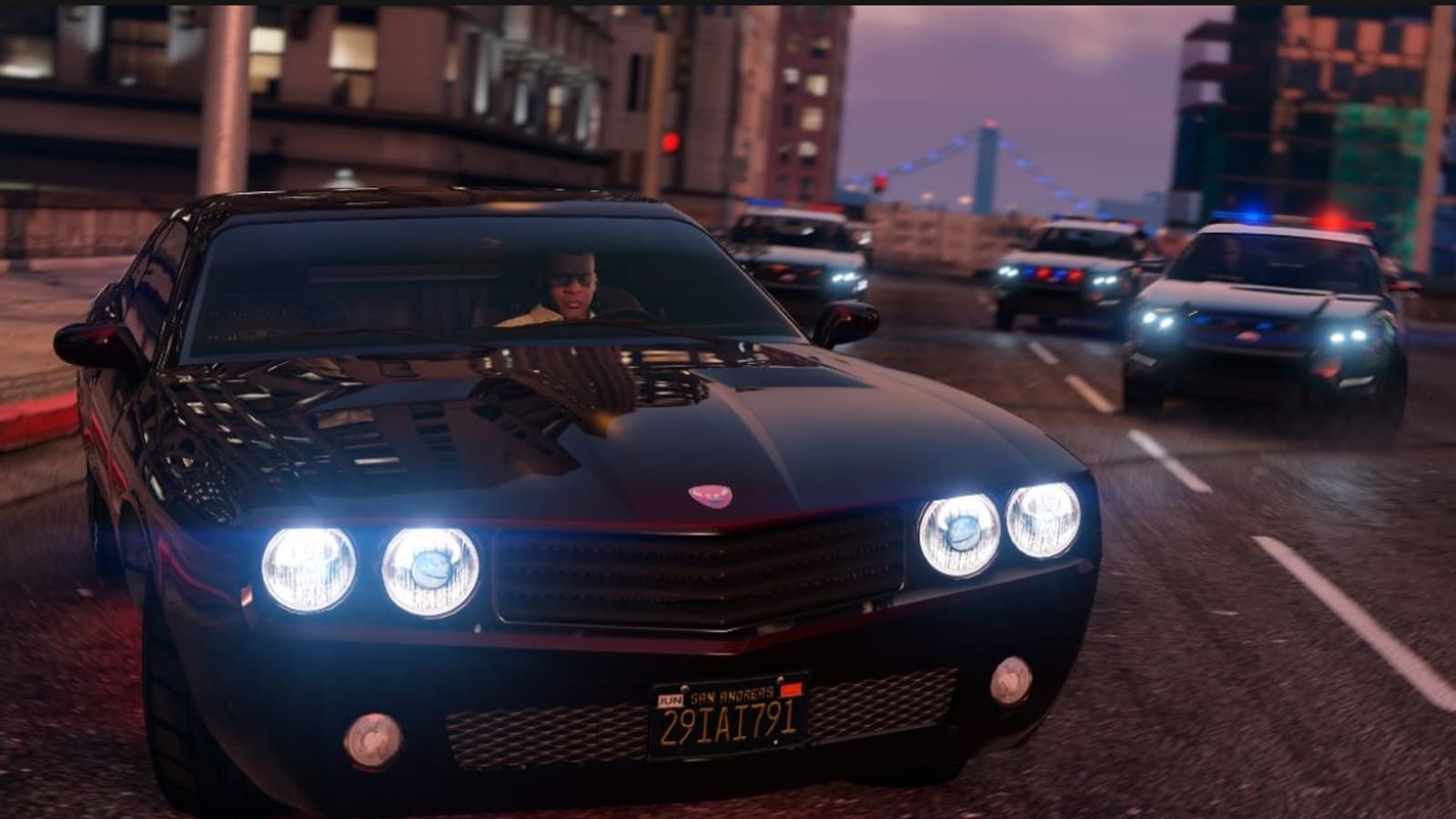
The decision to remain within American settings isn't creative conservatism, but a calculated risk management strategy. Development cycles now stretch approximately 12 years between major releases, making experimental global settings financially prohibitive. Co-founder Dan Houser's perspective crystallizes this approach: American metropolitan landscapes offer a unique intersection of wealth, poverty, glamour, and organized crime that creates narrative richness.
Technological complexity and massive budgets have transformed game development from an artistic endeavor to a high-stakes financial investment. Each potential international setting introduces exponential complexity—cultural nuance, local legal frameworks, authentic environmental modeling—that dramatically increases development risk and cost.
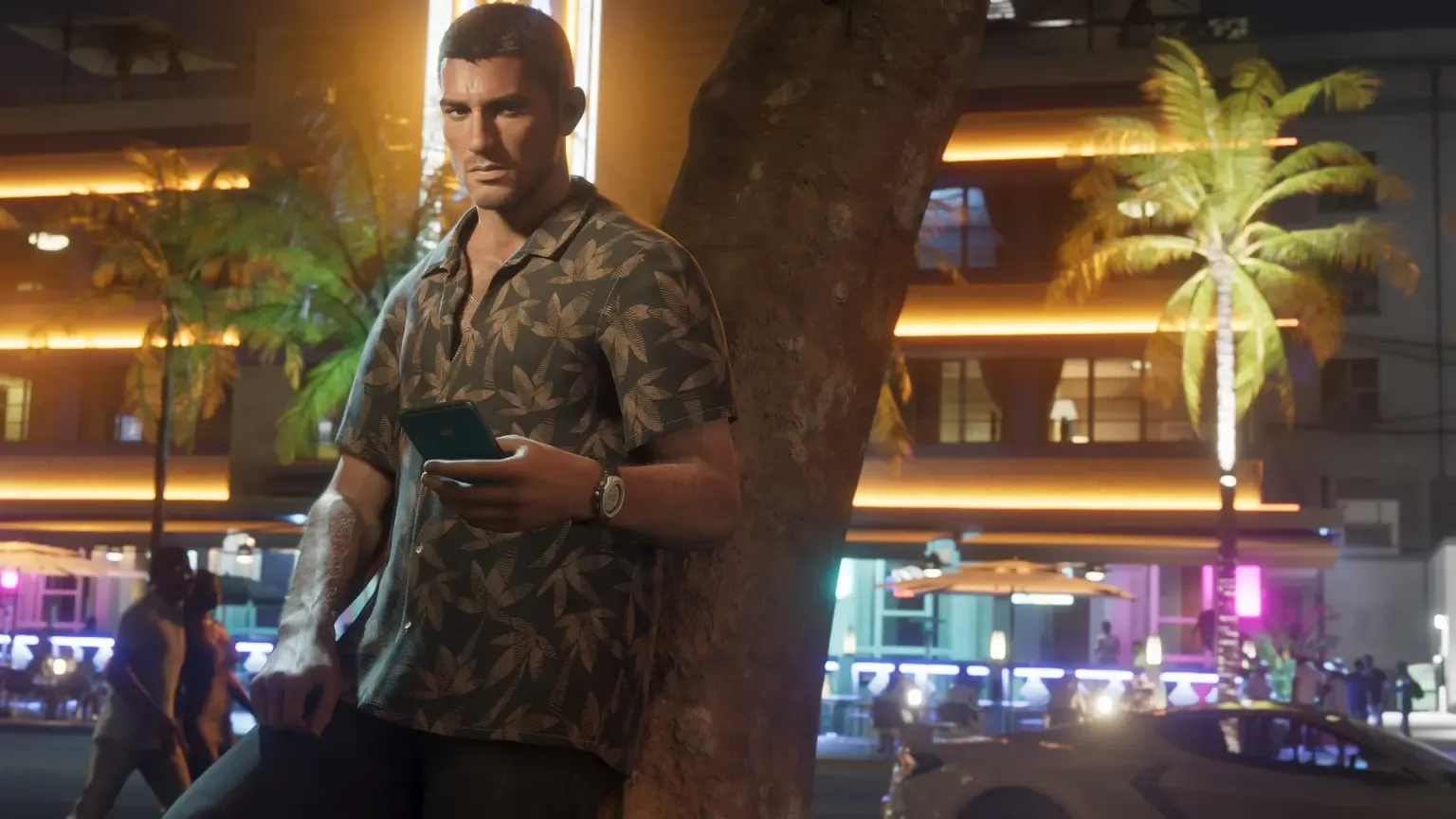
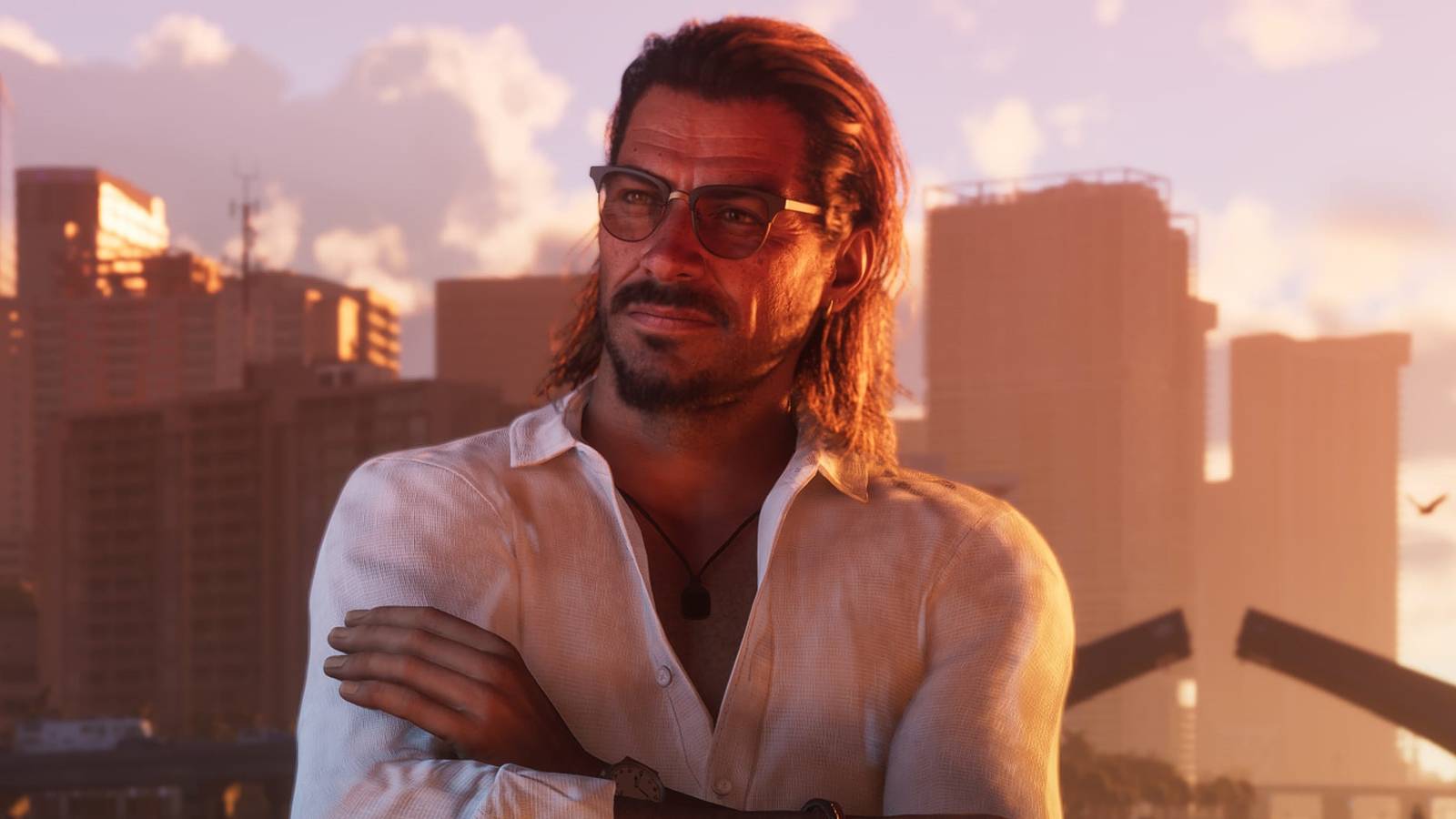
Interestingly, Vermeij suggests this constraint creates an opportunity for competitors. By essentially conceding the global open-world crime game market to GTA, other developers could innovate in international settings. The upcoming GTA 6's return to a fictionalized Miami further reinforces Rockstar's commitment to its proven American urban formula.
The franchise's cultural significance extends beyond entertainment. A University of Tennessee professor will teach a course exploring how GTA has shaped global perceptions of contemporary American urban landscapes—testament to the series' profound cultural impact.
Questions 3
Why did Rockstar abandon international GTA game settings?
The primary reasons are escalating development complexity, massive budgets, and the financial risks of creating authentic international urban environments. With 12-year development cycles, experimenting with global settings becomes economically impractical, making familiar American landscapes a safer strategic choice.
How close was Rockstar to creating a GTA: Tokyo game?
The Tokyo project was remarkably close to reality. Rockstar had already identified a Japanese studio to adapt their existing code and had seriously explored the setting. However, the project ultimately fell through due to the increasing complexity and financial risks of international game development.