




Beijing's Authoritarian Playbook Tightens Grip on Hong Kong's Public Discourse
- Crisis management strategy reveals systematic suppression of civic transparency and collective action








































Overview
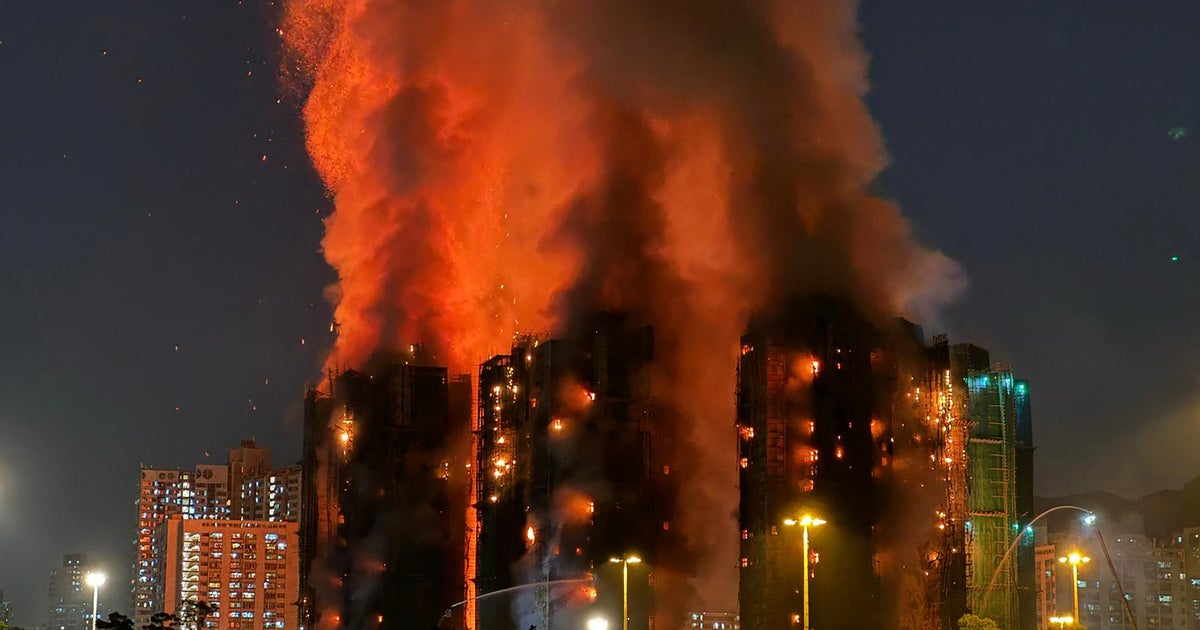
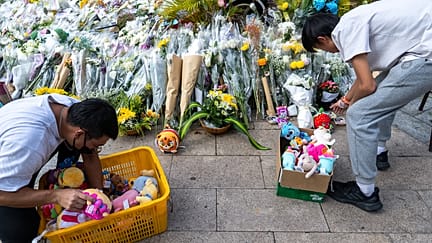
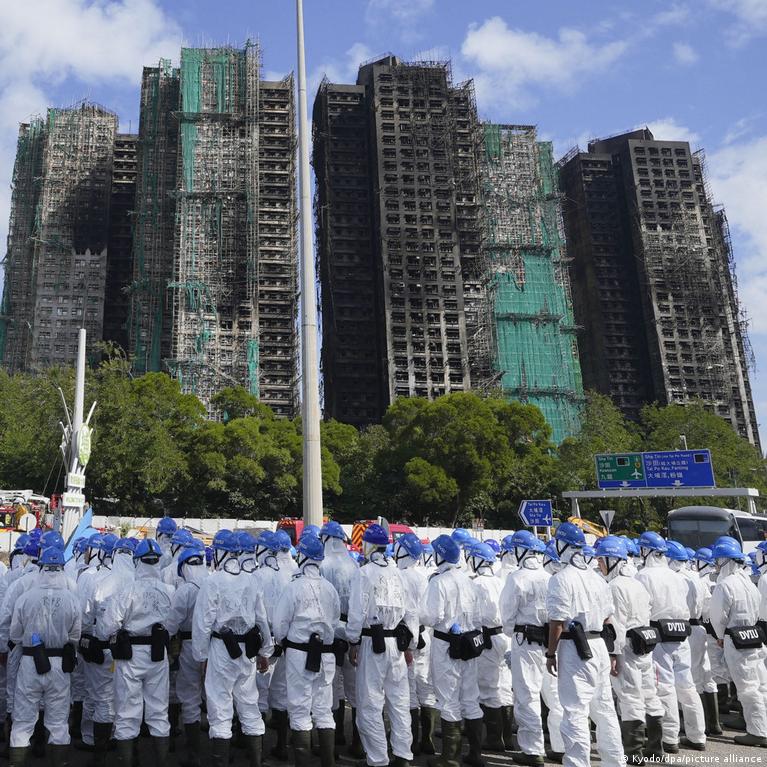
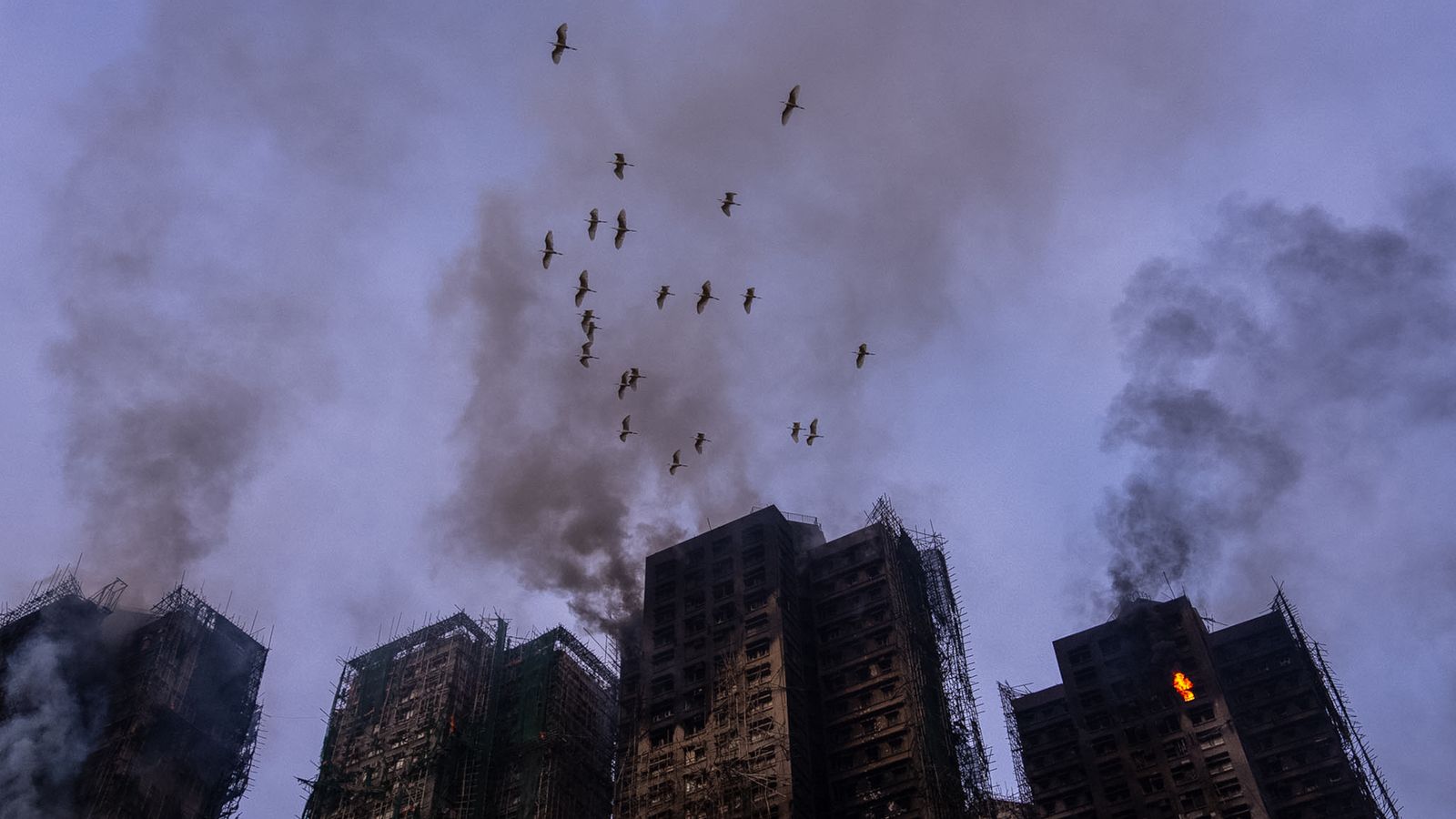
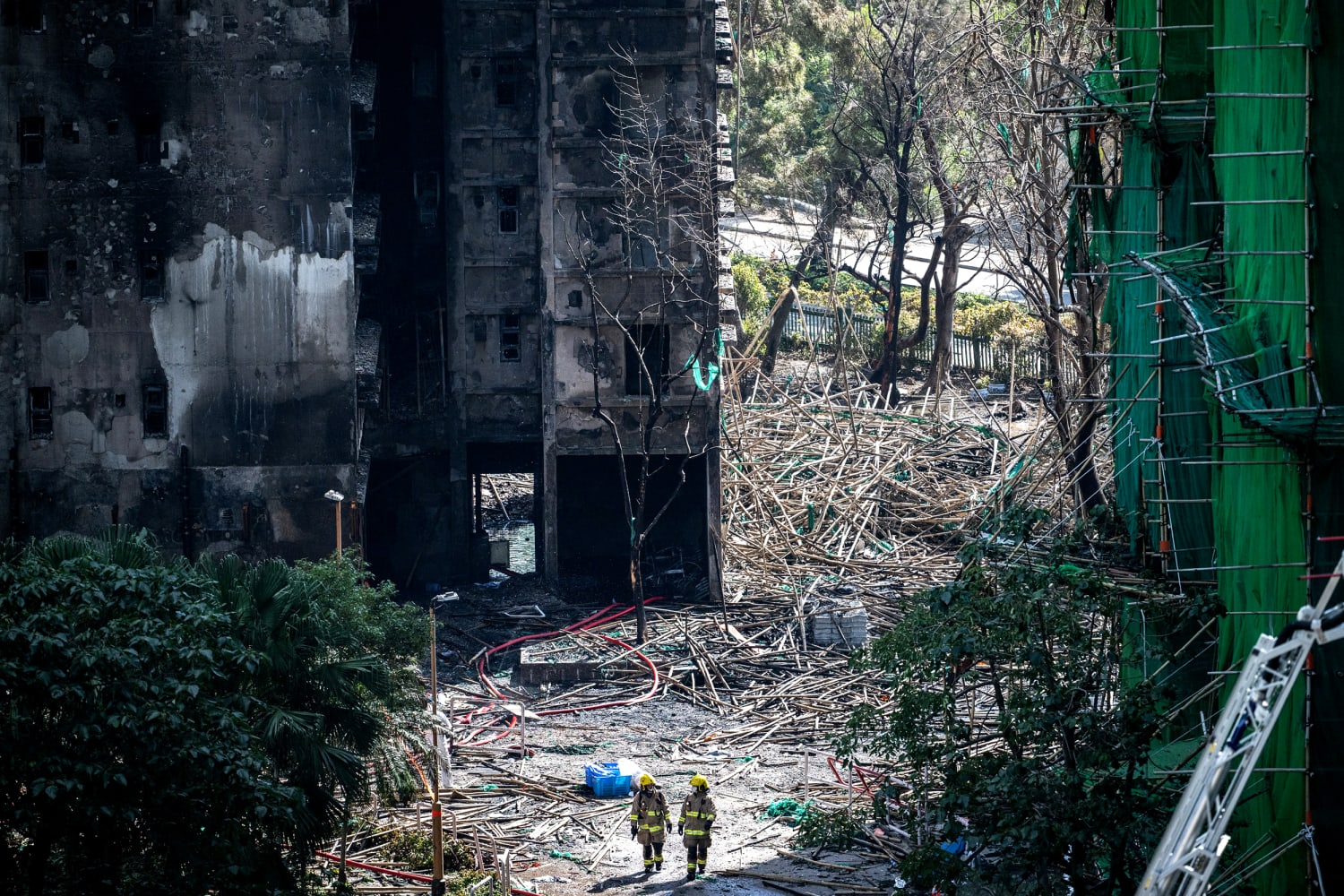
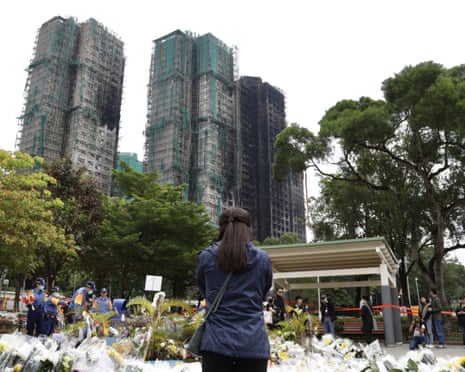
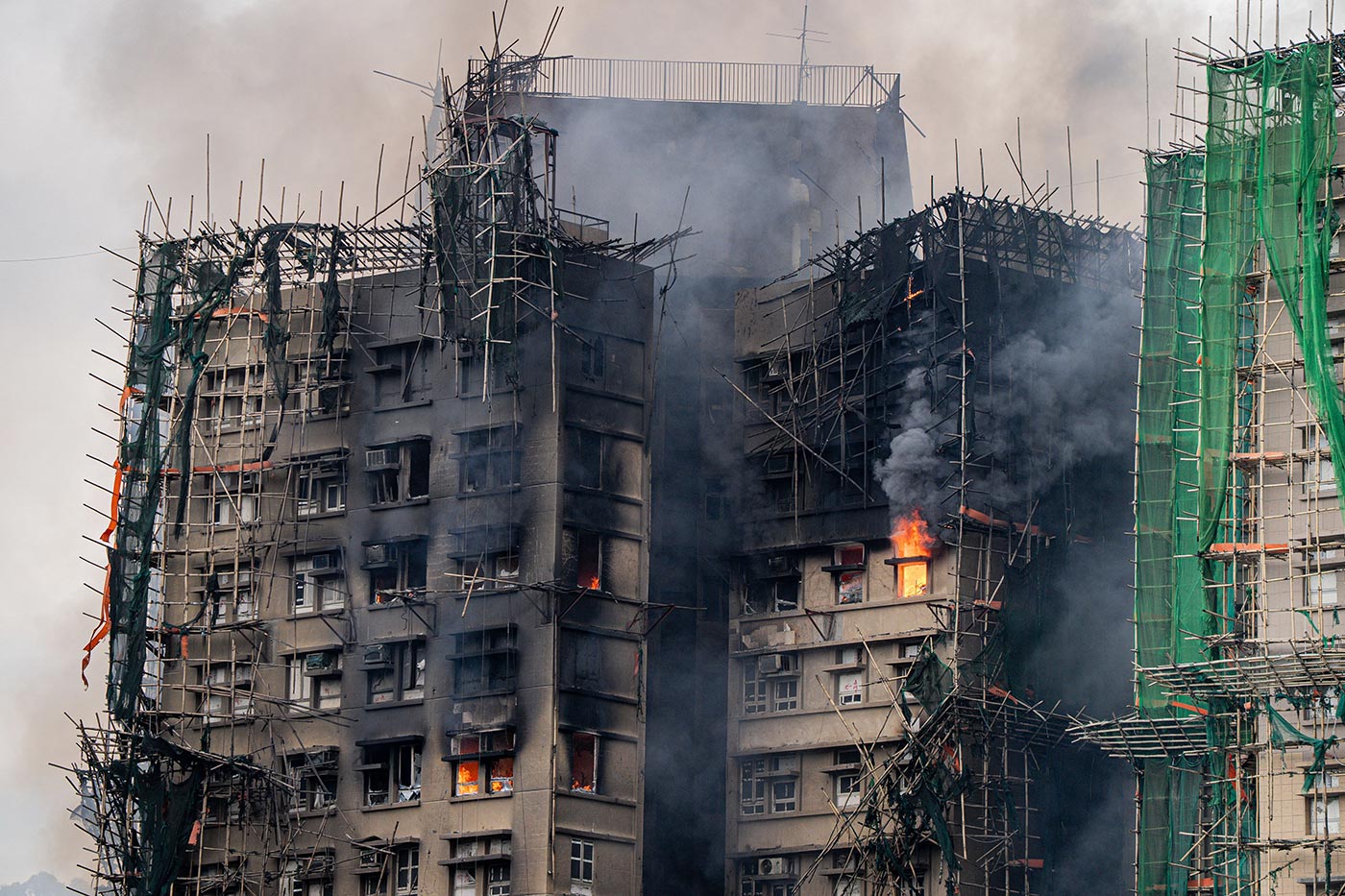
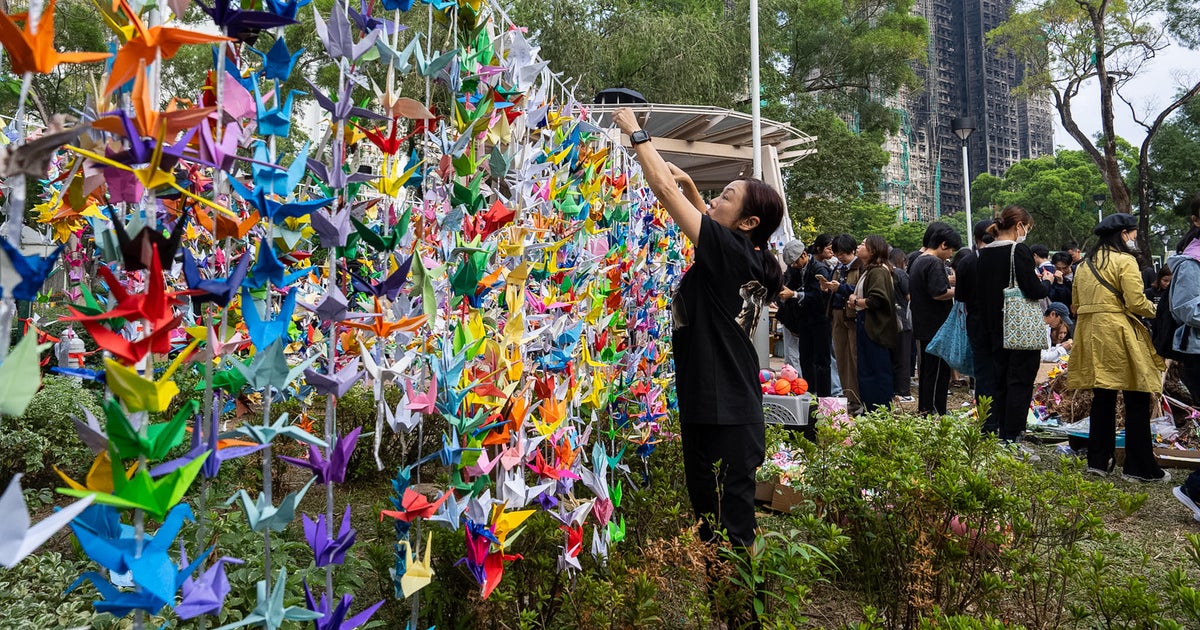
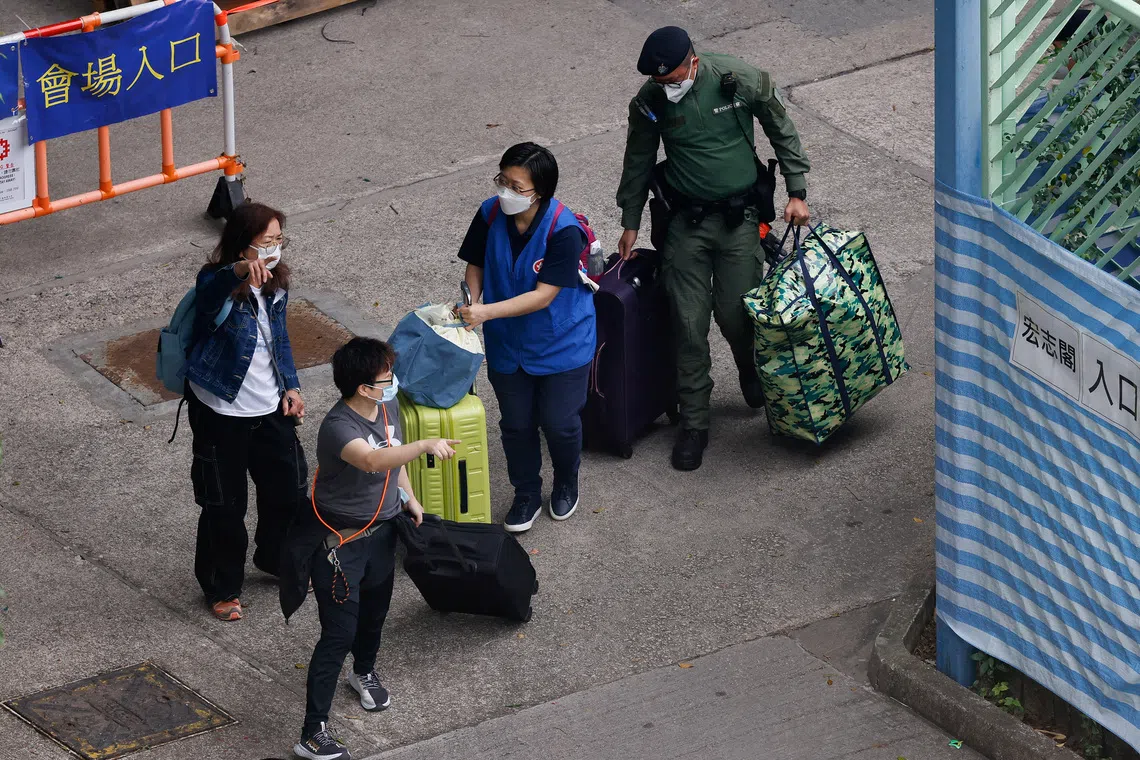
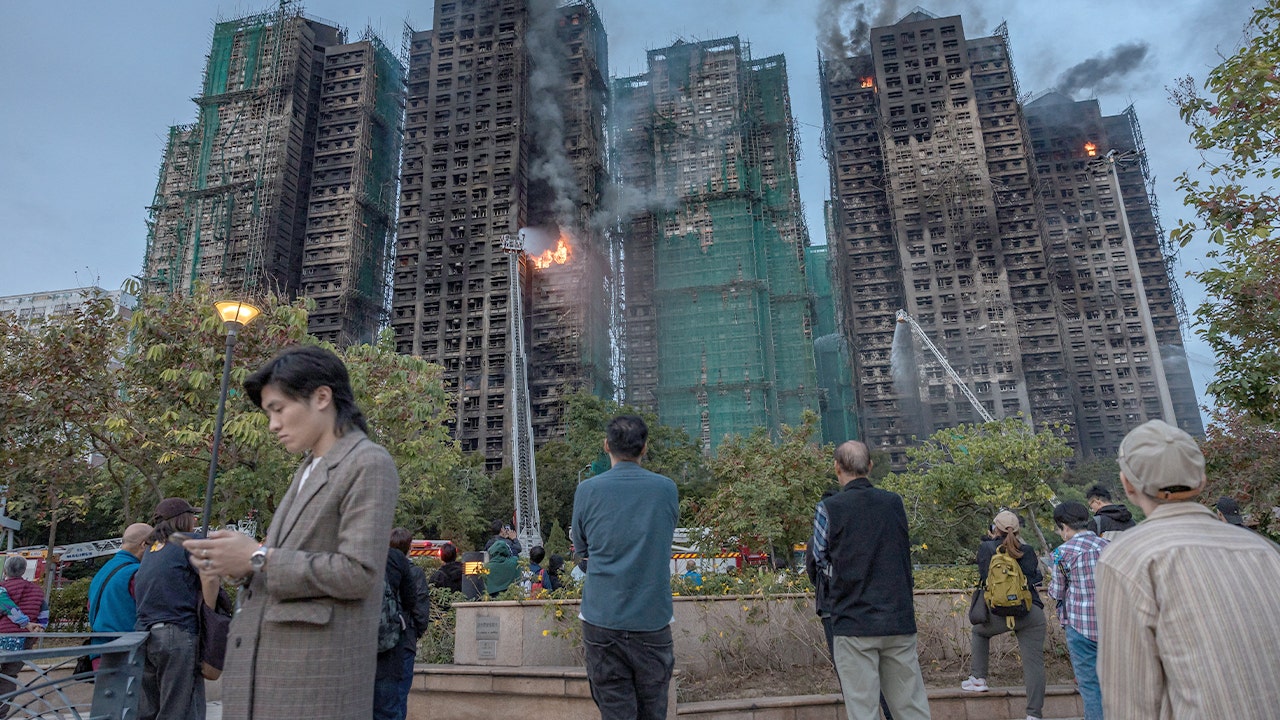
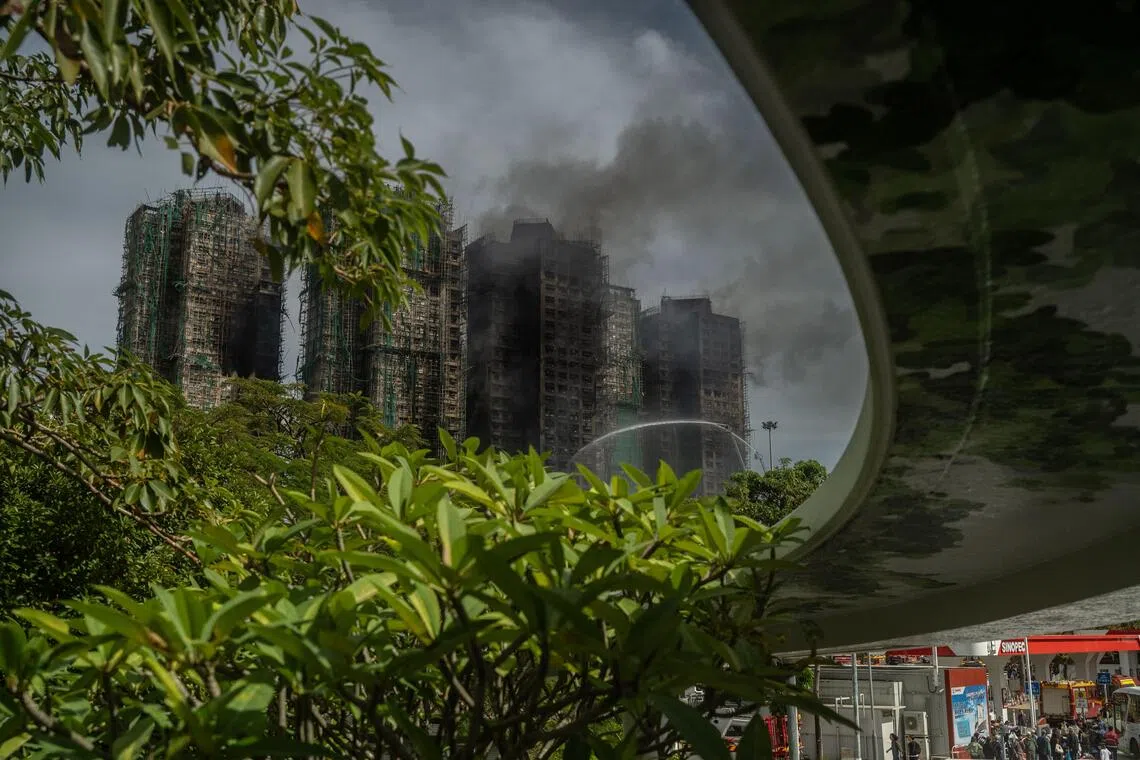
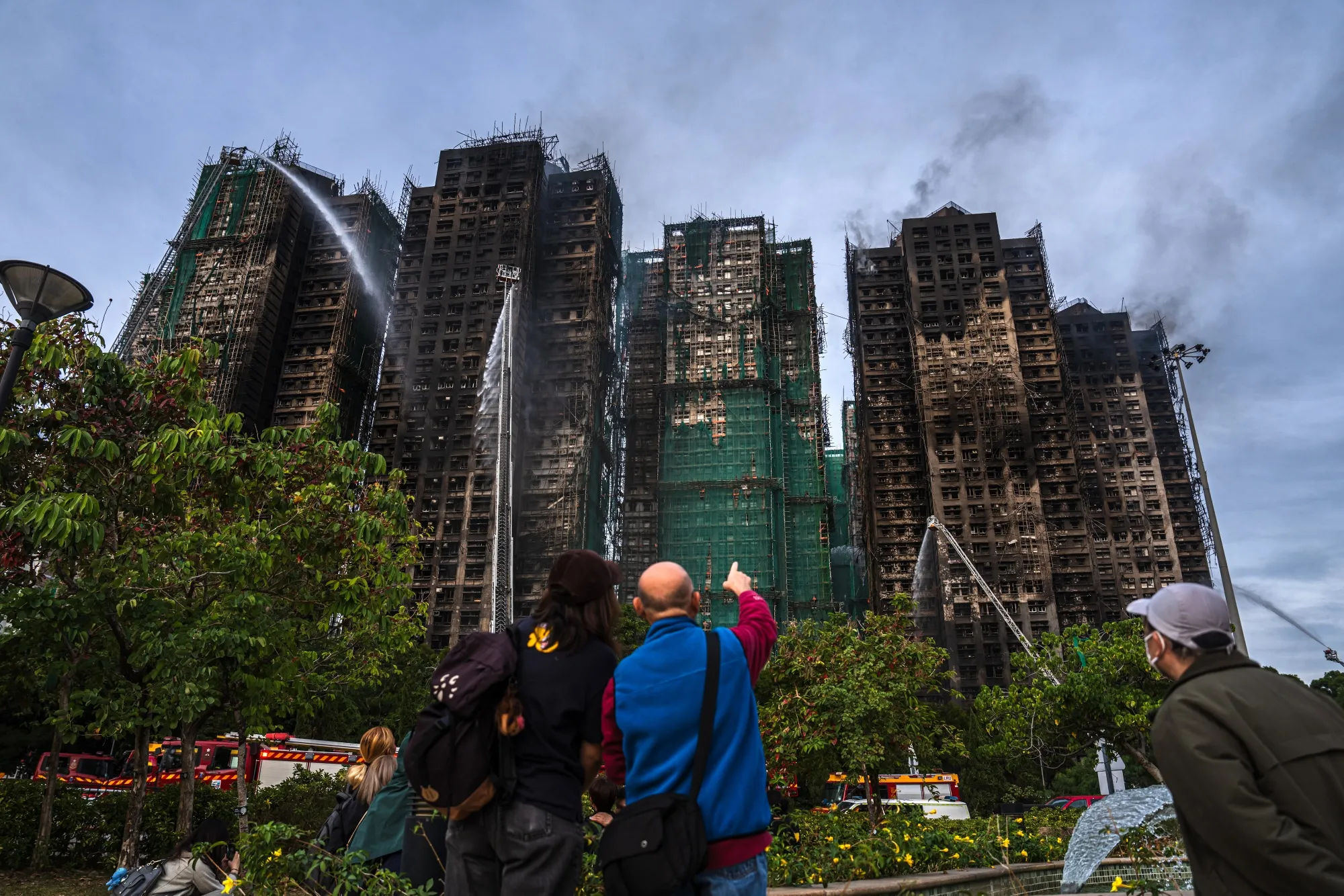
The Hong Kong fire response unveils a critical inflection point in Beijing's governance strategy, demonstrating how national security mechanisms are systematically deployed to control public narrative and preempt potential social unrest. In the aftermath of a catastrophic apartment complex fire that killed 159 people, local authorities swiftly moved to suppress calls for an independent investigation, revealing a calculated approach to crisis management that prioritizes political control over public accountability.
Authoritarian crisis management emerges as a key strategic tool, where transparency is sacrificed to maintain regime stability. By leveraging national security frameworks, Hong Kong officials effectively neutralized potential public protests, transforming a tragic event into an opportunity to reinforce centralized control. The response goes beyond mere incident management—it represents a deliberate mechanism to prevent collective civic engagement and maintain a tightly controlled public discourse.
The suppression of independent investigation signals a broader trend of eroding institutional transparency. By blocking external scrutiny, Beijing demonstrates its commitment to managing public perception through administrative mechanisms rather than genuine accountability. This approach reveals a sophisticated political strategy: transforming potential moments of public vulnerability into opportunities for reinforcing centralized power structures.
Critically, this incident exposes the evolving governance model in Hong Kong, where national security laws are increasingly used as versatile instruments of political control. The fire response becomes a microcosm of larger geopolitical dynamics, illustrating how administrative tools can be weaponized to preempt and suppress potential social movements. For international observers, this represents a stark reminder of the ongoing transformation of Hong Kong's civic and political landscape under Beijing's increasingly assertive governance approach.
Questions 3
How does Beijing use national security mechanisms to control public discourse?
In the Hong Kong fire incident, national security laws were strategically employed to prevent independent investigations and suppress potential protests. By blocking external scrutiny, authorities can control the narrative, demonstrating how administrative tools can preemptively neutralize civic challenges.
What are the long-term implications of this crisis management approach?
This approach gradually erodes institutional transparency and civic engagement. By consistently using national security mechanisms to manage public events, Beijing is systematically reducing spaces for independent public discourse and collective action in Hong Kong.