





Humanitarian Aid on Trial: The Criminalization of Compassion in Migrant Rescue Operations
- Legal Crackdown Signals Dangerous Shift in Humanitarian Assistance Paradigm



































Overview
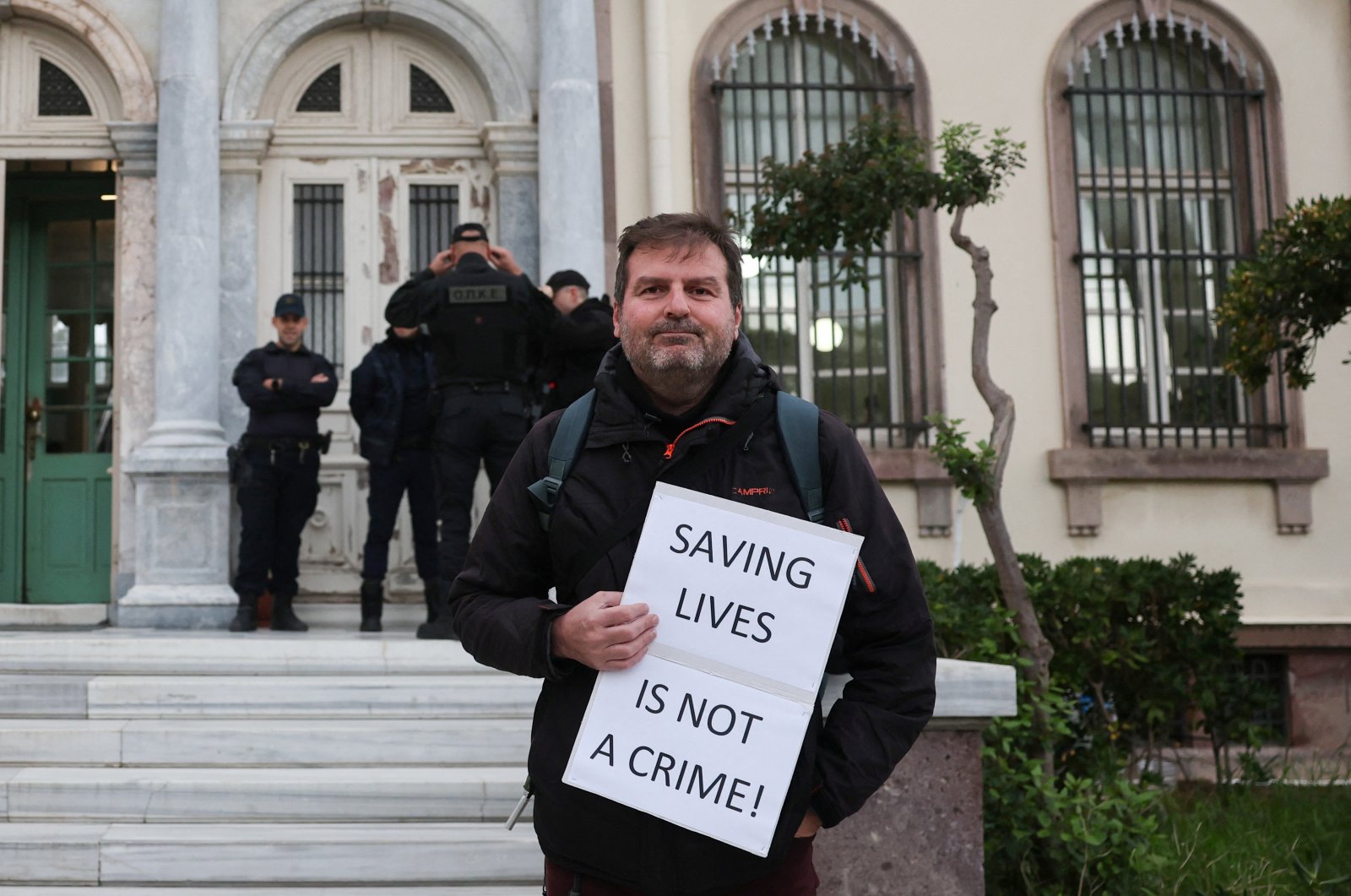
The prosecution of 24 humanitarian aid workers in Greece represents a critical inflection point in the global landscape of migrant support and human rights protection. At the heart of this case lies a profound legal and ethical dilemma: can humanitarian assistance be criminalized?
Systemic Intimidation of Aid Workers emerges as the central narrative. The trial of volunteers like Sara Mardini and Sean Binder, who risked their lives assisting refugees during the 2015-2016 migration crisis, exposes a troubling trend of institutional pushback against grassroots humanitarian efforts. The charges—ranging from facilitating illegal entry to money laundering and criminal organization membership—carry potential 20-year prison sentences, creating a chilling effect on future rescue operations.
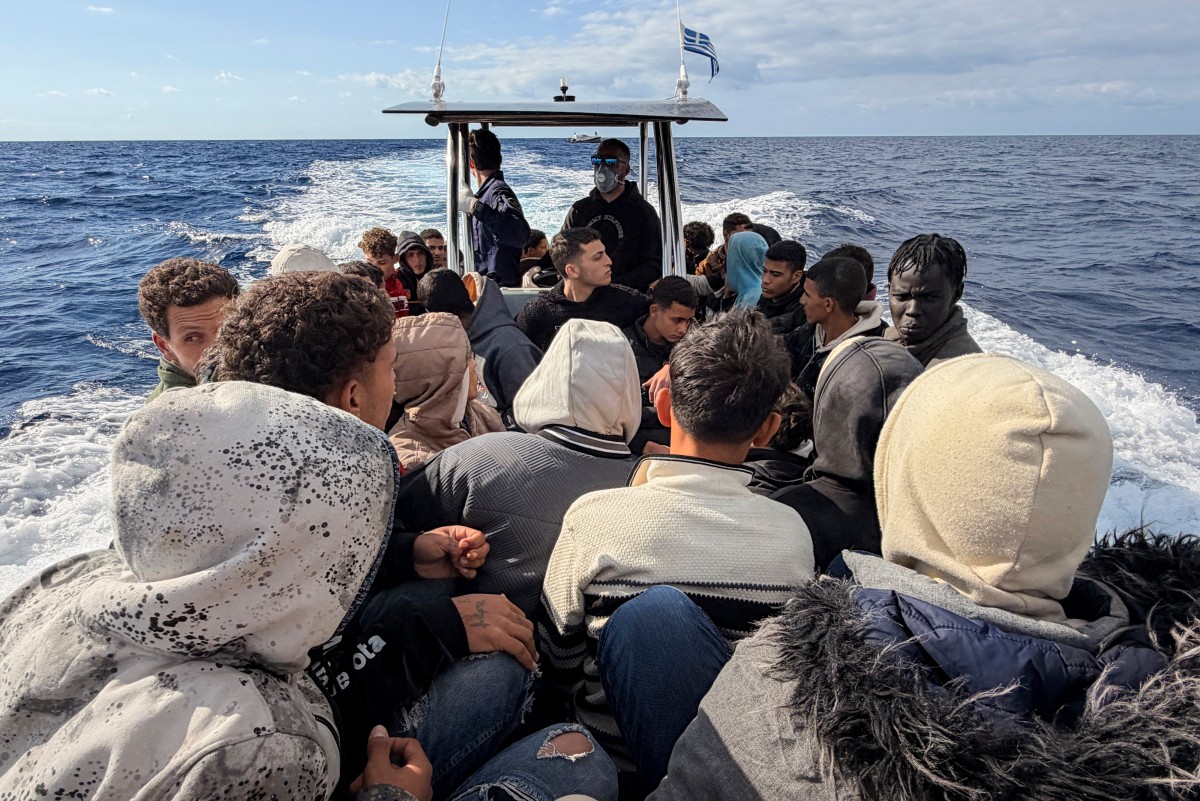
The context is critical: in 2015, over 800,000 migrants, primarily fleeing Syria's devastating civil war, passed through Lesbos. These aid workers, primarily volunteers with the now-dissolved Emergency Response Center International (ERCI), were not human traffickers but humanitarian responders operating in a complex geopolitical landscape. Human rights organizations like Amnesty International view this prosecution as a deliberate attempt to intimidate humanitarian workers, transforming acts of compassion into potential criminal offenses.
The broader implications extend far beyond this specific trial. This legal proceeding represents a strategic recalibration of migration policies, where humanitarian assistance is increasingly viewed through a security and criminalization lens. The defendants—mostly young volunteers in their twenties and thirties—have become symbolic figures in a larger struggle between human rights principles and increasingly restrictive national border policies.
Significantly, some previous similar charges, such as espionage, have already been rejected by Greek courts. This suggests the current prosecution might be more about sending a political message than pursuing genuine legal accountability. The international attention, with Amnesty International sending a 12-person observation team, underscores the trial's potential to set a precedent for humanitarian intervention globally.
The case demands urgent reflection: When compassionate action becomes legally perilous, what happens to our collective moral responsibility to assist those in desperate need?
Questions 3
What are the specific legal charges against the aid workers?
The 24 aid workers face serious charges including facilitating illegal entry, money laundering, and criminal organization membership. These charges carry potential prison sentences of up to 20 years, targeting volunteers who assisted migrants during the 2015-2016 refugee crisis on Lesbos island.
Why are human rights organizations concerned about this trial?
Amnesty International and other human rights groups view this prosecution as an attempt to intimidate humanitarian workers. The trial threatens to criminalize compassionate assistance, potentially discouraging future rescue efforts and creating a dangerous precedent for humanitarian intervention.