




Musk's SpaceX-Tesla-xAI Mega-Merger Plan | Supply Chain & AI Tool Opportunities for Sellers
- Potential consolidation could reshape logistics costs, satellite connectivity, and AI-powered seller tools for cross-border e-commerce operations

































Overview
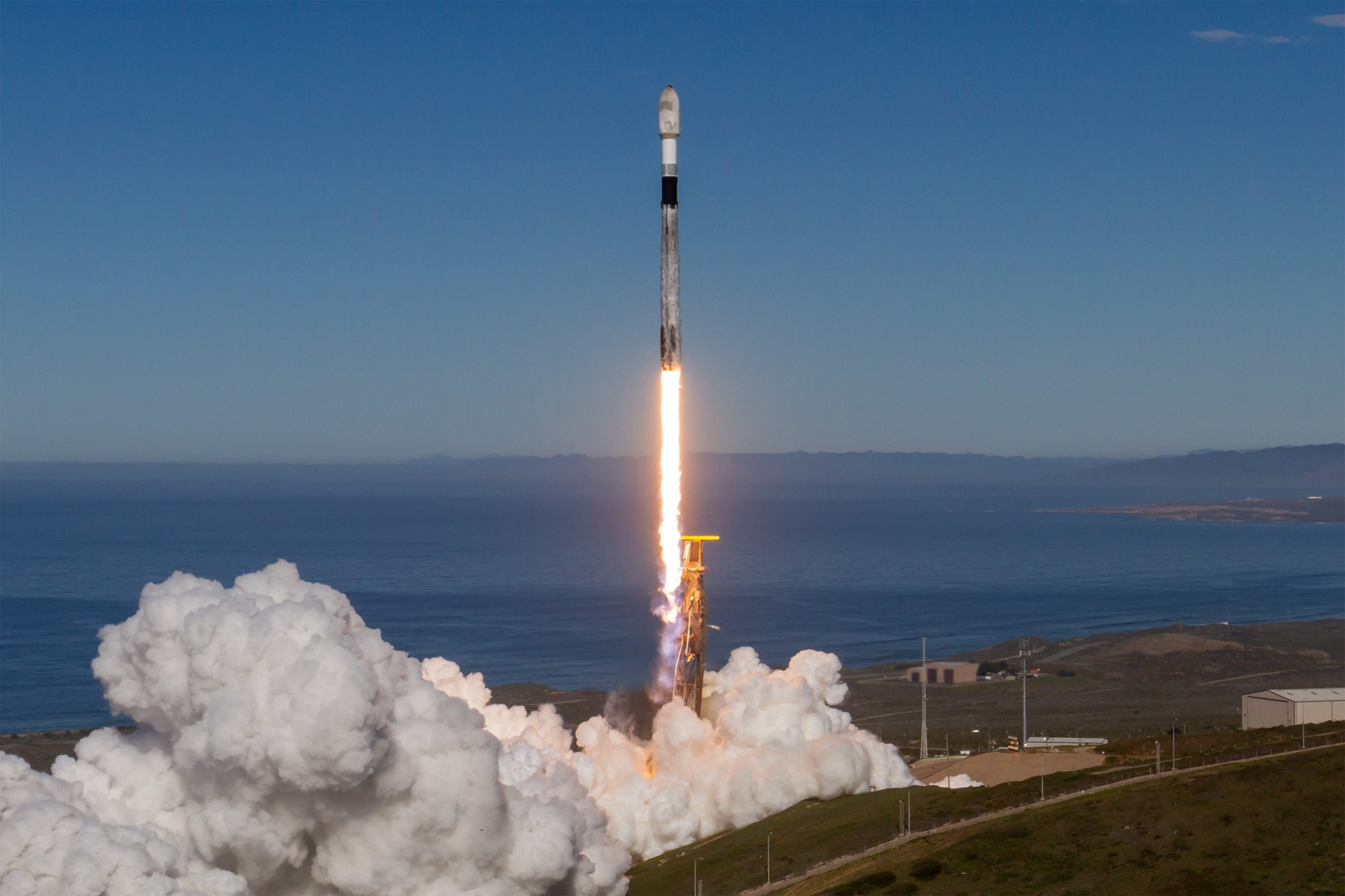
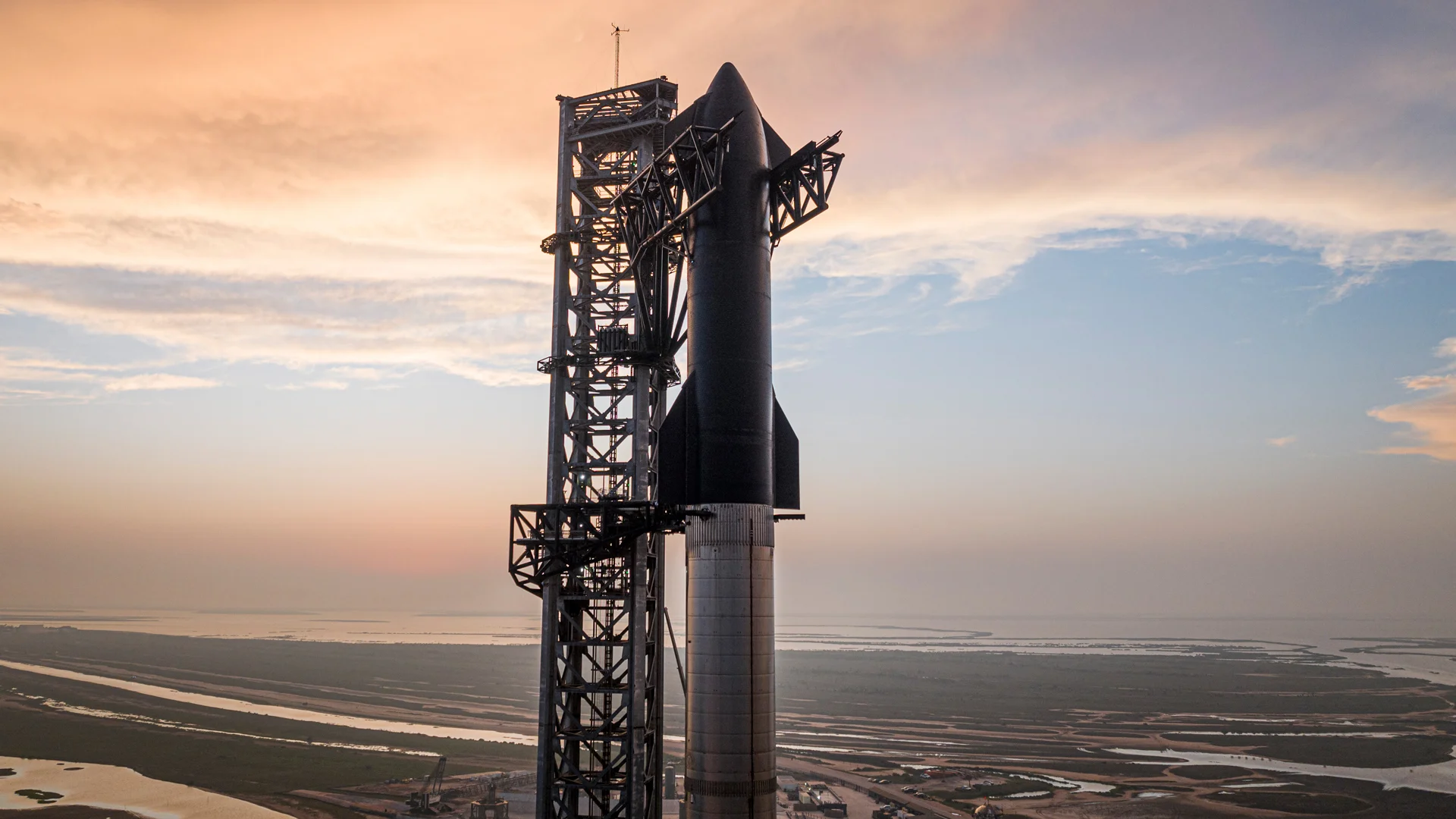
Elon Musk is reportedly weighing a transformative mega-merger consolidating SpaceX, Tesla, and xAI into a unified technology conglomerate. While official confirmation remains pending and regulatory approval would face significant antitrust scrutiny from the U.S. Federal Trade Commission and international authorities, this potential restructuring carries substantial indirect implications for cross-border e-commerce sellers. The merger would theoretically combine SpaceX's aerospace and satellite capabilities, Tesla's electric vehicle and energy storage operations, and xAI's artificial intelligence development into a single entity with unprecedented technological reach.
For e-commerce sellers, three critical operational areas merit immediate attention. First, logistics infrastructure: SpaceX's Starlink satellite internet expansion could fundamentally reshape supply chain connectivity, particularly for sellers operating in underserved regions or managing international fulfillment networks. Satellite-based connectivity offers redundancy and cost reduction for real-time inventory tracking, warehouse management systems, and cross-border order processing—potentially reducing logistics coordination costs by 8-15% for sellers managing multiple 3PL providers. Second, energy cost dynamics: Tesla's battery technology and energy storage solutions, if integrated into a consolidated operation, could lower fulfillment center operating costs. Sellers using Amazon FBA or third-party logistics providers may see indirect benefits through reduced energy surcharges, potentially saving $200-400 monthly for mid-sized sellers (1,000-5,000 monthly units). Third, AI-powered business tools: xAI's artificial intelligence capabilities could be leveraged to create advanced seller tools for demand forecasting, dynamic pricing optimization, and customer service automation—directly competing with or complementing existing Amazon Seller Central analytics and Shopify AI features.
The merger's regulatory pathway remains uncertain, with potential FTC challenges based on combined market capitalization and competitive concerns. However, even if the full consolidation doesn't materialize, partial partnerships between these entities could accelerate development of seller-focused technologies. Sellers should monitor announcements regarding Starlink commercial partnerships, Tesla energy solutions for logistics hubs, and xAI tool integrations with major e-commerce platforms. The consolidation would likely prioritize enterprise-scale operations initially, creating opportunities for larger sellers (10,000+ monthly units) to negotiate preferential rates on satellite connectivity and energy solutions before benefits cascade to mid-market sellers. Information gaps remain significant—no confirmed timeline, official statements, or detailed integration plans have been disclosed, limiting definitive probability assessment.
Questions 8
Should I change my logistics strategy based on this merger news?
No immediate changes are warranted given the merger's unconfirmed status and lack of official timeline. However, sellers should monitor developments and consider diversifying 3PL providers to avoid over-dependency on any single logistics partner. If the merger proceeds, early adopters of Starlink commercial services or Tesla energy solutions could gain competitive advantages in logistics costs. Recommend reviewing current fulfillment costs quarterly and evaluating alternative providers (Amazon FBA, Flexport, Flexport) to maintain negotiating leverage as market conditions evolve.
How could Starlink satellite internet improve my supply chain?
Starlink provides redundant, high-speed connectivity for warehouses and fulfillment centers in remote or underserved regions, enabling real-time inventory synchronization across multiple 3PL providers. This reduces coordination delays (typically 4-8 hours with traditional internet) to near-instantaneous updates, improving order accuracy and reducing fulfillment errors by 5-10%. For sellers managing international operations, satellite connectivity offers cost advantages over traditional broadband in developing markets, potentially saving $100-300 monthly per warehouse location.