

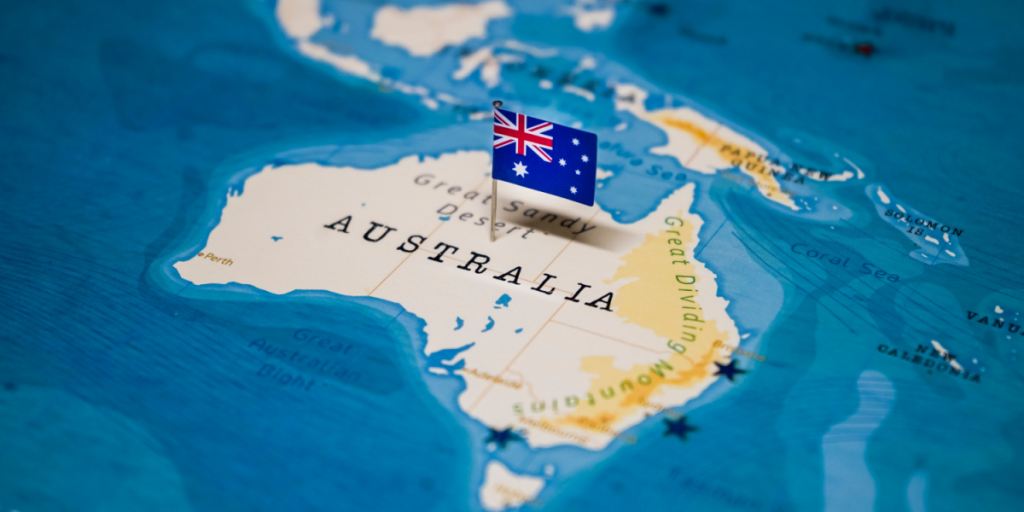


Digital Guardianship Emerges: Australia Rewrites Social Media's Age of Consent
- Pioneering regulatory framework transforms platform accountability for youth protection






















Overview
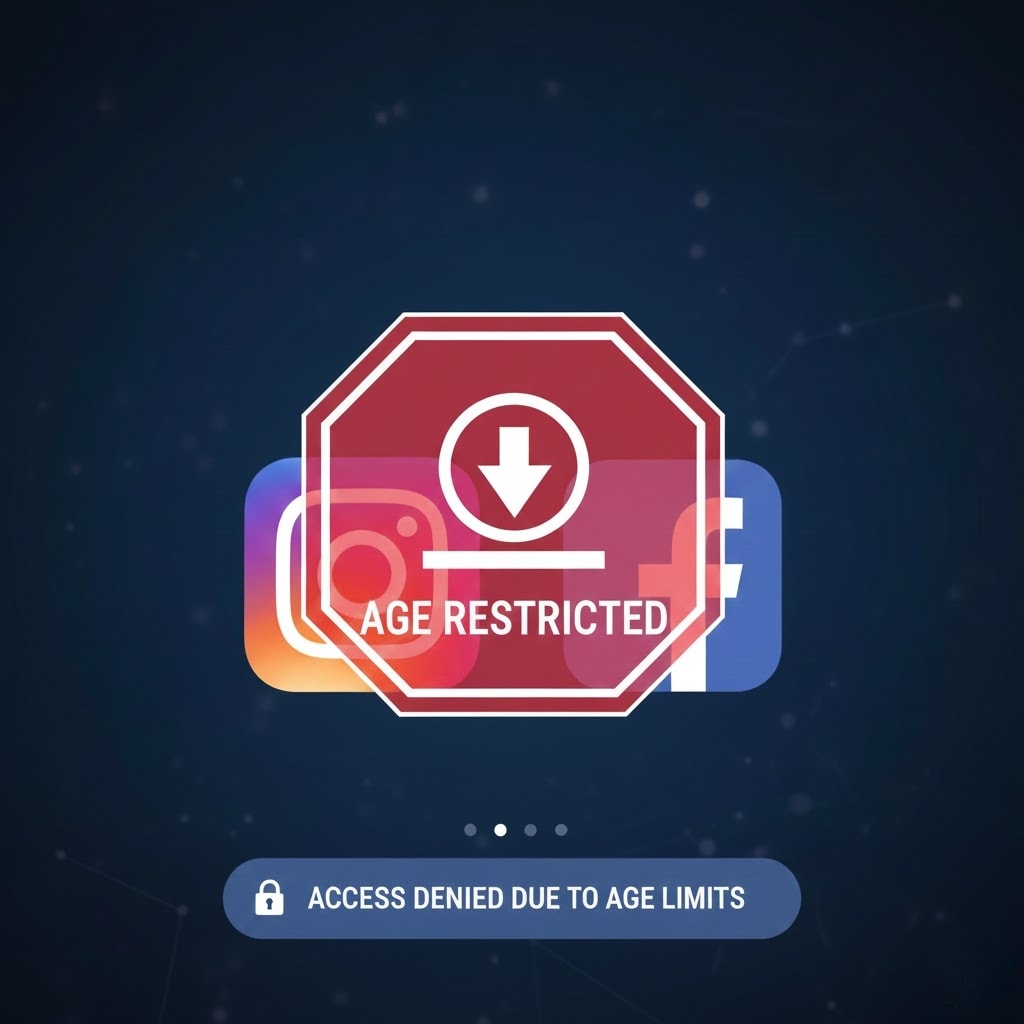
Regulatory compliance is undergoing a seismic transformation in digital youth protection, with Australia emerging as a global pioneer in redefining social media platform responsibilities. The groundbreaking legislation targeting underage digital access represents more than a policy shift—it's a fundamental reimagining of platform governance that could reshape the global digital landscape.
Meta, TikTok, and other major platforms are now confronting an unprecedented regulatory challenge that goes beyond traditional content moderation. The Australian approach is particularly noteworthy: instead of incremental adjustments, the government is implementing a comprehensive age restriction that will remove approximately 500,000 existing underage accounts across platforms. This isn't just a regulatory tweak, but a systemic intervention designed to fundamentally alter platform economics and user engagement strategies.
The regulatory framework's most compelling aspect is its multi-layered enforcement mechanism. With potential fines reaching A$49.5 million, platforms face substantial financial risks for non-compliance. The eSafety Commissioner's mandate requires monthly reporting, transforming age verification from a passive checkbox into an active, ongoing compliance process. This shifts the burden entirely onto platforms, forcing them to develop sophisticated age verification technologies that go beyond traditional self-reporting.
Critically, the legislation reveals alarming digital ecosystem statistics: 96% of Australian children aged 10-15 use social media, with 70% exposed to harmful content. One in seven children have experienced grooming behaviors, underscoring the urgent need for structural interventions. The Communications Minister's characterization of social media algorithms as "behavioral cocaine" signals a profound philosophical shift—treating digital platforms as potential public health risks rather than neutral communication tools.
The global implications are significant. With Malaysia already planning similar regulations for 2026 and other countries like France, Denmark, and New Zealand exploring comparable frameworks, Australia's approach could become a template for international digital governance. For social media companies, this represents a fundamental strategic challenge: how to maintain engagement while implementing rigorous age and safety controls.
Questions 3
How will platforms like Meta and TikTok comply with the new regulations?
Platforms are developing sophisticated age verification methods including government ID checks, video selfie verification, and using personal data signals to identify and remove underage accounts. Meta has already begun deactivating suspected underage accounts ahead of the December 10th implementation date.
What are the potential global implications of this legislation?
Australia's approach is being watched by countries like Malaysia, France, and New Zealand as a potential regulatory template. The legislation could trigger a global trend of more stringent platform accountability, forcing social media companies to invest heavily in age verification and content moderation technologies.