

India-Bangladesh Relations Unravel: A Geopolitical Powder Keg of Diplomatic Tensions
- Escalating Sectarian Conflicts Threaten Regional Stability and Cross-Border Business Dynamics













)



)


Overview
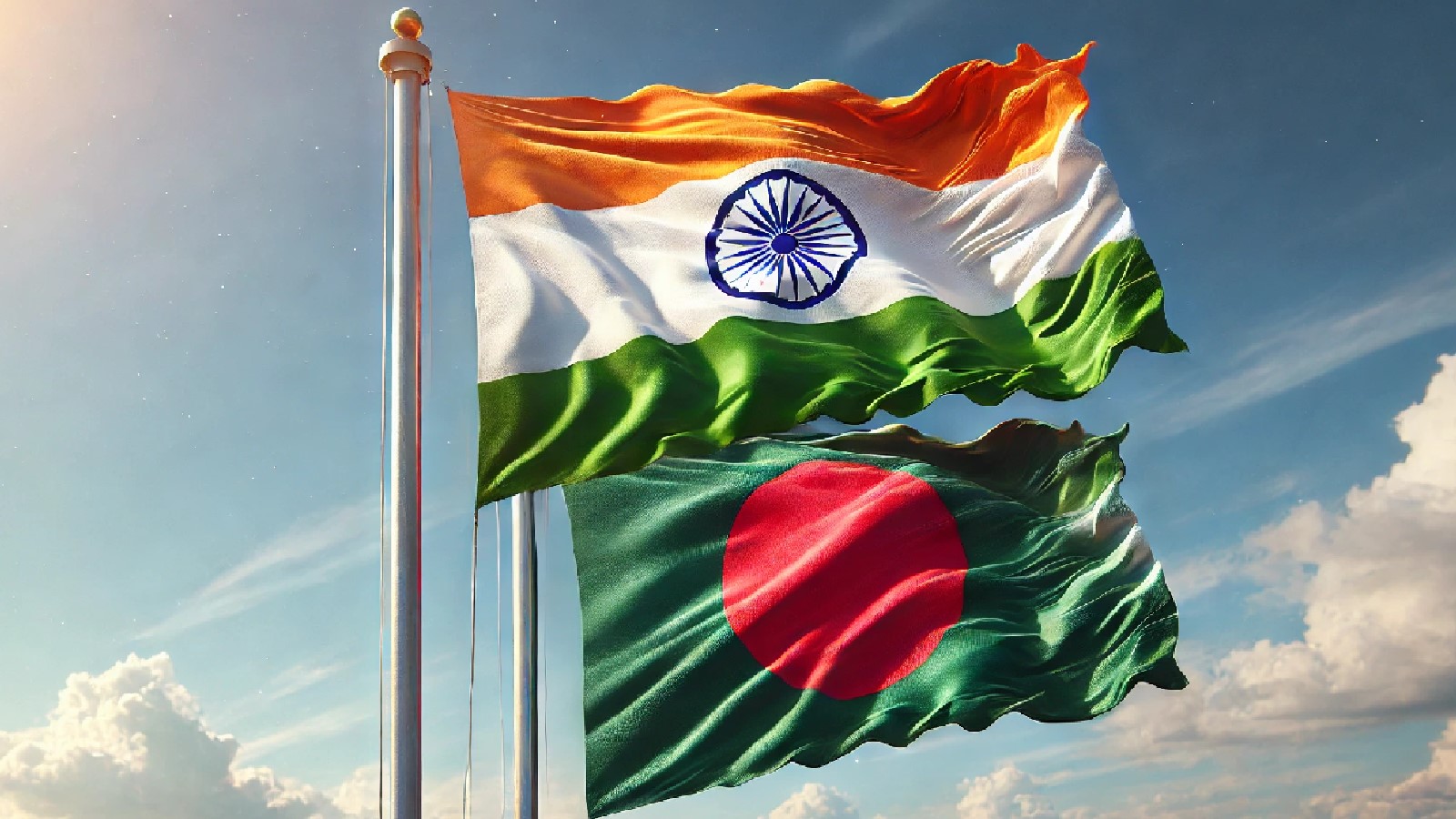
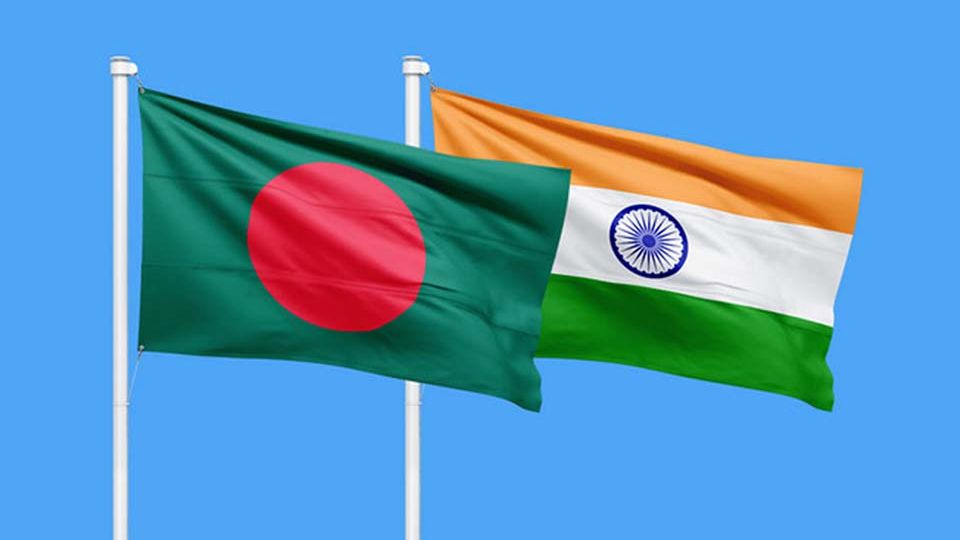
The India-Bangladesh diplomatic landscape is experiencing a critical inflection point, characterized by rapidly escalating tensions that expose deep-seated geopolitical fractures. At the epicenter of this unfolding crisis is a volatile combination of sectarian violence, political instability, and emerging radical political movements that threaten to destabilize decades of complex bilateral relations.
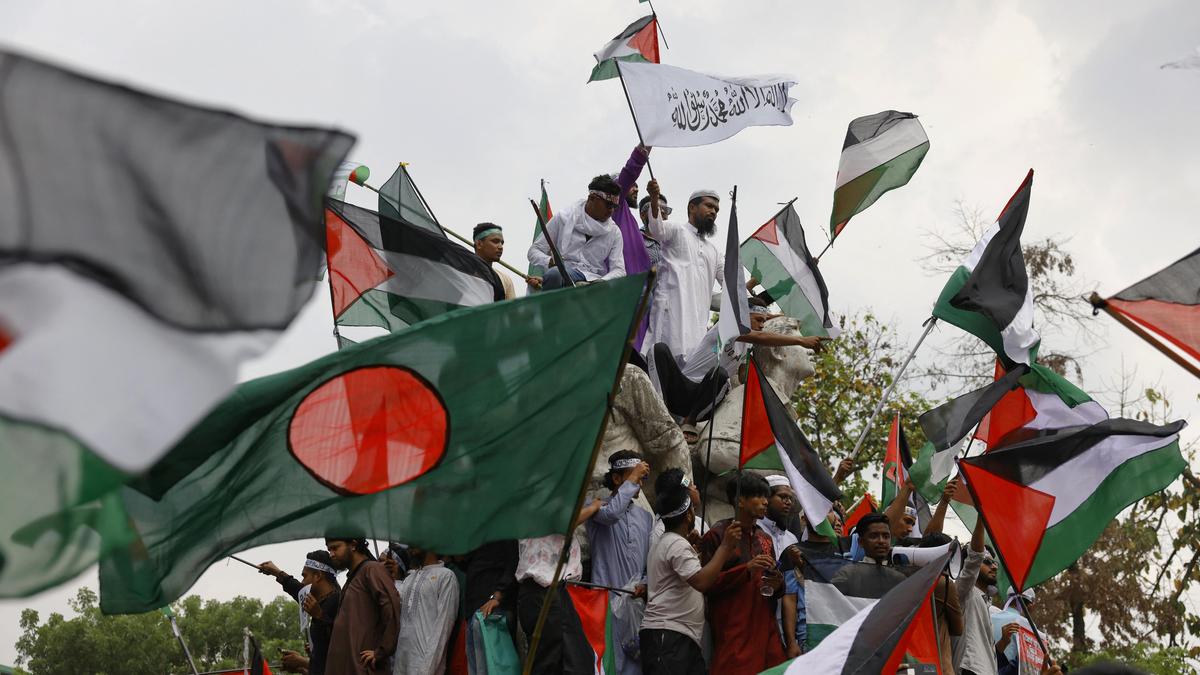
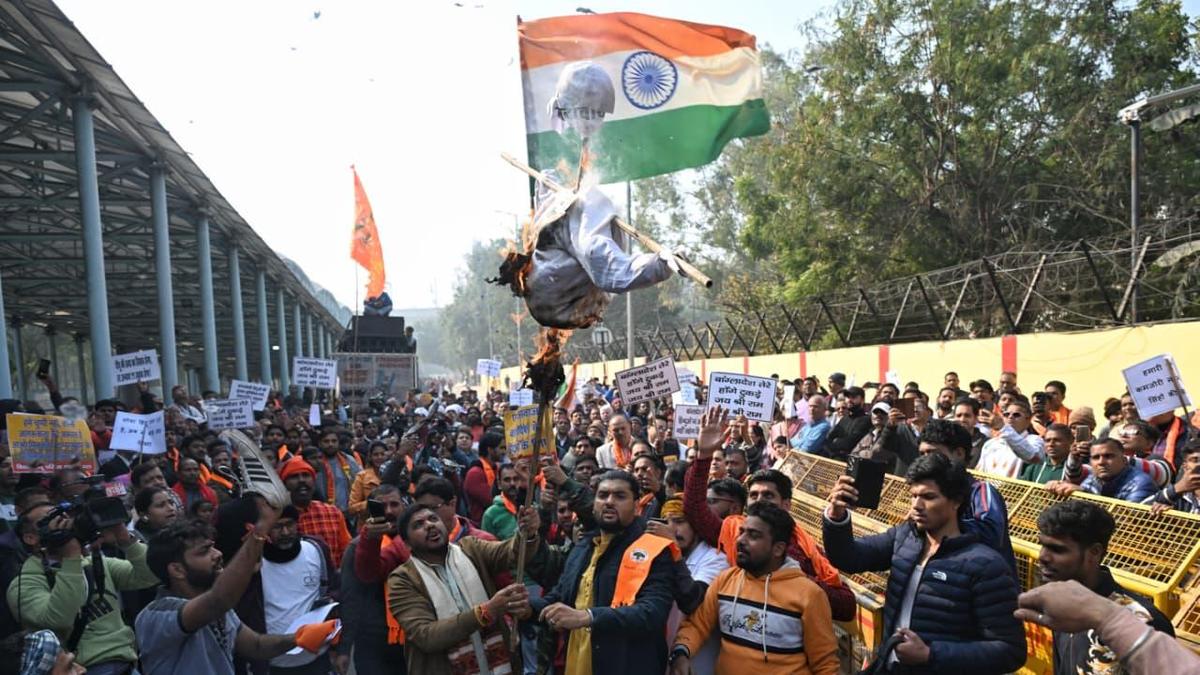
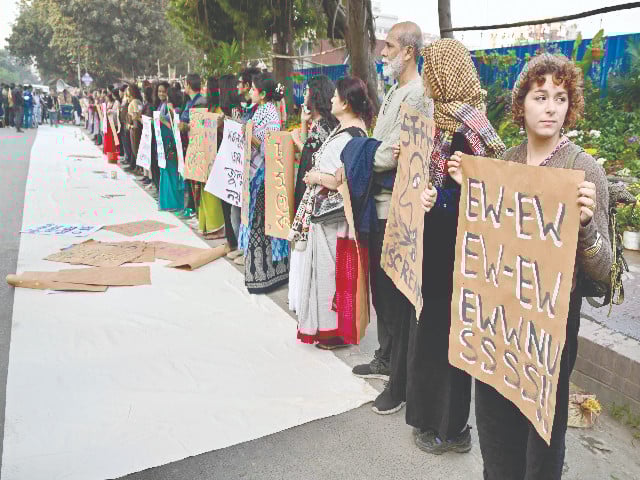
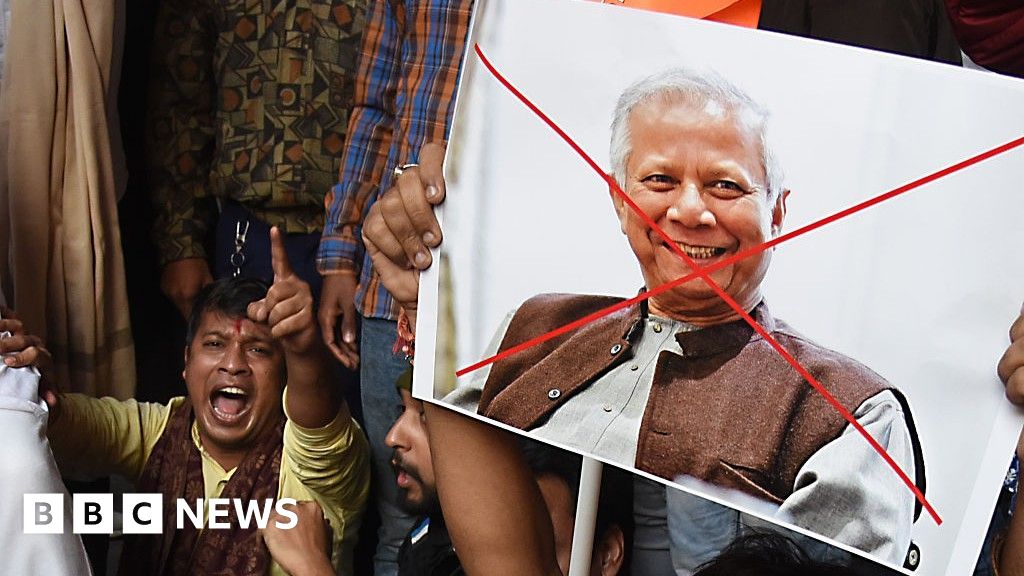
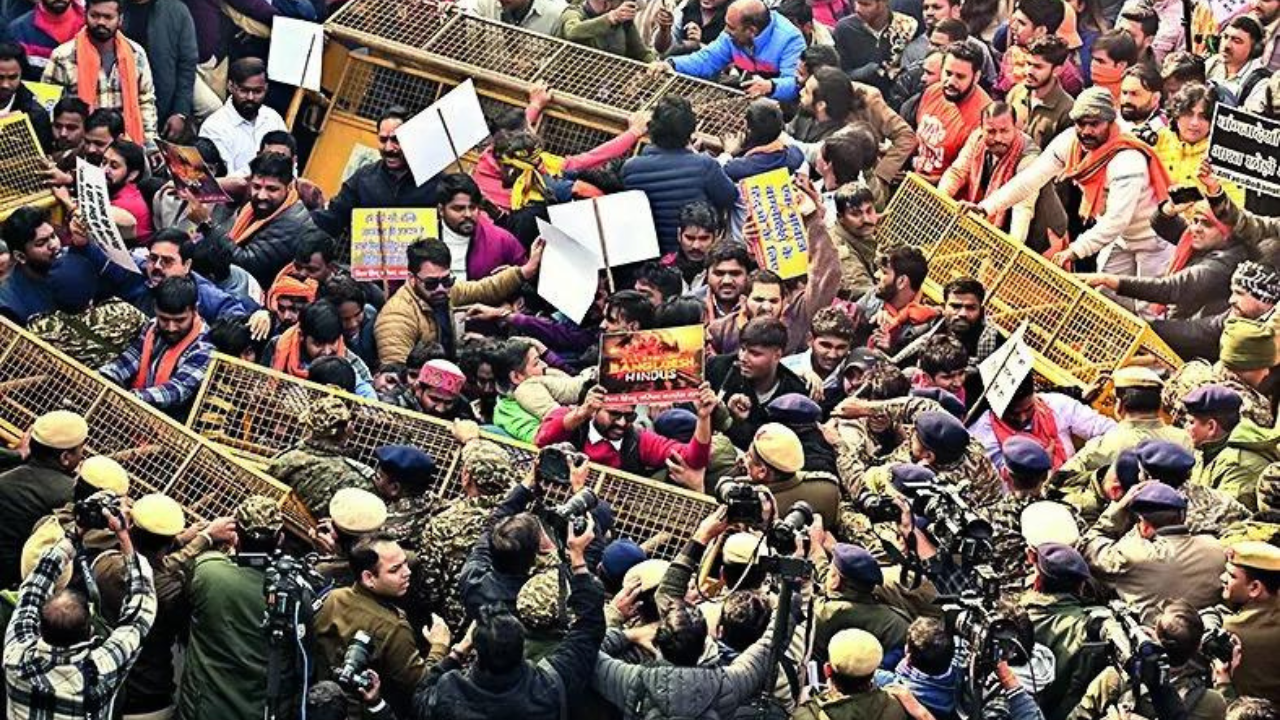
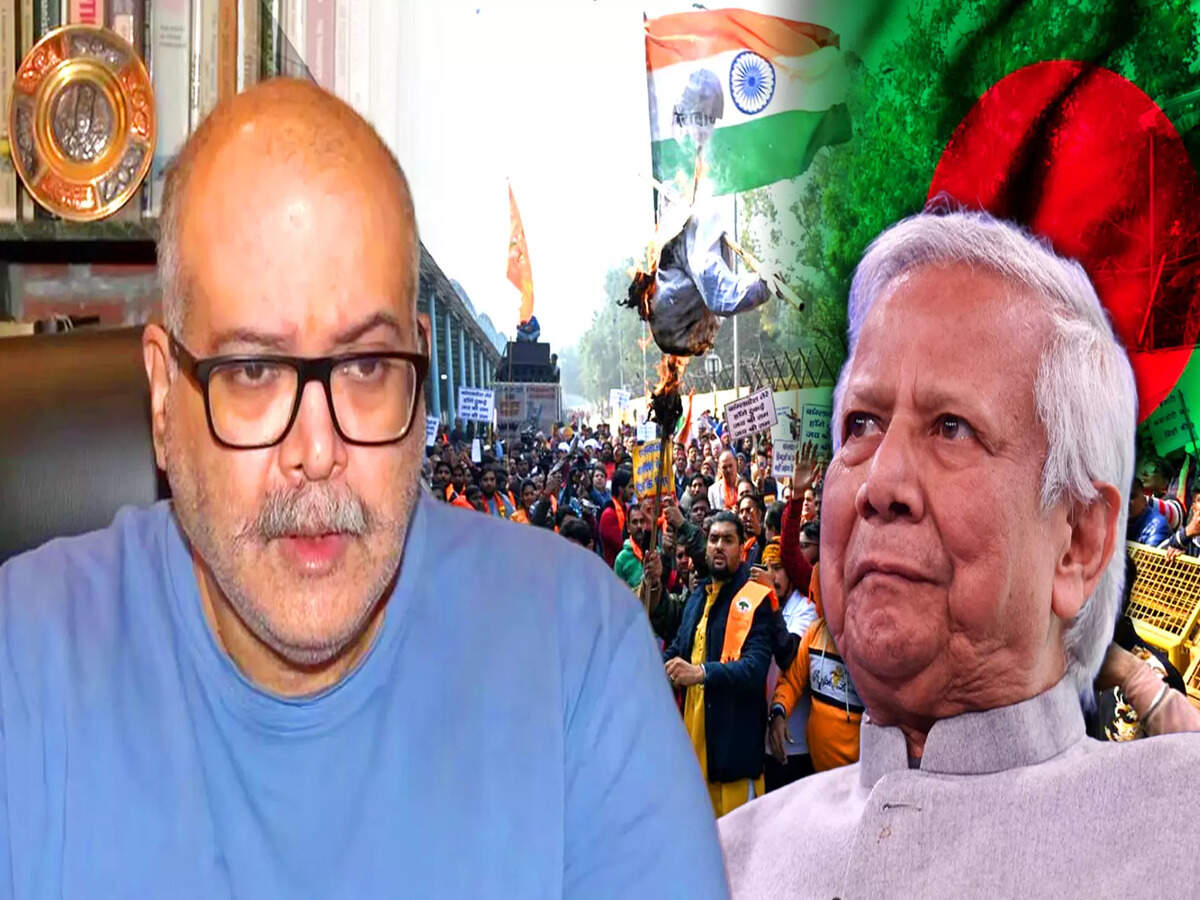
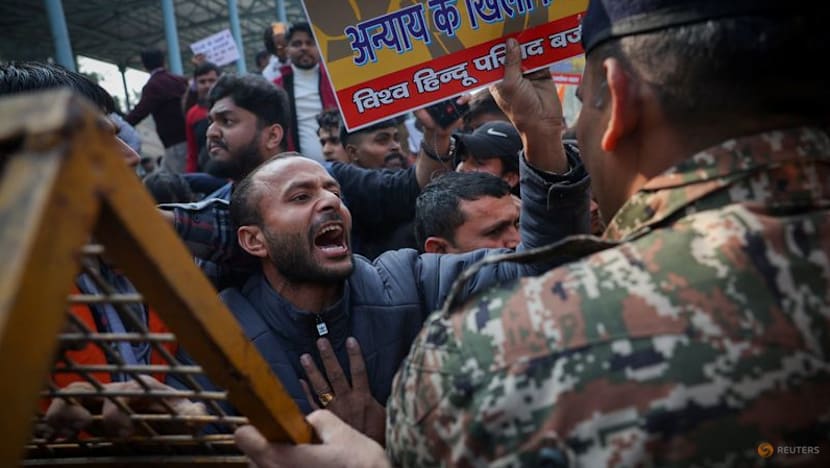
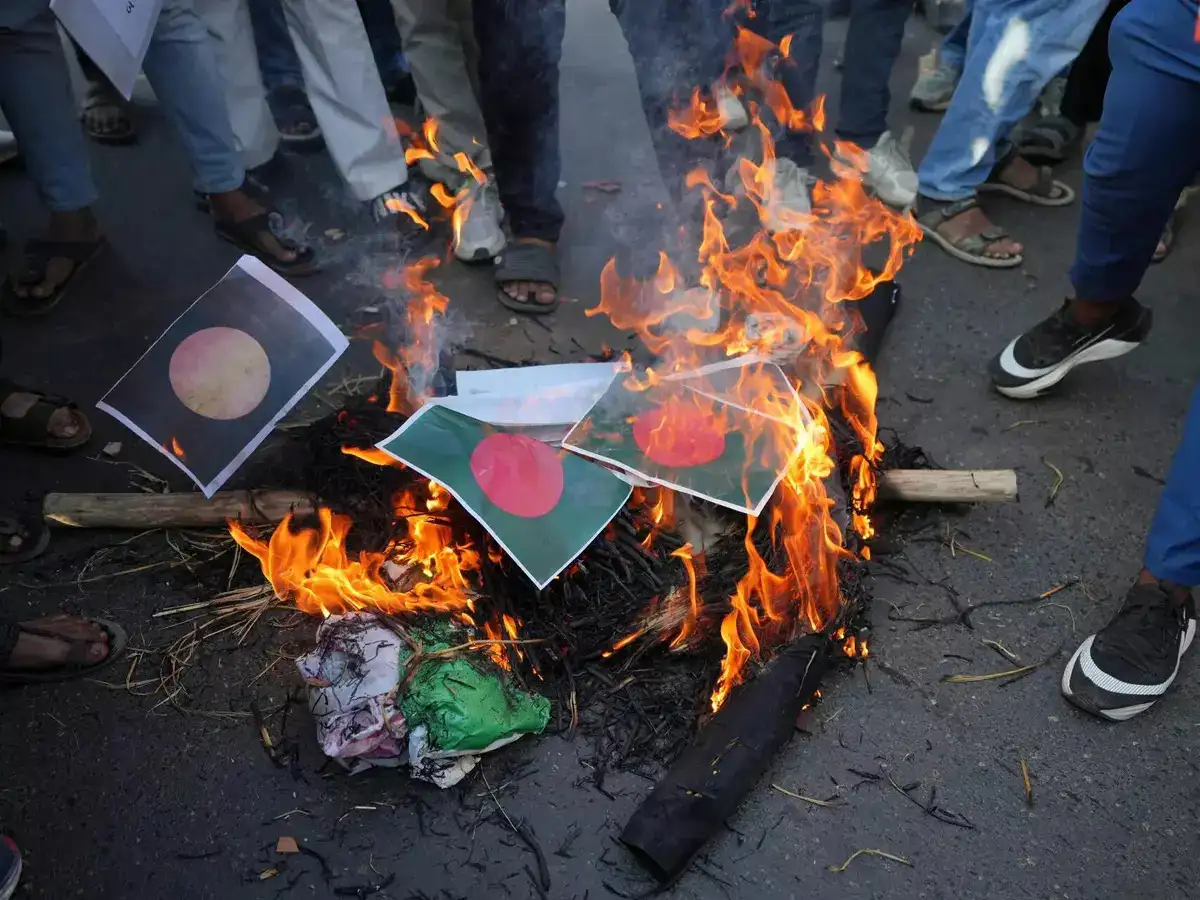
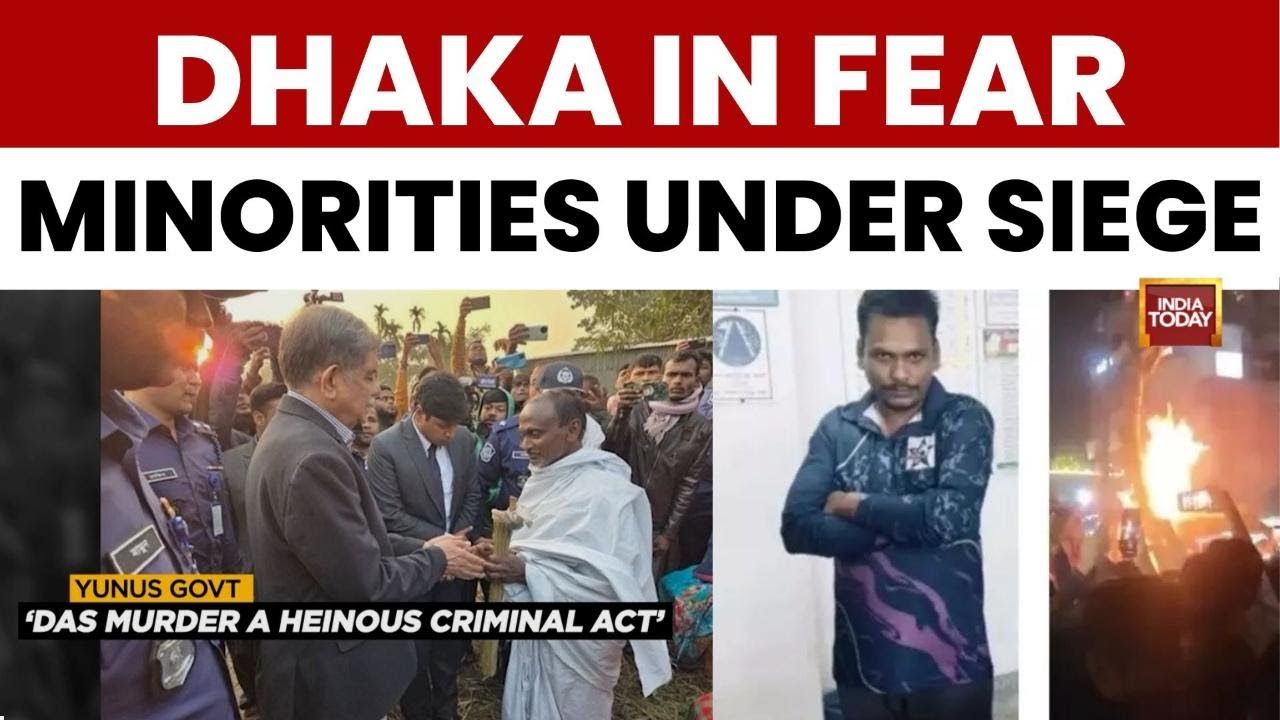
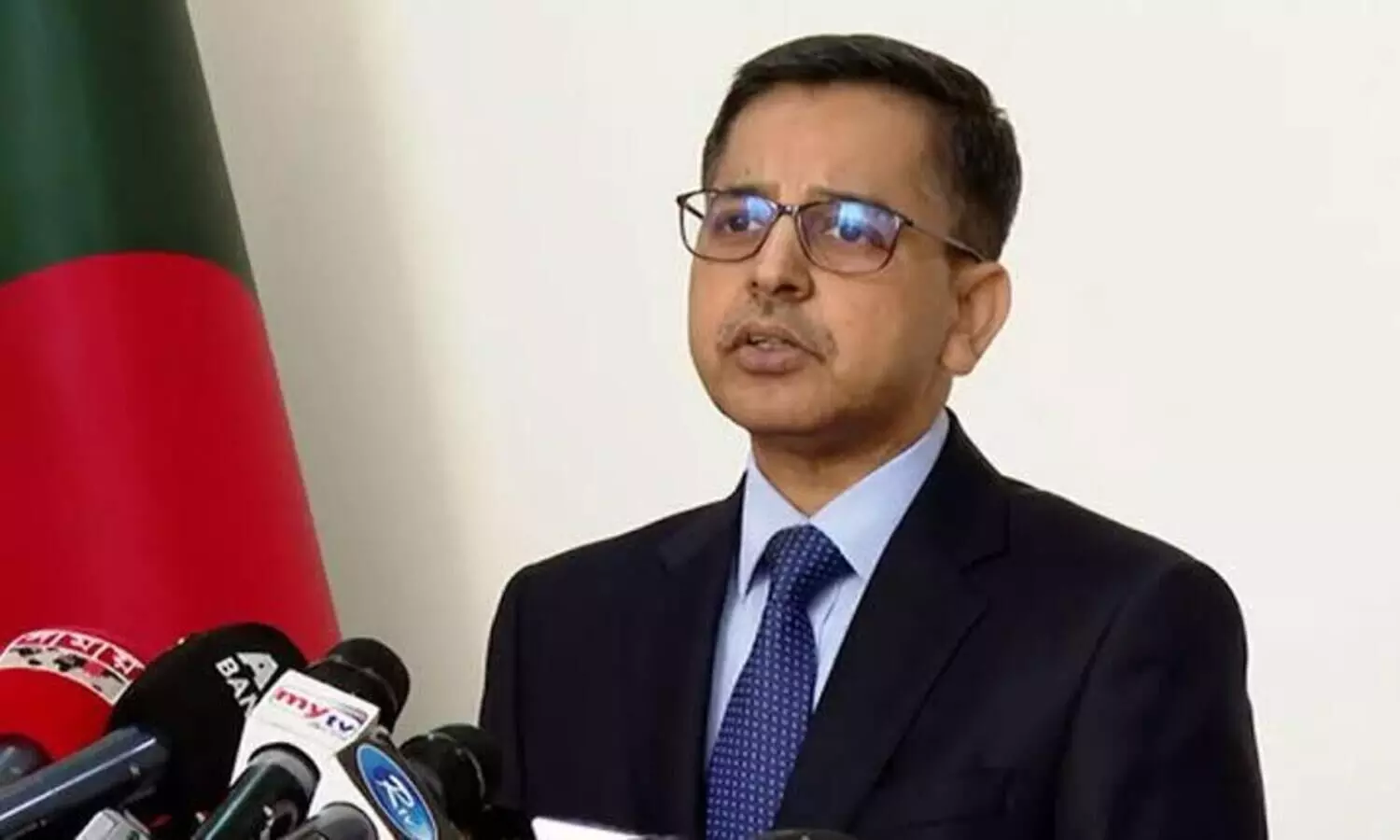
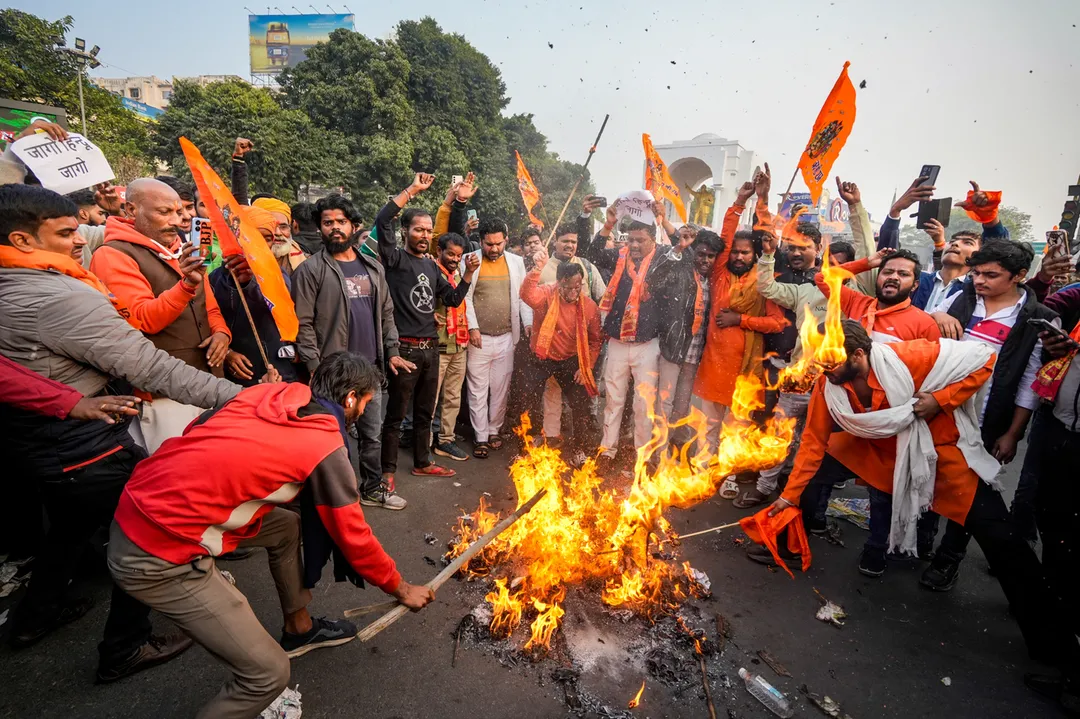
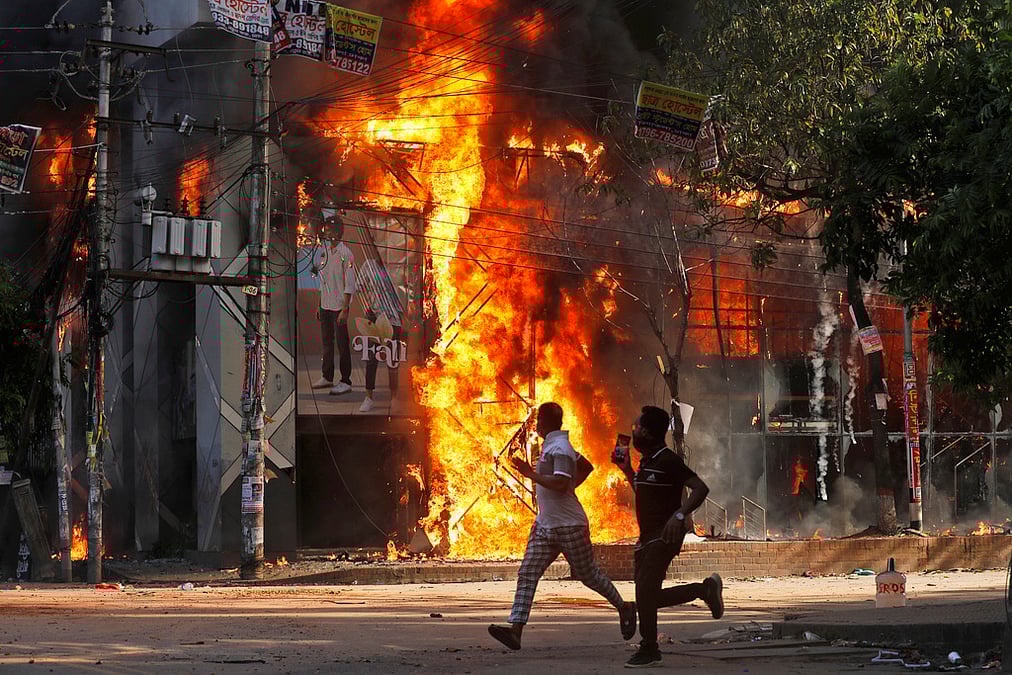
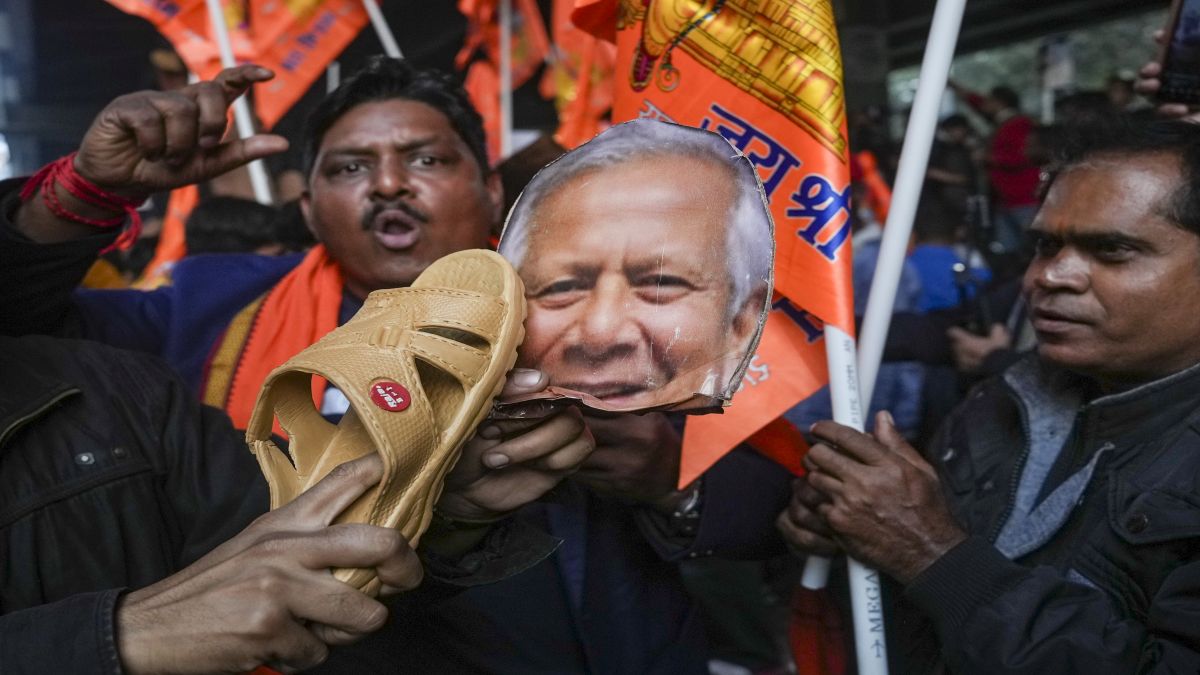
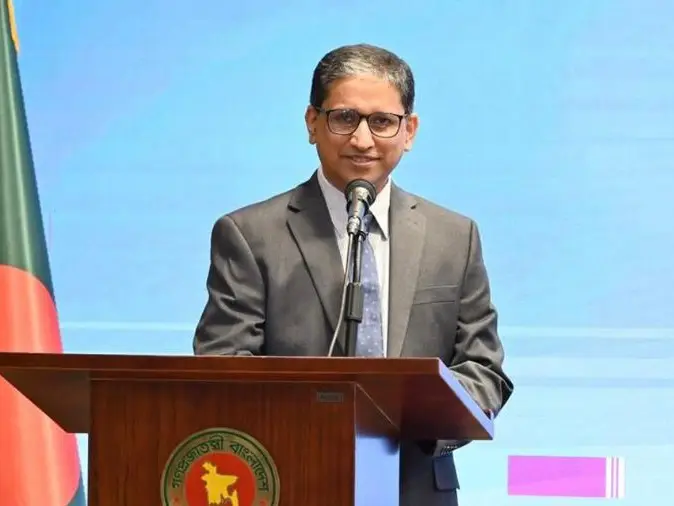
Radical political shifts are driving this deterioration, with the interim government led by Muhammad Yunus facing significant challenges from Jamaat-e-Islami, a group strategically targeting secular foundations. The killing of Dipu Chandra Das, a Hindu garment worker, symbolizes the underlying communal tensions that are rapidly transforming the region's sociopolitical fabric. This incident is not an isolated event but part of a broader pattern of increasing anti-India sentiments and minority persecution.
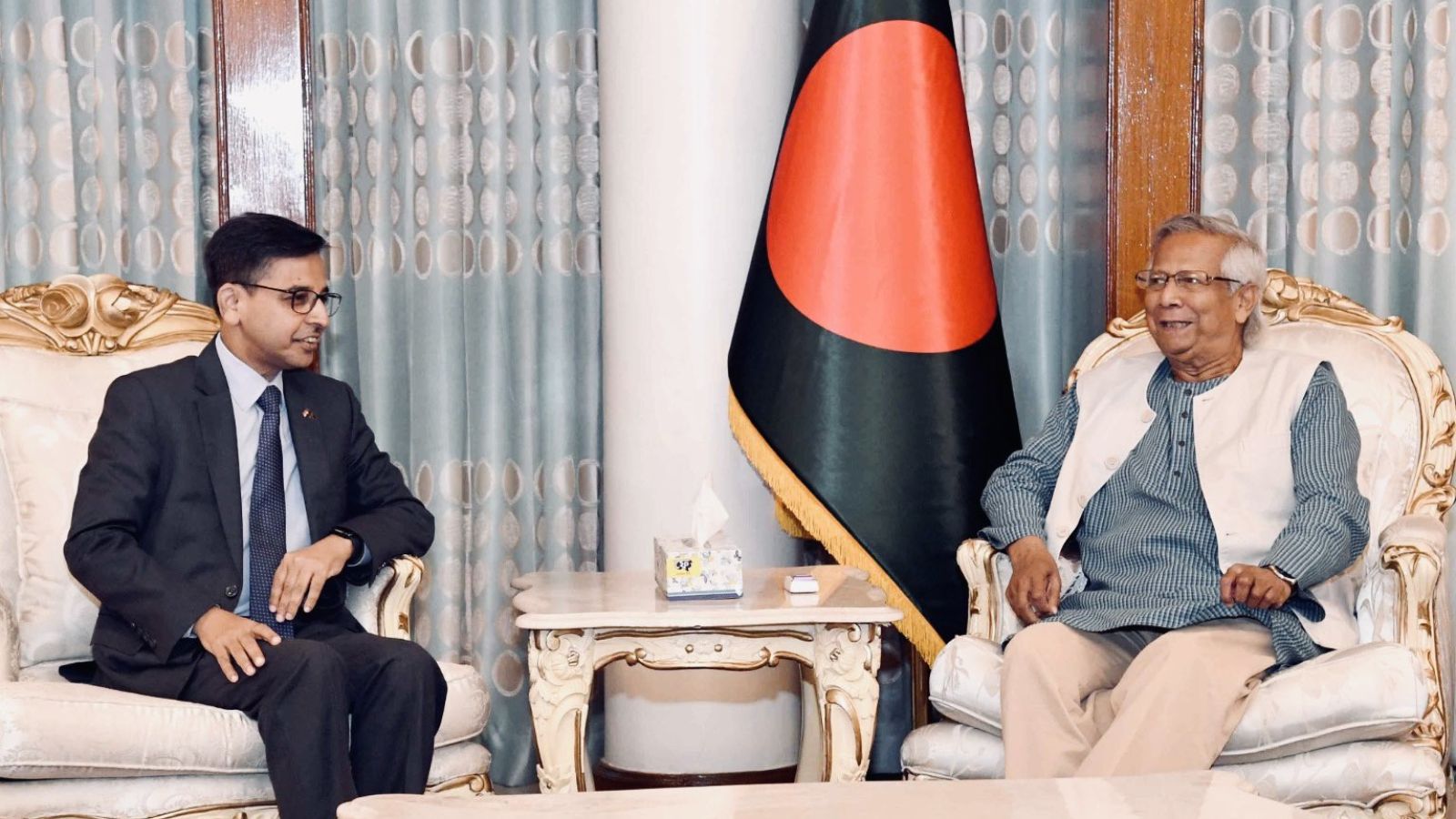
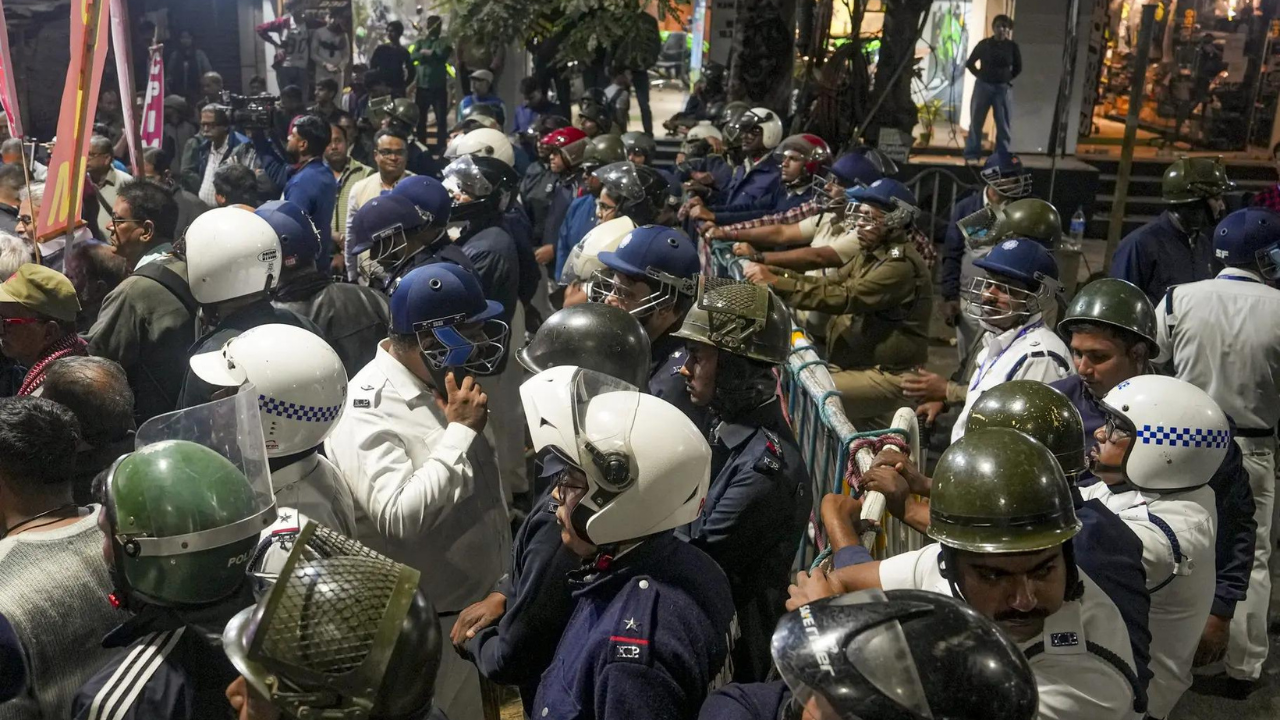
The diplomatic repercussions are immediate and severe. Both nations have suspended visa services, summoned high commissioners, and engaged in increasingly antagonistic rhetoric. For cross-border businesses, this represents a high-risk operational environment. The potential disruptions include trade barriers, regulatory uncertainties, and significant logistical challenges. Companies with supply chains or market presence in either country must develop robust contingency plans to navigate this complex landscape.
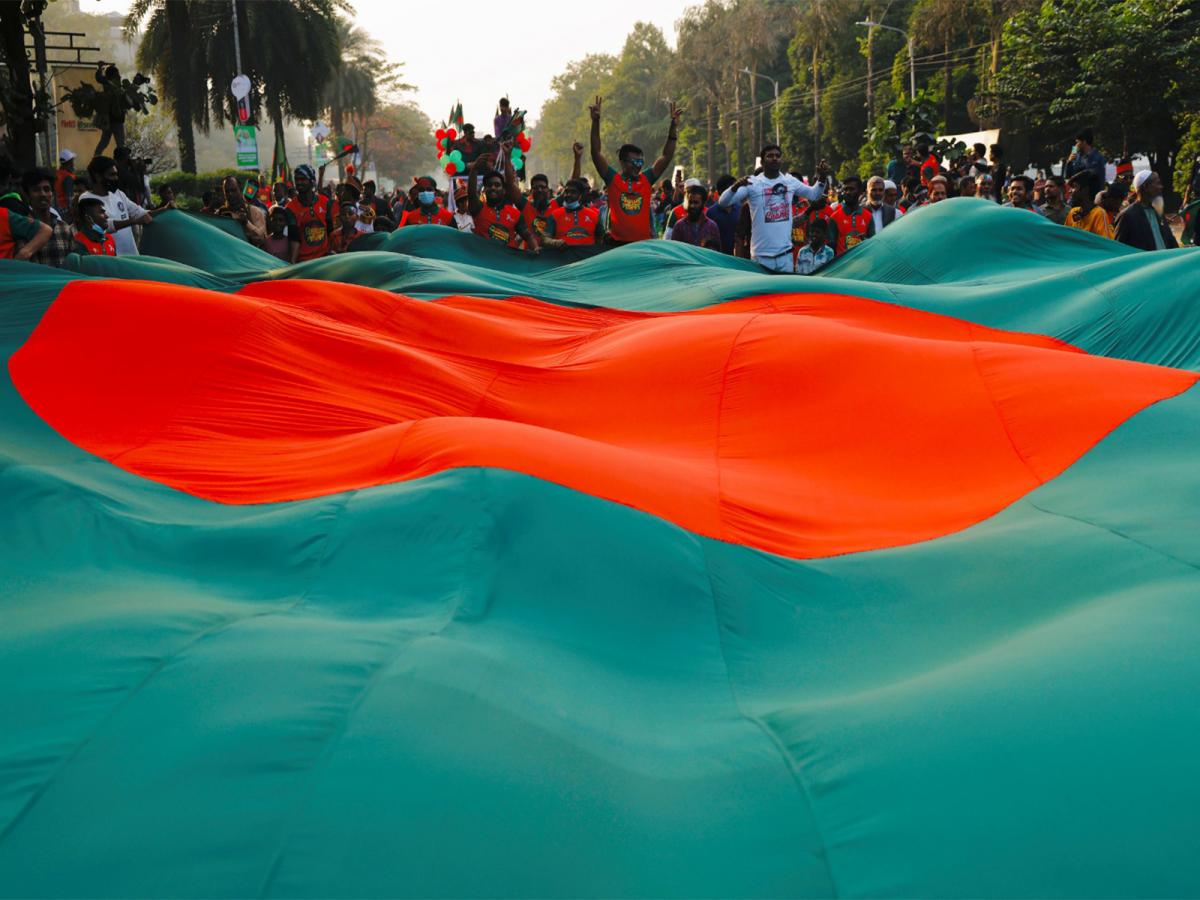
Particularly noteworthy is the role of radical Islamist groups in reshaping Bangladesh's political discourse. By challenging the secular traditions established during the 1971 Liberation of Bangladesh, these groups are creating a fundamentally different geopolitical calculus. The upcoming February elections and the interim government's precarious position add further layers of complexity to an already volatile situation.
The strategic implications extend far beyond bilateral relations. This crisis represents a potential realignment of regional power dynamics, with significant consequences for trade, security, and cultural interactions. Businesses and policymakers must recognize that the current tensions are not merely diplomatic friction but a fundamental restructuring of geopolitical relationships.
Questions 3
What are the primary drivers of current India-Bangladesh tensions?
The tensions stem from a complex mix of sectarian violence, political instability, and the rising influence of radical Islamist groups like Jamaat-e-Islami. The killing of Dipu Chandra Das and subsequent anti-minority actions have significantly escalated diplomatic confrontations.
How might these diplomatic tensions impact cross-border businesses?
Businesses face potential trade barriers, disrupted visa services, increased regulatory scrutiny, and significant operational uncertainties. Companies with supply chains or market presence in India or Bangladesh should develop robust contingency plans and closely monitor the evolving political landscape.