



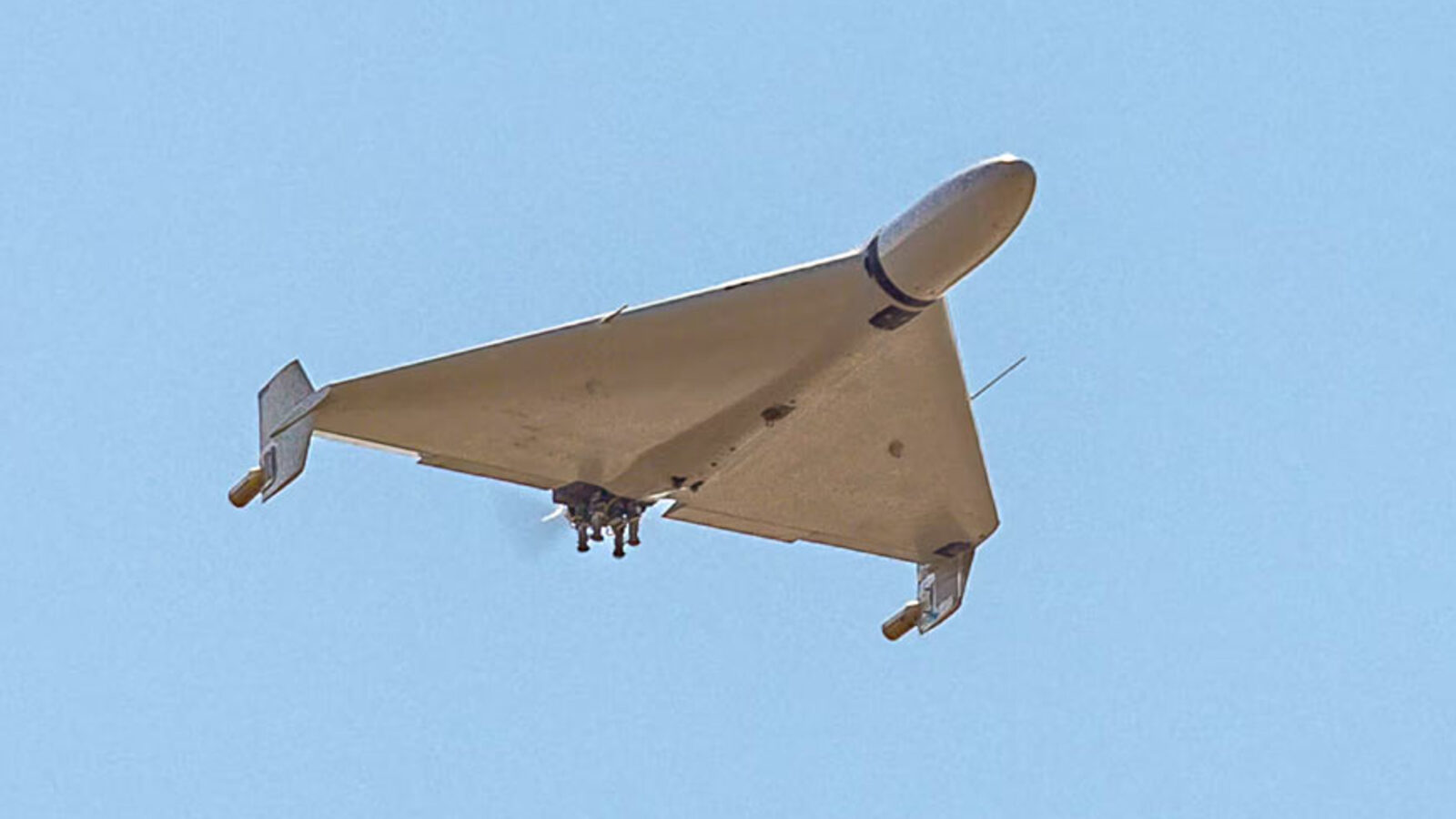
Drone Warfare Escalates: Ukraine's Strategic Infrastructure Targeting Campaign Intensifies
- Geopolitical tensions reshape military technology and cross-border business risk management



Overview
The ongoing drone warfare between Russia and Ukraine represents a critical inflection point in modern military technology and strategic infrastructure targeting. On Christmas Eve 2025, Ukrainian forces launched a sophisticated drone campaign that underscores a profound shift in asymmetric warfare capabilities, with 132 drones deployed across multiple Russian border regions targeting strategic infrastructure.
Strategic Infrastructure Targeting emerges as a key operational doctrine for Ukraine, demonstrated by precision strikes against critical facilities like the Yefremov synthetic rubber plant in Tula Oblast. This facility's dual-use manufacturing capabilities for military vehicle tires represents exactly the type of strategic target designed to disrupt Russia's military-industrial complex. The attacks reveal a nuanced approach: instead of direct military confrontation, Ukraine is systematically undermining Russia's logistical and manufacturing resilience through precision drone strikes.
The technological sophistication of these operations is remarkable. Russian air defense systems intercepted 25 Ukrainian drones targeting Moscow, with two major airports temporarily limiting operations. This highlights the evolving nature of unmanned aerial systems in modern conflict, where technological innovation can compensate for traditional military asymmetries. The drone campaign represents more than a tactical maneuver—it's a strategic communication demonstrating Ukraine's expanding technological warfare capabilities.
For international businesses, these developments signal a critical risk recalibration. The geopolitical uncertainty created by such drone campaigns directly impacts cross-border logistics, supply chain stability, and regional trade dynamics. Companies operating in Eastern European markets must now integrate advanced geopolitical risk management strategies, treating technological warfare capabilities as a core consideration in operational planning.
The broader implications extend beyond immediate military confrontation. These drone strikes represent a new paradigm of conflict—where technological innovation, precision targeting, and strategic infrastructure disruption become primary warfare instruments. Businesses must recognize that geopolitical risks are no longer confined to traditional military engagements but now include sophisticated technological interventions that can instantaneously reshape economic landscapes.
Questions 3
What makes the Ukrainian drone strategy unique?
Ukraine's approach focuses on precision strikes against dual-use infrastructure like the Yefremov synthetic rubber plant, demonstrating a sophisticated strategy of disrupting military-industrial capabilities through targeted technological interventions rather than direct military confrontation.
How are drone attacks changing modern military strategy?
Drone attacks represent a shift towards precision infrastructure targeting, allowing smaller forces to strategically disrupt military-industrial capabilities without traditional large-scale military engagements. The Ukraine-Russia conflict demonstrates how technological innovation can compensate for traditional military asymmetries.