



Pakistan's Strategic Airline Privatization Signals Bold Economic Transformation
- Transparent State Asset Divestment Opens New Pathways for International Investors







)
)




Overview
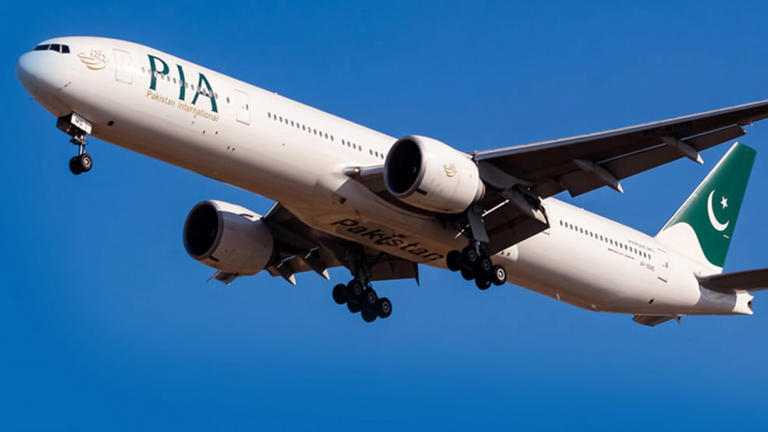
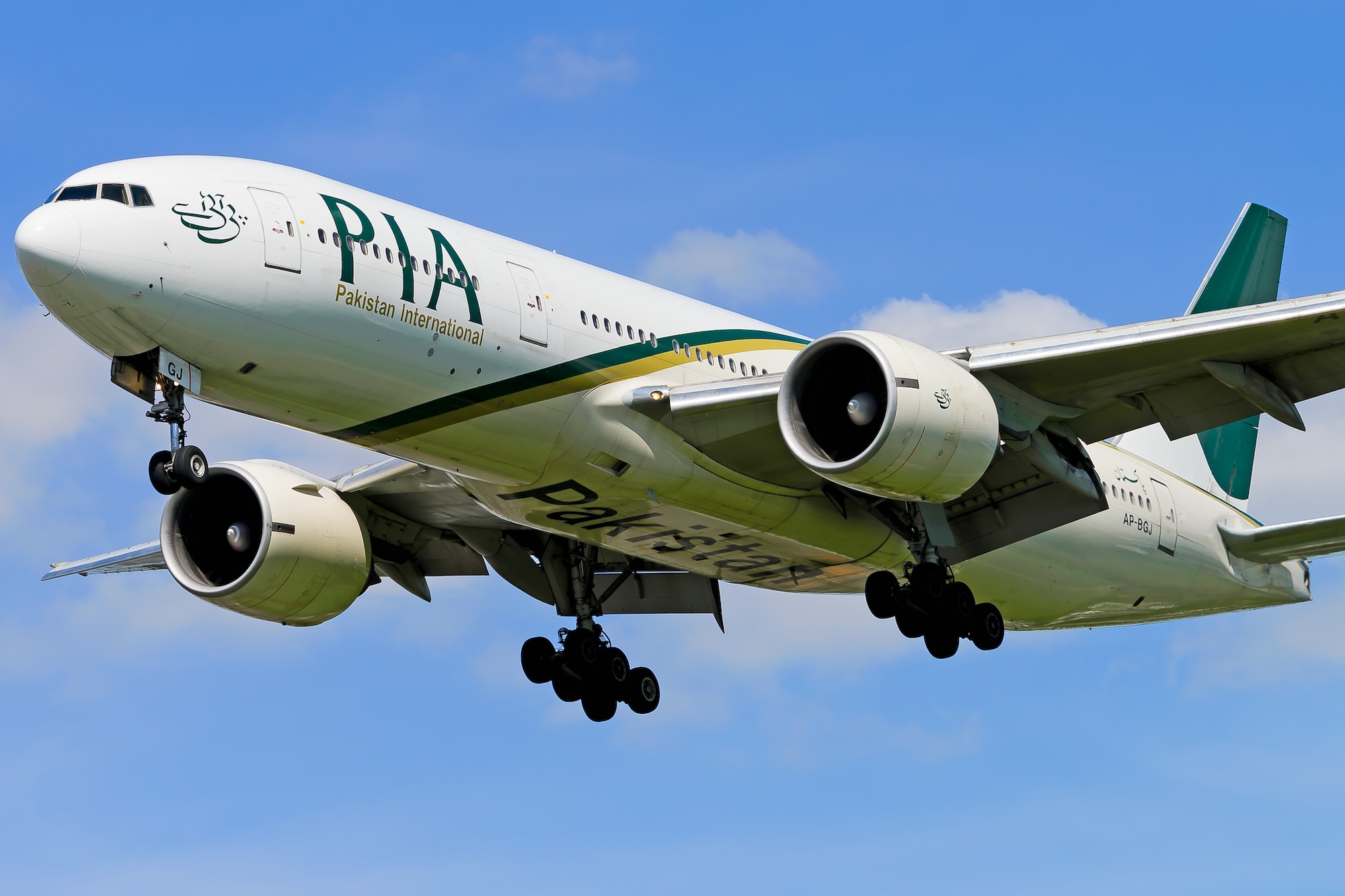
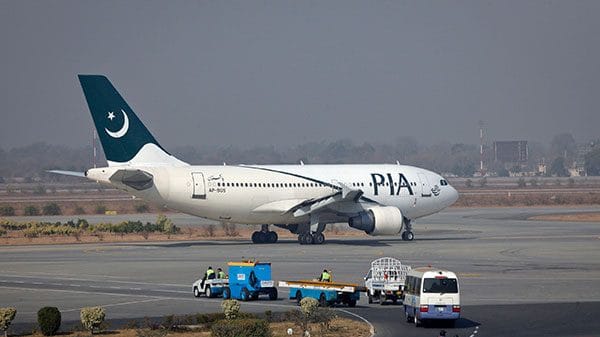
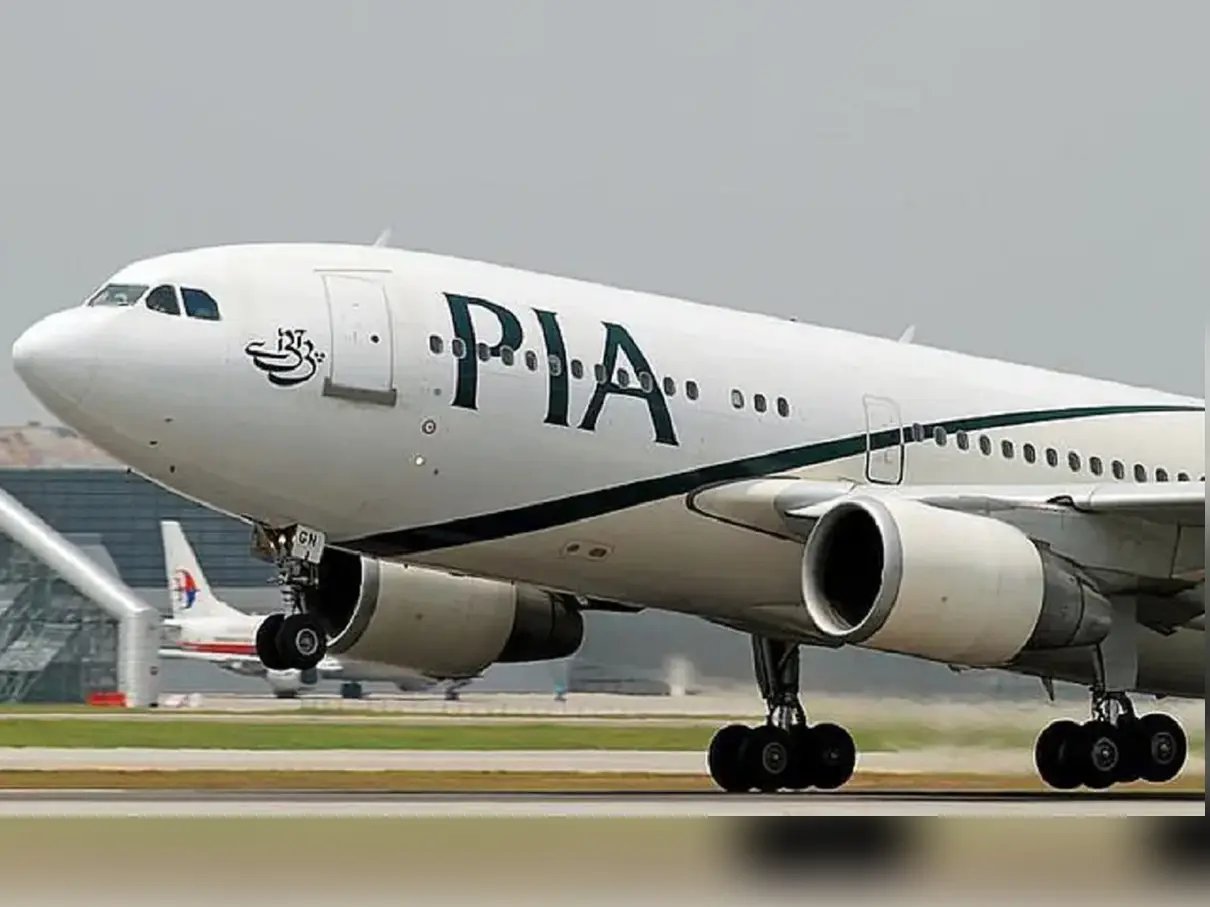
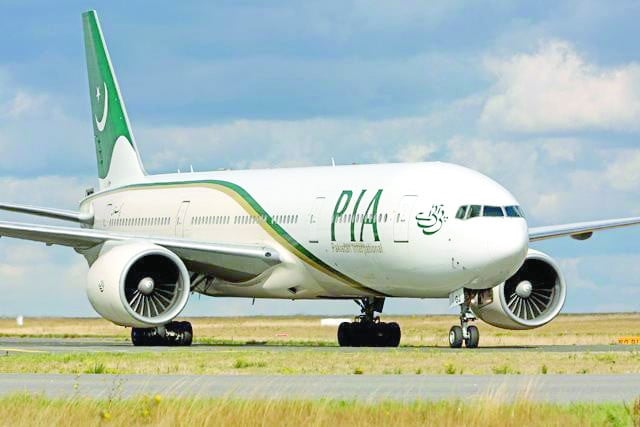
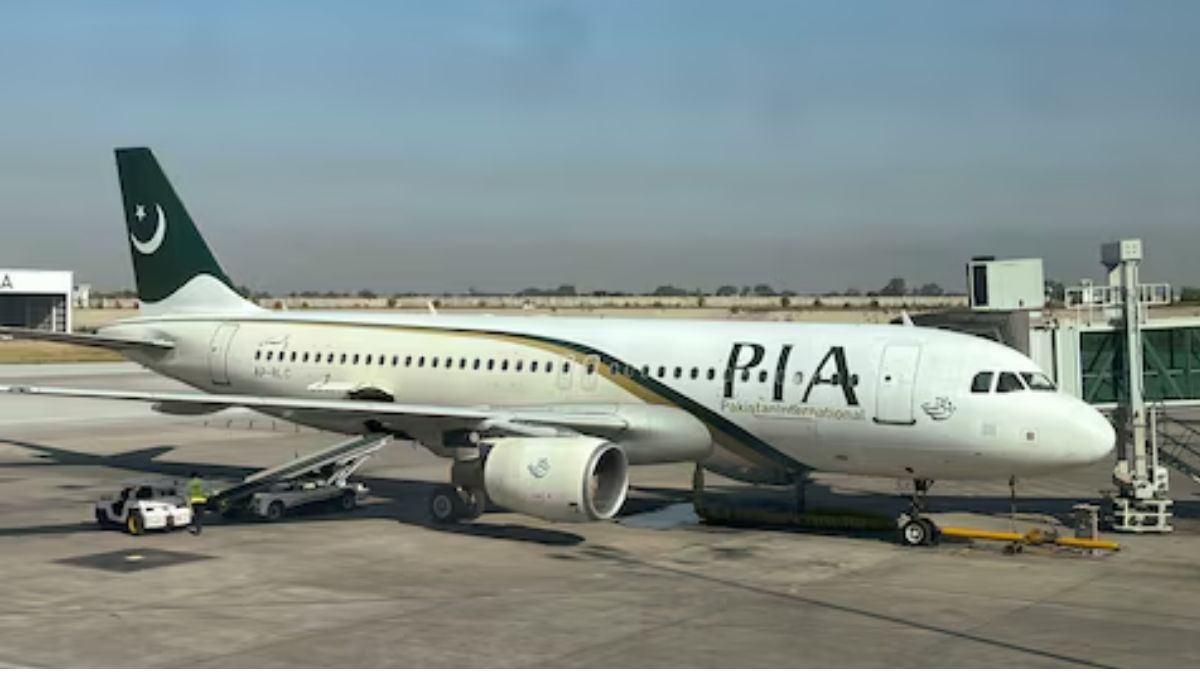
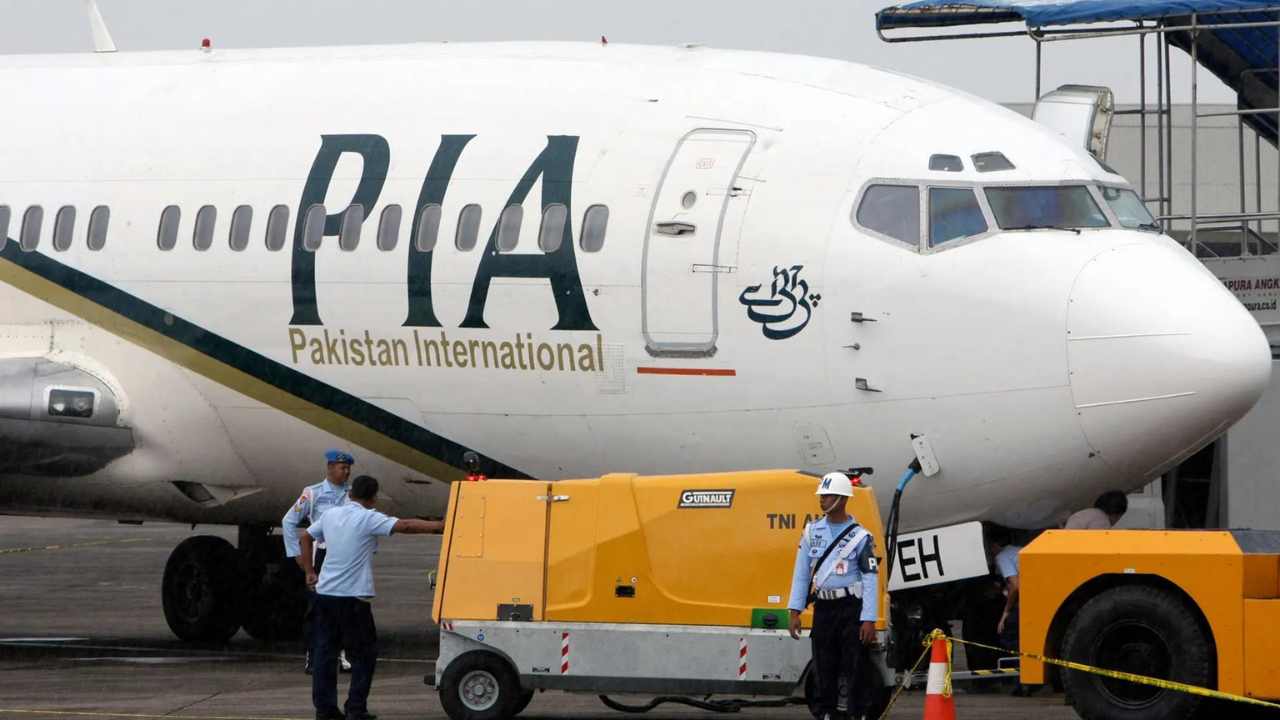
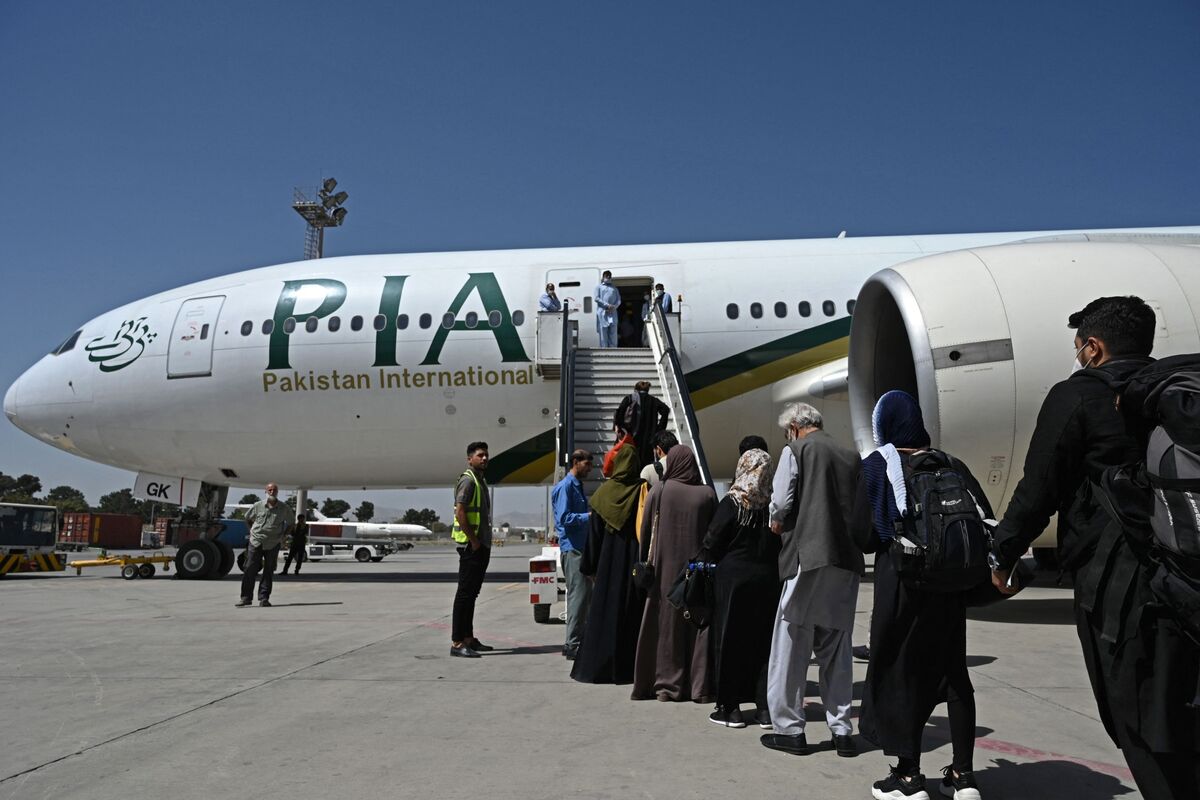
The live televised auction of Pakistan International Airlines (PIA) represents a pivotal moment in the country's economic restructuring strategy, signaling a profound shift towards market-driven governance and international investment attraction. On December 24, 2025, the Pakistani government executed a transparent privatization process that goes far beyond a simple asset sale, revealing a sophisticated approach to economic reform.
Strategic Privatization as Economic Signaling: The auction, which saw PIA sold for 482 million, is more than a financial transaction. It represents a deliberate policy signal to international investors about Pakistan's commitment to market-oriented reforms. By conducting the sale through a live televised event, the government underscores its dedication to transparency and institutional modernization. The involvement of multiple consortiums—including Arif Habib's top bid of 115 billion rupees—demonstrates significant private sector interest in previously state-controlled assets.
Logistics and Cross-Border Implications: For international e-commerce and logistics players, this privatization opens intriguing opportunities. The potential transformation of PIA's operational model suggests improved cargo transportation infrastructure, reduced operational costs, and enhanced reliability for cross-border sellers targeting the Pakistani market. Small and medium-sized businesses should closely monitor how the new ownership might redesign shipping routes and cargo services, potentially creating more efficient trade corridors.
Broader Economic Context: Historically plagued by financial challenges, PIA's sale reflects a global trend of governments divesting non-core assets to improve economic performance. This move is part of a larger strategy to attract foreign investment, reduce government expenditure, and create more market-driven operational models. The successful privatization could serve as a blueprint for restructuring other state-owned enterprises, signaling Pakistan's evolving economic narrative.
The auction's significance extends beyond the airline sector—it represents a strategic inflection point in Pakistan's economic governance, demonstrating the government's willingness to embrace market mechanisms and international investment paradigms.
Questions 3
What makes the PIA privatization unique compared to previous state asset sales?
The live televised auction represents an unprecedented level of transparency in Pakistan's privatization efforts. By broadcasting the process publicly, the government signals a commitment to open governance and aims to build investor confidence through a demonstrably fair sale mechanism.
How might this privatization impact cross-border e-commerce in Pakistan?
The sale could significantly improve logistics infrastructure by potentially reducing cargo transportation costs and increasing shipping reliability. International sellers should anticipate more efficient cargo routes and potentially lower operational expenses as the airline transitions to a more market-driven model.