


Moral Economics Reimagined: Pope's Christmas Message Challenges Global Business Paradigms
- Ethical Considerations Emerge as Critical Driver of Economic Transformation for Global Enterprises









)












Overview
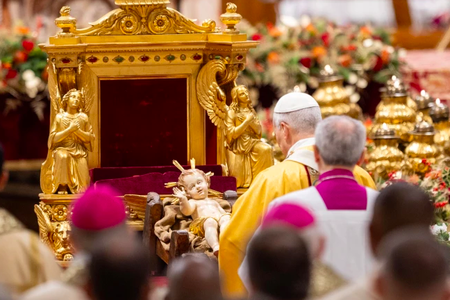
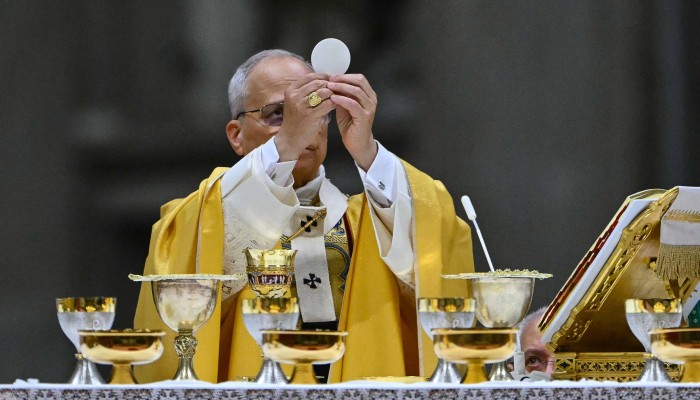
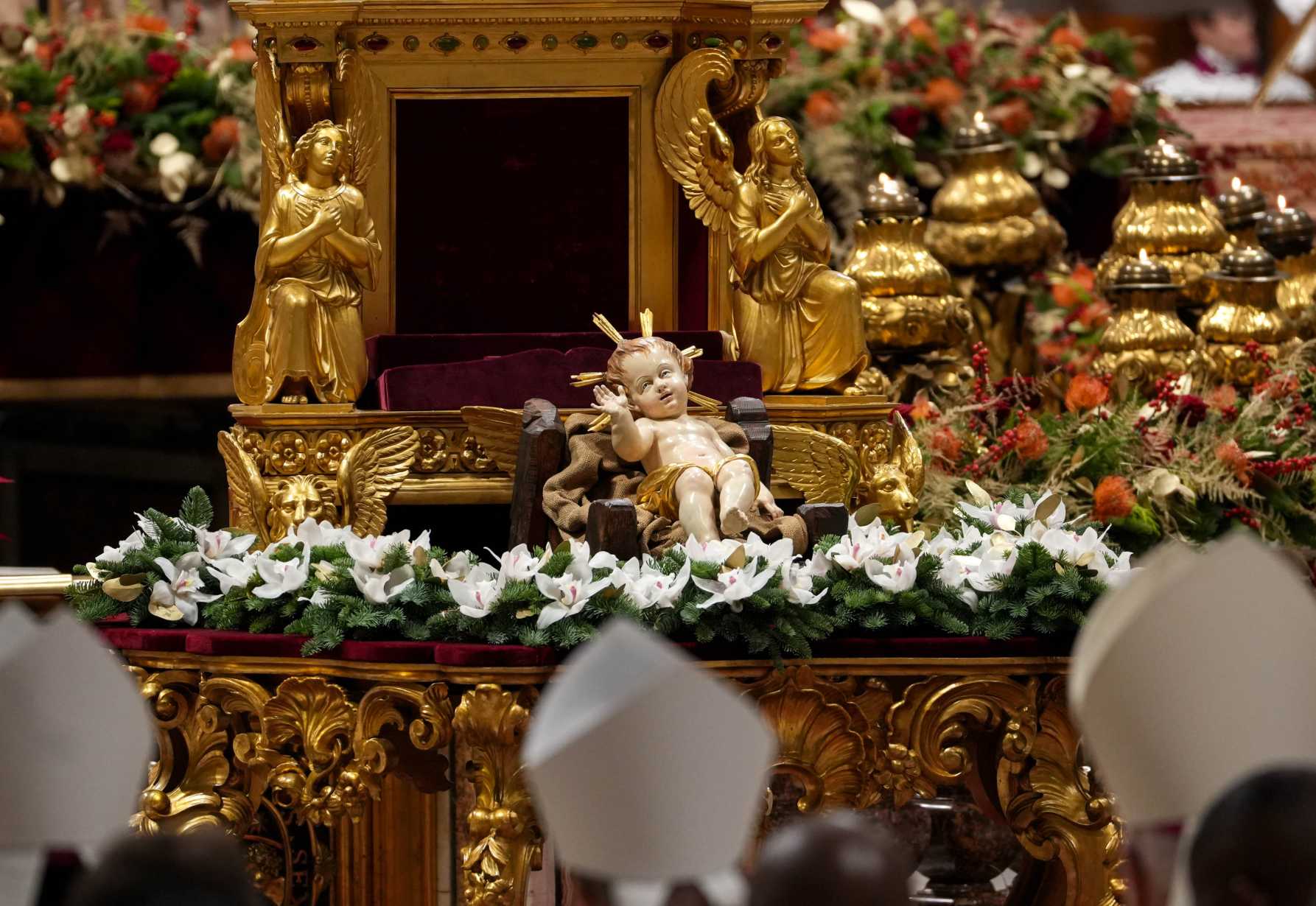
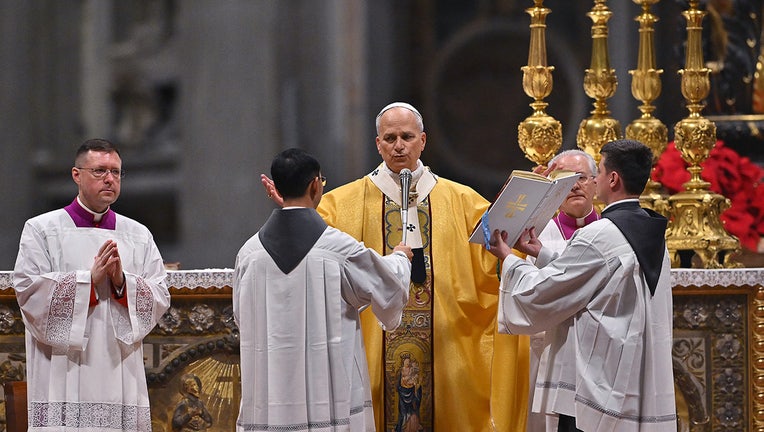
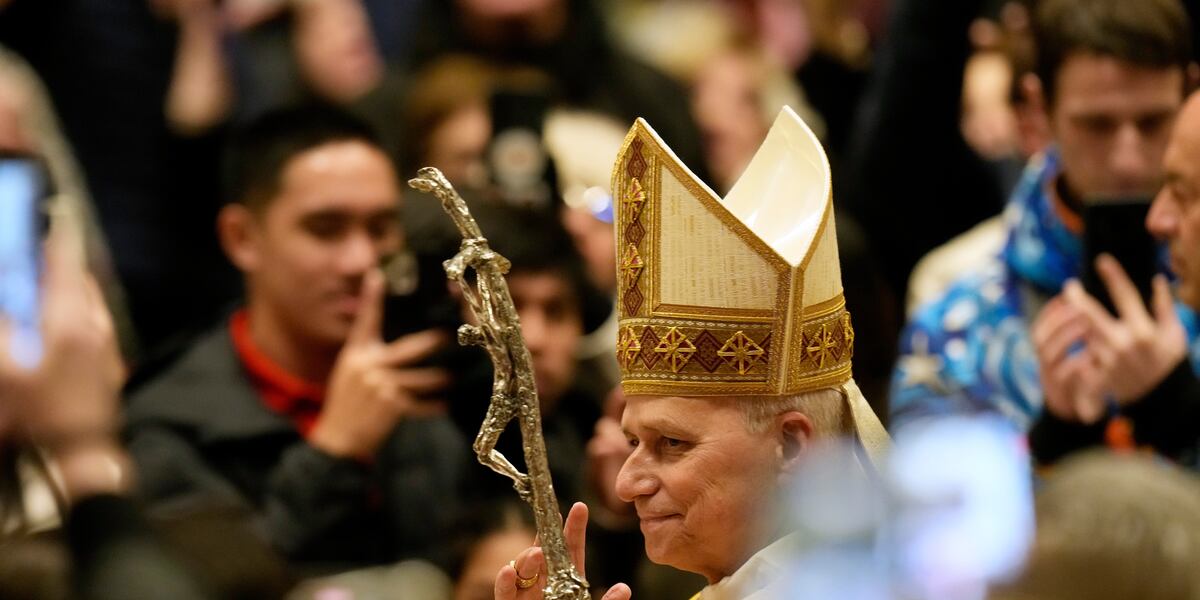
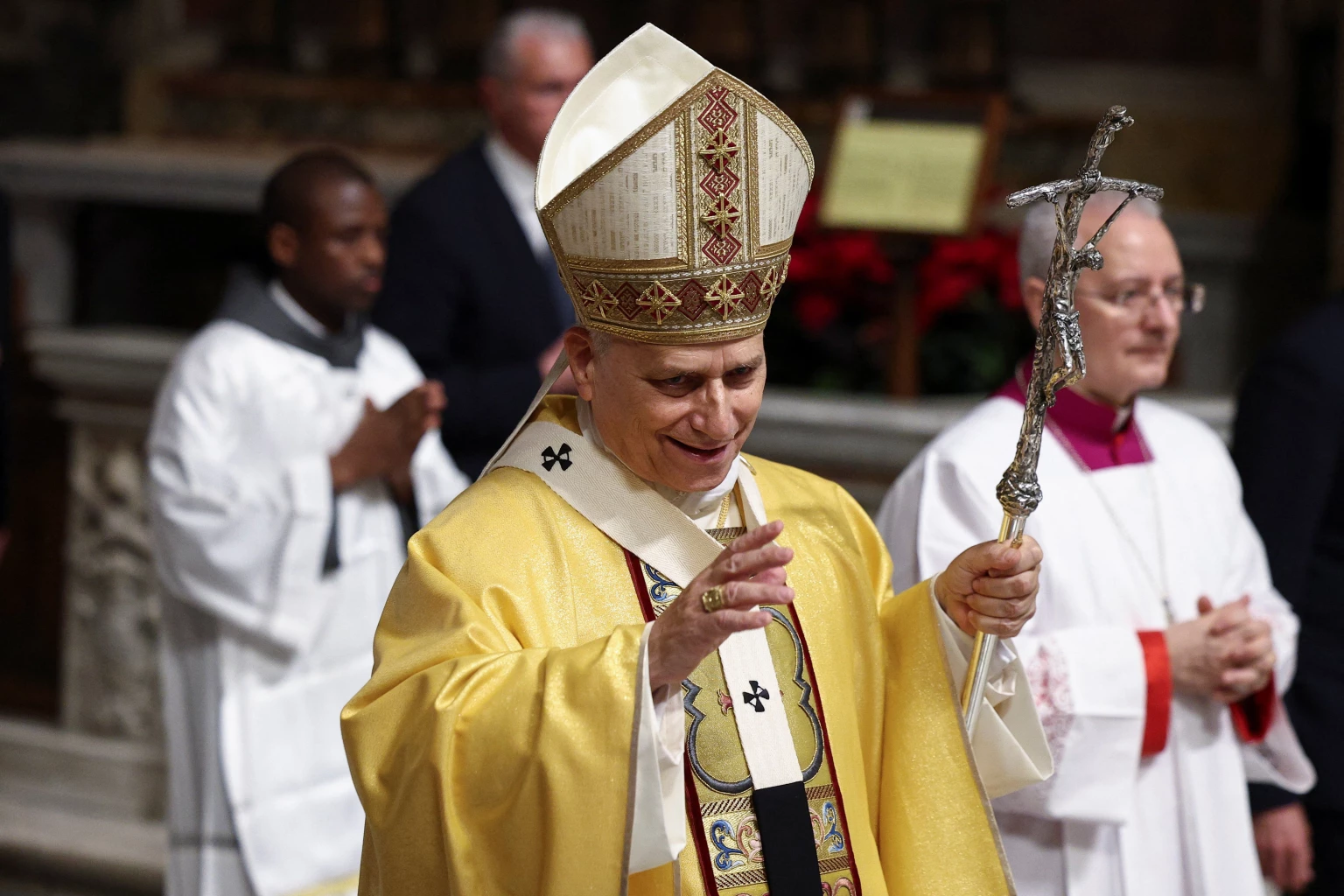
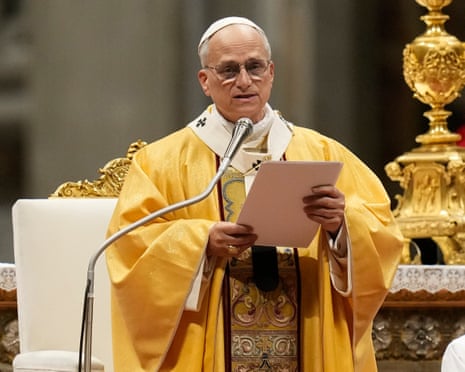
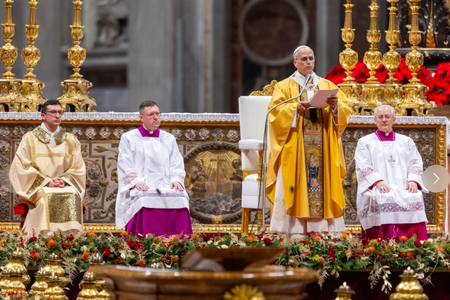
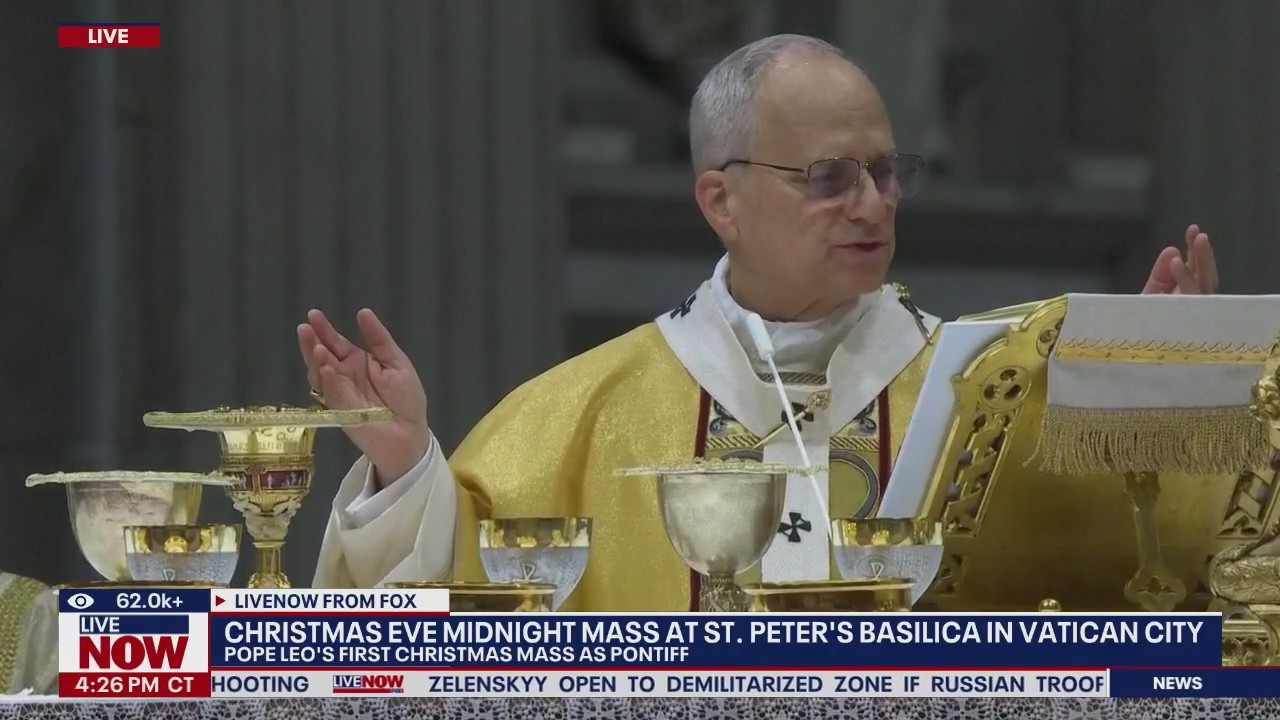
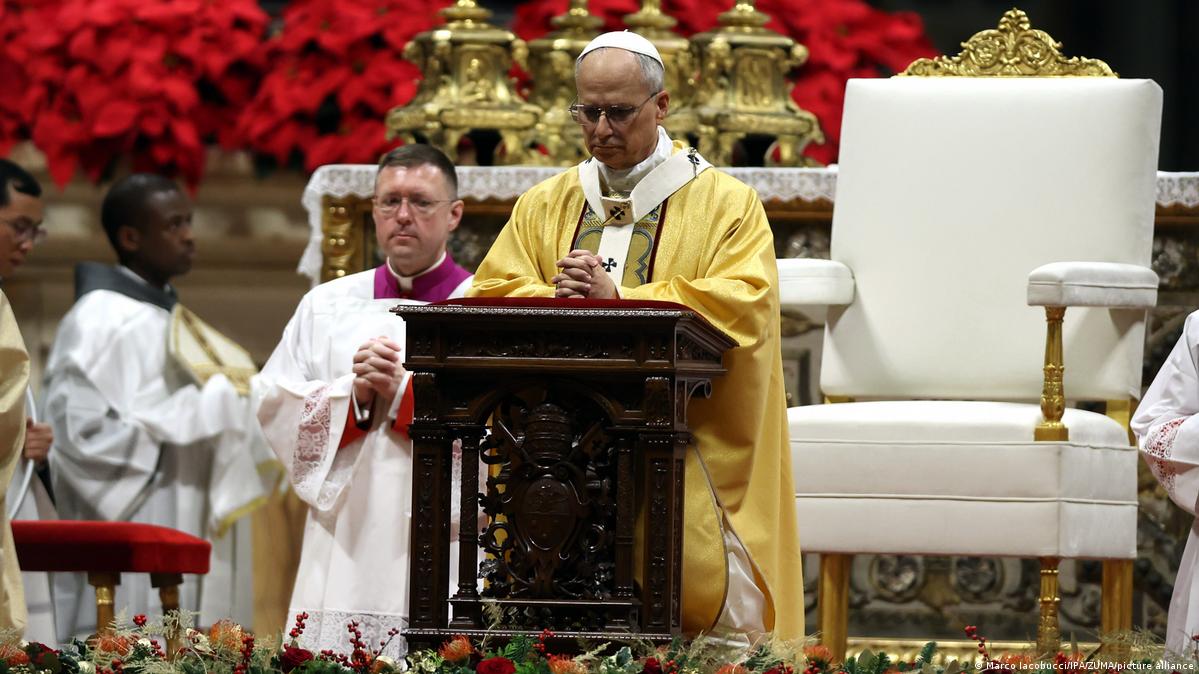
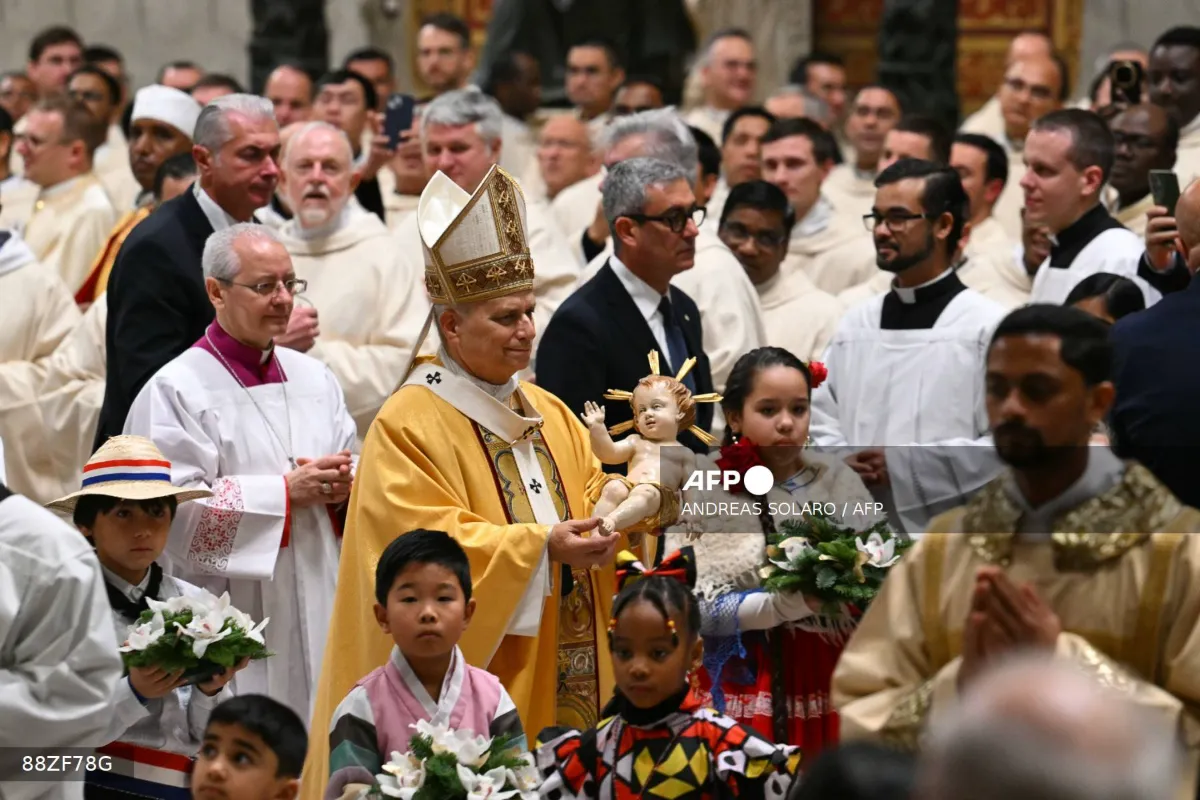
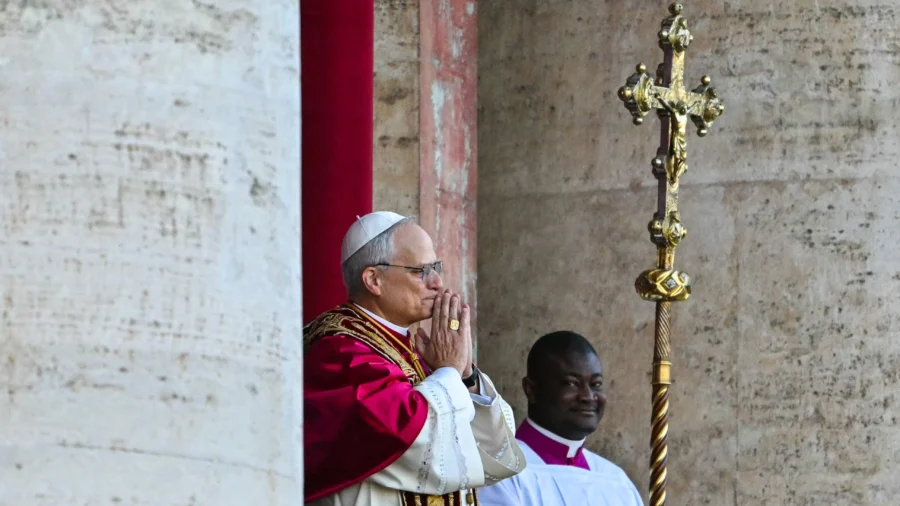
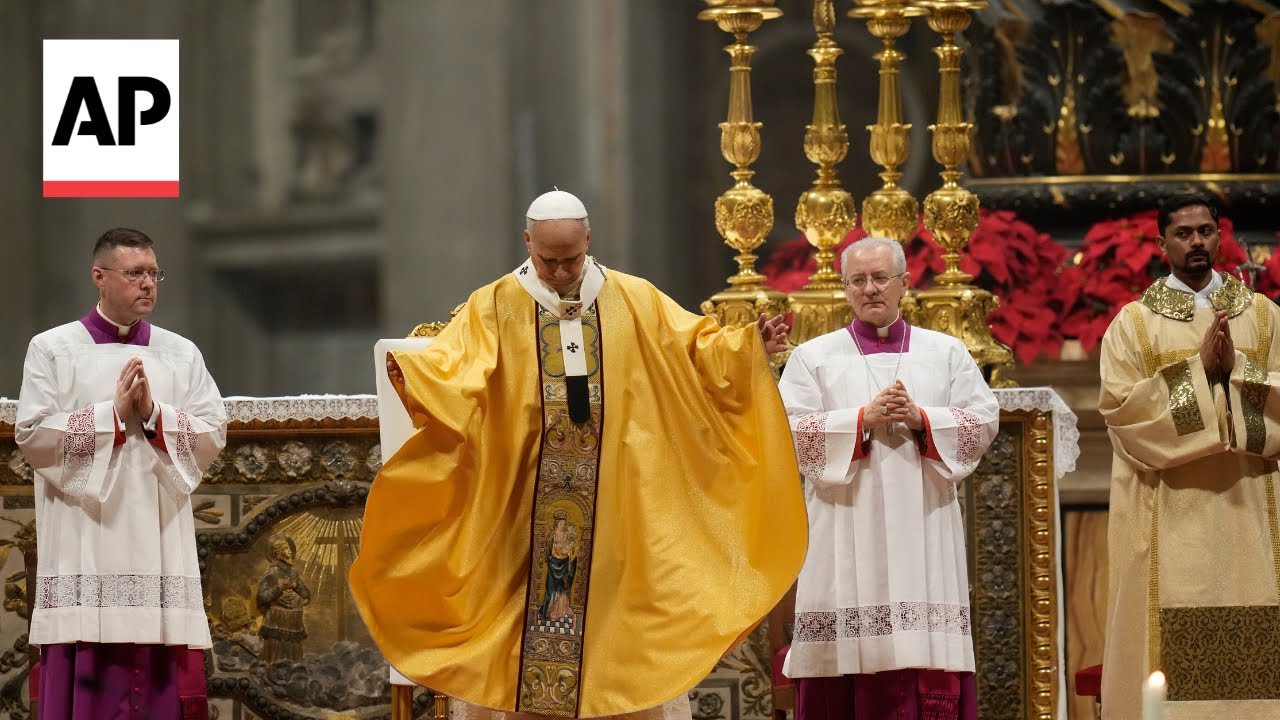
In a pivotal moment of global economic discourse, Pope Leo XIV's Christmas Mass delivered a profound critique that transcends religious rhetoric, challenging fundamental assumptions about economic systems and human dignity. Speaking to approximately 6,000 faithful at St. Peter's Basilica, the pontiff articulated a powerful indictment of contemporary economic practices that reduce human beings to mere merchandise.
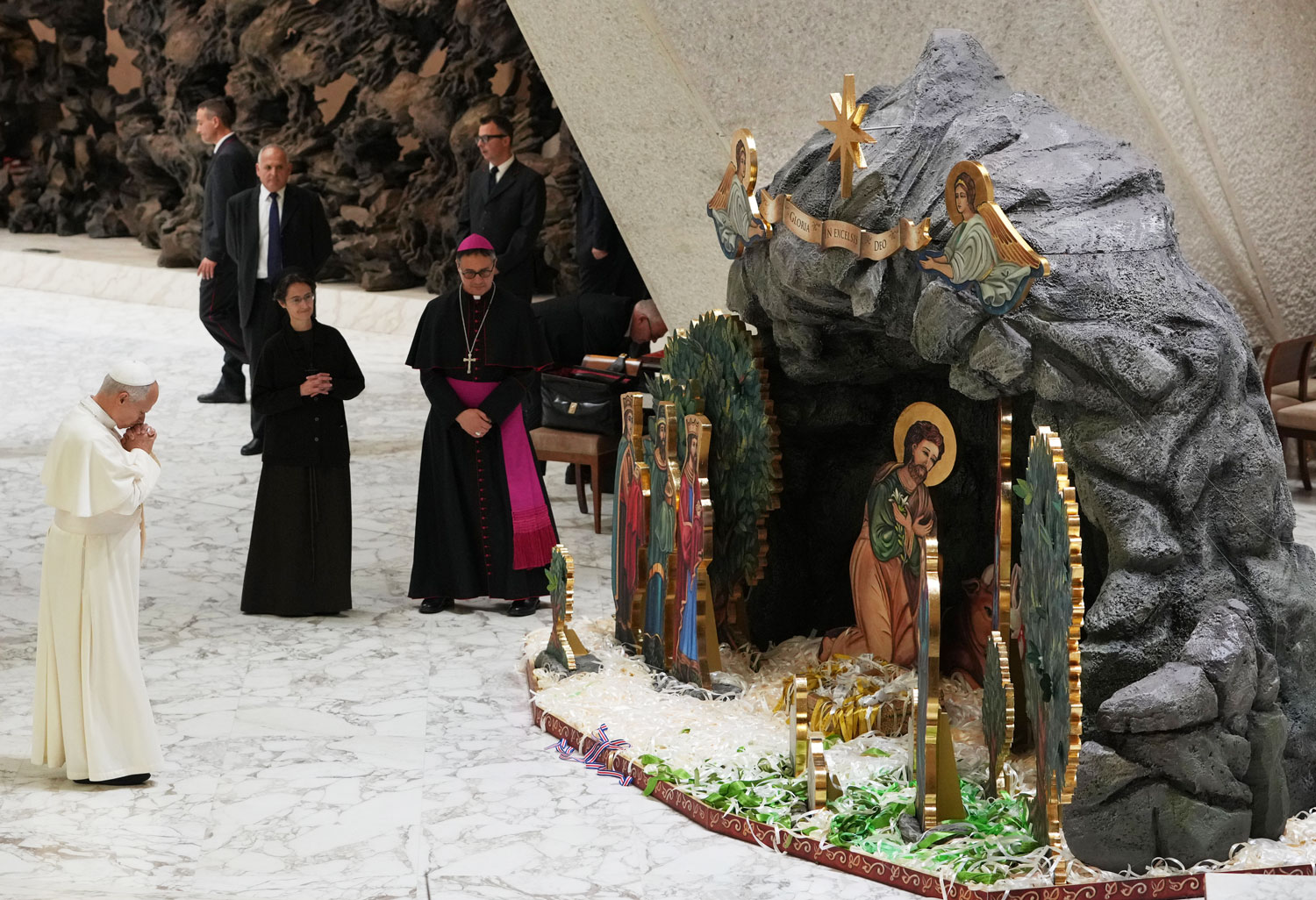
Systemic Dehumanization in Economic Frameworks emerges as the core philosophical challenge. By using the biblical narrative of Jesus's humble birth as a metaphorical lens, Pope Leo XIV exposed the structural inequalities embedded in current economic models. His message suggests that economic systems have become detached from fundamental human values, prioritizing profit over personhood. This critique is particularly resonant in an era of increasing technological automation and global market integration, where human agency is increasingly marginalized.
The pontiff's call for a 24-hour global peace symbolizes more than a diplomatic gesture—it represents a deeper plea for reimagining economic interactions through a lens of shared humanity. By highlighting ongoing conflicts like the Russia-Ukraine war, he connects economic practices directly to broader humanitarian concerns. This approach challenges business leaders and policymakers to view economic strategies not just as financial calculations, but as profound moral ecosystems that shape human experiences.
Ethical Considerations as Competitive Advantage represents the most actionable insight from this discourse. For forward-thinking enterprises, the message signals a strategic imperative: businesses that integrate human dignity into their core operational philosophy will likely gain competitive differentiation. This isn't merely corporate social responsibility, but a fundamental reimagining of value creation that recognizes human potential as the most critical economic resource.
The broader context reveals an emerging global dialogue about economic inequality, where philosophical and economic thinking are converging. Pope Leo XIV's message suggests we are at an inflection point—where economic models must evolve from extractive paradigms to regenerative frameworks that prioritize collective well-being.
Questions 3
Why is this economic critique significant in the current global context?
With increasing technological automation and global market pressures, the Pope's message highlights the risk of reducing humans to transactional units. It calls for a more nuanced economic approach that balances efficiency with fundamental human rights and collective well-being.
How does Pope Leo XIV's message challenge current economic practices?
The Pope critiques economic systems that treat humans as commodities, arguing that current models prioritize profit over human dignity. He calls for a more holistic approach that recognizes the intrinsic value of individuals beyond their economic productivity.