


Humanitarian Crossroads: Gaza's Rafah Crossing Reopens Amid Complex Diplomatic Negotiations
- Delicate Ceasefire Dynamics Reshape Regional Humanitarian Access and Geopolitical Tensions
































Overview
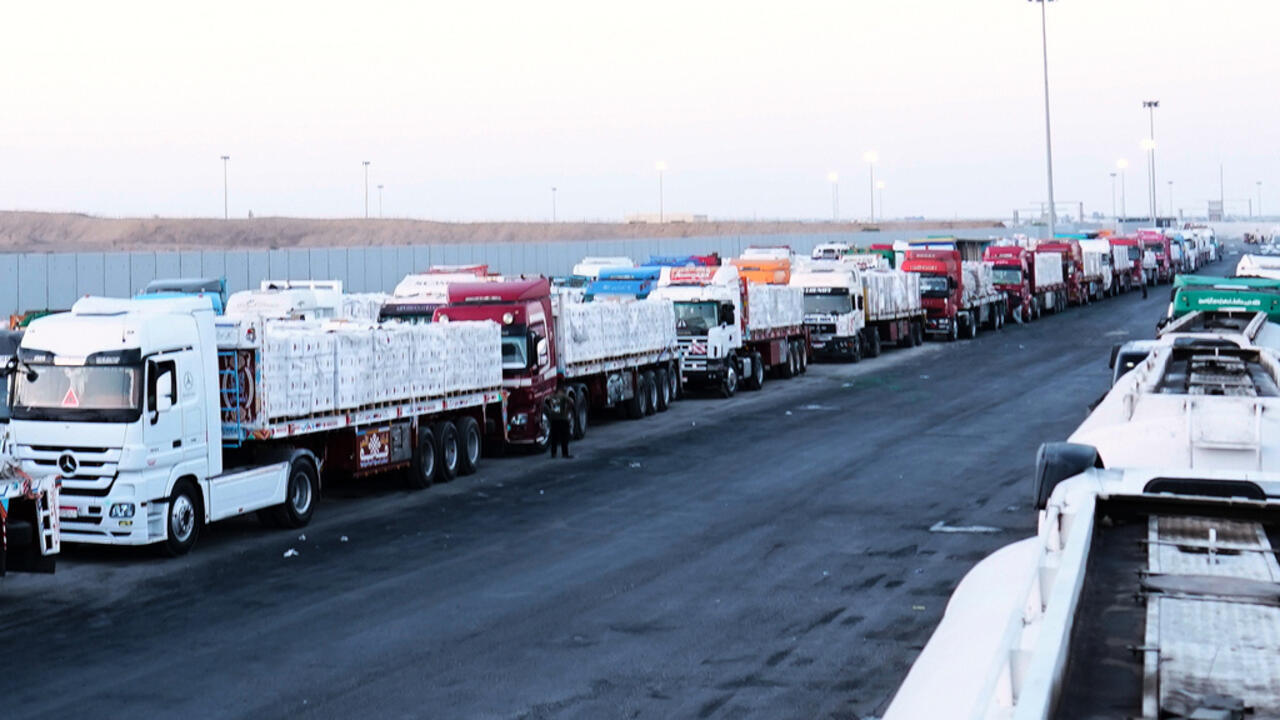
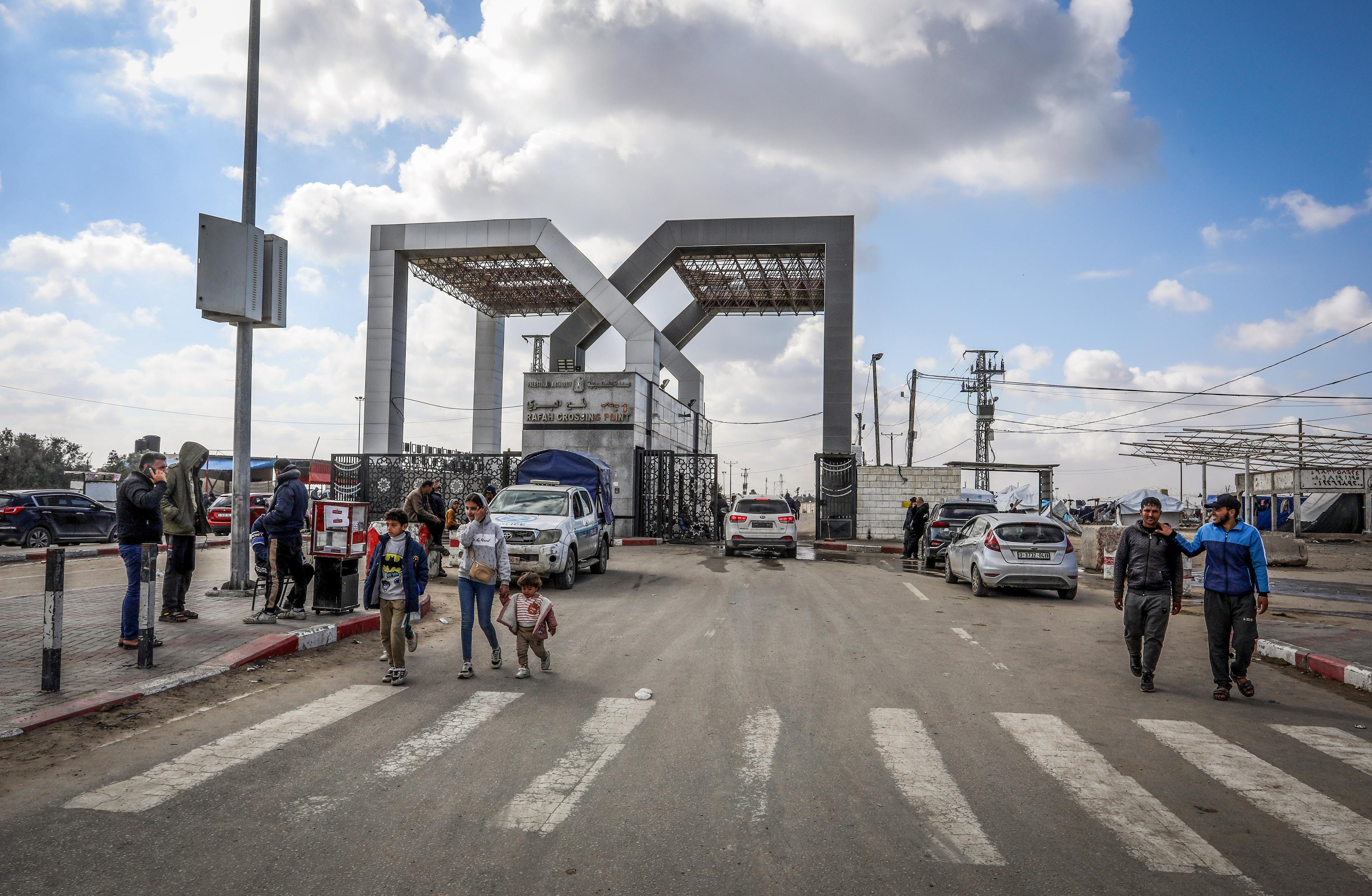
The potential reopening of the Rafah crossing represents a critical inflection point in the ongoing Israel-Hamas conflict, signaling a nuanced diplomatic breakthrough with far-reaching humanitarian implications. At the core of this development lies a U.S.-brokered ceasefire plan that could potentially alleviate the severe medical crisis in Gaza, where approximately 16,500 patients are awaiting critical medical treatment outside the enclave.
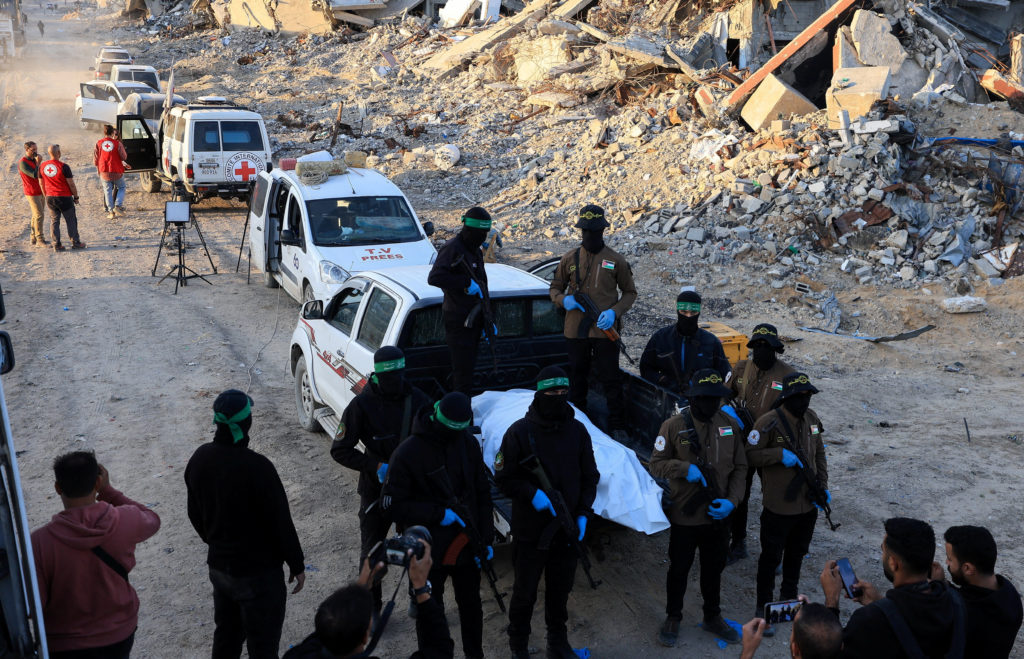
Strategic Humanitarian Negotiation Dynamics emerge as the most significant insight from these developments. The crossing's reopening is intricately contingent on complex diplomatic conditions, including Hamas's compliance with hostage return agreements and the recovery of deceased hostages. This reveals a multilayered negotiation strategy where humanitarian access becomes a strategic lever for broader conflict resolution.
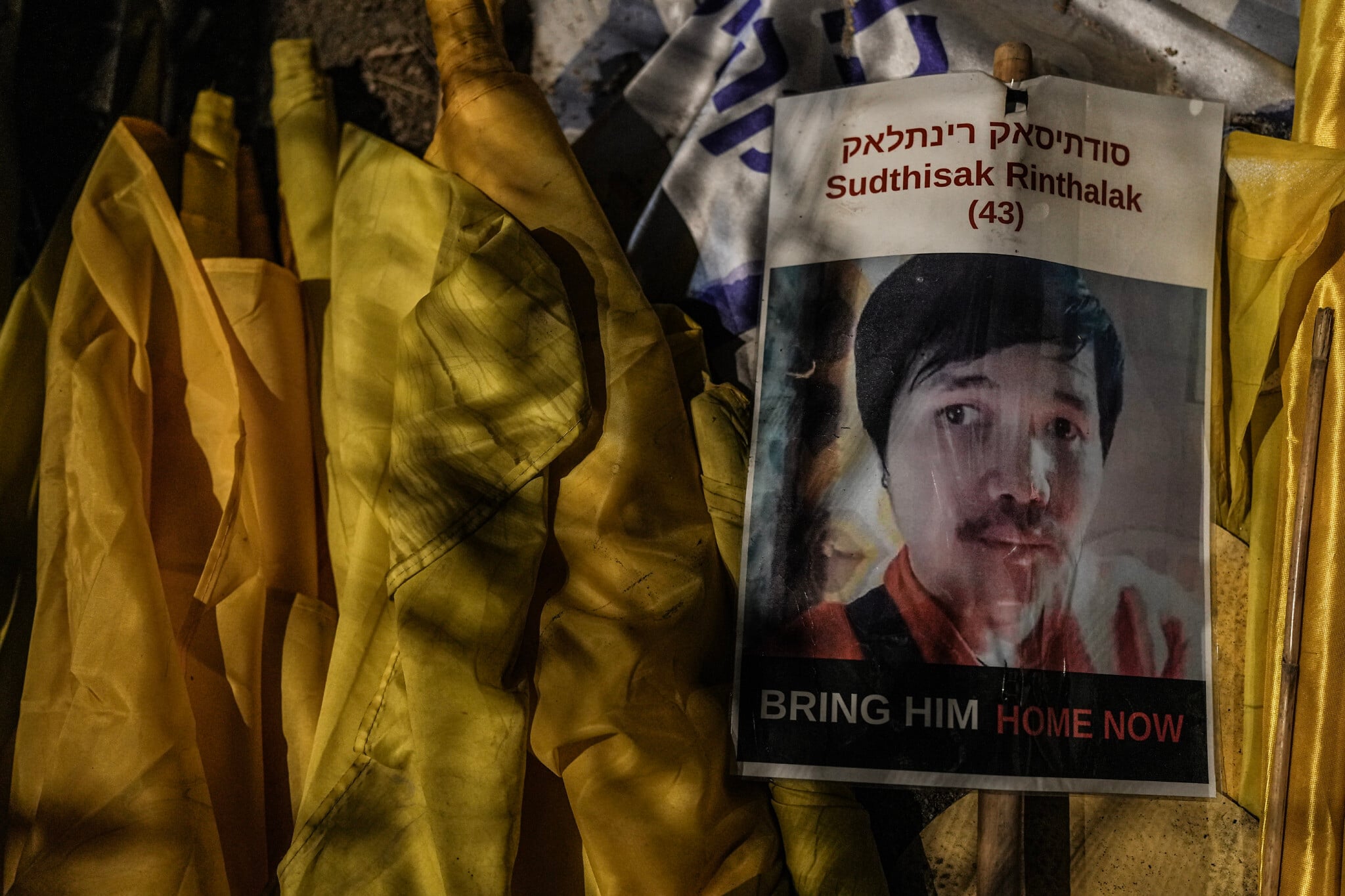
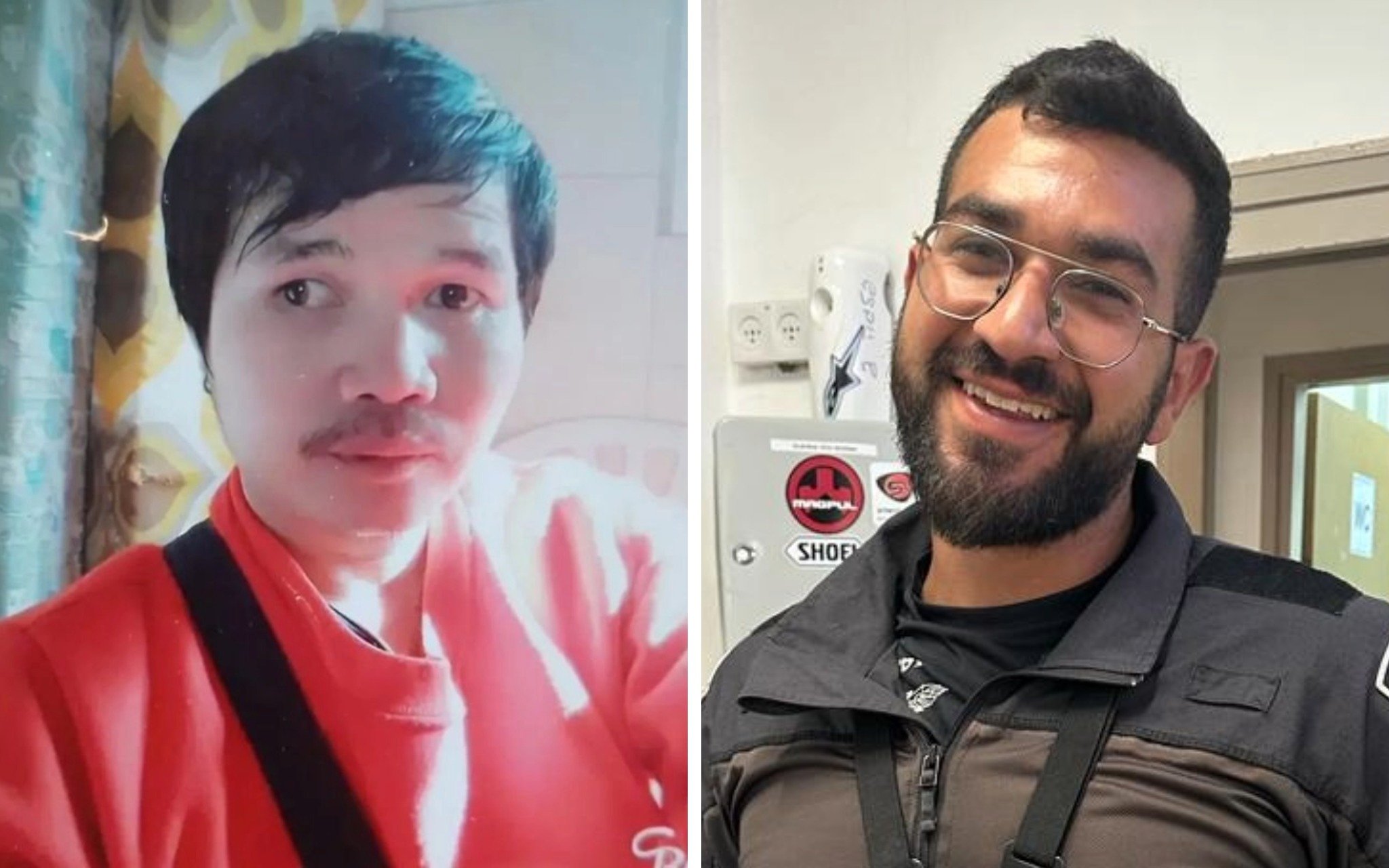
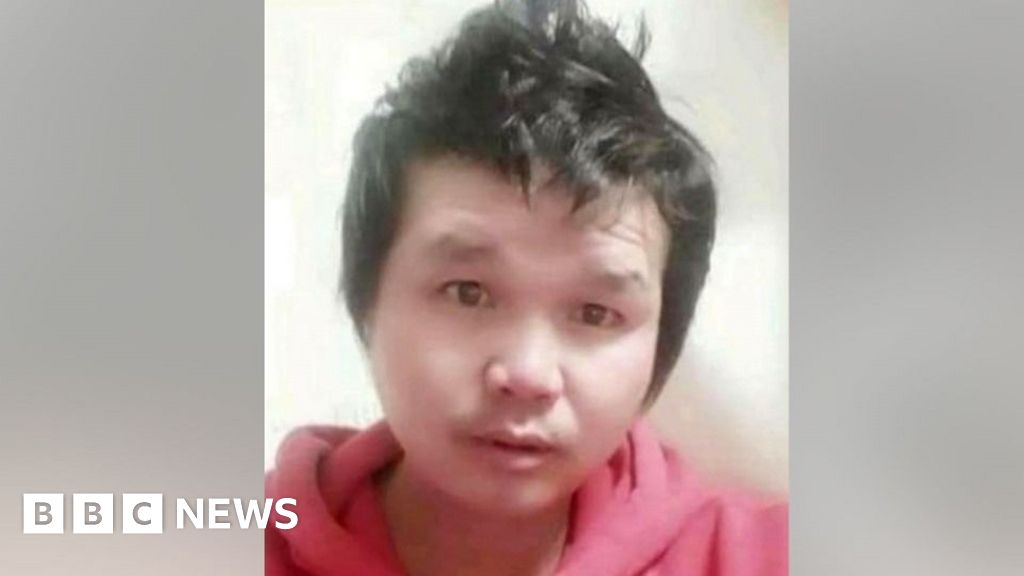
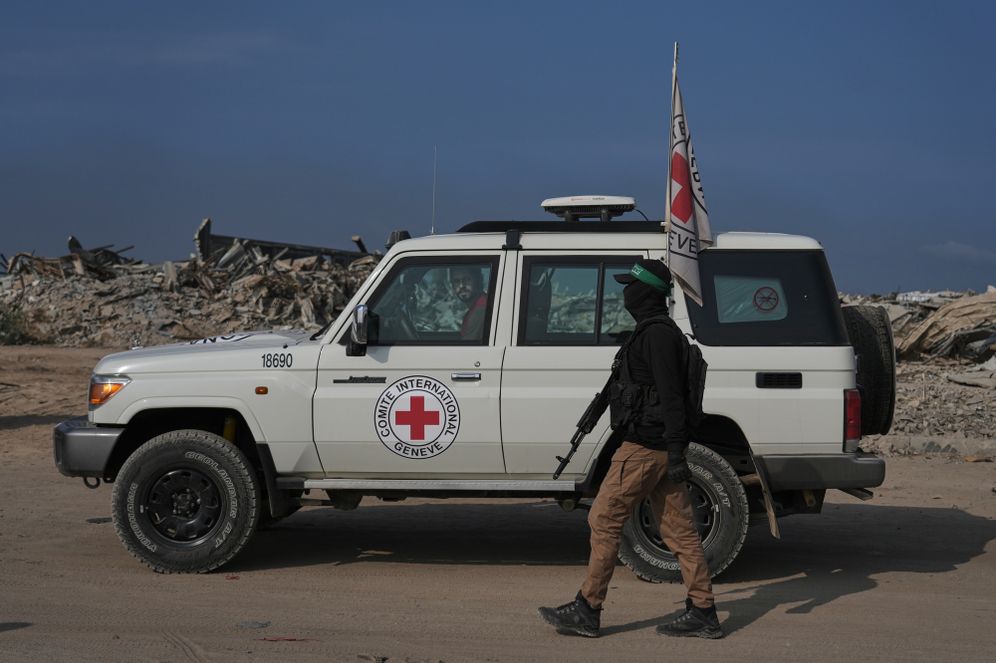
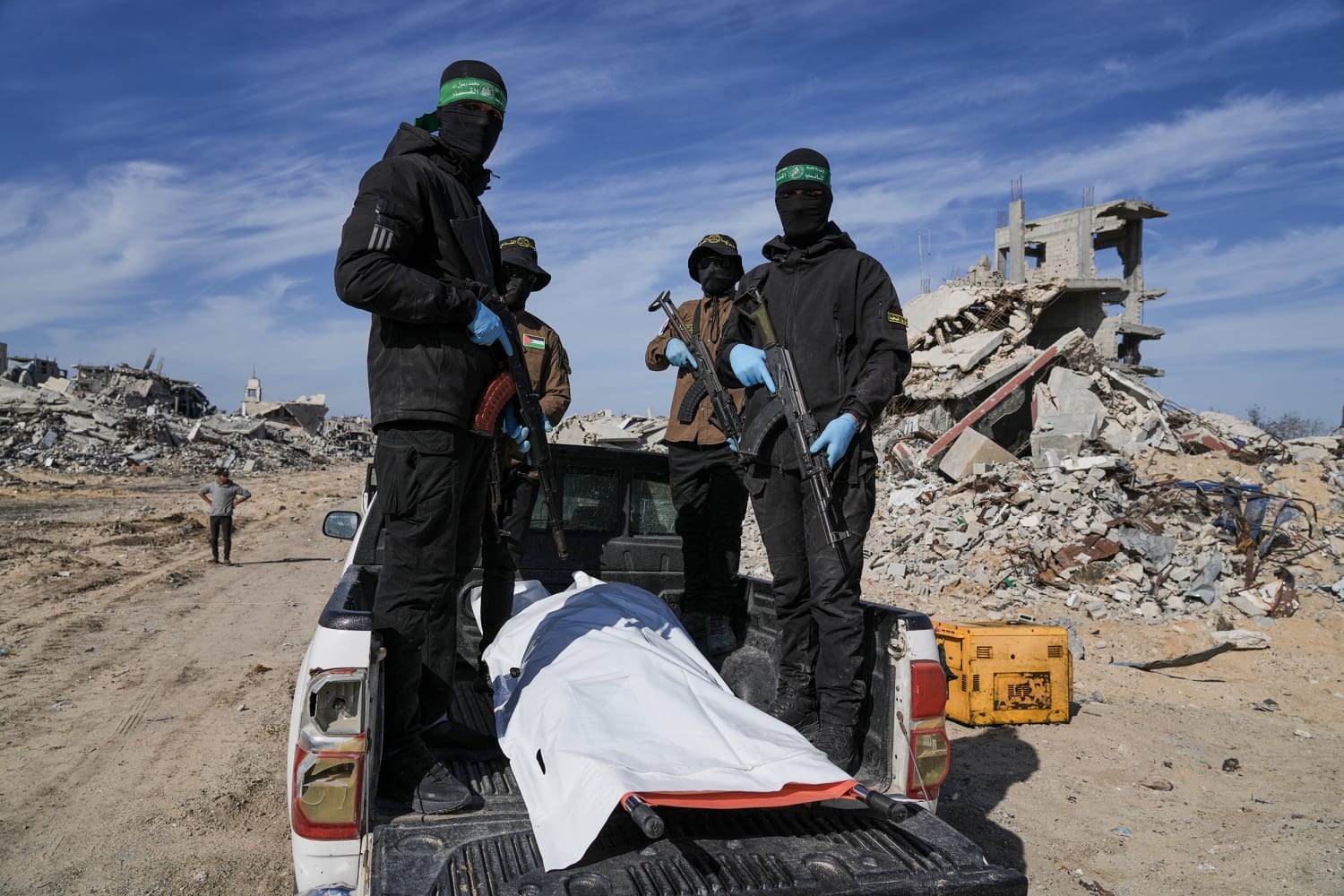
The return of a Thai hostage's body further underscores the intricate humanitarian negotiations occurring beneath the surface of the conflict. These seemingly discrete events—the potential crossing reopening and the hostage return—demonstrate the granular diplomatic maneuvering required to create even minimal humanitarian corridors. The U.S.-brokered plan represents a delicate balancing act, attempting to create humanitarian space while maintaining strategic pressure on conflicting parties.
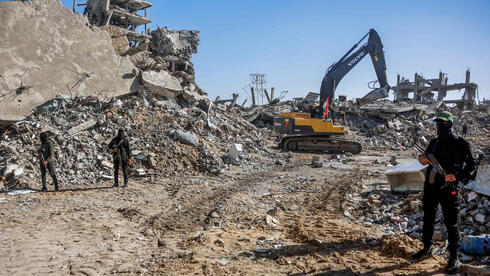
Major obstacles remain substantial, including requirements for Hamas disarmament, Israel's potential withdrawal from Gaza, and establishing robust international security arrangements. These preconditions suggest that while the Rafah crossing's potential reopening is promising, it represents merely a preliminary step in a complex, long-term conflict resolution process.
The strategic significance lies not just in the immediate humanitarian relief but in the potential for these small diplomatic openings to create broader dialogue mechanisms. By focusing on concrete, human-centric outcomes like medical access and hostage returns, diplomatic actors are attempting to construct incremental pathways toward de-escalation.
Questions 3
What are the key conditions for reopening the Rafah crossing?
The crossing's reopening depends on Hamas's compliance with hostage return agreements, recovering deceased hostages, and meeting U.S.-brokered ceasefire plan conditions. Approximately 16,500 medical patients are waiting, making humanitarian access a critical negotiation point.
How significant is the potential Rafah crossing reopening?
It represents a crucial diplomatic breakthrough, potentially creating the first humanitarian corridor in months. The crossing could provide medical access for thousands of patients and signal a preliminary step toward broader conflict de-escalation.