





Cybersecurity and Tech Evolution: Navigating the Shifting Landscape of Mobile Security and Feature Dynamics
- Emerging challenges in mobile technology reveal critical intersections between security, innovation, and user experience




















%20(1).webp)











%20(1).webp)



















Overview
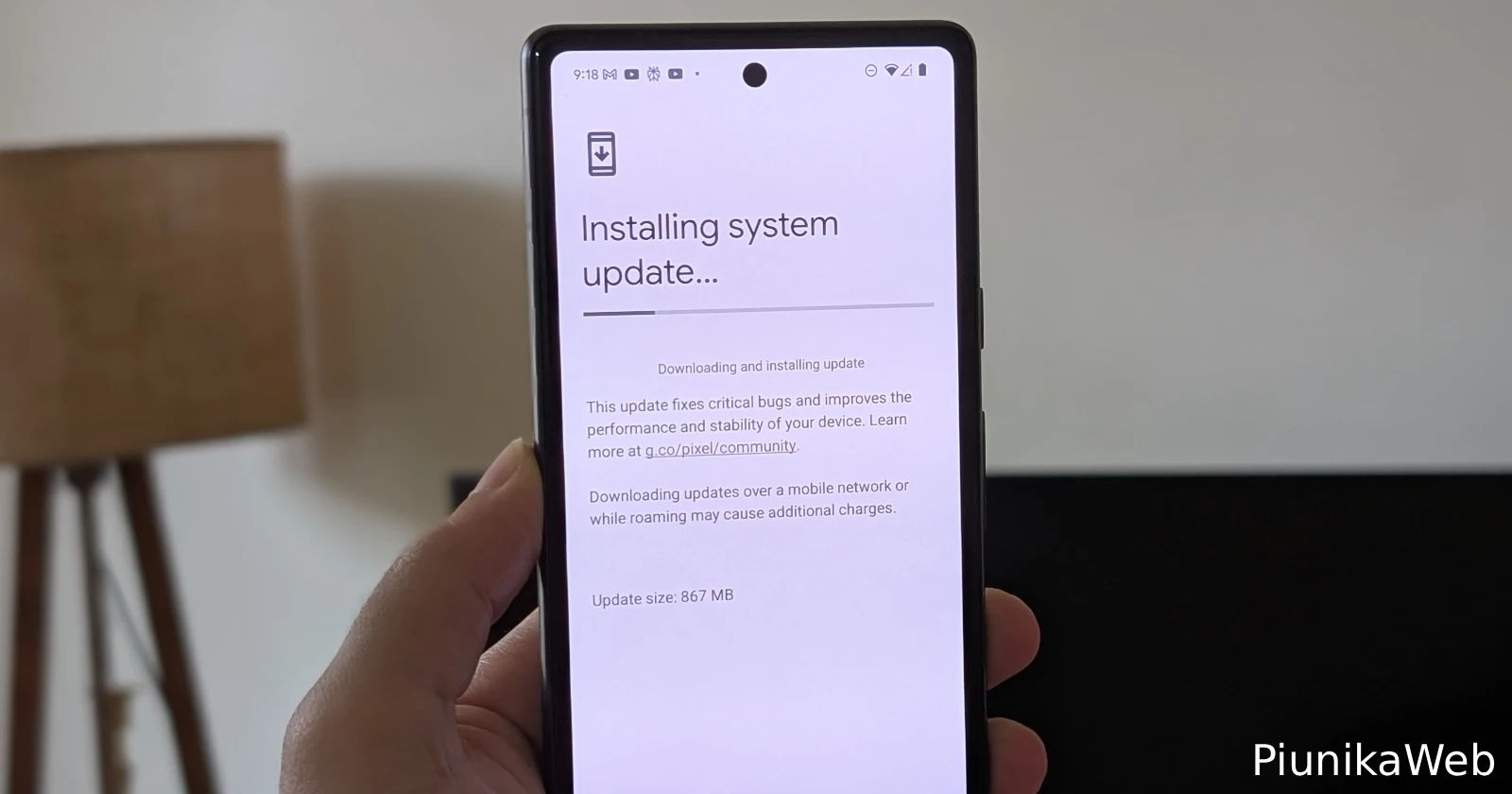
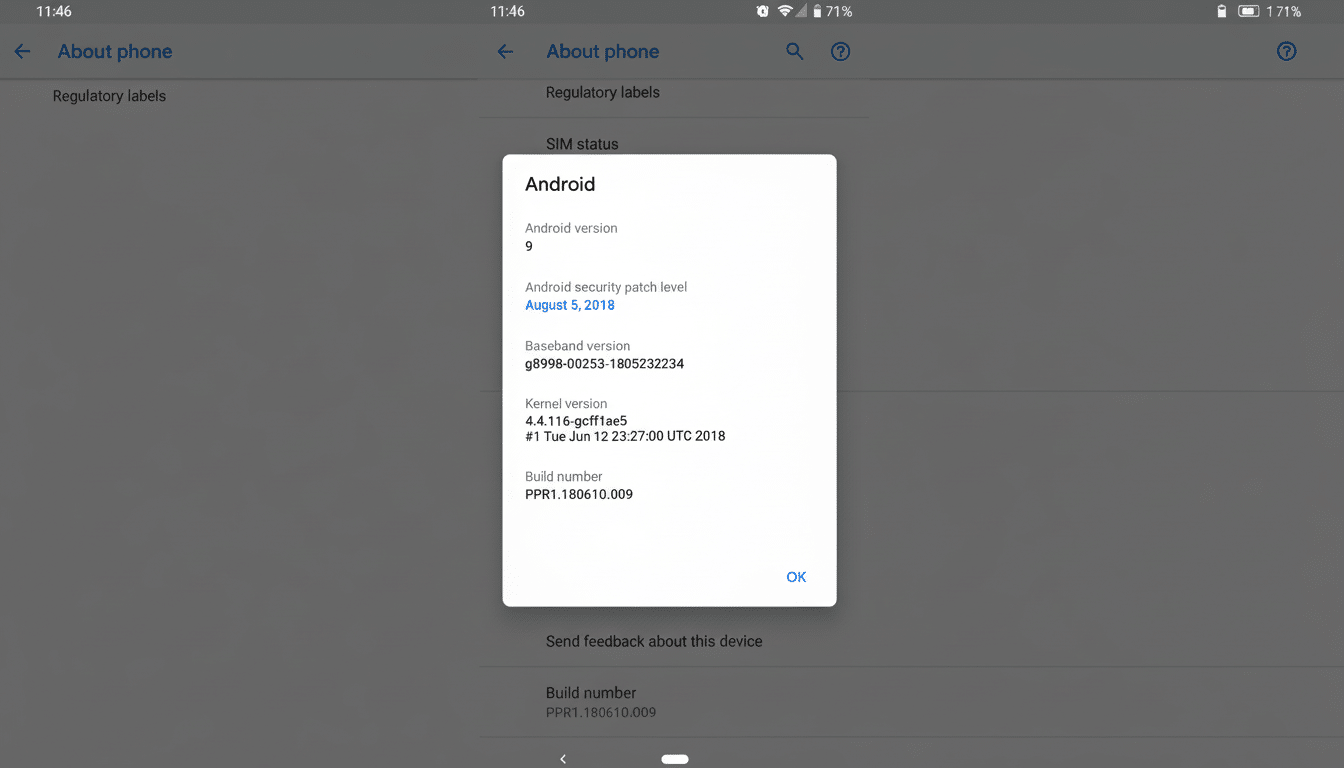
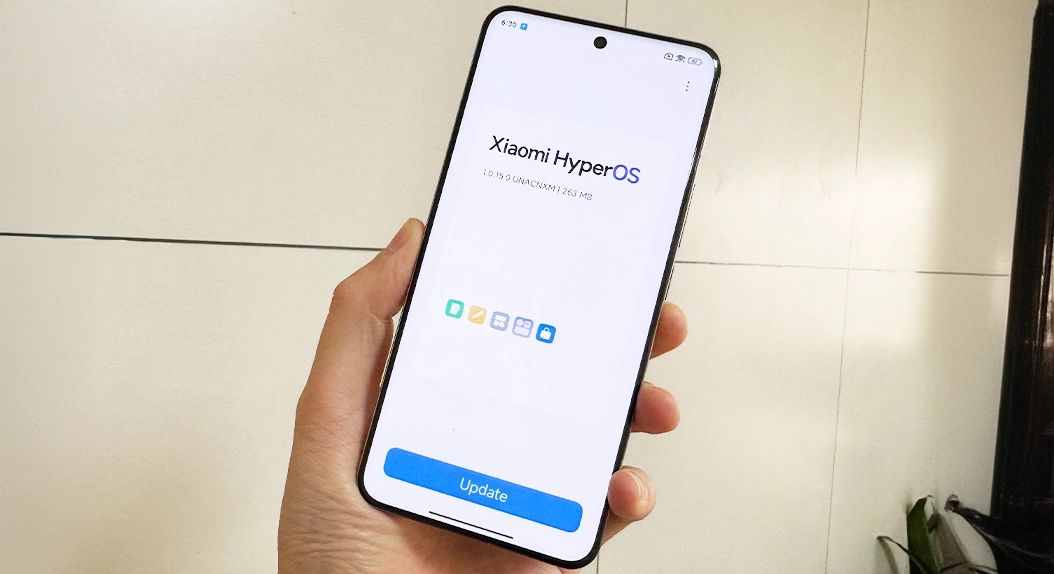
The technology ecosystem is experiencing a critical inflection point where cybersecurity vulnerabilities and product feature strategies are converging to reshape user expectations and industry dynamics. Google's recent security update, which patches 107 Android vulnerabilities, underscores the escalating complexity of mobile platform security. Two high-severity flaws (CVE-2025-48633 and CVE-2025-48572) highlight the persistent challenge of protecting users from potential information breaches and arbitrary code execution risks.
Technological Vulnerability Landscape: The Android security update reveals a profound reality - modern mobile platforms are increasingly complex battlegrounds where cybersecurity resilience is continuously tested. With 107 vulnerabilities identified, the mobile ecosystem demonstrates both its technological sophistication and inherent fragility. The two actively exploited flaws specifically targeting the Android application framework layer represent more than technical glitches; they symbolize the ongoing cat-and-mouse game between security researchers and potential threat actors.
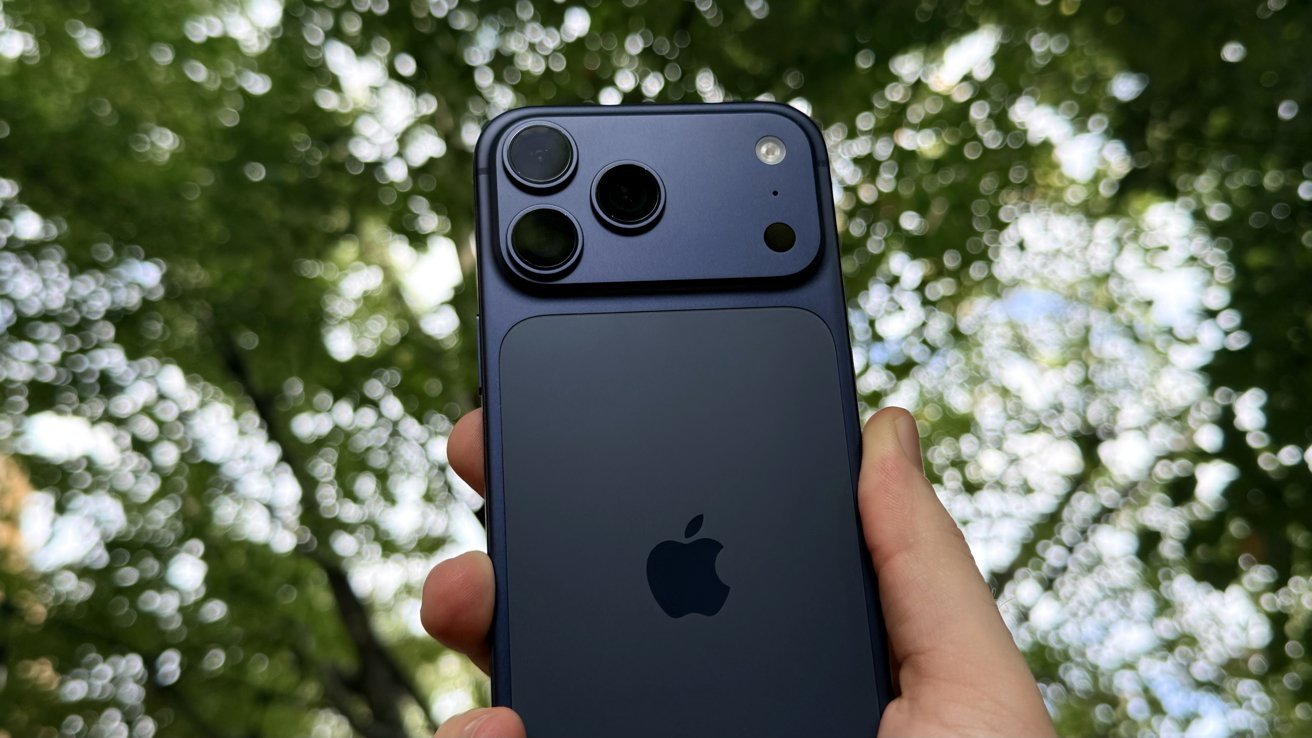
Feature Evolution and Strategic Signaling: Simultaneously, Apple's deliberate removal of Night mode in Portrait mode for the iPhone 17 Pro signals a nuanced approach to product feature management. This seemingly minor change across multiple iPhone Pro models suggests deeper strategic considerations. Whether driven by technical limitations, design philosophy, or future roadmap planning, such decisions reveal how major tech platforms continuously recalibrate user experiences, often without explicit explanation.
The interconnected narrative emerging from these developments points to a critical insight: technology platforms are engaged in constant optimization, balancing security imperatives, feature refinement, and user expectations. For stakeholders across the digital ecosystem, this means adopting a proactive, adaptive approach. Security is no longer a one-time implementation but a dynamic, ongoing process of identification, mitigation, and strategic anticipation.
Strategic recommendations crystallize around three key priorities: continuous security monitoring, agile feature development, and transparent user communication. Organizations must view technological evolution not as a series of discrete events, but as an interconnected, rapidly changing landscape demanding perpetual vigilance and strategic flexibility.
Questions 3
How should organizations approach mobile platform security?
Organizations must adopt a proactive, adaptive approach that includes continuous security monitoring, agile feature development, and transparent user communication. Security is now a dynamic, ongoing process of identification, mitigation, and strategic anticipation.
What makes the recent Android security update significant?
Google's patch of 107 vulnerabilities, including two actively exploited flaws, demonstrates the complex and dynamic nature of mobile cybersecurity. The update reveals ongoing challenges in protecting mobile platforms from potential information breaches and arbitrary code execution risks.