




Valve's Cross-Platform Revolution Reshapes Gaming Hardware Compatibility
- Emerging software layers unlock unprecedented multi-architecture gaming experiences














































Overview
Valve is pioneering a transformative approach to gaming platform compatibility, leveraging sophisticated software emulation technologies that promise to dissolve traditional hardware boundaries. By developing tools like FEX, Proton, and Lepton, the company is creating a radical new paradigm where games can seamlessly run across diverse processor architectures without requiring developers to rebuild entire codebases.
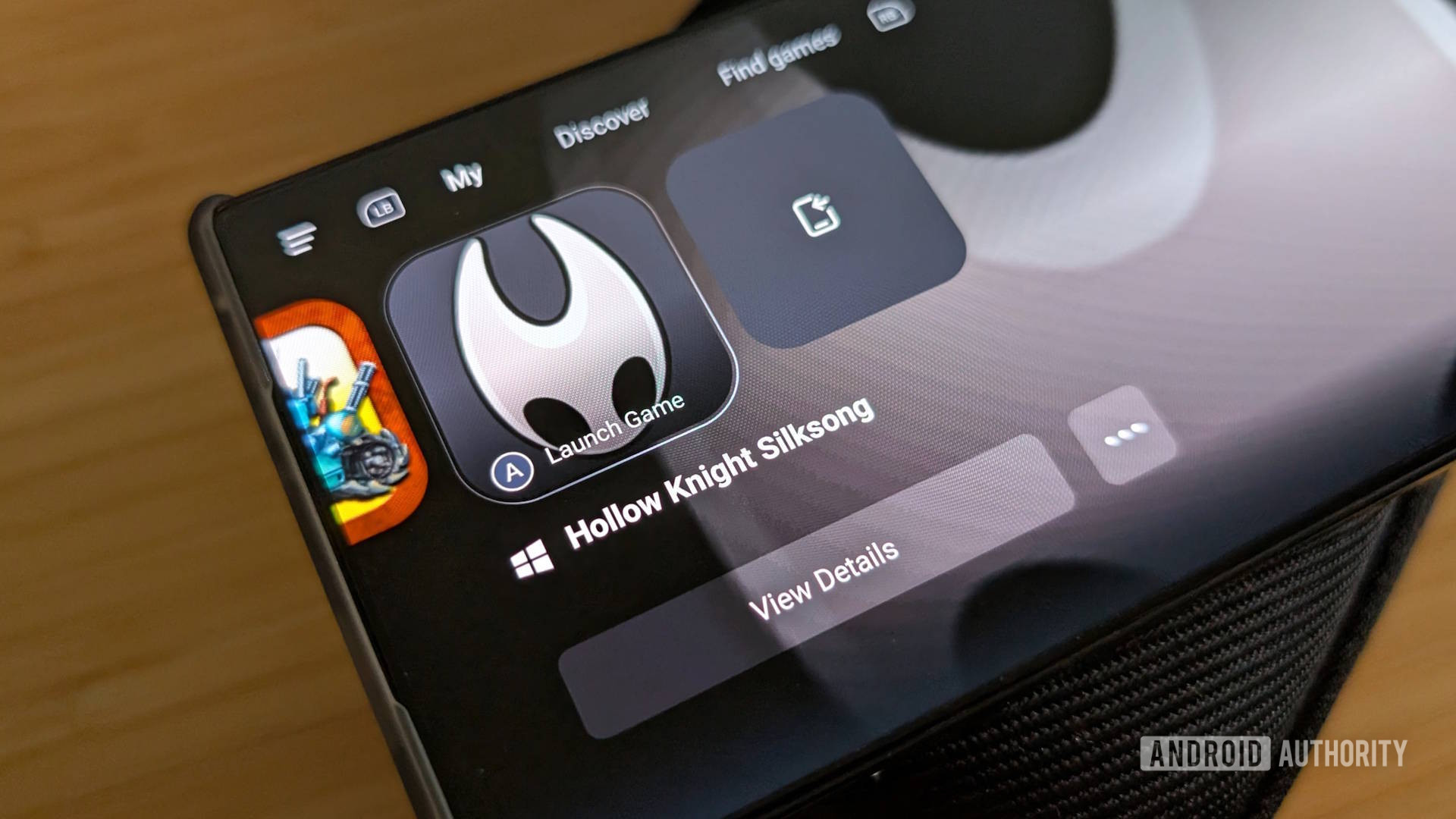
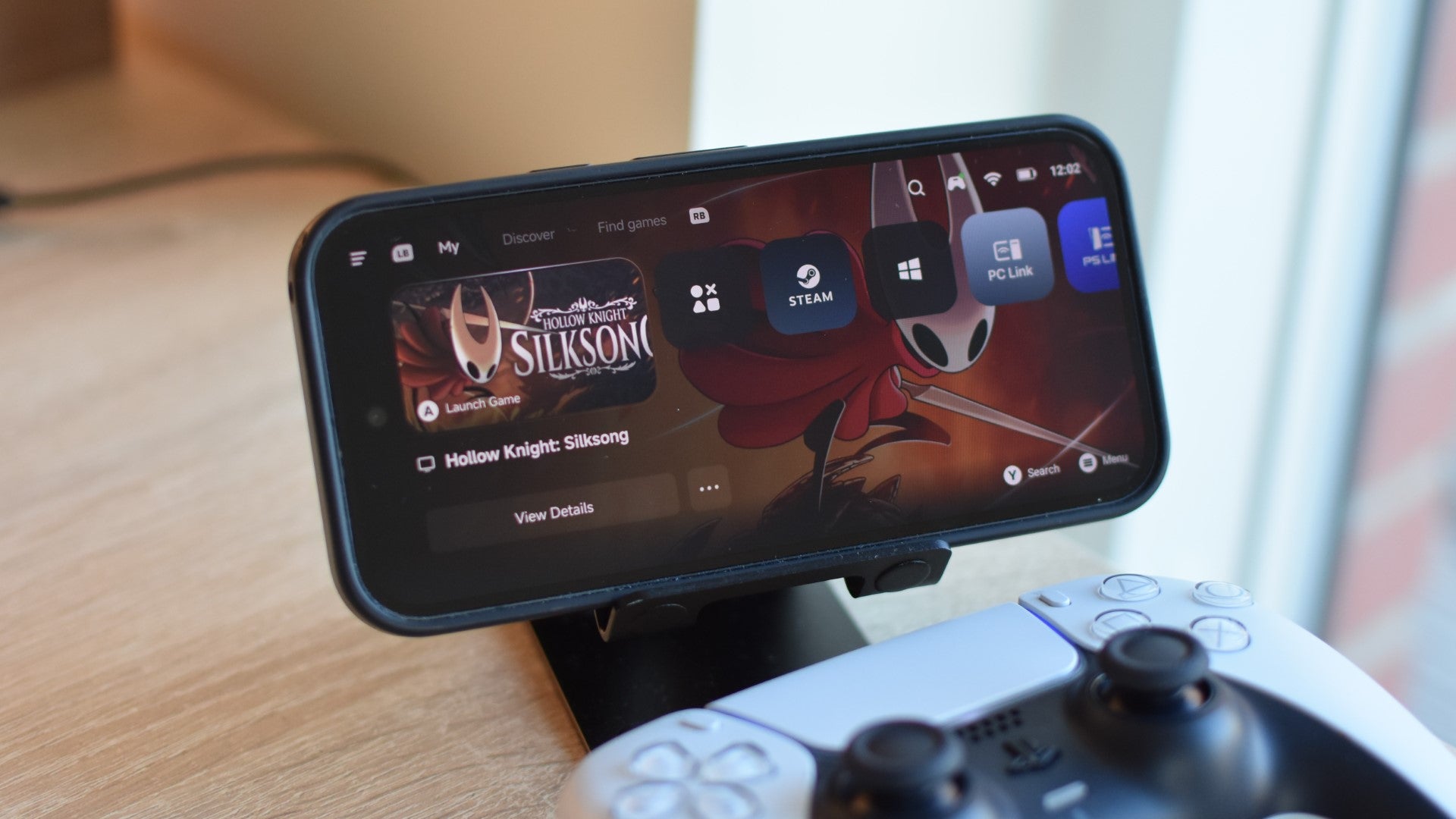
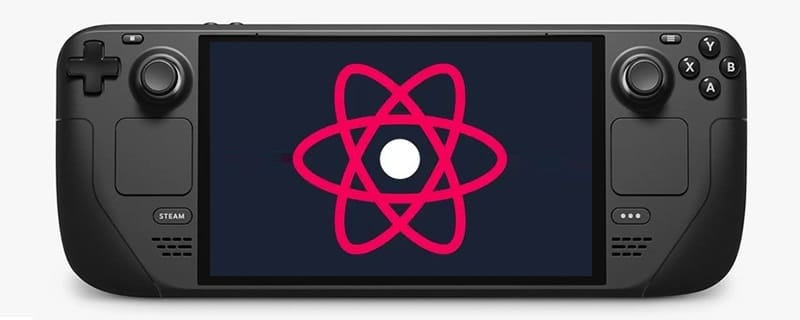
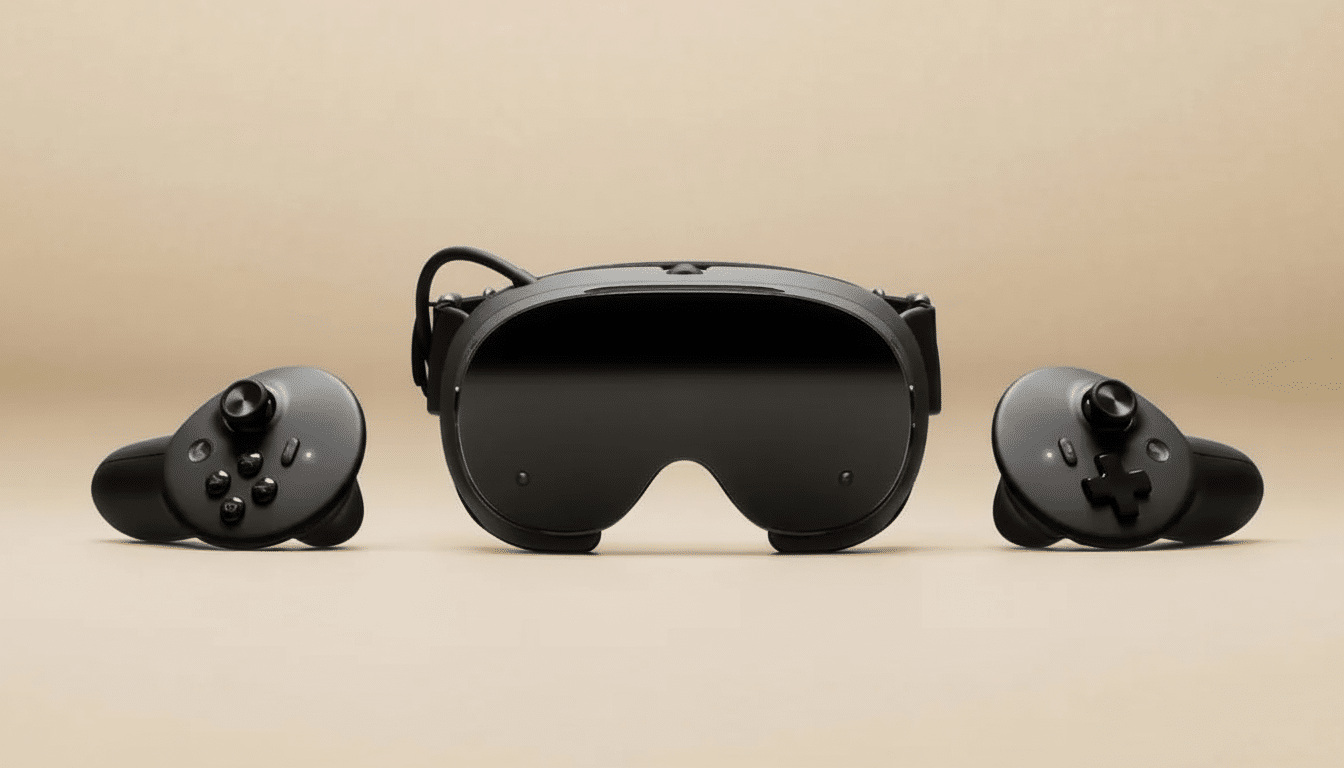
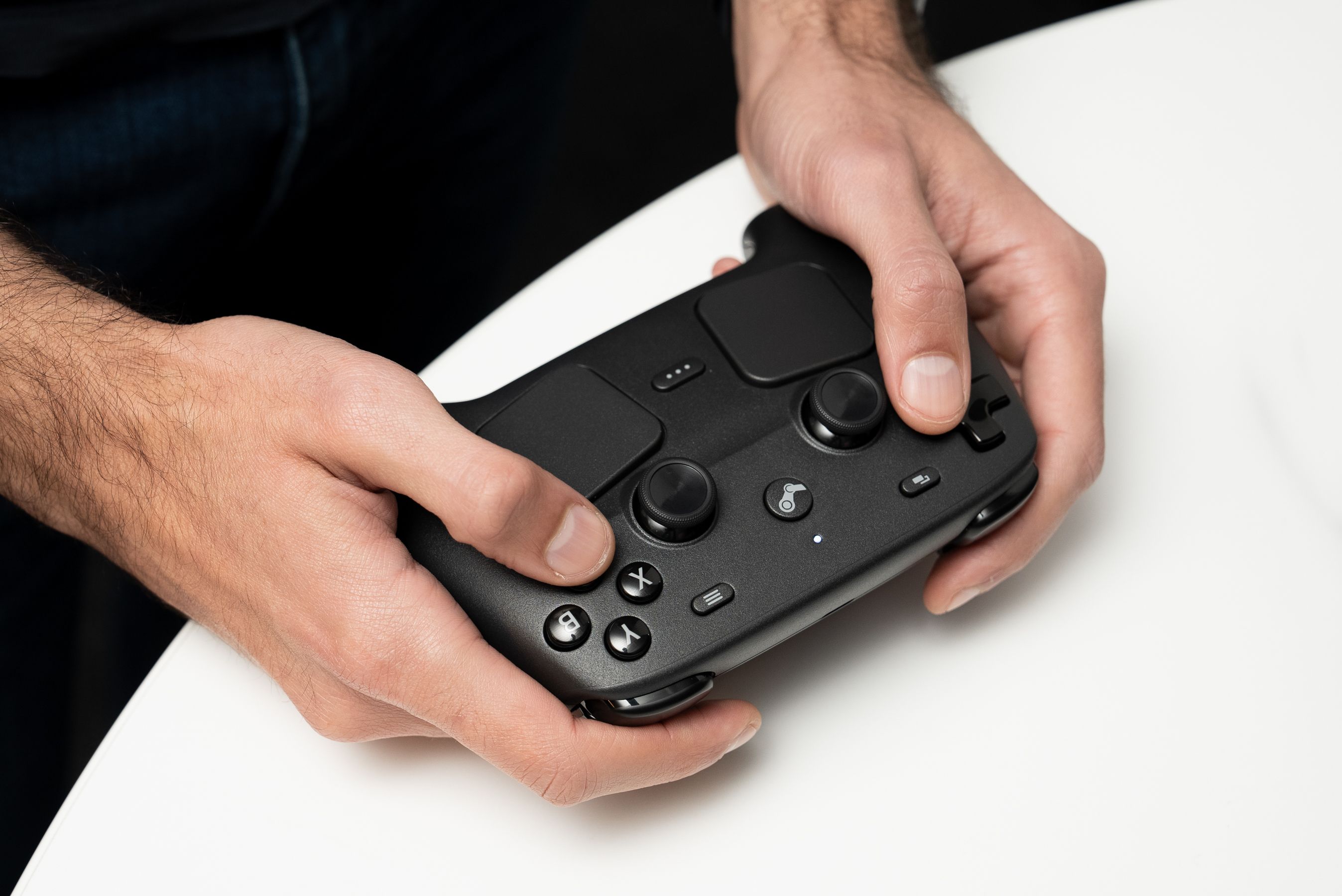
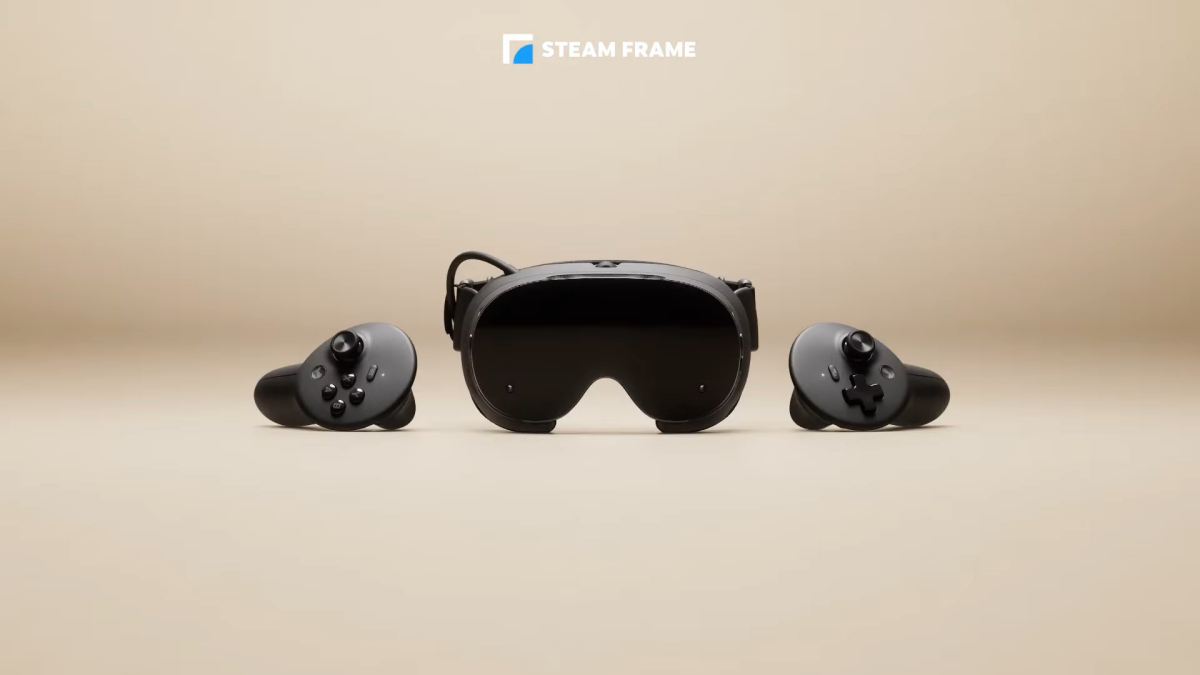
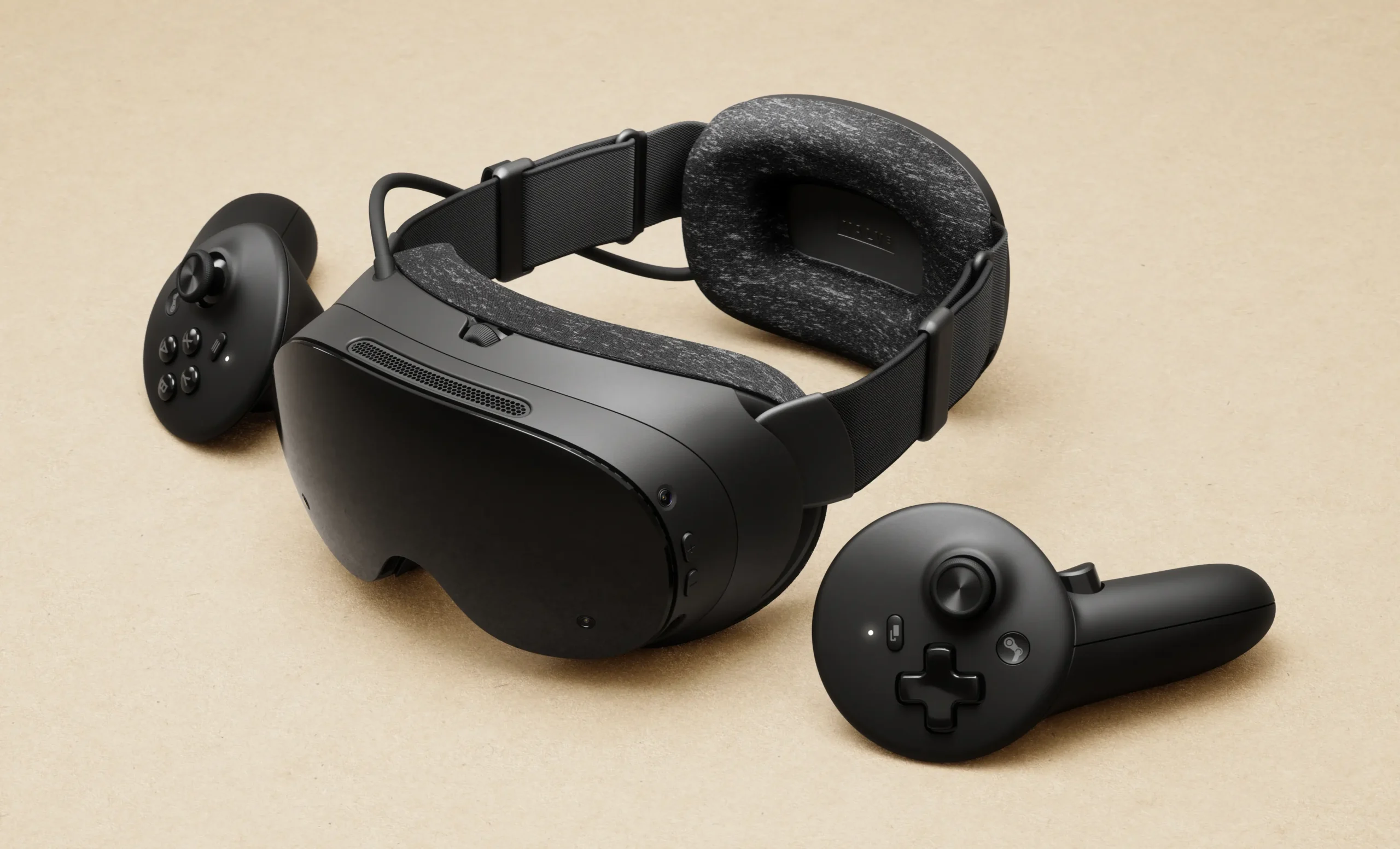
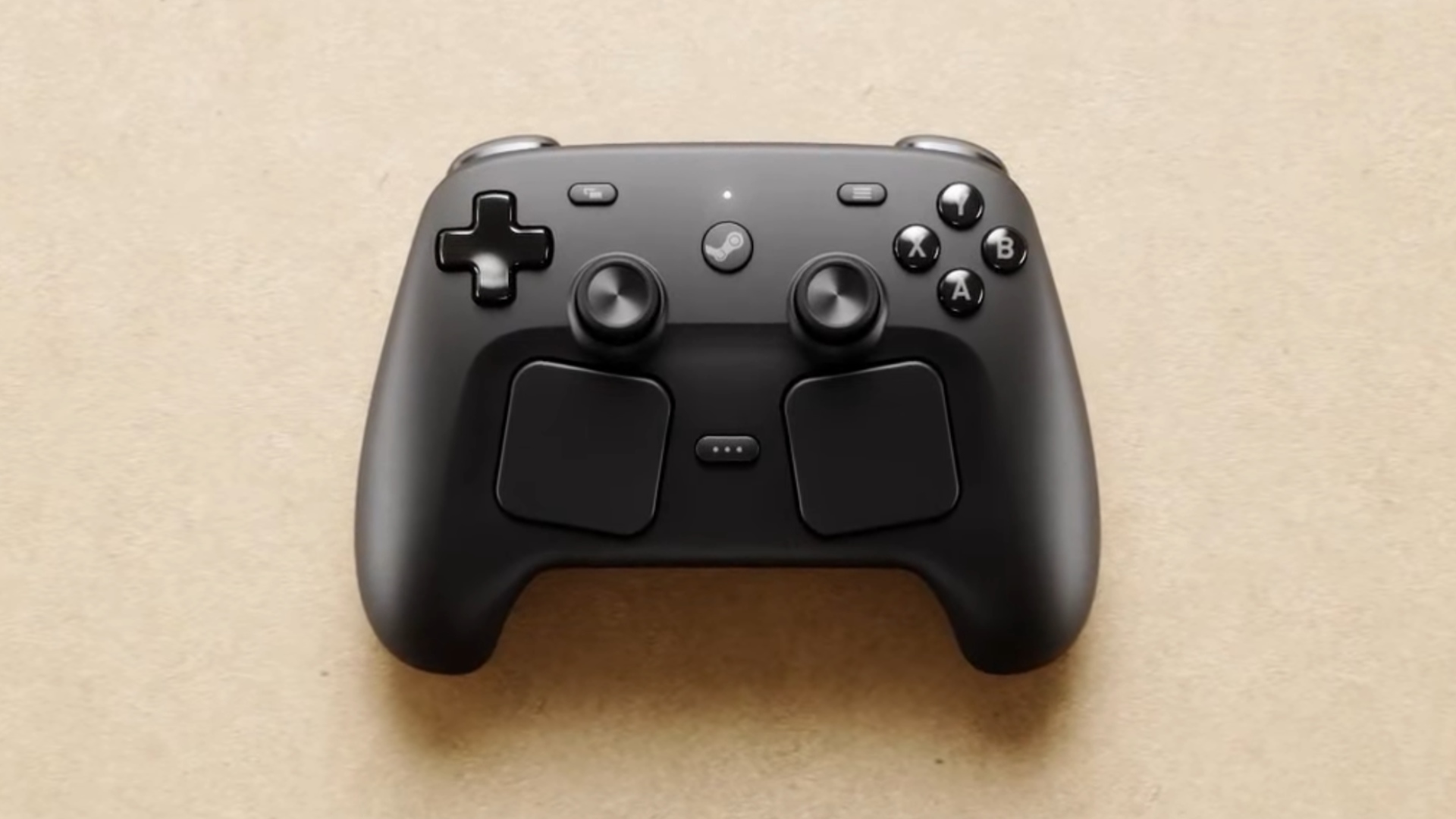
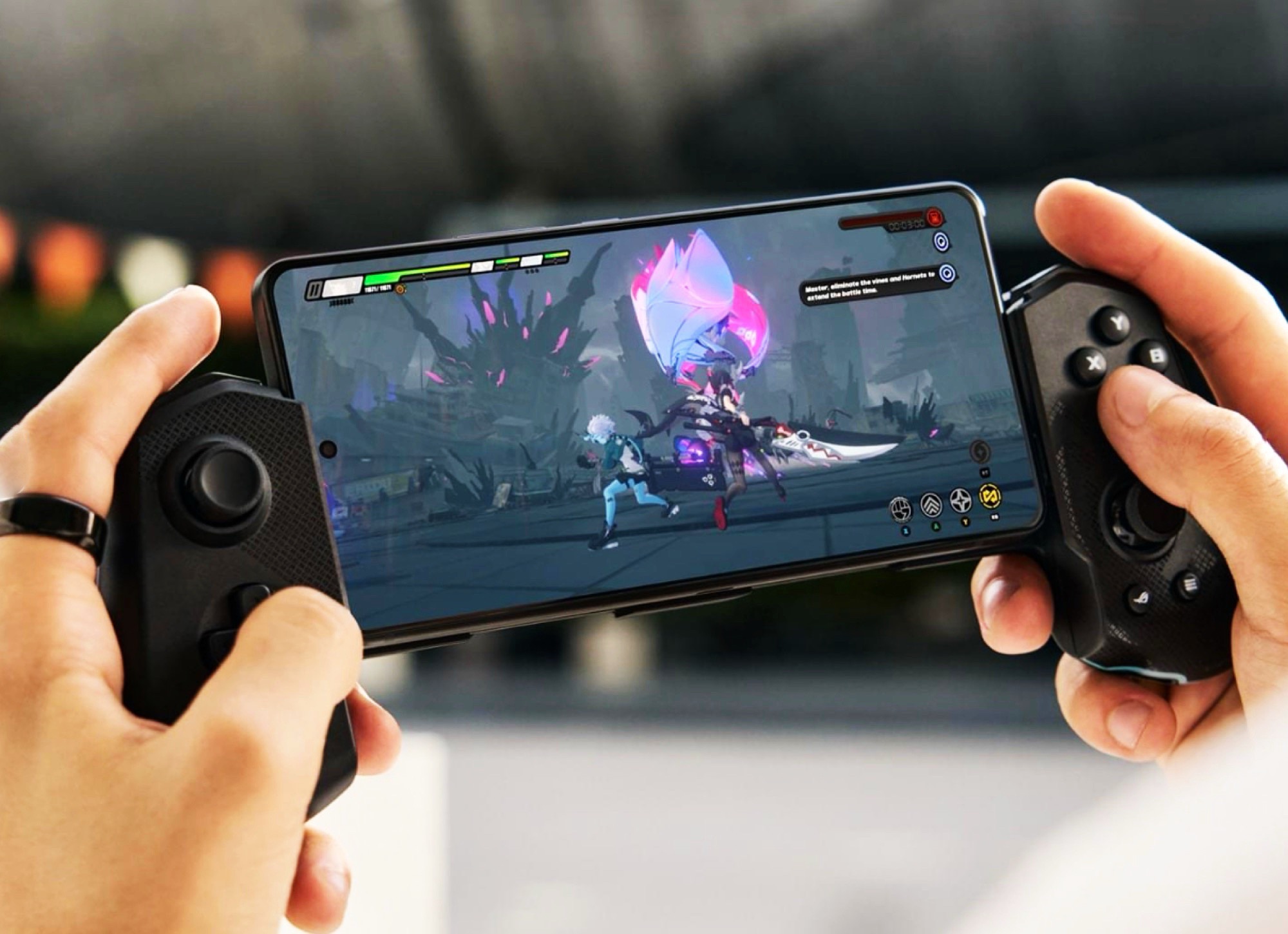
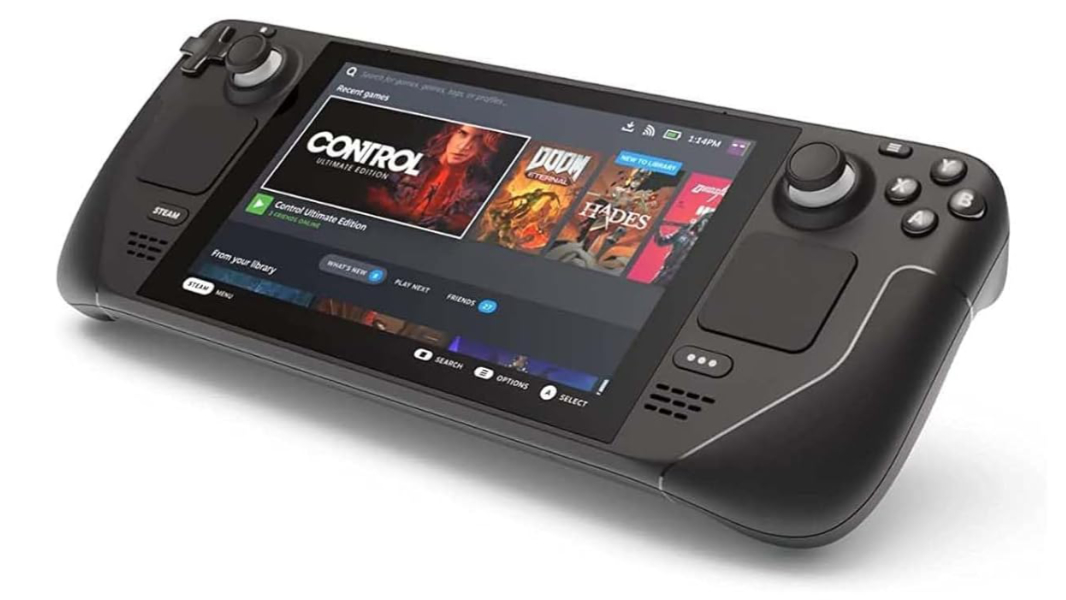
The strategic significance lies in Valve's multi-pronged compatibility approach. FEX, an open-source emulation tool, enables x86 applications to run on ARM Linux platforms, while Lepton represents an ambitious Android compatibility layer for Linux systems. These technologies aren't just technical experiments—they're calculated moves to expand the potential ecosystem for Steam hardware like the Steam Frame VR headset and Steam Deck.
What makes this strategy particularly compelling is Valve's commitment to open-source development. By funding these projects, they're essentially crowdsourcing platform interoperability. Developers no longer need to create multiple versions of games for different architectures, dramatically reducing complexity and cost. The Qualcomm Snapdragon-powered Steam Frame becomes a perfect test case, demonstrating how these compatibility layers can transform hardware limitations into opportunities.
The broader implication is a fundamental reimagining of gaming hardware. Traditional platform constraints are being systematically dismantled, replaced by a more fluid, adaptable computing environment. Valve is positioning itself not just as a game distributor, but as an architecture-agnostic platform enabler that can potentially run applications across Windows, Linux, ARM, and Android ecosystems.
For game developers and hardware manufacturers, this signals a critical inflection point: platform-specific development is becoming obsolete. The future belongs to those who can create truly portable, architecture-independent software experiences.
Questions 3
How do Valve's compatibility tools like FEX and Lepton work?
These tools create software translation layers that allow applications designed for one processor architecture (like x86) to run seamlessly on different architectures (like ARM). By dynamically translating instructions in real-time, they eliminate the need for developers to manually port games across platforms.
What are the potential implications for game developers?
Developers can now create games with reduced platform-specific complexity. Instead of maintaining multiple codebases for different architectures, they can focus on a single version that runs universally, potentially reducing development costs and time-to-market.