




Digital Platform Vulnerability Exposed: Steam's Christmas Eve Meltdown Reveals Critical Infrastructure Risks
- Massive service disruption signals urgent need for robust e-commerce platform resilience

























Overview
The digital marketplace ecosystem faces a critical wake-up call following Steam's unprecedented Christmas Eve service collapse, revealing systemic vulnerabilities that extend far beyond a single platform's technical failure. On December 24, Steam experienced a catastrophic outage that rapidly escalated from 7,000 to over 75,000 user reports in less than two hours, effectively paralyzing a global digital distribution network serving millions of users.
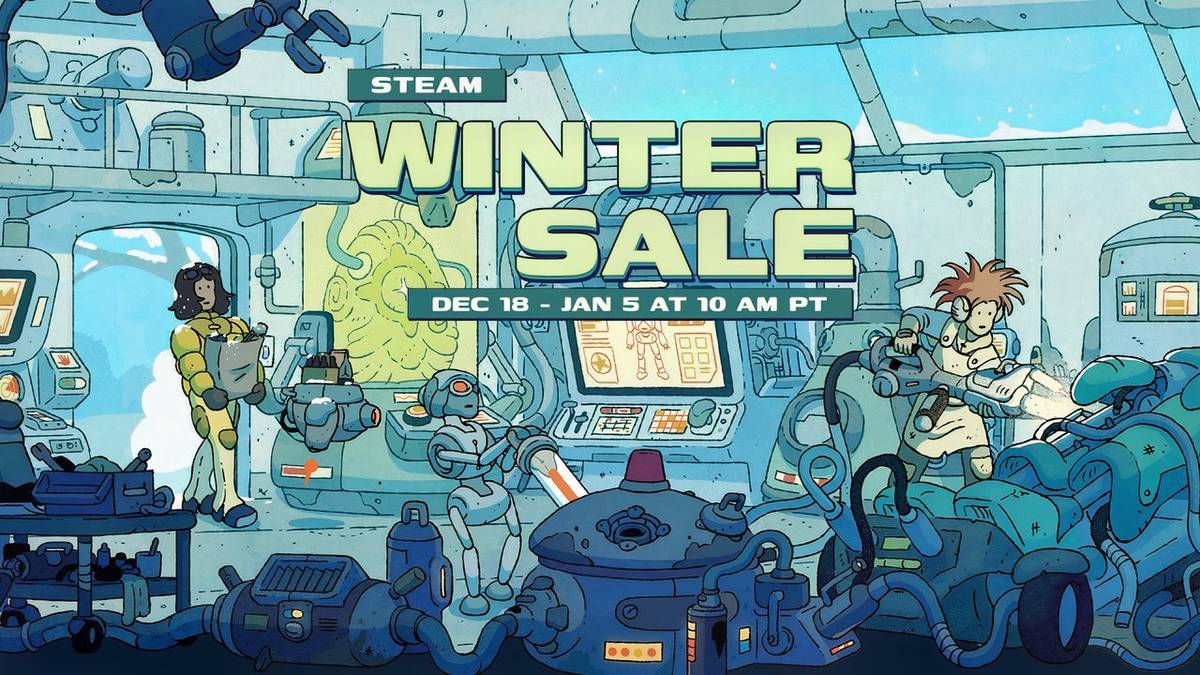
Platform reliability emerges as the most critical strategic imperative for digital marketplaces. The incident wasn't merely a technical glitch but a comprehensive system failure affecting multiple services: the Steam Store, Community features, Web APIs, and critical online games like Team Fortress 2 and Dota 2. What makes this disruption particularly significant is its timing—occurring during the Steam Winter Sale, a peak shopping period when revenue and user engagement are at their highest.
The broader implications for e-commerce infrastructure are profound. Digital platforms can no longer treat service stability as an afterthought but must view it as a core competitive advantage. The rapid user report escalation—from 7,000 to 75,000 in under two hours—suggests potential systemic architectural weaknesses that could plague other digital marketplaces. For game developers, content creators, and in-platform merchants, this represents a stark reminder of the fragility of digital distribution ecosystems.
Critically, this isn't an isolated incident. Steam's previous service disruptions in October and September indicate a pattern of infrastructure challenges. The Christmas Eve outage, lasting approximately 15 hours and impacting global users, underscores the urgent need for redundant systems, transparent communication, and rapid recovery protocols. Digital platforms must evolve from viewing technical infrastructure as a cost center to treating it as a strategic differentiator.
The economic stakes are immense. During high-traffic periods like holiday sales, even hours of downtime can translate into millions in lost revenue and irreparable damage to user trust. For sellers and developers relying on platforms like Steam, this event demands a fundamental reevaluation of platform dependency and the development of robust multi-channel distribution strategies.
Questions 3
What are the broader implications for digital platforms?
The incident reveals that platform reliability is now a core competitive advantage, not just a technical consideration. Digital marketplaces must invest in robust infrastructure, develop multi-channel distribution strategies, and create transparent communication protocols during service interruptions.
What should game developers and sellers learn from this outage?
Sellers and developers should diversify their distribution channels, develop contingency plans for platform outages, and carefully assess the risks of over-relying on a single digital marketplace. The event underscores the need for flexible, resilient business models in digital commerce.