






Tactical Survival: Leeds United's High-Stakes Management Gamble
- Managerial Uncertainty Reveals Critical Performance Pressures in Premier League Ecosystem










/GettyImages-2249155724.jpg)
























Overview
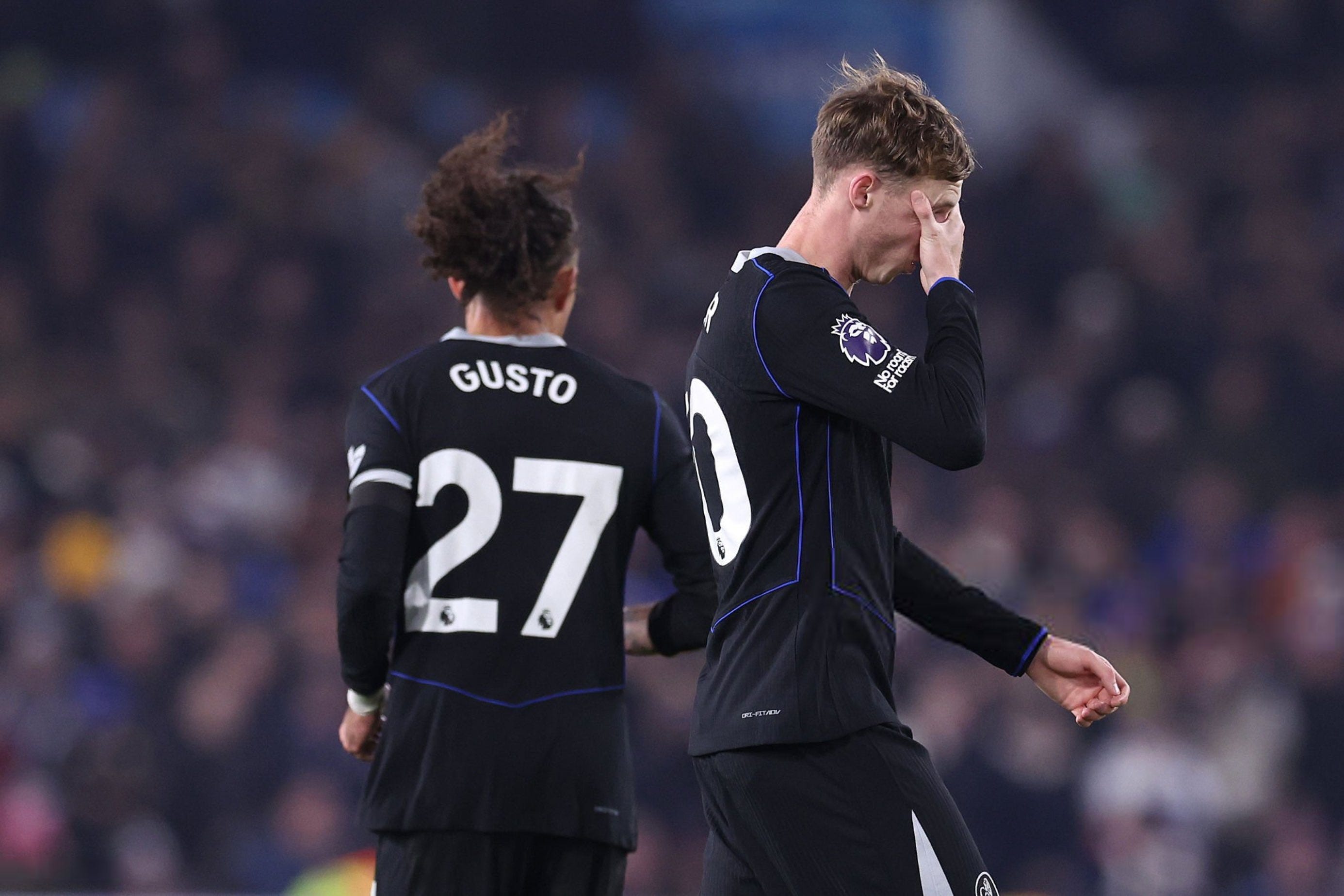
In the high-stakes world of Premier League football, Daniel Farke's recent performance represents a microcosm of survival strategy under extreme organizational pressure. The recent 3-1 victory against Chelsea isn't just a match result—it's a tactical lifeline that momentarily rescues Leeds United from the relegation danger zone.
Tactical Reinvention as Survival Mechanism: Farke's strategic pivot to a 3-5-2 formation demonstrates how immediate tactical flexibility can interrupt a potentially terminal decline. By transforming the team's structural approach, he engineered a critical performance breakthrough that moved Leeds out of the bottom three positions. This isn't merely a game strategy; it's an organizational survival tactic that highlights the razor-thin margins between managerial success and replacement.
Precarious Leadership Dynamics: Despite the victory, the underlying narrative remains complex. Sources indicate the club is simultaneously exploring potential managerial replacements, suggesting Farke's position remains fundamentally unstable. The win provides temporary reprieve but doesn't guarantee long-term security. This reveals a broader Premier League trend where performance is evaluated not just on singular results, but on consistent strategic adaptation and potential for sustained improvement.
The match's outcome—with goals from Jaka Bijol and Ao Tanaka—symbolizes more than individual player contributions. It represents a collective organizational response to existential threat. In football's hyper-competitive ecosystem, such moments of tactical reinvention can transform potential failure into a narrative of resilience and strategic recalibration.
Strategic Implications: For Farke, this victory is both a lifeline and a challenge. He must now consistently demonstrate that the tactical breakthrough was not a momentary aberration but a sustainable transformation of the team's competitive approach. The club's leadership will be watching closely, weighing the delicate balance between immediate results and long-term strategic vision.
Questions 3
How significant is Farke's tactical change for Leeds United's survival?
The 3-5-2 formation represents a critical strategic pivot that temporarily lifted Leeds from the relegation zone. By demonstrating tactical flexibility, Farke showed an ability to adapt under extreme performance pressure, which could be crucial for the team's long-term survival in the Premier League.
Is Farke's job truly secure after this victory?
Despite the win, Farke's position remains precarious. Sources suggest the club is still exploring potential managerial replacements, indicating that one match is insufficient to guarantee long-term job security. Consistent performance and strategic adaptation will be key to his continued leadership.